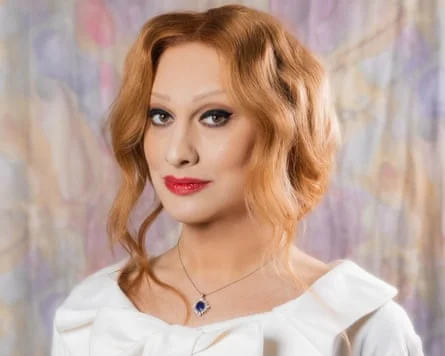
In an era characterized by rapid cultural evolution and heightened societal awareness, the ascent of Jinkx Monsoon, the 38-year-old actor, singer, and drag artist, represents a compelling narrative of artistic triumph and the complex realities of public recognition. Since clinching the coveted title of RuPaul’s Drag Race in 2013 and later securing victory in Drag Race All Stars in 2022, Monsoon has transcended the confines of the drag world to become a significant breakout star. Her unique aesthetic, often described as possessing the "white-lead-and-vinegar glamour of a 1930s movie star," has graced Broadway stages, the hallowed halls of Carnegie Hall, and countless viral digital moments. Despite this widespread acclaim, Monsoon navigates a disquieting paradox in her public life. "When I walk down the street in certain American cities, it is in a state of ‘not knowing if someone’s going to recognise me and be excited to see me, or recognise something about me and be hostile’," she confides, her voice tinged with a mixture of amusement and a pragmatic acknowledgment of the current socio-political climate. This "interesting dichotomy," she adds with a characteristic, resonant laugh, "also keeps me humble, I gotta say."
The interview takes place backstage at London’s Soho Theatre in Walthamstow, a fitting prelude to Monsoon’s performance in "End of the Rainbow." Peter Quilter’s poignant musical drama meticulously chronicles the final, turbulent months of Judy Garland’s life in 1969. The role of Garland is a natural fit for Monsoon, whose portrayal of the iconic entertainer on Drag Race was so uncannily accurate that its clips continue to circulate widely online. While her rendition of Little Edie Beale from "Grey Gardens" is also lauded by some critics for its comedic brilliance, her current theatrical endeavor underscores a deliberate shift towards more dramatic roles. This trajectory mirrors her impactful turn as Mama Morton in the Broadway production of "Chicago" three years prior, a performance that solidified her growing gravitas as a dramatic actress. Monsoon herself acknowledges a profound connection to Garland, whom she describes as "a pillar, and an institution." Her fascination began in childhood, fueled by repeated viewings of "The Wizard of Oz," and was later cemented by a personal connection: "my ex was obsessed with her," she recalls with a smile.
The Echoes of Garland and the Continuum of Female Performers
The enduring allure of Judy Garland transcends generations, a testament to her unparalleled talent and the complex tapestry of her life. Monsoon’s decision to impersonate Garland on Drag Race, a choice she admits carried a risk due to the character’s perceived "antiquated" nature for younger audiences, proved prescient. Her repertoire also includes a masterful imitation of Natasha Lyonne, further showcasing her versatility. However, in "End of the Rainbow," Monsoon’s performance evokes more than just Garland; it taps into a broader lineage of formidable female performers, a continuum that stretches from Ethel Merman to Elaine Stritch. These women, the narrative suggests, shared a characteristic that Monsoon identifies as "complete candour," a raw honesty that often saw their profound personal struggles with pain and addiction intertwine with their extraordinary artistic gifts.
A Candid Anecdote: The Mame Proposition
Monsoon is particularly fond of recounting a legendary anecdote that encapsulates this candor, a conversation between Garland and Stritch. "Elaine was saying to Judy," Monsoon begins, her voice deepening and shifting with an uncanny pitch-perfect impression of Stritch, "’Judy, there’s a new show, it’s called Mame. There are two female leads, Vera and Mame. Listen! Vera is a drunk. So I think you play Mame on Mondays, Wednesdays and Saturdays, and I’ll play Vera and I can drink on those nights, but you have to stay sober. And then when we flip it, I’ll play Mame and you play Vera, and you can drink on those nights. So we only have to be sober every other show.’" Monsoon pauses, allowing the dramatic weight of the imagined scenario to settle, before launching into Garland’s iconic, albeit apocryphal, response. "And Judy says," Monsoon continues, her imitation of Garland eliciting a palpable hush, "’Elaine; what about matinees?’" The punchline lands with a collective gasp of recognition. "And Elaine says, ‘Shit!’" The story, of course, has a historical footnote: Bea Arthur and Angela Lansbury ultimately took on those roles in the original Broadway production of "Mame." This exchange, imbued with dark humor and a stark reflection of the realities faced by many performers of that era, highlights the shared experiences of resilience, struggle, and a particular brand of unflinching honesty that defined an era of stage and screen.

Roots in Support: A Family’s Embrace of Identity
Monsoon’s own journey toward self-acceptance and artistic expression is rooted in a supportive family environment. Growing up in Portland, Oregon, in the early 2000s, within a Catholic household, she experienced an unusual degree of understanding and affirmation. Her family, characterized by its "very liberal" stance, recognized and embraced her gender non-conforming identity from an early age. "The women in my life saw who I was at an early age and told the men in my life: ‘You will accept this kid or you won’t be here’," Monsoon recalls. While acknowledging the presence of "a lot of addiction, a lot of trauma" within her family history, she emphasizes the unwavering strength of their familial bond: "when it comes to loving each other we’ve got that part down." This foundational acceptance provided a crucial bedrock as she navigated the complexities of finding her authentic self, initially through early drag performances in Portland and later as a non-binary, trans-femme artist.
A Spectrum of Success: From Broadway to the Digital Sphere
The establishment of her stage persona, Jinkx Monsoon (her legal name being Hera Hoffer), marked a significant milestone. Her professional achievements have continued to ascend, including a notable replacement role as Cole Escola in the Tony Award-winning Broadway production of "Oh, Mary!" She maintains a close friendship with Mason Alexander Park, who stars in the London production of the same show. Reflecting on her career trajectory, Monsoon expresses profound gratitude: "It’s quite extraordinary, when you’ve been told your whole life that there isn’t room for you, that you’re going to be lucky if you get anything, to be experiencing this kind of abundance."
Challenging Perceptions: The Marketability of Trans and Queer Performers
Monsoon’s success directly challenges the persistent myth that audiences are unwilling to support transgender and queer performers. "Oh, Mary!" has been a consistent box-office sensation on Broadway since its 2024 opening. Similarly, Monsoon’s initial engagement in "Chicago" revitalized ticket sales for the then-struggling musical, prompting a return engagement a year later. Early indications suggest that "End of the Rainbow" is poised to replicate this pattern of commercial success. This trend provides compelling data that counters outdated assumptions about audience preferences, indicating a growing demand for diverse voices and fresh perspectives in mainstream entertainment. The financial viability of productions featuring LGBTQ+ talent underscores a significant shift in the entertainment landscape, moving beyond niche appeal to demonstrable broad-based appeal.
A Call for Inclusivity: The Power of Representation
As Monsoon prepares to take the stage, her message to the industry is clear and resonant. "I want people to remember this," she states, her gaze earnest, "the next time someone wonders, ‘Should we cast this person from this marginalized demographic?’ Yes. Do it. People would rather see a fresh perspective than the same thing over and over." Her conviction is rooted in empirical observation: "All you need to know is that audiences handled it." She punctuates this with a wide, familiar smile, adding, "Not just that, they loved it, embraced it, came for every show." This sentiment serves as a powerful endorsement of inclusive casting practices, suggesting that authenticity and compelling storytelling, regardless of the performer’s identity, are the ultimate drivers of audience engagement. The implication is that embracing diversity in casting is not merely a matter of social justice but a sound business strategy, capable of attracting and delighting audiences seeking genuine and impactful artistic experiences. The continued success of performers like Jinkx Monsoon offers a tangible testament to this evolving reality in the performing arts.