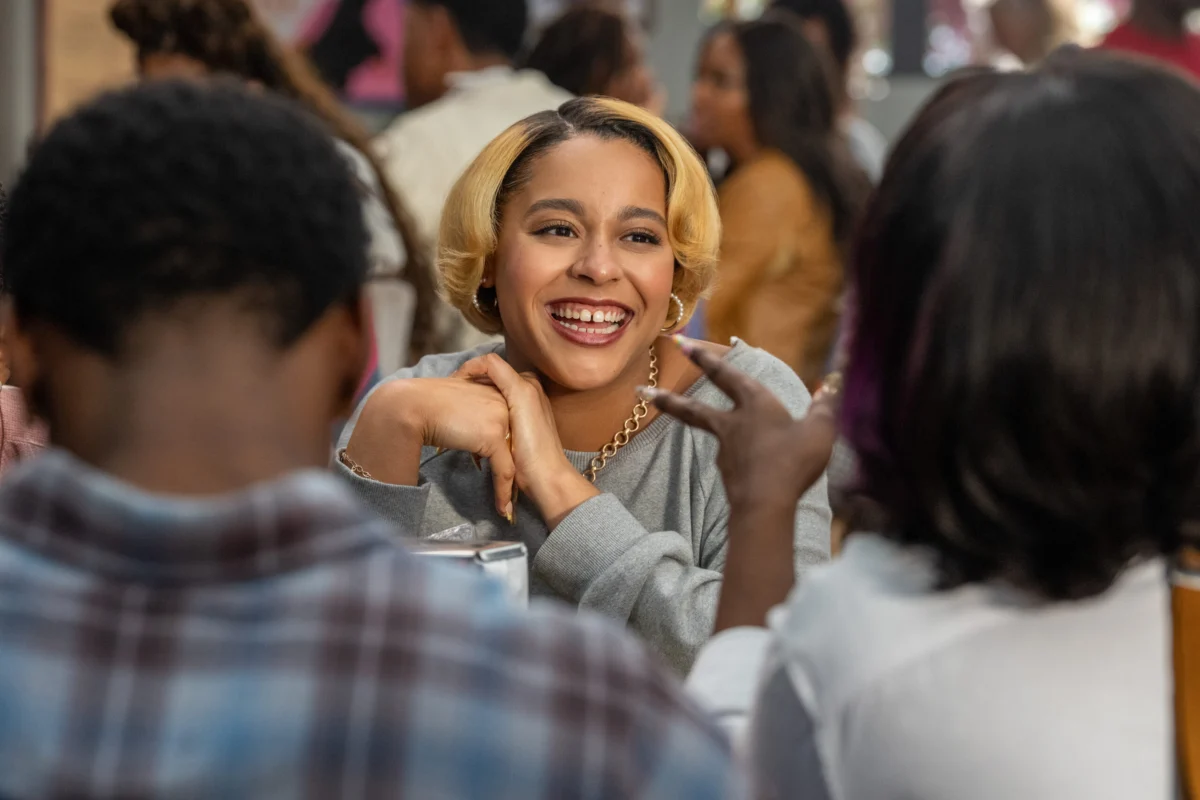
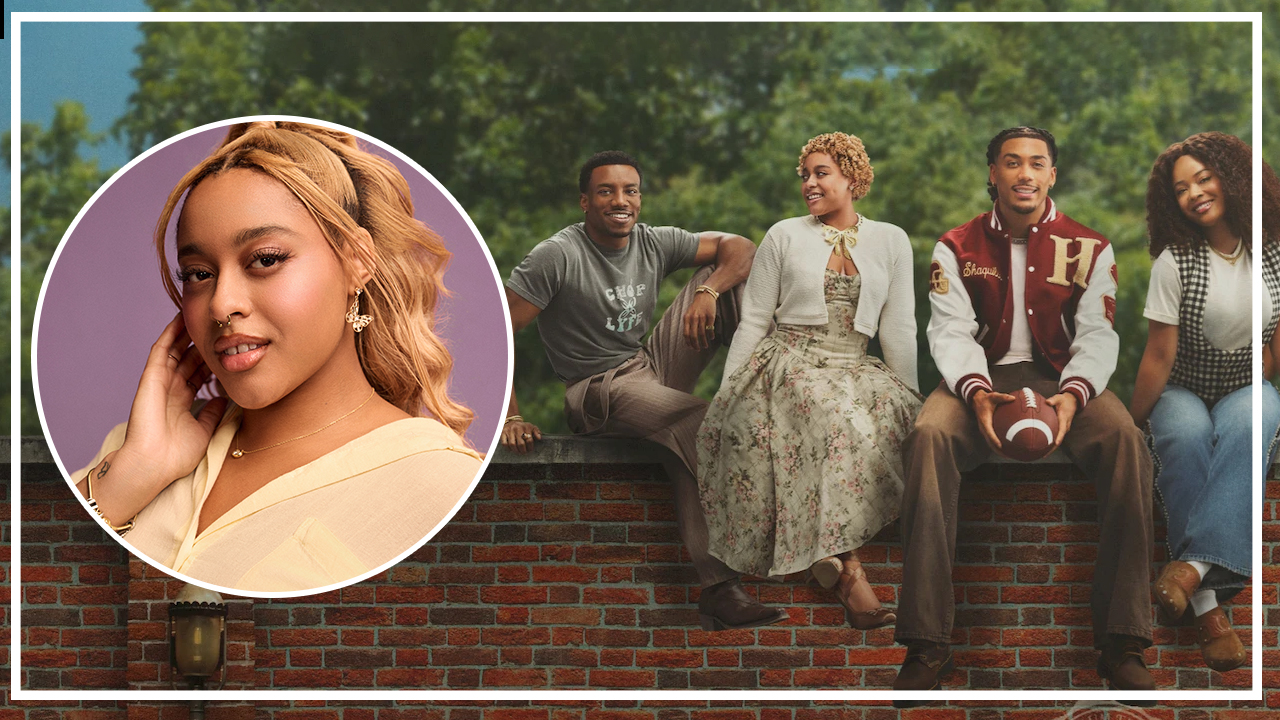
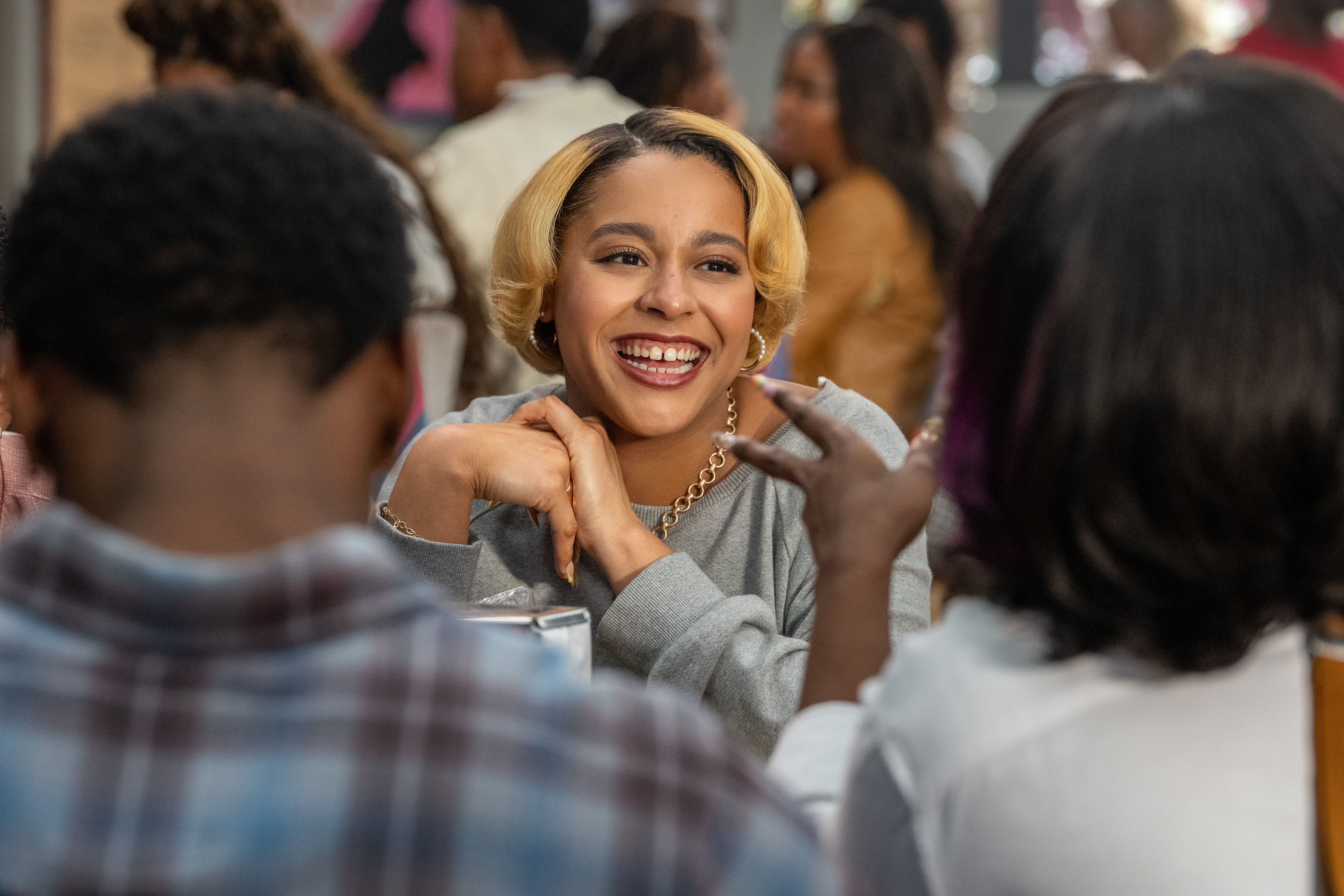
The return of the groundbreaking television franchise A Different World to modern streaming platforms has captured global audiences, rapidly climbing viewership charts worldwide following its debut on Netflix. Serving as a contemporary continuation of the iconic 1980s and 1990s sitcom that originally aired on NBC, the revived series successfully bridges generational divides by transporting viewers back to the fictional Hillman College. Amidst a fresh ensemble cast tasked with breathing new life into the beloved Historically Black College and University (HBCU) setting, breakout star Kennedi Reece has emerged as a central figure, captivating audiences with her portrayal of Hazel, a bubbly, deeply compassionate freshman whose narrative arc anchors much of the emotional resonance of the freshman season.
In a striking convergence of reality and fiction, Reece secured the role while navigating her junior year as a musical theater student at Howard University. This real-world academic grounding in the HBCU experience provided a seamless transition into the cultural fabric of Hillman College, allowing Reece to infuse her character with genuine authenticity. Following the explosive global release of the series’ first season, Reece reflected on her whirlwind casting process, the collaborative environment fostered by veteran directors, the profound mentorship of the legacy cast, and her aspirations for her character’s development in a prospective second season.
The Journey from Howard University to the Netflix Global Stage
The casting process for the revival began as an unconventional endeavor for Reece, who was thoroughly immersed in her undergraduate studies at Howard University when the casting call circulated among students. Initially notified via an internal departmental email regarding an untitled HBCU project spearheaded by legendary producer and director Debbie Allen, Reece recognized the profound opportunity before her. Lacking a formal, professionally produced acting reel at the time, she improvised by compiling a collection of raw self-tapes recorded during her university classes.
Despite submitting the impromptu portfolio, Reece maintained modest expectations, prioritizing her upcoming semester final examinations over the prospects of the audition. However, the production team recognized her raw talent, leading to an invitation to Los Angeles for a high-stakes chemistry read during the height of her finals week. Balancing academic obligations with professional ambition, Reece successfully negotiated the rescheduling of her examinations to participate in the screen tests.
Following her casting, the rigorous production schedule required significant dedication. Reece balanced her senior year responsibilities by transitioning to online coursework during the spring semester of filming, ultimately fulfilling her academic requirements to graduate from Howard University while simultaneously stepping onto a major international production stage. This unique trajectory provided her with a deep, lived-in perspective on the modern collegiate experience, mirroring the vibrant campus life depicted in the series.
Directorial Collaboration and the Legacy Cast Influence
The production of the first season of A Different World benefited from a diverse and accomplished team of directors, including industry veterans such as Billy Woodruff and Debbie Allen. For Reece, whose professional acting career effectively began with this production, navigating the distinct directing styles of various episodic leaders offered an invaluable masterclass in performance art. She noted that despite the rotation of directors throughout the season, the overarching creative vision remained remarkably cohesive, driven by a shared commitment to honoring the cultural significance and historical legacy of the original television property.
Beyond the directorial leadership, the presence of the original legacy cast served as a foundational pillar for the younger ensemble. Actors from the foundational 1980s series—including Darryl Bell, Cree Summer, Kadeem Hardison, and Jasmine Guy—actively integrated themselves into the production environment as mentors. Rather than maintaining professional distance, the legacy actors embraced the incoming generation, establishing open channels of communication and offering structural guidance drawn from their own historic tenure on the show.
This intergenerational mentorship proved instrumental in alleviating the pressures felt by the young actors. According to Reece, veterans such as Darryl Bell initiated early community-building efforts, including welcoming the new cast members to dinner to establish rapport and professional trust. This supportive atmosphere mitigated impostor syndrome among the breakout stars, reinforcing their confidence and validating their place within the storied television universe.
Character Dynamics and Cultural Representation
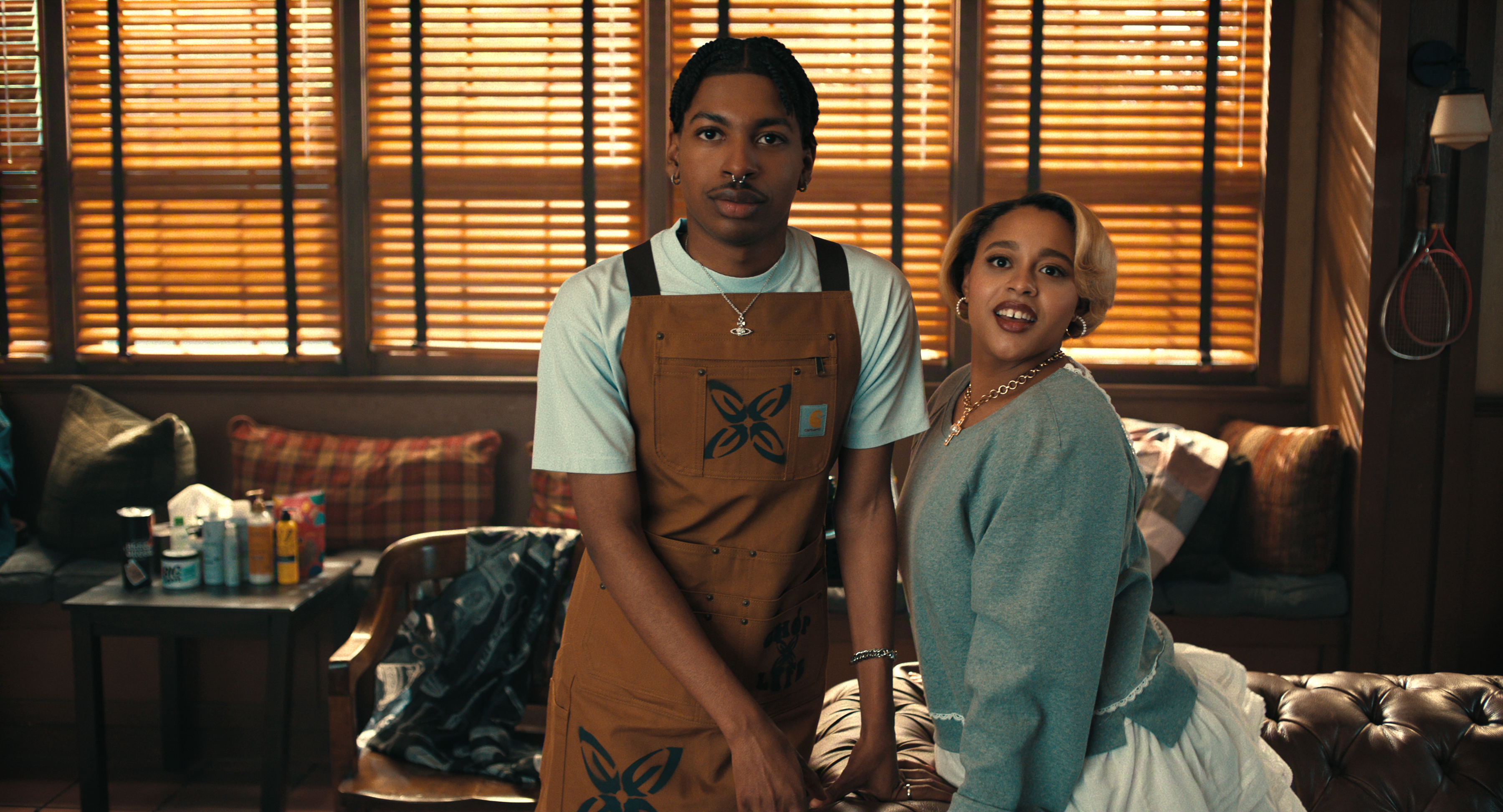
At the heart of Reece’s performance is Hazel, a character defined by an unyielding optimism, vibrant energy, and a strong foundation in her Christian faith and community values. The character’s narrative explores the complexities of early adulthood, navigating interpersonal conflicts, and maintaining personal integrity within a competitive academic environment. A significant portion of Hazel’s first-season arc involves her dynamic with Amir, portrayed by Jordan Aaron Hall. The emotional friction and subsequent reconciliation between the two characters served as a major focal point for audience engagement, sparking widespread discussion across digital platforms regarding accountability, emotional maturity, and forgiveness among 17 and 18-year-old college students encountering complex social realities for the first time.
Reece has emphasized the cultural importance of portraying a "bubbly Black girl" who refuses to diminish her personality to conform to societal expectations. By leaning into Hazel’s eccentricities, earnestness, and emotional transparency, the character provides nuanced representation for young Black women who frequently feel pressured to suppress their enthusiasm to avoid social marginalization. This thematic resonance extends into the physical production design of Hillman College. The set architecture—ranging from the vibrant student union spaces to the distinct residential hall cultures modeled after historical HBCU campus environments—was deliberately crafted to foster a sense of community and familial bonding, successfully reflecting the real-world camaraderie experienced by students at institutions like Howard University and Morehouse College.
Critical Reception and Industry Implications
The contemporary revival of A Different World arrives at a critical juncture in the television industry, where platforms increasingly leverage established intellectual property to capture multi-generational audiences while investing in diverse storytelling. By maintaining the comedic and dramatic equilibrium that defined the original network series while updating the narrative context for the modern streaming era, the production has validated Netflix’s strategy of targeted franchise revivals.
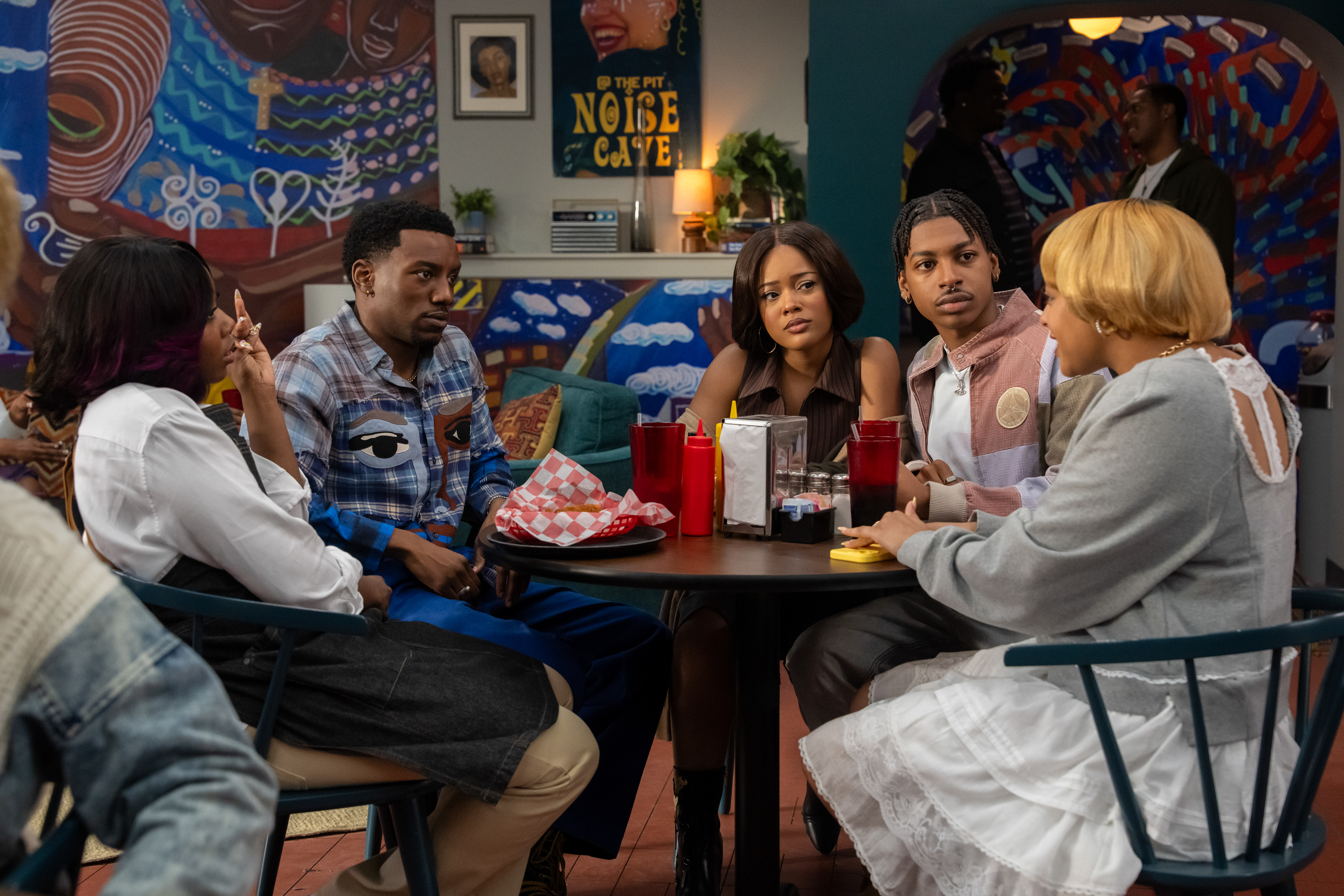
The series’ immediate dominance of viewership metrics in the United States and international markets underscores the enduring global appetite for authentic portrayals of Black higher education and youth culture. Furthermore, the success of breakout talents like Reece highlights the viability of recruiting emerging actors directly from collegiate training programs, bridging institutional arts education with commercial television production.
Future Outlook and Potential Season Two Directions
As the production team and network evaluate metrics for a potential second season, discussions surrounding character development have already begun. The conclusion of the first season left several narrative threads open, providing ample opportunity for character growth and expanded storytelling. Public discourse on social media platforms has particularly advocated for exploring diverse relationship dynamics and expanded personal journeys for Hazel, including potential representation of sapphic relationships within the campus environment.
Whether these specific narrative trajectories are pursued in subsequent installments, the foundational success of the first season has cemented the revival as a critical and commercial triumph. For Kennedi Reece, the transition from an undergraduate student studying musical theater to a recognized face of a globally trending television series marks a transformative milestone. As the industry anticipates formal announcements regarding future production cycles, A Different World continues to demonstrate the timeless relevance of its core mission: celebrating the intellectual, cultural, and emotional journeys of Black youth within the higher education landscape.