The television landscape of the 1980s was defined by a unique blend of high-concept science fiction, rugged heroism, and automotive fascination, but few programs captured the public imagination as enduringly as Knight Rider. Decades after the series concluded its original run, a definitive new project titled Knight Rider: Declassified is set to provide the most comprehensive retrospective of the franchise to date. This five-part, five-hour documentary event represents a significant archival undertaking, utilizing modern cinematic technology to revisit the creation of the Knight Industries Two Thousand, better known as K.I.T.T., and the cultural phenomenon that propelled David Hasselhoff to international superstardom. Produced by Richard Grant Bennett and Rocco DeVilliers, the documentary aims to transcend standard retrospective features by offering a deep-dive analysis of the show’s production, its technological foresight, and its lasting impact on the automotive and entertainment industries.
A Technical Masterpiece in 8K Resolution
One of the most striking aspects of Knight Rider: Declassified is its commitment to high-fidelity visual preservation. The production team spent three years developing the project, during which they utilized Sony Venice II cameras to capture segments in 8K resolution. This technical choice is particularly noteworthy given the documentary’s intention for an IMAX-mastered presentation. A central highlight of the production involved a return to the El Mirage Dry Lakebed, the original filming location for the series’ iconic opening sequence. The crew meticulously recreated the opening shot-for-shot, utilizing modern stabilization and high-resolution optics to mirror the 1982 aesthetic with contemporary clarity.
According to the producers, the decision to film in 8K was driven by a desire to "amp up" the visual legacy of the series, ensuring that the legendary Pontiac Firebird Trans Am is presented with a level of detail previously impossible on 20th-century television screens. This focus on technical excellence reflects the show’s own themes of cutting-edge innovation and futuristic engineering. By bridging the gap between 1980s practical effects and 2020s digital cinematography, the documentary serves as both a historical record and a modern tribute.

The Chronology of a Cultural Phenomenon
To understand the weight of the Knight Rider: Declassified project, one must look back at the timeline of the original series. Created by Glen A. Larson, Knight Rider premiered on NBC on September 26, 1982. The series introduced audiences to Michael Knight, a police officer who, after being nearly killed in the line of duty, is given a new identity and a mission by the billionaire philanthropist Wilton Knight. The show ran for four seasons, totaling 90 episodes, before concluding in 1986.
The documentary provides a chronological exploration of these four seasons, charting the evolution of the show from a risky high-concept pilot to a global ratings powerhouse. It examines the casting of David Hasselhoff, whose portrayal of Michael Knight became a cornerstone of 1980s masculinity. Furthermore, the documentary features new, never-before-seen interviews with key cast members, including Patricia McPherson (Bonnie Barstow), Edward Mulhare (Devon Miles, via archival footage and retrospective segments), Rebecca Holden (April Curtis), Peter Parros (Reginald Cornelius III), and the voice behind the machine, Peter Cullen or William Daniels (depending on the specific archival focus of the segments).
Behind the Scenes: The Realities of Stunt Work and Car Production
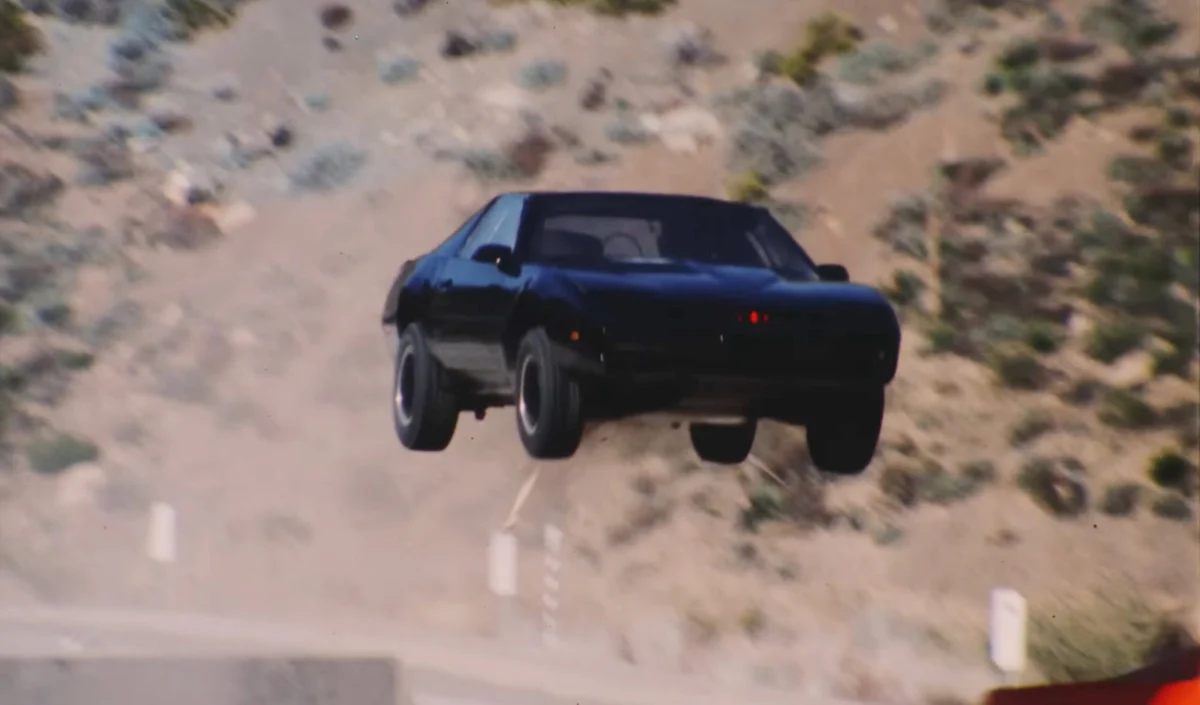
The documentary’s tagline, "We were wrecking cars left and right," points toward a major focus of the five-hour event: the grueling reality of 1980s stunt production. Unlike modern action series that rely heavily on Computer-Generated Imagery (CGI), Knight Rider was built on practical effects. The production required a fleet of modified Pontiac Firebird Trans Ams, many of which were destroyed during the filming of the show’s signature "Turbo Boost" jumps and high-speed chases.
Knight Rider: Declassified delves into the untold stories of the mechanics, stunt drivers, and engineers who maintained the K.I.T.T. vehicles. The documentary explores the specific modifications made to the 1982 Pontiac Trans Am, including the custom-built futuristic dashboard and the iconic red "scanner" light on the hood—a feature inspired by the Cylons from Larson’s previous hit, Battlestar Galactica. Producers Bennett and DeVilliers have reportedly gathered internal memos and production logs that reveal the logistical challenges of keeping the "supercar" operational under the intense demands of a weekly television schedule.

The Legacy of K.I.T.T. and the AI Revolution
While Knight Rider was an action-adventure series at its core, its portrayal of K.I.T.T. as an advanced, artificially intelligent, self-aware, and nearly indestructible vehicle was remarkably prescient. The documentary explores how the concept of a "talking car" with autonomous driving capabilities predated the modern era of Tesla, Waymo, and integrated AI assistants like Siri and Alexa.
Industry analysts featured in the documentary discuss how the show influenced a generation of automotive designers and software engineers. K.I.T.T. represented the ideal synthesis of man and machine, a theme that remains central to contemporary discussions about the ethics and utility of AI. By examining the show’s legacy through a modern lens, Knight Rider: Declassified argues that the series was not merely a "geeky 80s throwback" but a foundational piece of speculative fiction that correctly identified the future of personal transportation.
Distribution Strategy and Physical Media Exclusivity
In an era dominated by digital streaming services, the distribution model for Knight Rider: Declassified is notably traditional and exclusive. The documentary is being released as a limited-edition Blu-ray, available primarily through WheelHouseTV’s official website. The producers have stated that the documentary will not be sold in mainstream retail outlets and will never be reissued or reprinted once the initial stock is depleted.
This "when it’s gone, it’s gone forever" approach is likely necessitated by complex licensing agreements involving NBCUniversal, the estate of Glen A. Larson, and various automotive brands. However, it also serves to create a high-value collector’s item for the dedicated "Knight Rider" fanbase. While another documentary titled Behind the Wheel was recently released to coincide with a series re-release, Knight Rider: Declassified is being positioned as the "definitive" version, offering more depth, higher production values, and a longer runtime.

Broader Impact and Implications for the Franchise
The release of this documentary comes at a time when 1980s nostalgia is at an all-time high, driven by the success of series like Stranger Things and the revival of legacy franchises such as Top Gun and Ghostbusters. The comprehensive nature of Knight Rider: Declassified suggests a renewed interest in the brand that could potentially lead to further developments in the franchise.
The final interviews for the documentary are scheduled to enter production this summer, ensuring that the project includes the most recent reflections from the surviving cast and crew. For fans, the documentary represents a final, authoritative word on a show that defined an era. For the broader entertainment industry, it serves as a case study in how to handle legacy content with the respect and technical sophistication usually reserved for major feature films.
As the documentary reaches its premiere, it stands as a testament to the enduring appeal of Michael Knight’s crusade "to champion the cause of the innocent, the helpless, the powerless, in a world of criminals who operate above the law." Whether viewed as a nostalgic trip through television history or a technical study of 1980s filmmaking, Knight Rider: Declassified ensures that the "shadowy flight" of K.I.T.T. will be preserved for future generations in the highest possible quality.
The project’s emphasis on 8K restoration and IMAX mastering sets a new standard for television documentaries, suggesting that the "man who does not exist" and his indestructible car continue to command a significant presence in the digital age. As physical media becomes increasingly rare, this limited-run Blu-ray event may become as sought-after as the fictional technology it celebrates, marking a definitive chapter in the annals of sci-fi history.