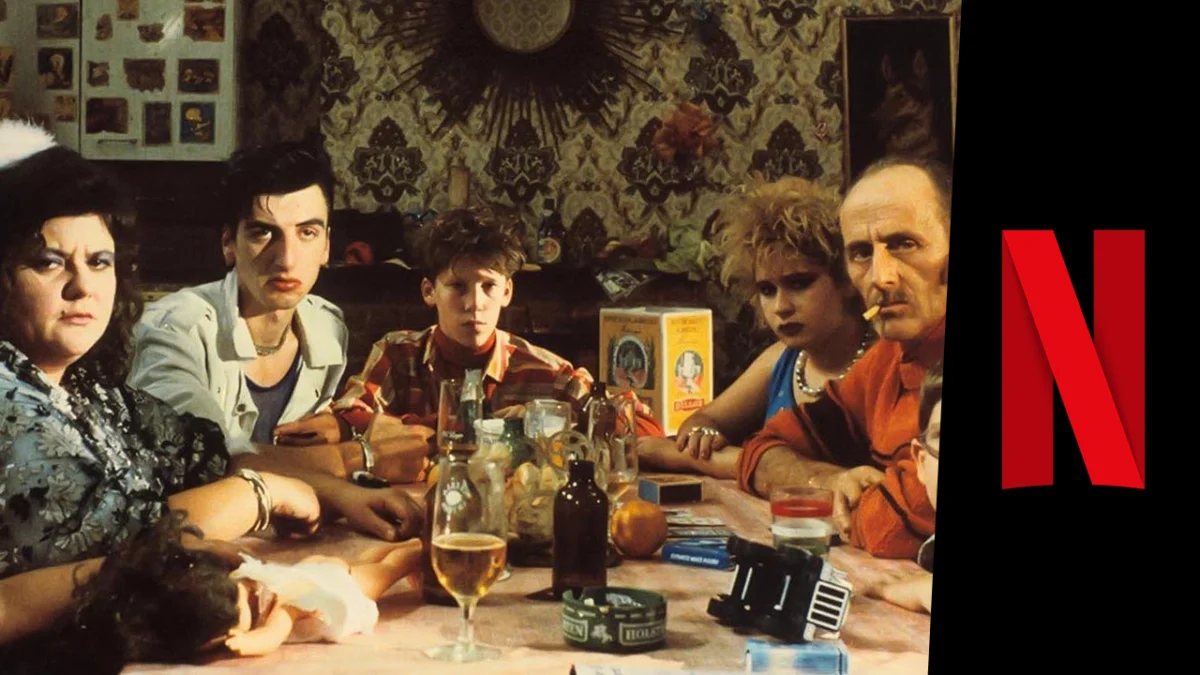
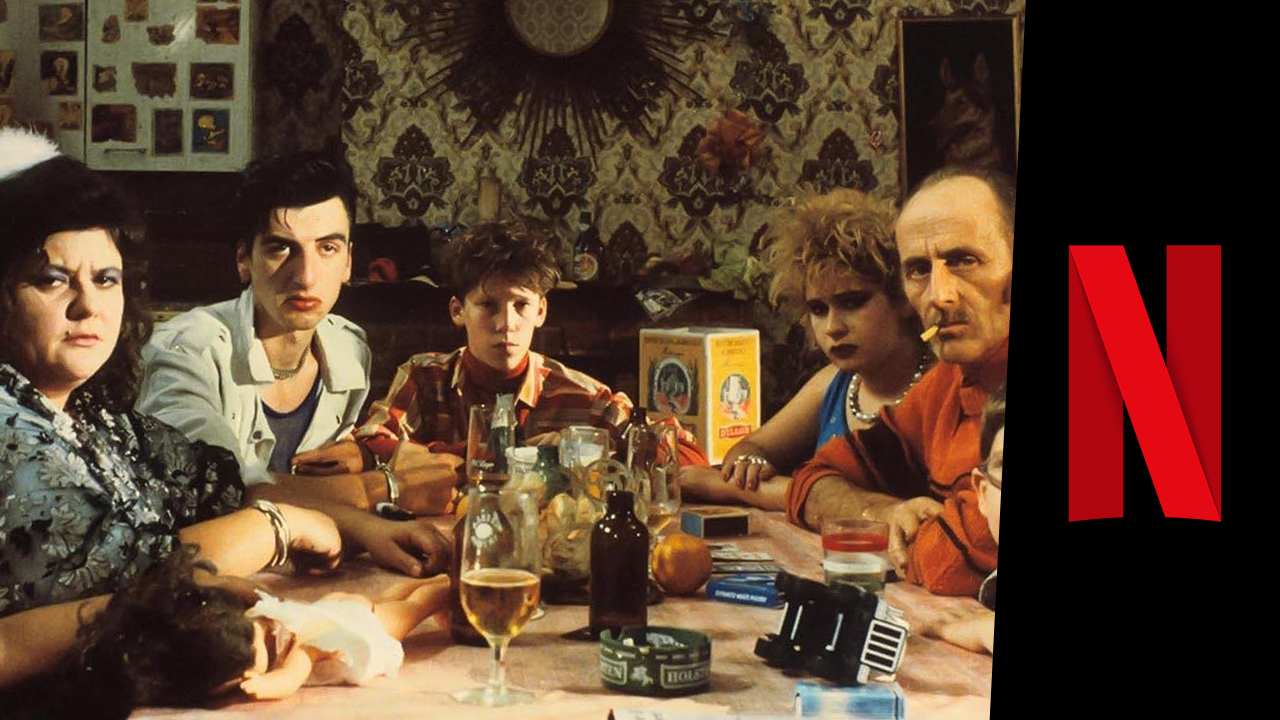
Production is officially underway in Southwest France for a modernized, six-episode television adaptation of Étienne Chatilliez’s 1988 satirical box-office phenomenon, Life Is A Long Quiet River (La Vie Est Un Fleuve Tranquille). Cameras began rolling this week across the picturesque region between Bordeaux and Arcachon, following extensive summer casting calls for hundreds of extras. Spearheaded by a high-profile creative team and a stellar ensemble cast, the project represents a significant pivot for Netflix’s French content strategy, which has historically favored original comedic IPs over legacy adaptations.
Production Chronology and Logistical Rollout
The genesis of the series stretches back to the late summer, when principal cast members began leaking details to French media outlets like Paris Match and Télé-Loisirs. Alban Ivanov confirmed his casting in August, offering the first public glimpse into the project’s scale. Following months of pre-production, costume design, and localized casting sessions that drew hundreds of regional applicants, principal photography officially commenced this week.
According to regional production schedules and casting documents, filming is slated for an extended, multi-month run, wrapping in December. While Netflix has not yet committed to a definitive global premiere date, industry analysts project a targeted release window in early 2028. The production footprint spans diverse locations across Southwest France, utilizing the coastal geography of Arcachon and the urban backdrop of Bordeaux to establish the stark socioeconomic divide central to the narrative.
Narrative Framework and Creative Modernization
While preserving the core premise of the original 1988 cinematic masterpiece, the new television format allows for an expanded narrative arc across its six episodes. The plot modernizes the classic story of institutional failure and class friction while introducing a high-stakes legal mechanism to drive the episodic tension.
The official logline details a familiar yet updated setup in Arcachon: two families situated at absolute socioeconomic and ideological antipodes—the affluent, devoutly Catholic bourgeois Le Quesnoy family and the working-class, left-wing Groseille family—discover that their respective children were swapped at birth in a maternity ward 14 years prior.
Complicating matters immediately, the families are already intimately acquainted and mutually hostile; the patriarch of the Le Quesnoy household serves as the executive director of the local superstore where the Groseille patriarch is employed as a forklift operator and militant union representative. Rather than allowing a standard resolution, the presiding judge rejects an immediate, permanent custody swap due to the profound disruption it would cause the adolescents, Côme and Jordy. Instead, the court mandates a controversial four-month "trial alternating custody" period. This forced domestic experiment serves as a narrative crucible, weaponizing daily life to explore contemporary class struggle through deeply personal and often absurd domestic disputes.
Cast and Crew Overview
The series boasts a seasoned creative force behind the camera and a powerhouse ensemble in front of it. Acclaimed actor and director Clovis Cornillac sits in the director’s chair. Cornillac brings immense commercial and critical credibility to the project, balancing a prolific acting career—highlighted globally by his portrayal of Asterix in 2006’s Asterix At The Olympic Games and locally by his work in Artus’s historic 2004 box-office smash A Little Something Extra—with established directorial credits.
The writing room is led by Estelle Koenig and Julien Teisseire, both alumni of the comedy series Shafted, working alongside co-writers Augustin Amri and Alpha Diallo.
The cast bridges broad comedic talent with award-winning dramatic pedigree. Alban Ivanov stars as Father Groseille, bringing his extensive background in French comedy and a recent international credit in Netflix’s French Lover to the role. Joining him is Ludivine Sagnier, cast as the Le Quesnoy mother. Sagnier’s involvement is a major coup for the production; her career bridges celebrated French art-house cinema—such as François Ozon’s Water Drops On Burning Roofs—with high-profile international television hits including The Young Pope, The New Pope, and her prominent role as Claire in Netflix’s global phenomenon Lupin.
Rounding out the core quartet are Doria Tillier and Xavier Lacaille. Tillier, celebrated for alternative comedic television like Canal+’s Iris, plays alongside Lacaille, who garnered widespread acclaim starring as the overwhelmed political assistant in the long-running European Parliament satire Parlement, which concluded its run in 2025.
Historical Context and Cultural Significance
The original 1988 film, directed by Étienne Chatilliez, occupies a legendary status in French cinematic history. Serving as a biting, deeply cynical satire of French social classes, the original motion picture drew over four million viewers to theaters upon its release. Beyond its box office footprint, it is historically notable for launching the career of actor Benoît Magimel, who made his professional screen debut in the film at just 12 years of age.
Chatilliez’s original work captured a specific socio-political zeitgeist in late-1980s France, weaponizing bourgeois hypocrisy and working-class struggles for broad comedic effect. Adapting such a sacrosanct piece of pop-cultural heritage carries inherent risks, requiring the modern creative team to balance nostalgic reverence for the source material with contemporary social commentary.
Strategic Implications for Netflix’s French Content Strategy
The greenlighting of this six-episode adaptation marks a calculated evolution in Netflix’s localized content strategy in France. Historically, the streaming giant’s French division has heavily favored original, ground-up concepts, such as upcoming comedic ventures spearheaded by superstars like Dany Boon (including his inaugural series project Johnny Biloute).
By acquiring and reimagining a recognized legacy intellectual property, Netflix is attempting to bridge generational audiences. The adaptation leverages built-in brand recognition among older demographics familiar with the 1988 film, while the contemporary casting choices, serialized format, and modernized "trial custody" concept are explicitly tailored to engage younger, platform-native subscribers. If successful, this venture could pave the way for further television adaptations of classic French cinematic comedies, establishing a new pipeline for localized platform content that merges domestic nostalgia with global streaming distribution metrics.