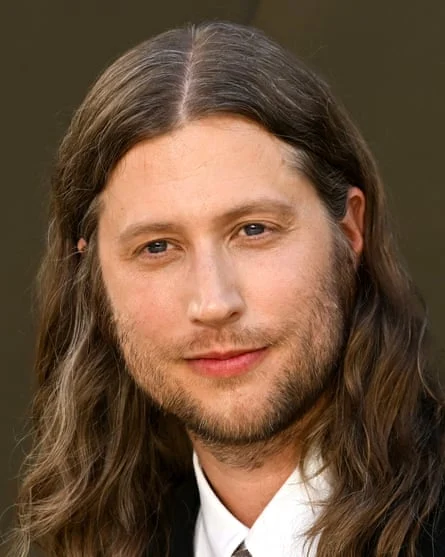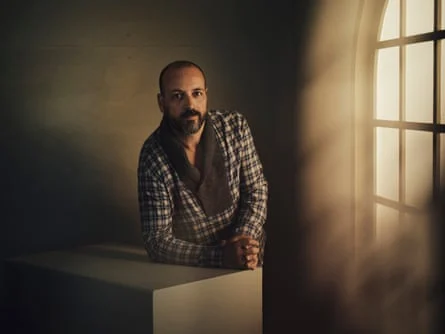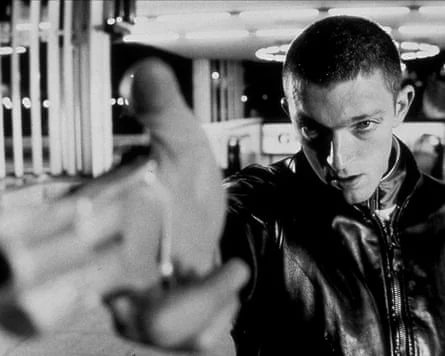
The director acclaimed for "La Haine," a seminal film lauded for its unvarnished portrayal of Parisian banlieues, has declared his enthusiastic embrace of an AI-driven future for filmmaking. Mathieu Kassovitz, a celebrated figure in cinema known for his visceral storytelling and bold artistic choices, has positioned artificial intelligence not as a threat, but as the "last artistic tool we need." His pronouncements, delivered at the recent World AI Film Festival in Cannes, mark a significant divergence from the prevailing anxieties surrounding AI’s impact on creative industries, particularly in the realm of intellectual property.
Kassovitz, also an accomplished actor, has dismissed widespread concerns about AI encroaching upon artists’ intellectual property rights with a blunt and provocative sentiment: "Fuck copyright." This defiant stance underscores his conviction that the evolution of artistic mediums has always involved adaptation and reinvention, often by borrowing and reinterpreting existing forms.
A Groundbreaking AI-Enabled Project
The director is currently spearheading the production of a film that is almost entirely enabled by artificial intelligence. The project is an adaptation of Edmond-François Calvo’s 1940s wartime comic book, "The Beast is Dead." This ambitious undertaking signals Kassovitz’s commitment to pushing the boundaries of what is technologically and artistically possible in filmmaking. He believes that the future of cinema will not only incorporate AI but will also see the emergence of entirely new forms of stardom and narrative engagement.
Kassovitz went on to predict the imminent arrival of AI-generated film stars, asserting that the technology is rapidly approaching a point where digital entities will possess a compelling emotional depth that rivals, and perhaps even surpasses, human actors. He recounted a recent experience that profoundly shifted his perspective: "I was recently stunned to see one [AI character] with an emotion in his eyes that made me shiver." This observation challenges the common apprehension that AI-generated characters might appear soulless or emotionally vacant.
Cannes’ Dichotomy: AI Embrace vs. AI Ban

Kassovitz’s enthusiastic endorsement of AI in filmmaking comes in the wake of a notable division within the film festival circuit. While the second World AI Film Festival served as a platform for champions of AI in cinema, the prestigious Cannes Film Festival, held concurrently, announced a ban on AI-generated films from its official competition. Festival president Iris Knobloch articulated a sentiment shared by many in the industry, stating, "AI imitates very well, but it will never feel deep emotions." This official stance highlights the ongoing debate about the essential human element in artistic creation and the potential limitations of even the most advanced artificial intelligence.
However, Kassovitz, aged 58, whose 1995 film "La Haine" garnered three César Awards, remains unfazed by these reservations. He expressed a belief that within a mere two years, the distinction between human and AI-created characters will become largely irrelevant to audiences. "In two years from now nobody will care whether film characters are created by AI or played by actors," he stated, suggesting a rapid societal and artistic acclimatization to AI’s presence in cinema.
The "Last Artistic Tool" and a New Studio
Kassovitz’s embrace of AI extends beyond theoretical advocacy; he is actively investing in the infrastructure to support this new era of filmmaking. He announced plans to establish an AI film studio in Paris, drawing a parallel to George Lucas’s creation of Industrial Light and Magic (ILM) in 1975, a pioneering visual effects company that revolutionized filmmaking for "Star Wars." This initiative signifies Kassovitz’s intent to build a dedicated hub for AI-driven cinematic innovation.
The impetus for this strategic shift, he explained, arose from a reassessment of his planned film adaptation of "The Beast is Dead." He initially anticipated a substantial visual effects budget, estimated by traditional US and European studios at $50-60 million. However, by leveraging AI technologies, Kassovitz projects that the cost can be reduced to approximately $25 million, demonstrating the potential for AI to democratize high-end filmmaking and make ambitious projects more financially accessible.
Hollywood’s Shifting Landscape and Emerging Stars
Kassovitz’s pronouncements echo a broader trend within the Hollywood studio system, which is increasingly integrating AI into its operations. Major studios are making significant investments in AI companies and recruiting tech leaders to guide their strategies. Proponents of AI in filmmaking argue that it offers a potent tool for cost reduction and enhanced creative exploration, potentially broadening access to the art form for a more diverse range of creators and facilitating the production of a greater volume of films.
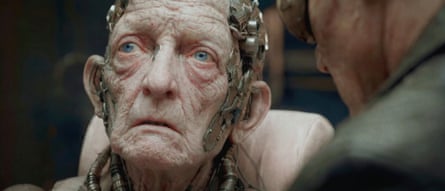
David Ellison, CEO of Paramount Pictures and son of tech billionaire Larry Ellison, has voiced his optimism about AI’s transformative potential. He stated, "AI is here, and it’s going to be transformative across all aspects of the business." This sentiment reflects a growing recognition among industry executives that AI is not merely a passing trend but a fundamental shift that will reshape the entertainment landscape.
The emergence of AI-generated performances is already becoming a reality. Last week, a trailer for "As Deep as the Grave" featured a posthumous appearance by Val Kilmer, the beloved star of films like "Batman Forever" and "Top Gun." Kilmer’s performance in the trailer was generated using AI, with the explicit consent of his estate, marking a significant development in the ethical and creative application of AI in representing deceased actors. This instance, while carefully managed with estate permission, foreshadows a future where digital avatars of iconic performers could continue to grace the screen.
The Counter-Arguments: Soul, Redundancy, and Copyright Battles
Despite the burgeoning enthusiasm for AI in cinema, a vocal contingent of critics remains deeply concerned about its potential ramifications. Foremost among these anxieties is the fear that AI-enabled cinema may lack the inherent "soul" and emotional resonance that human artists bring to their work. This concern is compounded by the specter of job displacement, with many actors, composers, writers, and various creative craftspeople fearing that AI could render their skills redundant.
The training of AI models on vast datasets of existing copyrighted material, often without explicit consent or compensation for the original creators, has ignited intense legal and ethical battles. Writers, directors, and musicians are actively pushing back against tech companies, asserting their rights to control how their intellectual property is utilized.
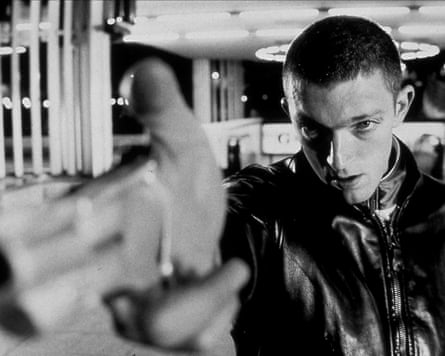
Kassovitz, however, offers a provocative counterpoint to these concerns, particularly regarding copyright. He argued, "La Haine was made from other films. They stole also. I stole shots from Scorsese that he stole from Kurosawa that he stole from Eisenstein. Unless you… created something from the ground up, we’re all thieves. So, as AI steals everything, it doesn’t steal anything." This assertion frames AI’s generative capabilities as a continuation of a long-standing tradition of artistic influence and appropriation within cinema. He provocatively concludes that AI, by "stealing everything," paradoxically "doesn’t steal anything" because its output is derived from a vast, collective pool of existing creative works.
However, Kassovitz also acknowledges the nuances of artistic ownership. He tempered his broad statement with a caveat: "If I see a movie, if I see some guys that are doing La Haine and they are taking the thing and they are doing some stupid shit with it, of course I’m gonna sue them." This suggests that while he is dismissive of abstract copyright concerns in the context of AI’s generative process, he would still defend his own creative work against blatant and disrespectful appropriation.
Legal Scrutiny and the Quest for Fair Compensation
The legal landscape surrounding AI and copyright is rapidly evolving. Tim Kraft, a prominent German copyright lawyer, revealed at the festival that approximately 140 copyright infringement cases against AI companies are currently pending, with the majority of these lawsuits originating in the United States, though Germany is also seeing a significant number of claims.
Kraft emphasized the need for equitable compensation for creators whose work fuels AI development. "It’s only fair and just to have tech platforms to pay for the usage – they make bazillions – we need to urgently find a solution to have the likes of Google and OpenAI to pay for their usage because they operate on our knowledge and copyrighted material," he stated. This call for a clear framework for compensation reflects the growing demand for a more sustainable and ethical model for AI development that respects the rights of intellectual property holders.
The debate surrounding AI in cinema is multifaceted, encompassing technological innovation, artistic expression, economic viability, and fundamental questions of intellectual property. As directors like Mathieu Kassovitz champion AI as a revolutionary tool, and as legal battles over copyright intensify, the film industry stands at a precipice, poised to redefine its creative processes and its very definition of artistry. The coming years will undoubtedly reveal the profound and lasting impact of artificial intelligence on the silver screen.