Matininó represents a significant departure from traditional documentary filmmaking by merging the raw, lived experiences of a multi-generational Puerto Rican family with the heightened artifice of science fiction and fantasy cinema. Directed and written by Gabriela Díaz Arp, the film centers on the Villanueva-Rodriguez family, a group of women who have navigated cycles of domestic trauma and societal upheaval. Rather than adopting a standard "talking head" format, the production empowers its subjects—Idaliz Villanueva, Désirée Rodríguez Villanueva, María Villanueva, Genesis Ramos Candelaria, Leilany Espin Rodriguez, Kyra Lunna Cruz, Ebony Starr Cruz, and Gabriela Vázquez Ramos—to act as co-creators of their own narrative. By conceiving and performing in fantastical film vignettes, these women transform their histories of pain into a cinematic exploration of resilience and imagination.
Conceptual Framework and Cultural Context
The title of the film, Matininó, draws from Taino mythology, referring to a legendary island inhabited solely by women. In Caribbean folklore, Matininó was a sanctuary where women lived independently of men, a theme that resonates deeply throughout the documentary’s 89-minute runtime. This cultural touchstone provides a foundational layer for the film’s exploration of female autonomy and the creation of safe spaces in the wake of gender-based violence.
The documentary arrives at a critical juncture for Puerto Rican society. Over the last decade, the archipelago has faced a series of compounding crises, including a prolonged economic recession, the devastation of Hurricane Maria in 2017, and a subsequent rise in reported cases of domestic violence. In January 2021, the Puerto Rican government declared a state of emergency due to a surge in femicides and gender-based attacks. Matininó situates the personal struggles of the Villanueva-Rodriguez family within this broader sociopolitical climate, illustrating how individual trauma is often inextricably linked to systemic failures and cultural expectations regarding gender roles.
Narrative Structure and Collaborative Methodology
The film’s methodology is rooted in a collaborative process between the director and the subjects. Gabriela Díaz Arp, alongside producers Wendy Muñiz and Tatiana Monge Herrera, invited the family to participate in the writing process. This decision shifted the power dynamic typical of documentary filmmaking, where the director usually maintains sole authorial control. By crediting the Villanueva-Rodriguez family as writers, the production acknowledges the subjects as the primary architects of their own stories.
The narrative arc begins with Idaliz, the family matriarch, whose decision to leave an abusive marriage set the stage for the family’s current trajectory. The film explores how this foundational act of resistance influenced her daughters and granddaughters. Through a series of workshops and creative sessions, the women developed "vignettes"—short, scripted scenes that utilize science fiction and fantasy tropes to re-examine their pasts. These scenes allow the women to assume roles of power, agency, and heroism that were denied to them in real life.
The Visual Language of Healing
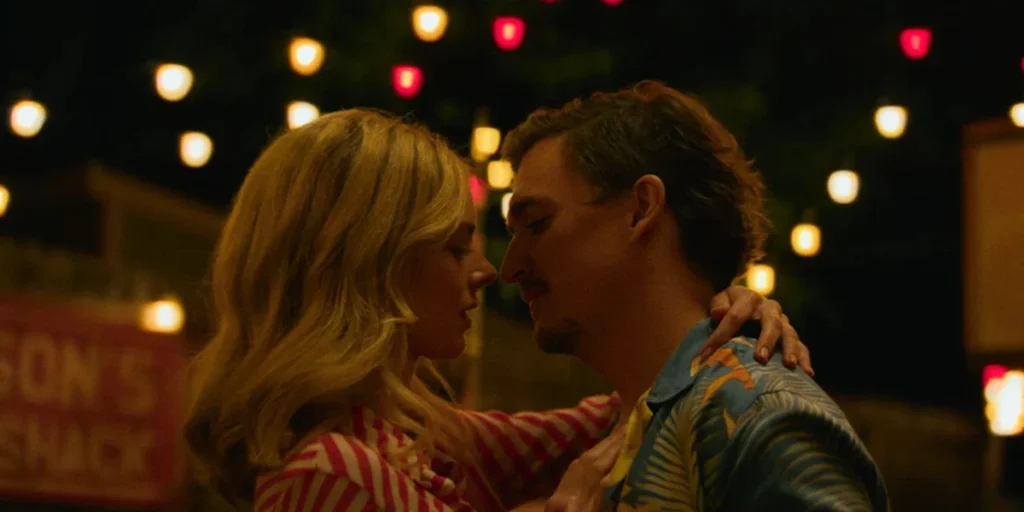
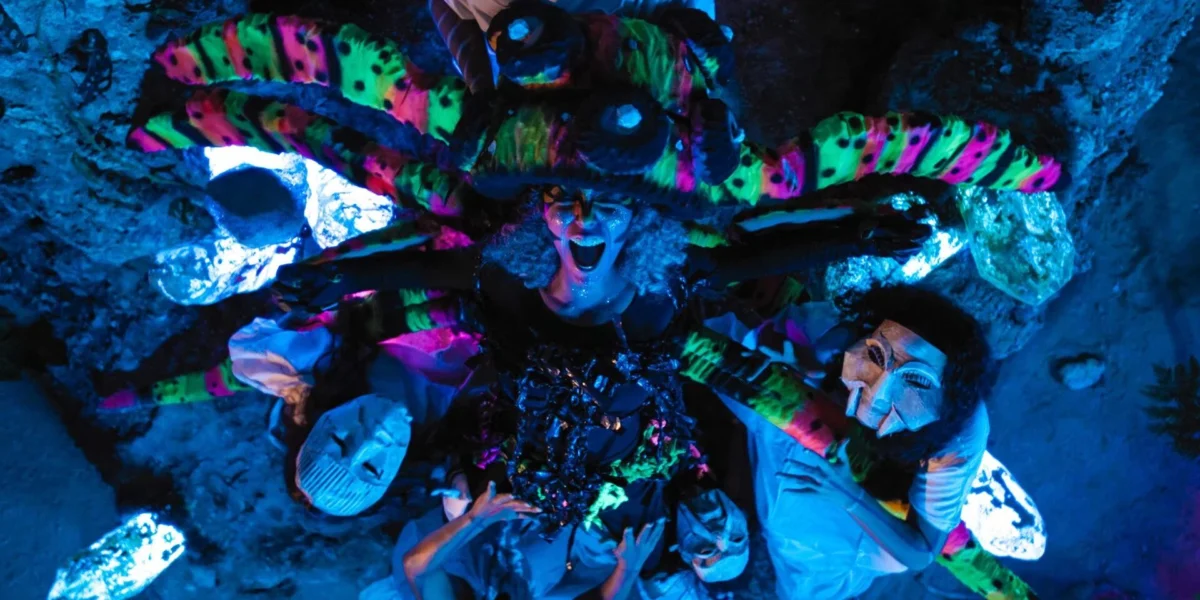
Visually, Matininó is characterized by a sharp contrast between the "grounded" reality of the family’s daily lives and the vivid, expressive aesthetics of the imagined vignettes. The cinematography employs a saturated color palette during the science fiction sequences, utilizing neon lights, elaborate costumes, and unconventional landscapes to signify the transition into a space of psychological processing.
Film critics have noted that this approach bears a "Varda-esque" quality, referencing the legendary French filmmaker Agnès Varda, who frequently blurred the lines between documentary and fiction to reach a deeper emotional truth. In Matininó, the "artifice" of the fantasy scenes does not obscure the truth; rather, it serves as a vehicle for it. The science fiction elements act as a protective layer, allowing the subjects to approach painful memories from a distance, making the process of sharing those memories more manageable and, ultimately, therapeutic.
Generational Perspectives and Political Implications
A central theme of the film is the evolution of political and social consciousness across generations. While the older members of the family focus on the immediate necessity of survival and the breaking of silence regarding domestic abuse, the younger generations—such as Genesis, Leilany, Kyra, and Ebony—bring a modern perspective to these issues. Their discussions often bridge the gap between personal familial conflicts and global movements for gender equality.
The film highlights how the dialogue between these women has shifted over time. In one segment, the subjects discuss their collective experiences with men, revealing a recurring pattern of disappointment and harm. However, the film avoids a tone of nihilism. Instead, it focuses on the beauty of the bond between these women as they "break the barrier" of traditional mother-child roles to speak to each other as peers and survivors. This intergenerational exchange serves as a micro-study of how societal shifts in gender politics manifest within the domestic sphere.
Production Timeline and Development
The development of Matininó spanned several years, reflecting the time required to build trust between the filmmaking team and the Villanueva-Rodriguez family. The production process involved:
- Initial Outreach and Trust Building: Establishing a rapport with Idaliz and her descendants to ensure the documentary would be a safe space for their stories.
- Narrative Workshops: Collaborative sessions where the family identified key moments of their history they wished to re-examine through a creative lens.
- Scripting and Conceptualization: The family members drafted the scenarios for the science fiction vignettes, choosing the settings and character archetypes they felt best represented their internal journeys.
- Principal Photography: Filming the daily lives of the women in Puerto Rico, interspersed with the high-production-value shoots for the fantasy sequences.
- Post-Production: Integrating the two realities into a cohesive 89-minute narrative that maintains a balance between the somber reality of their past and the hopeful vibrance of their imagined future.
Broader Impact on Documentary Cinema
Matininó is being recognized as a vital contribution to the "New Wave" of Caribbean cinema, which increasingly prioritizes experimental forms and local voices. By moving away from the "poverty porn" or "victimhood" tropes that sometimes plague documentaries about marginalized communities, Díaz Arp offers a model for ethical and creative engagement.
The film’s success suggests a growing audience appetite for documentaries that prioritize the psychological and emotional landscapes of their subjects over purely chronological or investigative reporting. The use of genre elements (sci-fi/fantasy) in a non-fiction context demonstrates that "truth" in cinema is not solely the domain of the literal, but can also be found in the symbolic and the imagined.
Critical Analysis of Limitations and Achievements
While the film has been praised for its innovation, some analysts point to the limitations imposed by a modest production budget. Certain scenes, while conceptually strong, hint at a broader vision that might have benefited from further resources. Additionally, the sub-90-minute runtime, while effective for pacing, leaves some viewers wanting more depth regarding the individual histories of the younger family members. Each woman’s story is so compelling that the film occasionally feels like a compressed anthology of several potential features.
However, these limitations do not detract from the film’s overall efficacy. The brevity ensures that the emotional impact remains concentrated, preventing the "fantasy" elements from becoming repetitive or distracting. The project serves as a powerful testament to the idea of art as a tool for "Narrative Therapy"—a psychological approach where individuals externalize their problems by re-storying their lives.
Conclusion and Industry Trajectory
Matininó marks the emergence of Gabriela Díaz Arp as a singular voice in the documentary field. Her ability to synthesize complex emotional themes with striking visual metaphors indicates a sophisticated understanding of the medium’s potential. For the Villanueva-Rodriguez family, the film is more than a creative project; it is a permanent record of their survival and their collective imagination.
As the film continues its circuit through international film festivals and distribution channels, it stands as a significant cultural artifact for Puerto Rico. It challenges the viewer to reconsider the boundaries of the documentary genre and highlights the profound healing that can occur when survivors are given the tools to frame their own history. In a world where trauma is often silenced or commodified, Matininó offers a vibrant, defiant alternative, proving that the act of storytelling is, in itself, a form of liberation.