Marvel Comics is poised to plunge its iconic heroes into the chilling embrace of horror with the debut of its "Midnight" publishing line, a daring initiative that promises to reimagine familiar characters through a dark, supernatural lens. This ambitious venture, slated to commence in August, will feature a curated selection of Marvel’s most beloved franchises, reinterpreted by a constellation of celebrated creators. The line will initially launch with three distinct series: Midnight X-Men, penned by Jonathan Hickman with art by Matteo Della Fonte; Midnight Fantastic Four, brought to life by Benjamin Percy and Kev Walker; and Midnight Spider-Man, crafted by Phillip Kennedy Johnson and artist Scie Tronc.
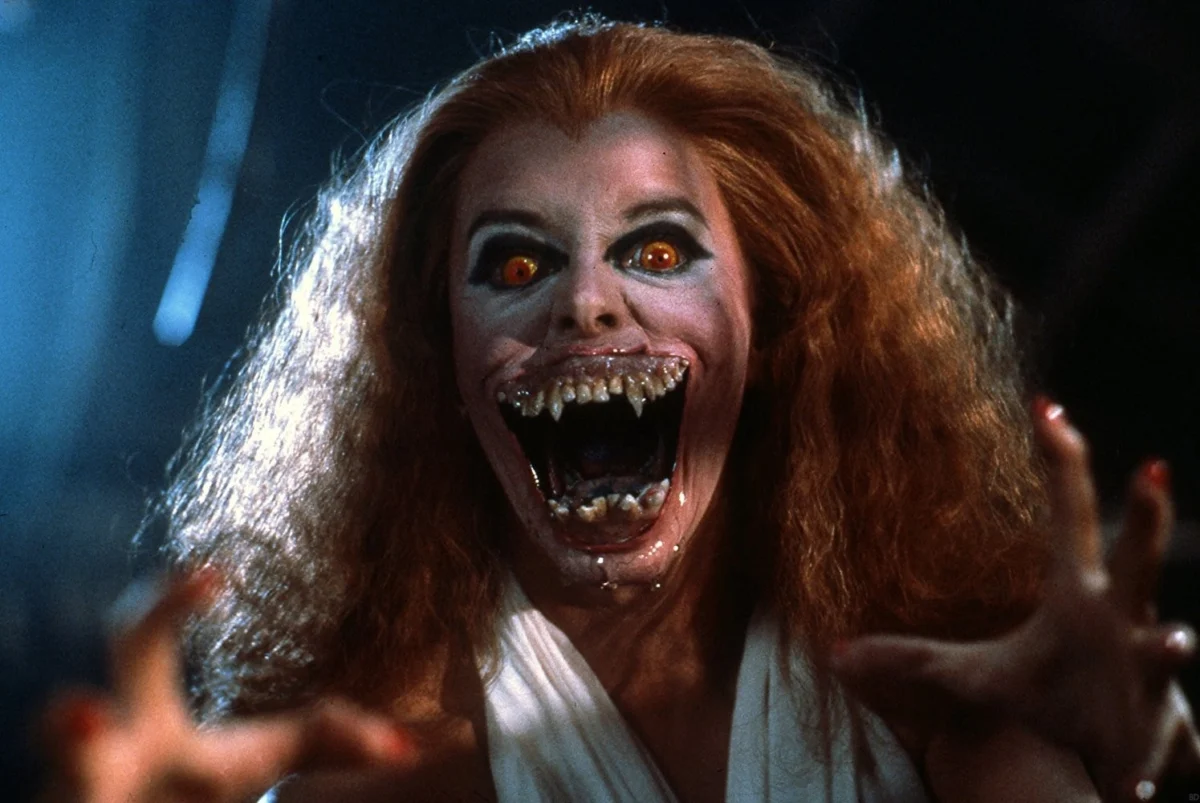
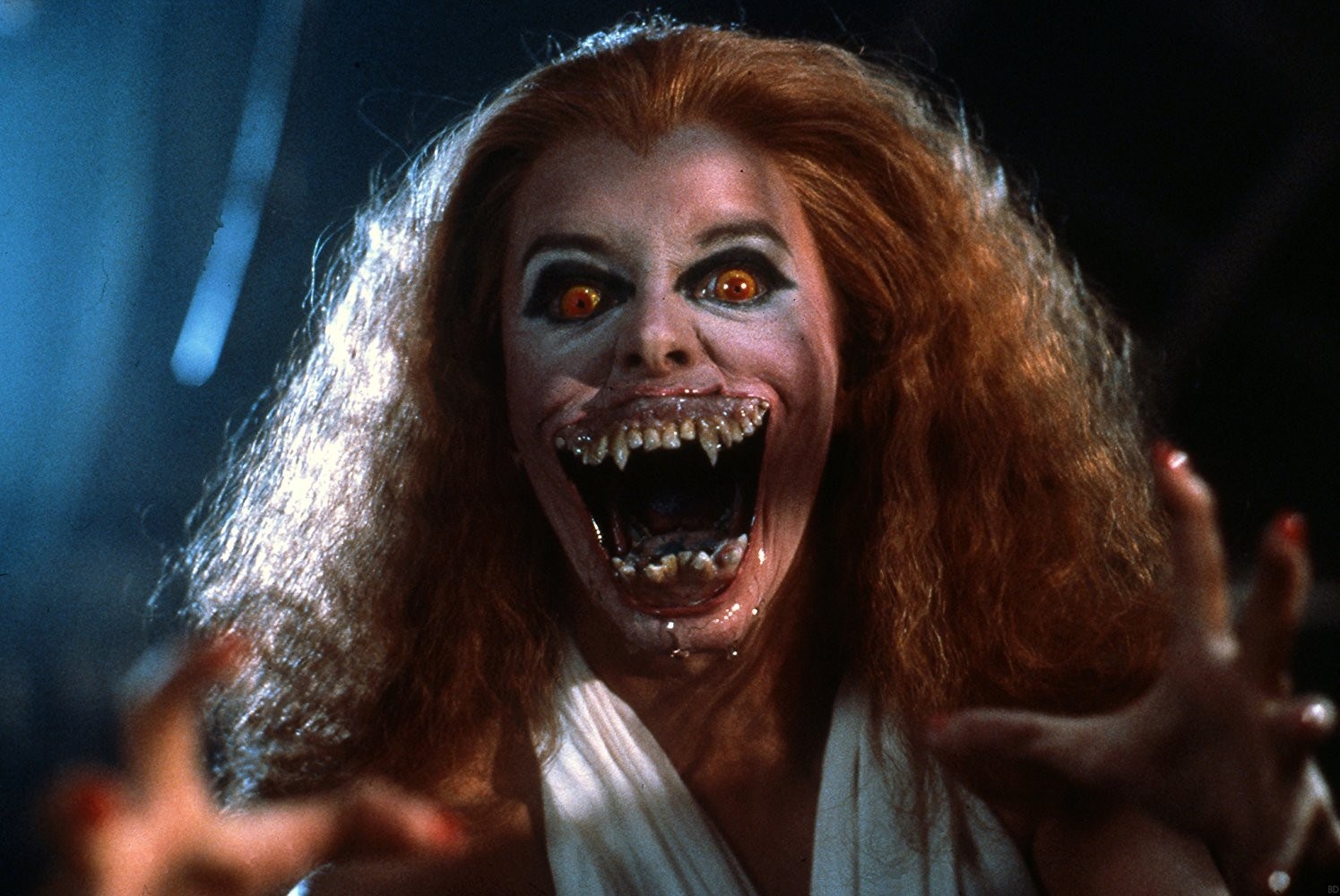
The initial wave of announcements has already generated significant buzz, particularly concerning Midnight X-Men. A newly unveiled cover for the inaugural issue of Midnight X-Men has captured widespread attention for its striking homage to the iconic poster art of Tom Holland’s 1985 vampire classic, Fright Night. This visual connection immediately signals the tonal departure and thematic underpinnings of the "Midnight" line, suggesting a focus on gothic horror, supernatural threats, and perhaps a more visceral, mature approach to these established universes. The cover art, meticulously crafted by Björn Barends, known for his distinctive work on various comic variants, including notable contributions to Absolute Batman and Absolute Catwoman, effectively blends the nostalgic terror of Fright Night with the distinct visual identity of the X-Men. Barends’ ability to evoke a sense of dread and suspense, as demonstrated in his previous works, suggests a keen understanding of how to translate classic horror aesthetics into a modern comic book context.
Thematic Foundations of the "Midnight" Line
The "Midnight" line represents a strategic expansion for Marvel Comics, tapping into the enduring popularity of horror genres within the broader entertainment landscape. This initiative can be seen as a response to a growing audience appetite for darker, more mature storytelling that explores the psychological and existential dimensions of heroism. By recontextualizing established characters within horror frameworks, Marvel aims to attract both existing fans seeking a fresh take on their favorites and new readers drawn to the genre’s inherent thrills.
The core concept of "Midnight" is to explore the hidden, often terrifying aspects that could exist beneath the surface of the Marvel Universe. The tagline, "The light had its turn," accompanying the initial announcement, strongly implies a shift in focus from the heroic to the more shadowed, dangerous elements that lurk in the periphery of these familiar worlds. This suggests an exploration of characters grappling with darker impulses, facing threats that are not merely physical but also psychological and supernatural.
Midnight X-Men: A Descent into Gothic Darkness
The narrative premise for Midnight X-Men as described by Marvel paints a grim picture of a New York City under siege. "The shadows of New York City are stalked by vampires and the mutant empyres," the announcement states, immediately establishing a nocturnal, dangerous atmosphere. This sets the stage for a conflict that transcends typical superhero fare, delving into a world where ancient, bloodthirsty creatures and powerful mutant factions vie for dominance. The description further elaborates on the precarious balance of power: "The sword of Damocles hangs over the peace between these two species and the factions within them. An outright war is brewing and the unturned will be caught in the crossfire." This suggests a complex web of alliances, betrayals, and a looming conflict that threatens to engulf the innocent and the unsuspecting.
The involvement of Jonathan Hickman, a writer celebrated for his intricate plotting and ambitious world-building, particularly in his acclaimed runs on X-Men titles, bodes well for the depth and complexity of Midnight X-Men. His collaborator, Matteo Della Fonte, is expected to bring a visual style that complements the dark, horror-infused narrative, likely emphasizing atmosphere, shadow, and visceral detail. The choice of the X-Men for this initial horror outing is particularly intriguing. The mutant mythos, with its themes of ostracism, fear, and the struggle for acceptance, lends itself naturally to horror narratives. The idea of mutants as both predators and prey, or as beings who must confront supernatural threats that mirror their own societal struggles, offers fertile ground for compelling storytelling.
The Fright Night Homage: A Nod to Horror History
The visual tribute to Fright Night on the Midnight X-Men cover is more than just a stylistic choice; it’s a deliberate signal of intent. Fright Night, released in 1985, was a groundbreaking film that successfully blended horror with comedy and a genuine sense of dread. It centered on a teenager who discovers his new neighbor is a vampire, leading to a terrifying and often darkly humorous confrontation. The film’s iconic poster, featuring a menacing vampire lurking behind a suburban house with a terrified protagonist in the foreground, has become etched in pop culture history.

Björn Barends’ interpretation for Midnight X-Men likely captures the essence of this classic imagery, adapting it to the mutant universe. This suggests that Midnight X-Men might explore themes of hidden monstrosity within seemingly normal environments, the terror of the unknown lurking just beyond the veil of everyday life, and perhaps even a commentary on societal fears and prejudices mirrored in the supernatural threat. The choice of vampires as the primary antagonists, directly referencing Fright Night, also hints at a potential exploration of classic vampire lore within a Marvel context, perhaps with unique twists or adaptations tailored to the mutant world.
Broader Implications of the "Midnight" Line
The launch of the "Midnight" line by Marvel Comics is a significant development for several reasons.
Diversification of Content
Firstly, it signals a deliberate move by Marvel to diversify its publishing portfolio and cater to a wider range of reader preferences. While superhero narratives remain the company’s bread and butter, the success of darker, more mature comic properties from other publishers, as well as the growing popularity of horror and supernatural genres in film and television, suggests a market ripe for such offerings.
Creative Freedom and Innovation
Secondly, this initiative provides a platform for established and emerging creators to explore new creative territories and push the boundaries of existing Marvel characters. Working within a defined horror framework can encourage innovative storytelling and artistic approaches that might not be possible in the mainstream superhero titles. The stated commitment to a "superstar roster of creators" indicates that Marvel is investing significant talent into this venture, aiming for high-quality, impactful stories.

Potential for New Audiences
Thirdly, the "Midnight" line has the potential to attract new readers to Marvel Comics. Horror is a genre with a broad and dedicated fanbase, and by offering familiar characters through a new, terrifying lens, Marvel could entice individuals who might not typically engage with traditional superhero stories. This could lead to a valuable expansion of Marvel’s readership.
Character Reinterpretation and Depth
The "Midnight" line also presents an opportunity for deep character exploration. By placing beloved heroes in high-stakes, terrifying situations, writers can delve into their resilience, their fears, and their capacity for darkness or sacrifice. The inherent vulnerabilities that horror narratives expose can reveal new facets of these characters, adding layers of complexity and psychological depth that might not be explored in their standard adventures. For instance, how would the stoic Wolverine react to a supernatural threat that preys on primal fears? What moral compromises would Captain America be forced to make in a world where survival hinges on embracing the monstrous? These are the kinds of questions that the "Midnight" line promises to explore.
Timeline and Future Prospects
The initial launch in August will set the tone for the entire "Midnight" line. The subsequent success of these three series will undoubtedly influence Marvel’s future plans for this imprint. If Midnight X-Men, Midnight Fantastic Four, and Midnight Spider-Man resonate with audiences, it is highly probable that Marvel will expand the line further, potentially introducing other fan-favorite characters like the Avengers, the Defenders, or even more niche characters into this dark universe.
The strategic rollout with three distinct, high-profile titles suggests a carefully planned launch designed to make a significant impact. The creative teams assembled are renowned for their ability to deliver compelling narratives and captivating art, ensuring that the "Midnight" line is positioned for critical and commercial success from its inception. As August approaches, comic book enthusiasts and horror aficionados alike will be keenly anticipating the moment when the familiar heroes of Marvel step out of the light and into the chilling embrace of the "Midnight" line. The success of this venture could herald a new era for Marvel, one that embraces the darkness and proves that even the brightest heroes can cast the longest, most terrifying shadows. The choice of Fright Night as an inspirational touchstone for the Midnight X-Men cover is a clear indicator that this line is not shying away from its horror roots, aiming to deliver genuine scares alongside its heroic narratives. The full implications of this creative direction will only become clear upon the release of the first issues, but the initial presentation suggests a bold and exciting new chapter for Marvel Comics.