The intersection of adolescence and horror has remained a foundational pillar of television and film for decades, utilizing the supernatural as a visceral metaphor for the psychological turmoil of coming of age. From foundational teen-centric dramas of the late 1990s and 2000s—such as Buffy the Vampire Slayer and Teen Wolf—to cinematic explorations of high school cruelty like Jennifer’s Body and Mean Girls, storytellers have consistently paired teenage vulnerability with extreme peril. Netflix’s newest contribution to this lineage, the eight-part series The Body, attempts to merge Y2K nostalgia, queer sexual awakening, and Catholic iconography with themes of demonic possession, obsession, and mass hysteria. Despite an intriguing premise and a committed ensemble cast, the series ultimately falters under the weight of an overlong runtime and repetitive plotting, failing to fully realize its ambitions as either a psychodrama or a prestige teen thriller.
Chronology and Setting of the Series
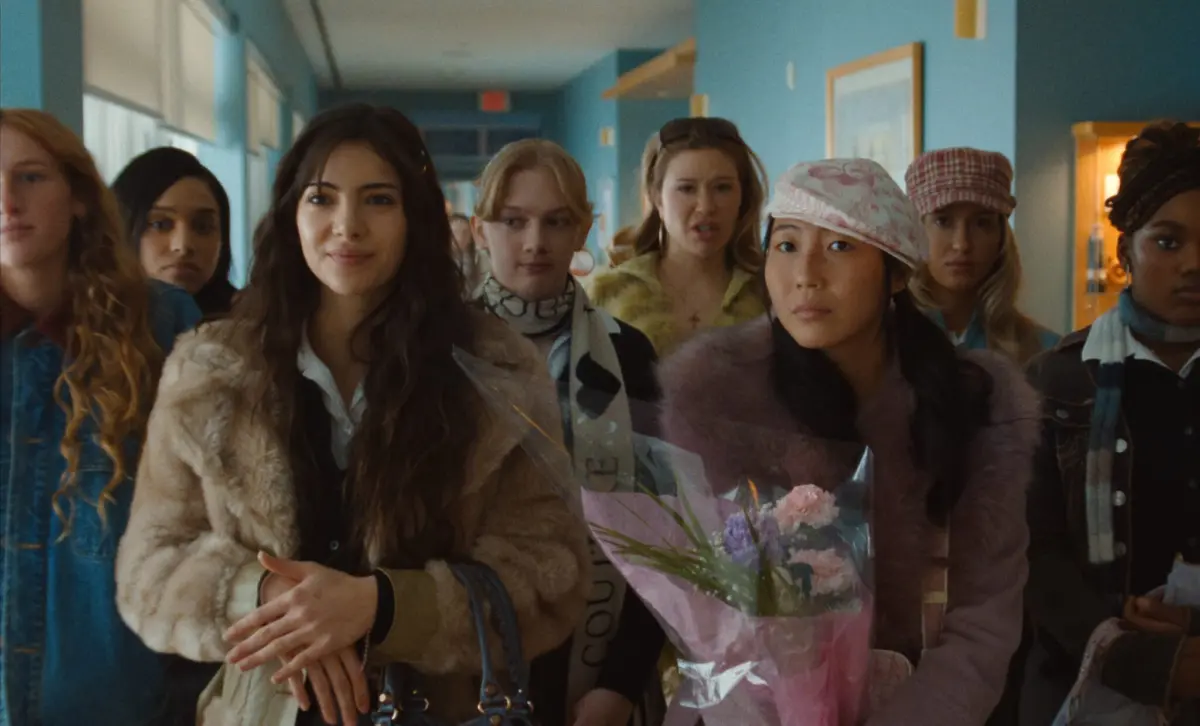
Set against the backdrop of a small-town Catholic high school circa 2004, The Body roots its narrative in a meticulously curated early-2000s aesthetic. The plot centers on the Lions, a nationally successful all-girls dance troupe known for their glittery costumes and high-stakes internal politics. The team is jointly led by golden-girl archetype Anya, portrayed by Kristina Bogic, and rebellious bad-girl Elise, played by Sara Boustany, whose volatile dynamic serves as the emotional axis for the squad.
The chronology of the series accelerates during the annual school tryouts, which introduce two new figures to the social hierarchy: Grace Franklin (Sofia Wylie), the popular niece of the local parish priest, Father Franklin (Nnamdi Asomugha), and Lisbeth Anderson (Geena Meszaros), an outcast from a lower-income background whose family history involves a strict religious splinter group. Although Grace secures a coveted spot on the dance team, Lisbeth is extended a tentative invitation to an exclusive Halloween party hosted by the Lions in an abandoned local landmark known colloquially as the Devil’s House.
During these festivities, the initiation rites for new members escalate as the teenagers consume MDMA and perform a satirical ritual invoking demonic forces. The psychological and narrative turning point occurs the following morning when Grace is discovered unresponsive in her bed. This event sets off a chain reaction of panic, community-wide hysteria, and intense scrutiny from local medical professionals, while Lisbeth strategically manipulates the ensuing vacuum of power to insert herself into the elite social circle of the Lions.
Production Background and Thematic Elements
The Body was developed as a contemporary examination of adolescent psychology, social contagion, and religious fervor, drawing direct aesthetic inspiration from historical phenomena such as the Salem witch trials. Production heavily emphasized period-specific touchstones, incorporating dial-up internet aesthetics, AOL Instant Messenger interfaces, and a soundtrack indicative of mid-2000s indie and pop culture.

Thematically, the series attempts to dissect the boundaries between genuine faith, institutional dogma, and adolescent obsession. According to production notes, the narrative relies on Catholic traditions and iconography to parallel secular rituals of peer acceptance and adolescent ecstasy. The creative team aimed to explore how fear and isolation can rapidly manifest into mass hysteria within a closed institutional environment, utilizing the high school and the surrounding parish as micro-societies where individual identity is systematically suppressed in favor of group conformity.
Cast Performances and Critical Reception
While the series has garnered attention for its atmospheric world-building and strong visual motifs, critical reception regarding its pacing and narrative execution has been mixed. Reviewers have praised the performances of the young ensemble, singling out Kristina Bogic and Sara Boustany for their nuanced portrayal of complex, repressed queer yearning within a rigid religious framework. Similarly, Geena Meszaros has received positive notices for her depiction of Lisbeth’s calculated, single-minded manipulation, alongside Jackson Kelly, whose portrayal of Lisbeth’s sincere and socially isolated brother, Leo, provides a grounded counterweight to the heightened drama of the main cast.
However, industry analysts and television critics have pointed to significant structural flaws. Chief among these criticisms is the series’ extended runtime, which commentators argue dilutes the tension of the narrative. Rather than utilizing its eight-episode order to deepen the character arcs of the supporting cast—such as twins Bailey and Brit Bradley (Kyra Pierce and Phallon Pierce)—the writing relies heavily on broad archetypes without providing sufficient background or individual development. Furthermore, critics note that the series squanders its distinct atmospheric locations, such as the abandoned convent, by failing to integrate the historical lore or environmental tension into the core mystery.
Implications for Streaming Content Trends
The release of The Body highlights a broader strategic trend within modern streaming platforms, particularly Netflix, which continues to heavily invest in young adult genre fiction combining nostalgia, horror, and identity politics. Data from audience measurement firms indicate sustained high demand for content that appeals simultaneously to teenage demographics and older audiences seeking nostalgic throwbacks to the early 2000s.
Yet, the lukewarm critical response to The Body underscores the creative risks inherent in the genre. As audiences become increasingly familiar with subversions of the high school horror trope—exemplified by sharper, more self-aware predecessors—straightforward executions that lack either comedic self-awareness or stylized excess risk alienating viewers. The series concludes with a deliberate cliffhanger designed to secure a second season, leaving the ultimate viability of the franchise dependent on streaming metrics rather than universal critical acclaim. As platforms evaluate the cost-to-viewership ratios of serialized YA dramas, the performance of projects like The Body will likely influence future greenlighting decisions for mid-tier genre television.