The release of Netflix’s four-part limited series adaptation of Lord of the Flies marks a significant return to one of the 20th century’s most enduring literary works, appearing 36 years after the last major cinematic attempt to capture William Golding’s 1954 novel. This latest iteration, spearheaded by acclaimed creator Jack Thorne and director Marc Munden, arrives at a time when the themes of societal collapse and the fragility of democratic norms feel particularly resonant. While the core narrative remains a staple of global education systems—depicting the descent of shipwrecked British schoolboys into tribalism and violence—this production seeks to justify its existence through a deep psychological dive into its central characters and a radical visual language that distinguishes it from previous adaptations in 1963 and 1990.
Historical Context and Evolutionary Adaptation
William Golding’s original novel was written as a cynical response to the optimistic "island adventure" stories of the 19th century, such as R.M. Ballantyne’s The Coral Island. Golding, influenced by his experiences in the Royal Navy during World War II, sought to strip away the veneer of Victorian morality to expose what he believed was the inherent darkness of human nature. Since its publication, the story has become a cultural touchstone, often cited alongside real-world psychological studies like the Stanford Prison Experiment to illustrate the ease with which authority and empathy can be discarded in favor of power.
The 2026 adaptation marks the first time the story has been expanded into a prestige limited series format. Previous films were limited by their two-hour runtimes, often rushing the transition from schoolboy innocence to primitive savagery. By utilizing a four-episode structure, Thorne—the writer behind the Emmy-winning Adolescence—is able to dedicate over an hour to the specific perspective of each primary protagonist: Piggy, Jack, Simon, and Ralph. This structural choice shifts the focus from a general group descent to a more granular examination of individual psychological fractures.
A Character-Driven Chronology
The series is meticulously organized to provide a multi-perspective account of the events on the island, allowing the audience to witness the same timeline through different ideological lenses.
The Foundation of Logic: Piggy’s Perspective
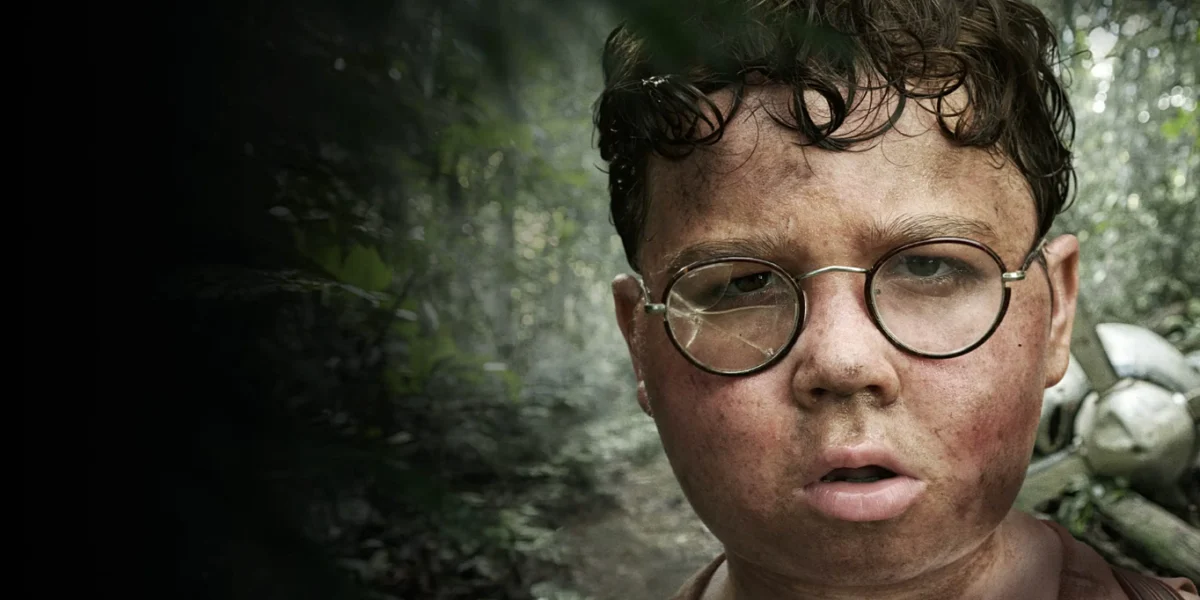
The premiere episode centers on Piggy, portrayed by David McKenna. In this version, Piggy is not merely a victim but the intellectual engine of the group. By beginning the series through his eyes, Munden and Thorne establish the initial hope for a structured, civilized society. The episode focuses on the survival instincts of the boys immediately following the crash, emphasizing the importance of the conch as a symbol of democratic order. McKenna’s performance highlights the vulnerability of logic in an environment that rewards physical dominance, setting a haunting tone for the subsequent episodes.
The Rise of Tribalism: Jack’s Perspective
The second episode shifts focus to Jack, played by Lox Pratt. This segment serves as the ideological antithesis to the premiere. Pratt portrays Jack with an arrogant, power-hungry intensity that recognizes the vacuum of authority and moves aggressively to fill it. The narrative explores the allure of the "hunter" archetype, transitioning from the necessity of gathering food to the ritualistic worship of violence. This episode is noted for its visceral nature, forcing the audience to confront the seductive quality of tribalism and the abandonment of societal constraints.
The Spiritual Witness: Simon’s Perspective
Ike Talbut leads the third episode as Simon, the group’s mystic and moral compass. This chapter introduces a significant departure from the source material: Simon keeps a diary. This narrative device allows for a voiceover that provides intimate access to his internal reflections, bridging the gap between the boys’ former lives in Britain and their current reality. The diary serves as a repository for the emotional texture of their pasts, making Simon’s eventual discovery of the "Beast" even more tragic. The episode utilizes Simon’s isolation to explore the psychological toll of witnessing the group’s moral decay.
The Burden of Leadership: Ralph’s Perspective
The series concludes with Ralph’s viewpoint, played by Winston Sawyers. As the elected leader, Ralph represents the struggle to maintain civilization against the tide of chaos. This final chapter incorporates extensive flashbacks to the boys’ lives before the island, a creative decision by Thorne to explore the "nature versus nurture" debate. These glimpses into their upbringing provide context for their actions on the island, suggesting that the seeds of their behavior were sown long before the crash. The finale culminates in the inevitable clash between Ralph’s democratic ideals and Jack’s dictatorial rule, though the series chooses to linger on the emotional weight of the violence rather than its shocking abruptness.
Technical Execution and Visual Language
The production’s technical elements are designed to create an immersive, often claustrophobic experience. Filmed on location in Malaysia, the setting provides a lush, uncompromising backdrop that contrasts sharply with the desaturated, bleak aesthetic of the British flashbacks.

Cinematography and Color Grading
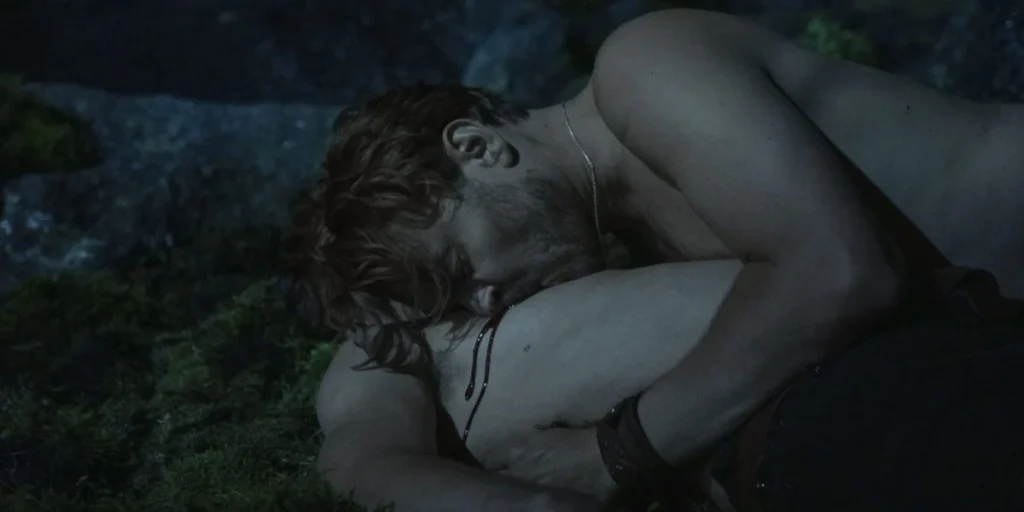
Director Marc Munden employs a documentary-style gaze, utilizing distorted and slightly blurred camerawork to heighten the sense of disorientation. The use of a fisheye-like perspective in several sequences creates an overwhelming intensity, effectively putting the viewer in the headspace of the traumatized children. The color grading is a narrative tool in itself:
- Reds: Used to signify the encroachment of violence and the spilling of blood.
- Greens: Represent the overwhelming, indifferent power of nature.
- Blues: Evoke the isolation of the ocean and the despair of the boys’ situation.
Prolonged close-ups on the actors’ faces emphasize the loss of childhood innocence, making the tragedy feel personal rather than abstract.
Soundscape and Score
The auditory landscape is crafted by a powerhouse trio: Hans Zimmer, Kara Talve, and Cristobal Tapia de Veer. The score blends traditional orchestral arrangements with electronic synthesizers, creating a massive, atmospheric sound that mirrors the island’s beauty and its terror. Notably, the production utilizes silence as effectively as sound, with key moments of violence occurring in total quiet to amplify their impact.
Industry Impact and Critical Analysis
The adaptation arrives at a time when "survivalist" media is experiencing a resurgence, with shows like Yellowjackets and The Wilds having already explored similar territory. However, Thorne’s Lord of the Flies distinguishes itself by returning to the original source of these tropes with a modern psychological rigor.
Analysis of Implications
By focusing on the "why" behind the boys’ actions—specifically through the lens of toxic masculinity and the anxieties of boyhood—the series positions itself as a critique of contemporary social structures. The inclusion of flashbacks suggests that the "darkness" Golding wrote about is not just an inherent human trait but something cultivated by the environments in which children are raised. This shift from pure "nature" to a blend of "nature and nurture" makes the story feel more relevant to 2026 audiences, who are increasingly aware of the impact of systemic influences on individual behavior.
Official Responses and Production Notes
While official statements from the estate of William Golding have been limited, the production team has emphasized their desire to remain "spiritually faithful" to the book while acknowledging the need for a modern perspective. Jack Thorne stated in production notes that he was drawn to the project by the opportunity to explore the psychological unraveling of the children in a way that felt "visceral and animalistic." Director Marc Munden added that the visual style was intended to make the viewer feel like an "unwilling observer" to the tragedy.
Award Prospects and Future Outlook
The series is widely considered a frontrunner for the upcoming awards season. Industry analysts have identified several categories where the show is expected to compete:
- Outstanding Limited or Anthology Series: Due to its high production values and prestige pedigree.
- Outstanding Directing for a Limited Series: For Marc Munden’s innovative visual approach.
- Outstanding Writing for a Limited Series: For Jack Thorne’s character-centric restructuring of the classic text.
- Acting Categories: Specifically for Lox Pratt and Winston Sawyers, whose performances have been lauded for their maturity and intensity.
Despite the technical success and critical acclaim, the consensus among reviewers suggests that this may be the definitive adaptation for the foreseeable future. The story’s brutal power is fully realized here, leading many to conclude that after four separate film and television versions, the narrative has given everything it possibly can to the medium.
Netflix’s Lord of the Flies is a polished yet gritty reimagining that understands the timelessness of its source material. By digging deeper into the emotional nuances of its characters and employing an aggressive, dreamlike visual design reminiscent of Apocalypse Now, it creates an experience that is as terrifying as it is mesmerizing. It stands as a stark reminder of the thin line between civilization and savagery—a message that, while decades old, continues to find a dark resonance in the modern era.