The enduring narrative of A.J. Quinnell’s 1980 novel, Man on Fire, has once again found a new life, this time as a Netflix series, charting a distinct course from its celebrated predecessors. Under the stewardship of showrunner Kyle Killen, known for his work on Halo, this latest adaptation endeavors to differentiate itself not merely through relocation or a fresh cast, but through a comprehensive expansion of its protagonist’s deeply troubled psyche and the intricate web of his world. Departing from previous film versions, the series broadly draws inspiration from both Quinnell’s original Man on Fire and its sequel, The Perfect Kill, while delving into the shadowed past of John Creasy from its very outset. The series opens on a pivotal, catastrophic mission that leaves the ex-CIA mercenary, now a PTSD-afflicted wanderer, profoundly scarred, before propelling him into a desperate existence as a gun-for-hire in the vibrant yet perilous landscape of Rio de Janeiro.
A Legacy of Vengeance and Redemption: The Enduring Appeal of John Creasy
The story of John Creasy, a man haunted by his past and driven to extreme measures to protect the innocent, has captivated audiences for decades. A.J. Quinnell’s novel, first published in 1980, introduced readers to this complex character, a former French Foreign Legionnaire turned bodyguard, who finds a flicker of redemption in protecting a young girl, only to be consumed by a brutal quest for vengeance when she is taken from him. The novel’s raw depiction of violence, its exploration of guilt, and the intense emotional bond between Creasy and his charge struck a chord, establishing a template for the protector archetype in popular culture.
The first cinematic adaptation arrived in 1987, starring Scott Glenn as Creasy and directed by Elie Chouraqui. While it captured the essence of Quinnell’s grim tale, relocating the events from Italy to Naples, Italy, it garnered a mixed reception. Critics acknowledged Glenn’s intense portrayal but found the film’s execution somewhat lacking in the visceral impact that would later define its more famous successor.
It was Tony Scott’s 2004 film, starring Denzel Washington, that truly cemented Man on Fire as a cultural phenomenon. Scott’s hyper-stylized direction, characterized by its kinetic editing, saturated color palette, and innovative use of visual effects, perfectly complemented Washington’s towering performance as Creasy. The film, which moved the setting to Mexico City, was a critical and commercial success, earning over $130 million worldwide and becoming a benchmark for action thrillers. Washington’s portrayal of Creasy, a man teetering on the brink of despair who finds purpose in protecting the spirited Pita Ramos (played by Dakota Fanning), resonated deeply with audiences. His methodical, ruthless, and emotionally charged pursuit of those responsible for Pita’s abduction became iconic, influencing countless action films that followed. The film’s stylistic choices, particularly its aggressive handheld camera work and use of desaturated colors punctuated by vivid hues, became synonymous with its emotional intensity and Creasy’s psychological state.
The challenge for any new adaptation, particularly one following the widely beloved 2004 film, lies in honoring the source material while forging its own identity. Netflix’s decision to greenlight a series format suggests an ambition to delve deeper into Creasy’s world, offering an extended narrative canvas that a two-hour film simply cannot accommodate. This allows for a more gradual exploration of his backstory, the nuances of his relationships, and the broader conspiracy he unravels.
The Genesis and Production of Netflix’s Vision
The journey to bring Man on Fire to Netflix as a series began with the recognition of the story’s enduring appeal and the streaming giant’s commitment to delivering high-stakes, character-driven thrillers to its global audience. Showrunner Kyle Killen was tasked with reimagining the narrative for a contemporary, episodic format. Killen’s vision, as evidenced by the series’ opening, was to foreground Creasy’s internal struggles and the traumatic events that shaped him long before he became a guardian. This departure immediately sets the series apart, offering a psychological depth that previous adaptations, constrained by time, could only hint at.
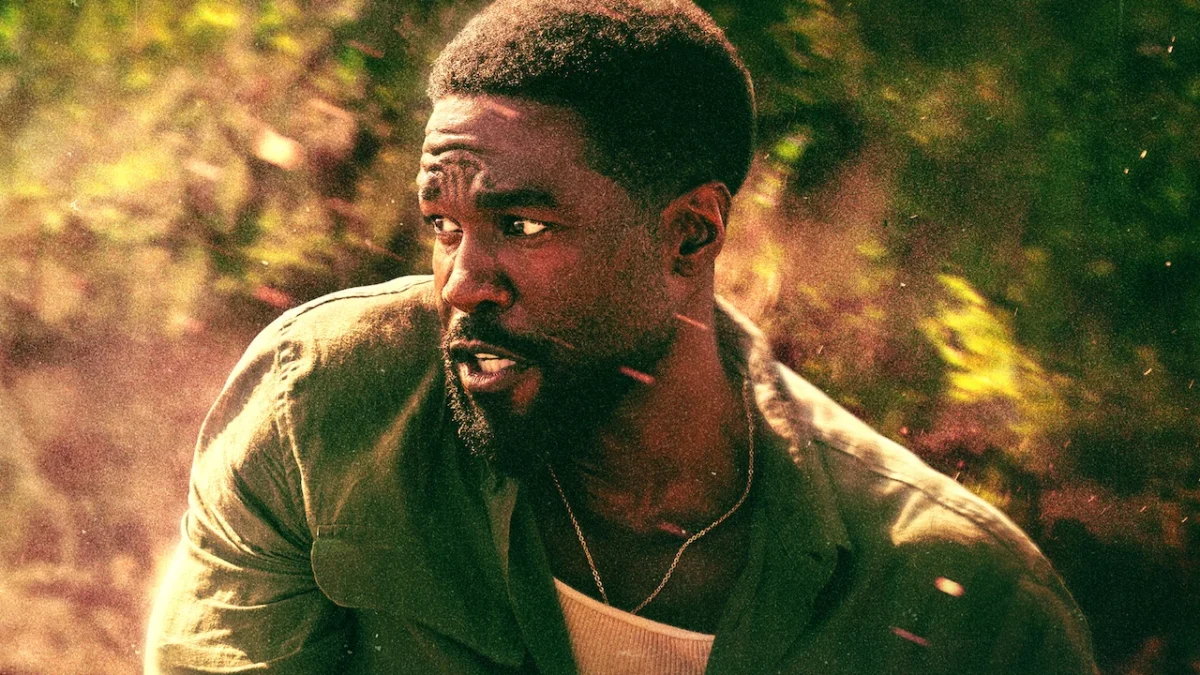
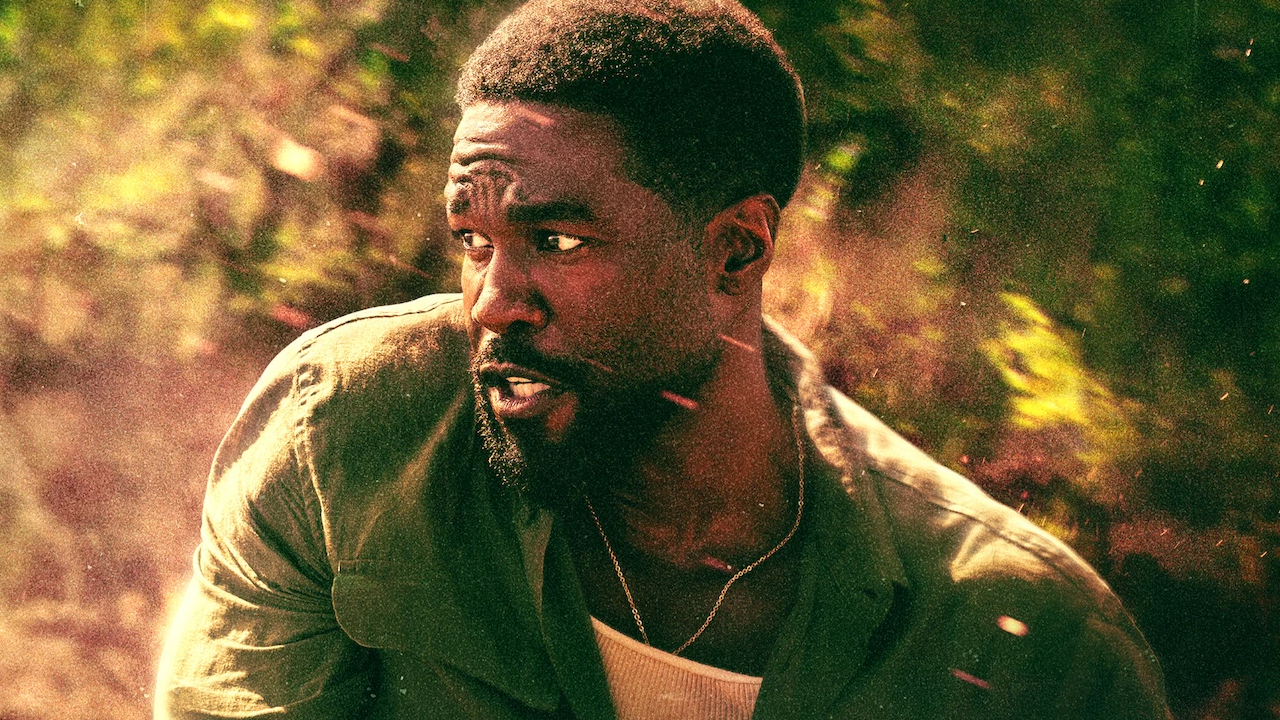
The casting of Yahya Abdul-Mateen II as John Creasy was a significant decision, placing an actor known for his compelling presence and versatility in a role previously defined by cinematic legends. Abdul-Mateen II, who has already demonstrated his ability to step into iconic shoes with his portrayal of Morpheus in The Matrix Resurrections, brings a fresh interpretation to the character, balancing Creasy’s inherent sensitivity with his capacity for brutal violence. His casting signaled Netflix’s intent to deliver a performance-driven series that could stand on its own.
The series’ relocation to Rio de Janeiro is another strategic choice, offering a fresh backdrop that is both visually stunning and inherently fraught with social and economic complexities, providing a rich, albeit potentially dangerous, environment for Creasy’s mission. Production of such a large-scale international series, as indicated by the April 2026 release timeframe inferred from promotional materials, involved extensive logistical planning, encompassing on-location shooting, intricate action choreography, and the assembly of a diverse international cast and crew. The selection of Rio undoubtedly contributed to the production’s ambitious scope, aiming to capture the city’s unique energy and atmosphere as an integral part of the storytelling.
An Expanded Canvas: Narrative Nuances and Character Dynamics
The core premise remains steadfast: Creasy is charged with the protection of a young girl. This time, it is Poe (Billie Boulet), the daughter of his friend Paul Rayburn (Bobby Cannavale). However, the catalyst for Creasy’s protective instincts is tragically altered. Instead of a kidnapping, Poe’s family is killed in a bombing of their condominium, propelling Creasy into a more immediate and visceral quest for revenge, while also placing Poe directly in his care under more desperate circumstances.
Killen’s adaptation is ambitious in its narrative scope, weaving "more interlocking plots, more character arcs that dovetail with the main story, more people swept up in the carnage of Creasy’s personal mission." This expansion allows for a broader exploration of the criminal underworld, governmental corruption, and the personal stakes for various characters caught in Creasy’s orbit. While this approach enriches the world-building, it also presents a challenge, as some of these embellishments can initially feel "superfluous," potentially distracting from the intense, singular focus of Creasy’s vengeance that defined the earlier film adaptations. However, as the series progresses and these "disparate threads" begin to converge, Killen’s efforts to distinguish this series from its cinematic predecessors become more apparent and, for the most part, rewarding. The ensemble cast, including figures like Daniel Xavier, Iago Xavier, Reinaldo Junior, and Alice Braga as Valeria Melo, helps humanize the wider array of characters, lending depth to both allies and antagonists as they confront an increasingly terrifying Creasy.
Stylistic Homage and Departures: The Visual and Aural Landscape
The visual language of the Netflix series consciously echoes Tony Scott’s 2004 film, a clear nod to its iconic predecessor. The use of widescreen framing, the dynamic sway of handheld camerawork, and the deliberate contrast and saturation of its color tones are all stylistic choices that invoke the spirit of Scott’s work. This homage serves to connect the new series to a familiar aesthetic, potentially drawing in fans of the Denzel Washington film.
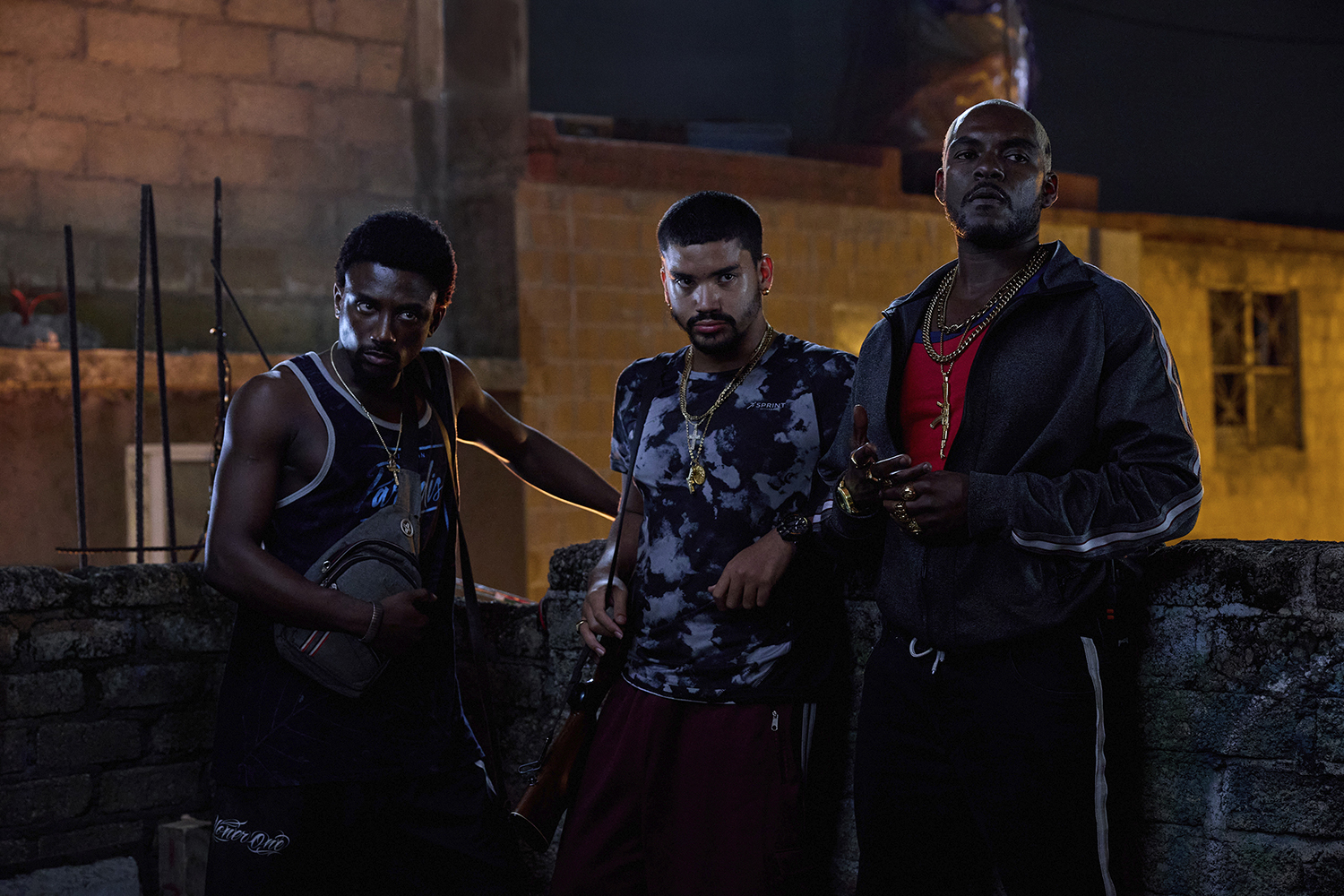
However, the review points out that while the influence is evident, the series’ execution is "perhaps less vivid and far less visually distinct from the editing rhythms of Scott’s film." This suggests that while the series attempts to replicate the mood, it may not fully capture the same level of innovative visual storytelling or unique identity that made Scott’s film so memorable. Furthermore, the criticism extends to the score, which is described as "incredibly generic." In a genre where a compelling soundtrack can significantly elevate tension and emotional impact, a generic score can be a substantial drawback, contributing to "stylistic misfires" that "accumulate and drag the show down."
Despite these criticisms, the series does manage to capture some of the "pulpy spirit of the book," particularly in its action sequences. Moments like a "gunfight at an airfield which ends in some rather wild improvisation" are highlighted as satisfying for fans, indicating that when the series leans into its core strengths, it delivers the visceral thrills expected from a Man on Fire adaptation. The "bloody, bone-crunching violence" is praised, ensuring that the brutal effectiveness of Creasy’s methods remains a central, impactful element.
Yahya Abdul-Mateen II’s Interpretation: A New Facet of Creasy
Yahya Abdul-Mateen II steps into the role of John Creasy with a formidable presence, bringing a distinctly nuanced interpretation to the character. His performance is described as both "glowering and tortured," consistently keeping Creasy’s "emotional conflict in plain view, even as nothing is being said." This ability to convey deep internal struggle through non-verbal cues is crucial for a character like Creasy, who is often reserved and brooding. Abdul-Mateen II’s portrayal emphasizes Creasy’s "sensitivity" alongside his "capability for beastly violence," presenting a man grappling with monstrous urges he desperately tries to suppress. This internal battle for control, fueled by guilt and PTSD from his past, provides a compelling emotional core for the series.
Physically, Abdul-Mateen II’s "towering frame" is effectively integrated into the action choreography, making Creasy a truly intimidating force. The description of "blunt objects seem to just bounce off him" underscores his physical dominance and resilience, making his confrontations with hired goons, who are often "more out of their depth than they know," thoroughly enjoyable to watch. His composure in both intense action sequences and "rather intense interrogation scenes" further solidifies his credibility as a "convincing force to be reckoned with."
A significant departure from Denzel Washington’s Creasy is Abdul-Mateen II’s character’s relationship with Poe. While Washington’s Creasy was grim and closed-off, requiring a gradual thawing through Pita’s persistent efforts, Abdul-Mateen II’s Creasy is presented as "more communicative and understanding of Poe and her relationship with her father." This alters the emotional journey, as he offers "the kind of emotional support that had to be fought for in the original story and its adaptations" from the outset. This choice, while aiming to create a different "emotional shell to be pierced," can lead to a "muddled" emotional arc, as the fundamental conflict of Creasy learning to care is somewhat pre-empted.
However, the dynamic between Abdul-Mateen II and Billie Boulet as Poe still yields important moments. Poe "braves her own side stories separate from Creasy’s mission of revenge," suggesting a more active role for the young girl, while Creasy’s rare "cracks a smile" moments retain their significance. The criticism, however, notes that the series sometimes "leans on these characters speaking the subtext aloud, not quite trusting the audience to infer from how they react," which can detract from the subtlety of the performances.
Critical Reception and Broader Implications
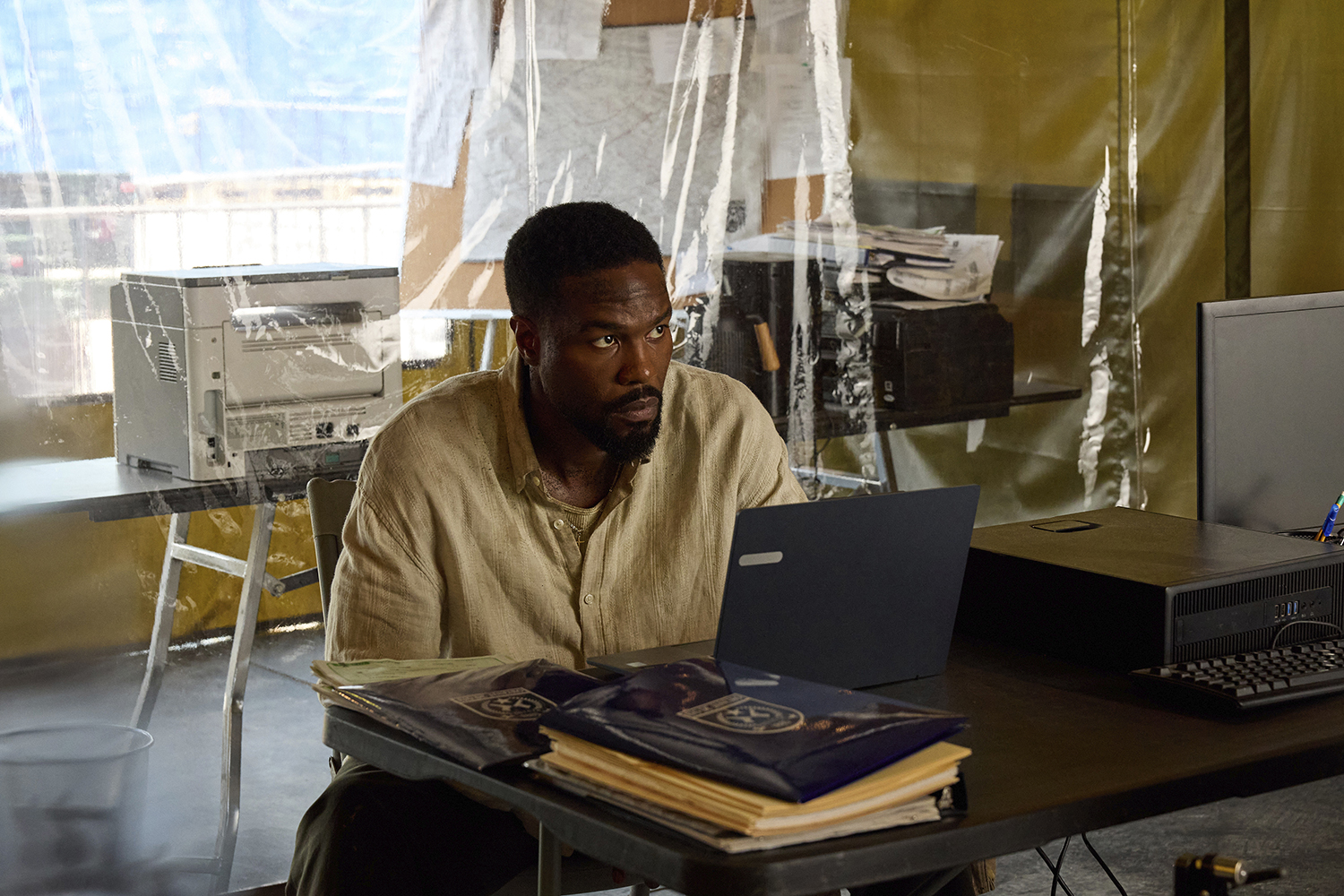
The Netflix Man on Fire series finds itself in a challenging position, balancing the legacy of a beloved novel and an iconic film with the ambition to forge its own path. The review’s verdict reflects this struggle: while it succeeds in delivering the "basic thrills of an unsuspecting criminal network (and government operatives) suffering the wrath of a man capable of matching their brutality," it sometimes "misses the straightforwardness of past adaptations as well as their visual dynamism."
For Netflix, the series represents another strategic investment in established intellectual property, a common tactic for streaming platforms seeking to attract and retain subscribers globally. The episodic format allows for prolonged engagement and the potential for multiple seasons, which could explore more facets of Creasy’s world and the aftermath of his actions, a luxury not afforded to feature films. The international setting and diverse cast also align with Netflix’s global content strategy, aiming to appeal to a wide array of cultural sensibilities.
The series’ performance will also have implications for the action genre on streaming platforms. As audiences increasingly gravitate towards long-form storytelling, the ability to sustain tension, character development, and compelling action sequences across multiple episodes becomes paramount. Man on Fire serves as a case study in how a classic revenge narrative can be expanded for the serial format, demonstrating both the opportunities and pitfalls of such an undertaking.
For Yahya Abdul-Mateen II, this role further solidifies his standing as a leading man capable of carrying a complex, action-heavy narrative. His performance is undoubtedly a highlight, providing the emotional anchor for the series and demonstrating his range as an actor. The enduring appeal of vigilante narratives, with their themes of justice, redemption, and the blurred lines between hero and monster, ensures that stories like Man on Fire will continue to be retold, evolving with each generation’s interpretation.
In conclusion, Netflix’s Man on Fire series is a commendable, if imperfect, addition to the franchise. It bravely attempts to stand apart from its predecessors through an enriched narrative and a deeper exploration of its protagonist’s trauma. While it occasionally stumbles in its stylistic choices and narrative pacing, the powerful performance of Yahya Abdul-Mateen II and the preservation of the story’s core brutal thrills ultimately make it a worthwhile watch for fans of the original material and newcomers alike, carving out its own distinct, fiery mark in the legacy of John Creasy.