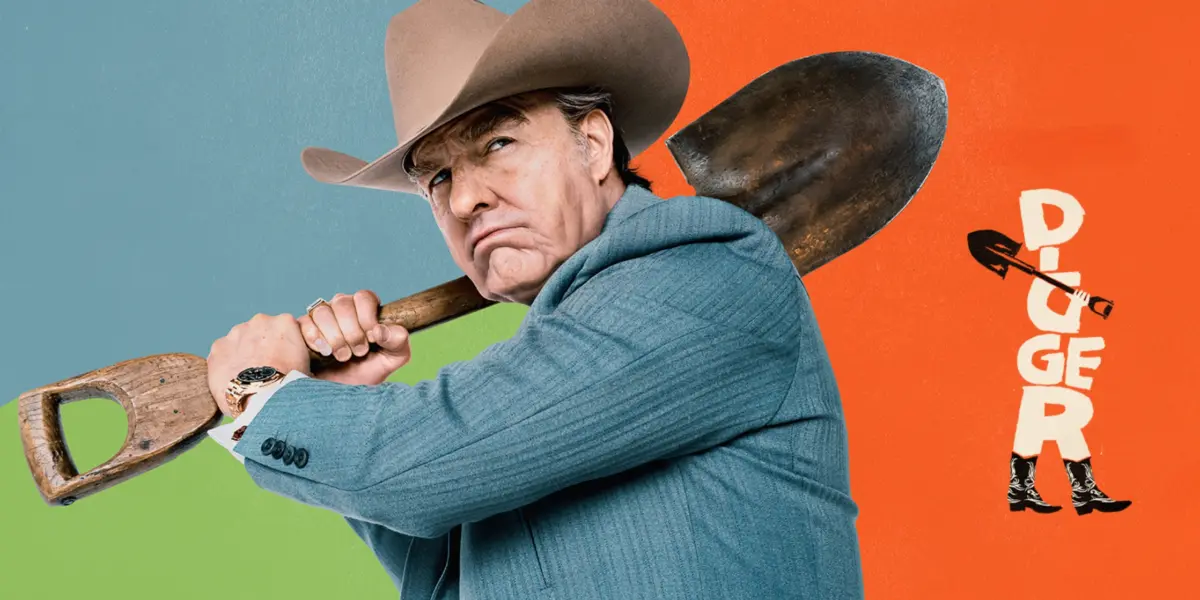
The landscape of modern cinema is experiencing a profound paradigm shift, marked by the release of Alejandro González Iñárritu’s newest feature film, Digger. Released under the historic banner of Warner Bros. as the final independent film produced by the studio after 103 years of operation, the picture has immediately ignited fierce debate across the global film community. To dissect this monumental cinematic event, the Next Best Picture Podcast assembled a panel of prominent film critics and commentators, featuring Megan Lachinski, Josh Parham, Cody Dericks, and Tom O’Brien. In a comprehensive, spoiler-heavy review, the discussion explores every facet of Iñárritu’s ambitious undertaking, from its thematic resonance and narrative twists to its stellar ensemble cast and technical execution.
As audiences and critics grapple with the film’s unconventional tone, the discussion sheds light on why Digger has become one of the most polarizing releases of the decade. Marketed boldly as a cinematic litmus test—asking viewers to decide independently whether the picture is a staggering artistic misfire or a timeless masterpiece—the film defies easy categorization. The Next Best Picture panel dives deep into these divided receptions, offering a nuanced breakdown of the storytelling risks taken by the four-time Academy Award-winning director.
The Production and Historical Significance of Digger
To fully understand the weight of Digger, industry analysts must examine the unique historical context surrounding its distribution. Warner Bros., a cornerstone of Hollywood studio history founded in 1923, entered a new corporate era following its final months operating as a fully independent studio entity. The release of Iñárritu’s film serves as a symbolic bookend to a century of filmmaking traditions, making the choice of such a provocative, high-risk project an ironic and fitting punctuation mark for the studio.
Alejandro González Iñárritu, renowned for helming emotionally heavy, masterfully crafted dramas such as Birdman, The Revenant, Babel, and Biutiful, made a sharp departure from his traditional oeuvre with Digger. Rather than leaning into grim realism or psychological trauma, the director opted for an environmental comedy—a genre notoriously difficult to balance without alienating audiences or trivializing its core message. Yet, in an era marked by escalating climate anxiety and socio-political polarization, the film’s underlying commentary on ecological collapse and human absurdity feels strikingly urgent.
An All-Star Ensemble Cast and Stellar Technical Crew
Digger boasts one of the most formidable ensemble casts assembled in contemporary cinema, a factor heavily emphasized during the Next Best Picture podcast review. Leading the charge is global icon Tom Cruise, whose performance has been a primary talking point for both detractors and champions of the film. Known primarily for practical-effects-driven blockbuster action over the past two decades, Cruise’s venture into high-concept satirical comedy under Iñárritu’s direction represents a daring career pivot.
Alongside Cruise, the film features an acclaimed supporting roster including Riz Ahmed, John Goodman, Sandra Hüller, Michael Stuhlbarg, and Jesse Plemons. Each performer brings distinct weight to the narrative, navigating the tricky tonal shifts required by a script that balances dark humor with stark environmental realities. The podcast panel dedicates substantial time to evaluating how these seasoned actors ground the film’s eccentricities, particularly as the plot advances toward its much-discussed, shocking narrative twist.
Behind the camera, Iñárritu reunited with legendary three-time Academy Award-winning cinematographer Emmanuel Lubezki. The collaboration between Iñárritu and Lubezki—which previously yielded technical and critical triumphs on Birdman and The Revenant—is once again on full display in Digger. The podcast panel explores how Lubezki’s breathtaking camera work captures the juxtaposition of pristine natural landscapes and the scars left by industrial intrusion. Complemented by intricate and creative production design, the visual craft of the film serves as an anchor, ensuring that even when the narrative threatens to careen off the rails, the aesthetic execution remains world-class.
Critical Polarization and the Market Response

True to its promotional campaign, Digger has achieved the rare feat of dividing professional film critics and general audiences almost down the middle. Early festival screenings and theatrical rollouts were met with walkouts and ecstatic standing orders alike, creating a rare atmosphere of cinematic unpredictability.
The division largely centers on the film’s refusal to preach or offer simple moral takeaways regarding the environment. Instead, Iñárritu utilizes satire and absurdism to expose human complicity in ecological degradation. While some critics have lauded this approach as a brave, necessary subversion of typical Hollywood eco-messaging, others have argued that the tonal volatility undermines the severity of the crisis it seeks to address.
During the podcast discussion, the critics confront these disparate viewpoints head-on. By analyzing the structural choices of the screenplay and the pacing of the narrative, the panel attempts to decode why the film resonates profoundly with some viewers while alienating others. This discourse reflects a broader trend in modern film consumption, where risky, auteur-driven swings are increasingly subjected to hyper-polarized public discourse amplified by social media platforms.
The Broader Implications for Auteur Cinema and Studio Executions
The release of Digger and its subsequent reception carry significant implications for the future of high-budget auteur-driven cinema within major Hollywood studios. As media conglomerates increasingly prioritize risk-averse intellectual property, shared universes, and algorithmic content development, the greenlighting of an expensive, satirical environmental comedy directed by an international visionary like Iñárritu is an increasingly rare occurrence.
Furthermore, the film’s status as the final independent release from Warner Bros. underscores the changing financial and structural realities of the entertainment industry. Studio executives are watching closely to see how high-risk, non-IP projects perform financially and critically in a theatrical landscape dominated by franchise fatigue and shifting audience habits. If Digger ultimately stands the test of time, it could serve as a vital argument for the continued necessity of creative gambling within major studio pipelines. Conversely, if its polarizing reception dampens its long-term commercial legacy, risk-averse studio strategies may become even more entrenched.
Next Best Picture Podcast Integration and Network Support
As a premier destination for film awards analysis and cinematic discussion, the Next Best Picture Podcast continues to solidify its standing within the digital media landscape. Operating as a proud member of the Evergreen Podcasts Network, the platform offers listeners comprehensive weekly reviews, box office breakdowns, and exhaustive Oscar tracking.
The episode dedicated to Digger is currently available across all major podcast streaming platforms, as well as in a dedicated video format via YouTube. By fostering a collaborative environment where critics with diverse perspectives can debate contentious films without consensus pressure, the podcast provides an invaluable service for cinephiles navigating an increasingly complex cinematic ecosystem.
Listeners seeking to support the platform can access exclusive, ad-free content and extended analytical episodes by joining the Next Best Picture Patreon community. Through ongoing community engagement, the platform ensures that passionate discussions surrounding challenging, boundary-pushing cinema like Digger continue to thrive in the public sphere.