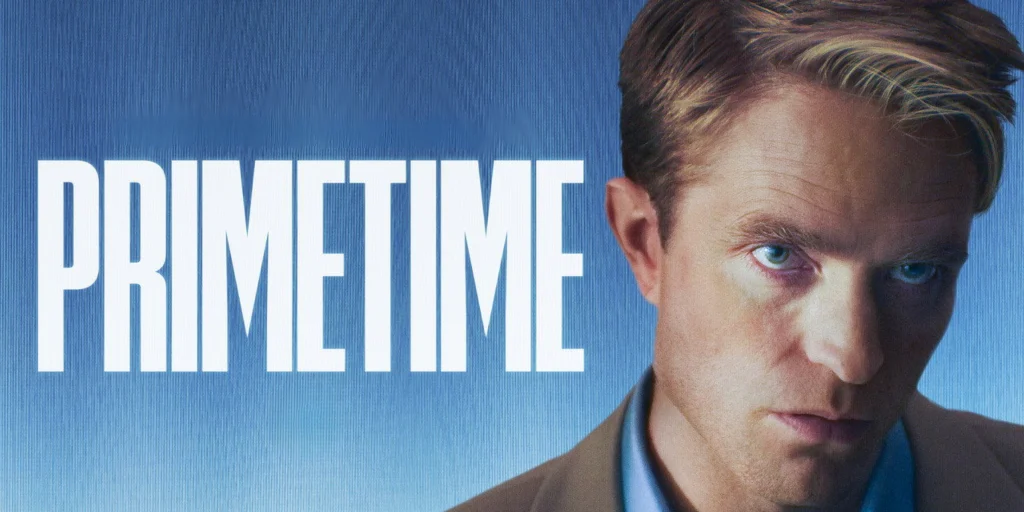
The landscape of modern cinematic adaptations expanded significantly following the world premiere of the narrative feature debut Primetime at the prestigious Venice International Film Festival. Directed by acclaimed documentarian Lance Oppenheim, the film has quickly emerged as one of the most talked-about projects of the festival circuit. To dissect the cultural, technical, and narrative implications of this new release, the Next Best Picture Podcast dedicated its flagship weekly episode to a comprehensive, spoiler-filled analysis. Host Matt Neglia was joined by critics and film commentators Ema Sasic, Dan Bayer, Megan Lachinski, Larry Fried, and Lauren LaMagna to evaluate every facet of the production, ranging from its screenplay and performances to its cinematography and editing choices.
The feature-length project boasts a high-profile ensemble cast led by Robert Pattinson, who takes on the complex central role of television host Chris Hansen. Alongside Pattinson, the film features performances by Merritt Wever, Skyler Gisondo, and musician-turned-actress Phoebe Bridgers. The narrative architecture of Primetime is directly inspired by print journalism, drawing its foundational plot from Luke Dittrich’s explosive 2007 Esquire magazine article titled "Tonight on Dateline This Man Will Die." Rather than functioning as a standard biographical drama, Oppenheim’s film chronicles the high-stakes, ethically murky behind-the-scenes production of the trailblazing reality television series "To Catch a Predator."
Background Context and Source Material
The genesis of Primetime traces back to a distinct era of American television history when true-crime journalism, tabloid culture, and reality television intersected with unprecedented, often controversial results. "To Catch a Predator," which aired on NBC as a recurring segment on "Dateline NBC" beginning in 2004, captivated millions of viewers while simultaneously sparking fierce debate regarding journalistic ethics, vigilantism, and the spectacle of public shaming. Host Chris Hansen became a household name, transforming from a traditional investigative journalist into a pop-culture icon of law and order.
Luke Dittrich’s 2007 Esquire piece provided a granular, behind-the-curtain look at the frantic logistical machinery required to mount these televised stings. Dittrich explored the psychological toll on the production crew, the legal tightropes navigated by producers, and the bizarre convergence of entertainment and real-world law enforcement. When adaptation rights were secured, industry observers immediately recognized the cinematic potential of the material, particularly given its commentary on media sensationalism and the public’s insatiable appetite for televised justice.
By casting Robert Pattinson as a fictionalized or heavily stylized iteration of Chris Hansen, Oppenheim tapped into one of contemporary cinema’s most versatile leading actors. Pattinson, known for his penchant for eccentric, challenging auteur-driven projects—ranging from "The Lighthouse" and "Good Time" to "Tenet" and "The Batman"—brought a distinct intensity to the role. The inclusion of Merritt Wever, Skyler Gisondo, and Phoebe Bridgers further rounded out an ensemble designed to bridge the gap between gritty realism and stylized satire.
Festival Reception and Critical Response
Primetime made its highly anticipated global debut at the Venice International Film Festival, a platform renowned for launching awards-season contenders and critically acclaimed art-house features. Early reviews from festival correspondents praised the film for its stylistic audacity, brisk pacing, and refusal to offer simplistic moral comfort. Critics highlighted Lance Oppenheim’s seamless transition from documentary filmmaking—where he previously made waves with projects like "Some Kind of Heaven" and "The Happiestest Guy in the World"—to narrative feature direction.

During the Next Best Picture Podcast review, the panel extensively discussed Oppenheim’s directorial choices, noting how his background in documentary aesthetics heavily influenced the narrative feature’s visual language. The podcast participants analyzed the cinematography, which mirrors the claustrophobic, hyper-vigilant framing of hidden-camera television production while maintaining the polished look of a high-end cinematic release. Furthermore, the panel commended the screenplay penned by Ajon Singh, which successfully translates the dense reporting of Dittrich’s magazine article into a propulsive, dramatic narrative arc.
Technical elements also took center stage during the discussion. The podcast contributors evaluated the film’s editing, noting how rapid cuts and rhythmic pacing replicate the breathless adrenaline of live television production coupled with the mounting dread of an unfolding sting operation. Performances across the board, particularly Pattinson’s uncanny and multifaceted portrayal of the central television host, were singled out as major strengths that will likely position the film prominently in upcoming year-end critical discussions.
Podcast Distribution and Platform Availability
The full-length conversation regarding Primetime was released as the flagship episode of the Next Best Picture Podcast, which operates as a proud member of the Evergreen Podcasts Network. While the initial preview of the discussion is made available to the general public across standard podcast syndication platforms—including Apple Podcasts, Spotify, and YouTube—the comprehensive, extended review is preserved for supporters of the platform’s Patreon community.
Operating under a micro-subscription model priced at $1 per month, the Next Best Picture Patreon channel offers dedicated cinephiles access to exclusive bonus content, deep-dive retrospectives, and extended festival coverage. This listener-supported framework has allowed the podcast to maintain independent editorial control while cultivating an engaged community of film enthusiasts, awards prognosticators, and industry analysts. Listeners seeking to access the full-length Primetime discussion, alongside an extensive archive of prior episodes covering upcoming releases and the seasonal Oscar race, are encouraged to subscribe through the official Patreon portal.
Broader Impact and Industry Implications
The arrival of Primetime marks a significant milestone in the ongoing cultural re-examination of the mid-2000s media landscape. As audiences and creators look back at the dawn of modern reality television and digital-era sensationalism, projects that interrogate the mechanics of media consumption carry heightened relevance. By transforming a foundational text of 2000s investigative journalism into a narrative feature, Oppenheim and his creative team have opened a dialogue about the ethics of public spectacle, the responsibilities of the press, and the enduring fascination with true-crime narratives.
As the film transitions from its festival circuit premiere toward wider distribution, industry analysts will closely monitor its commercial trajectory and awards potential. The combination of high-profile star power, prestigious festival backing, and a sharp, socially resonant premise positions Primetime as a formidable player in the cinematic conversation. Through detailed critical breakdowns like the one provided by the Next Best Picture Podcast, audiences are afforded a deeper analytical framework to engage with complex contemporary films that challenge traditional genre boundaries.