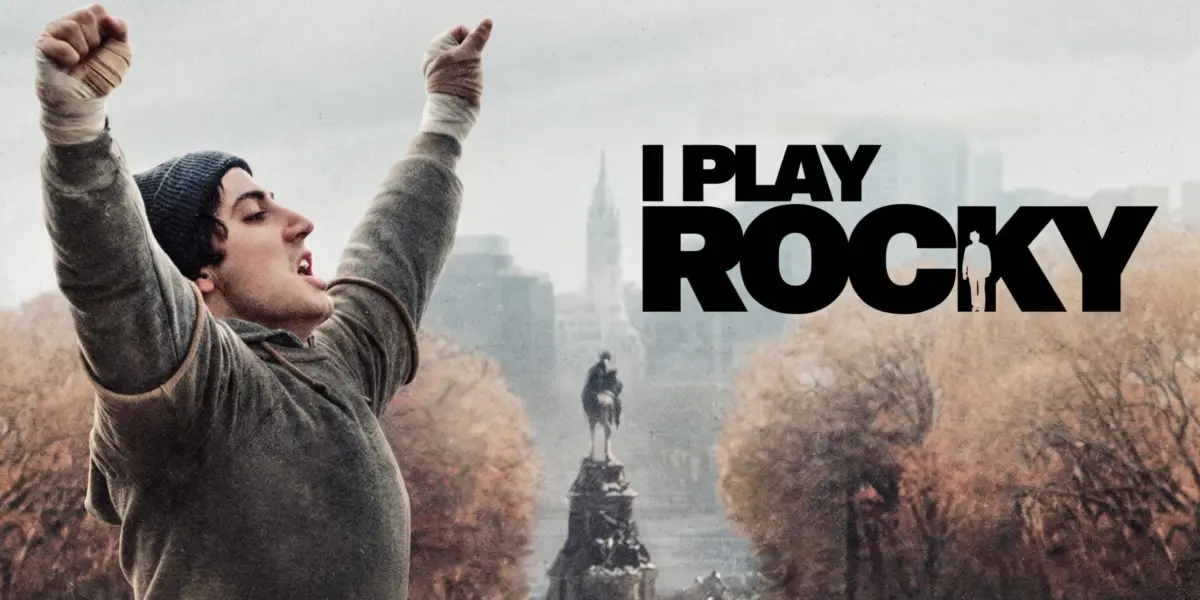
The landscape of biographical cinema has long been fascinated by the arduous journeys behind Hollywood’s most enduring masterpieces, and the latest addition to this subgenre is Peter Farrelly’s I Play Rocky. Recently arriving in theaters nationwide courtesy of Amazon MGM Studios following a prominent festival debut, the film chronicles the tumultuous development and eventual triumph of the 1976 Best Picture Oscar winner, Rocky. To dissect the cinematic achievement, narrative choices, and awards potential of this new release, the Next Best Picture Podcast has dedicated its main weekly review to an in-depth, spoiler-filled discussion featuring critics Matt Neglia, Ema Sasic, Josh Parham, Megan Lachinski, and Amy Kim.
The comprehensive audio and video broadcast offers a granular examination of the biographical drama, which captures the tenacity of a struggling young actor and screenwriter named Sylvester Stallone. As listeners tune in across various podcast platforms or via the embedded media player, the panel evaluates the key creative pillars of the production, ranging from Peter Farrelly’s directorial vision and Peter Gamble’s screenplay to Anthony Ippolito’s transformative lead performance and the extensive supporting ensemble. Furthermore, the discussion touches upon the broader implications of the film’s release strategy, its reception on the international festival circuit, and its positioning within the current Hollywood awards season.
Origins and Festival Circuit Rollout
The genesis of I Play Rocky traces back to the fascination surrounding Sylvester Stallone’s real-life gamble in the mid-1970s, when an unknown, cash-strapped actor refused to sell his screenplay unless he was cast as the lead character, Rocky Balboa. Screenwriter Peter Gamble captured this high-stakes period of Hollywood history, depicting the countless studio rejections, financial hardships, and creative battles that preceded the greenlighting of the low-budget sports drama directed by John G. Avildsen.
The project transitioned from script development to full-scale production under the guidance of veteran filmmaker Peter Farrelly, known for balancing human warmth with character-driven storytelling. Following the completion of principal photography, Amazon MGM Studios positioned the biographical drama as a major contender for the fall festival circuit. I Play Rocky held its world premiere at the 2026 Toronto International Film Festival (TIFF), a premier platform historically utilized by studios to launch major Academy Award campaigns.
During its run at TIFF, the film resonated strongly with audiences, securing a coveted nomination for the festival’s prestigious People’s Choice Award. This early reception validated the studio’s distribution strategy and signaled to industry analysts that the picture possessed significant commercial appeal alongside potential critical accolades. Following the festival circuit, Amazon MGM Studios rolled out the film in theaters nationwide, inviting general audiences and cinephiles alike to witness the dramatized trials of a Hollywood milestone being born.
Cast and Creative Ensemble Breakdown
At the heart of the Next Best Picture Podcast review is an evaluation of the film’s ensemble cast, led by Anthony Ippolito in the demanding role of Sylvester Stallone. Recreating an iconic cultural figure without slipping into caricature presents a formidable challenge for any performer. The podcast panel explores how Ippolito navigates Stallone’s distinct cadence, physical presence, and relentless ambition during a period when his career hung in the balance.
The supporting cast brings depth to the cinematic recreation of 1970s Hollywood. The film features a robust roster of recognized talent, including AnnaSophia Robb, Toby Kebbell, P.J. Byrne, Jay Duplass, Matt Dillon, Stephan James, and Tracy Letts. Each actor contributes to the tapestry of studio executives, agents, friends, and skeptics who populated Stallone’s orbit during the precarious development of the sports classic.
During the podcast episode, the critics analyze the chemistry among the ensemble and how effectively the supporting players ground the biographical narrative in historical authenticity. Particular attention is paid to the recreation of the era’s aesthetic, noting how production design, costume choices, and cinematography work in tandem to transport viewers back to the gritty, celluloid-driven atmosphere of mid-1970s Los Angeles and New York.
Directorial Vision and Screenplay Analysis

Moving beyond individual performances, the discussion shifts to the directorial approach of Peter Farrelly and the structural mechanics of Peter Gamble’s screenplay. Farrelly, who transitioned successfully from broad comedy to prestige drama with the Academy Award-winning Green Book, applies a compassionate and earnest lens to the material. The panel evaluates whether Farrelly’s direction effectively captures the blue-collar ethos that defined both the real-life production of Rocky and the fictional narrative of its underdog protagonist.
Gamble’s script is scrutinized for its pacing, handling of exposition, and fidelity to historical events. Biographical dramas often struggle to balance factual accuracy with dramatic license; the podcast hosts debate how successfully the screenplay dramatizes the legendary anecdotes of Stallone sleeping in bus stations, selling his dog out of financial desperation, and ultimately standing firm against studio executives who wanted an established movie star like Robert Redford or Ryan O’Neal for the lead role.
By dissecting specific narrative sequences, the reviewers offer listeners a nuanced critique of the film’s dramatic peaks and valleys, examining whether the emotional beats land with the intended resonance or lean too heavily into Hollywood hagiography.
Awards Season Prospects and Industry Implications
As a production backed by Amazon MGM Studios and debuting in the competitive late-winter and early-spring corridor, I Play Rocky naturally invites speculation regarding its longevity in the conversation for major film accolades. The Next Best Picture panel dedicates a significant portion of the broadcast to analyzing the film’s Oscar prospects, considering categories such as Best Actor for Anthony Ippolito, Best Adapted Screenplay for Peter Gamble, and various technical recognitions.
In recent years, biographical dramas centered on the creation of classic art or entertainment have proven to be a reliable vehicle for Academy recognition. However, voters often weigh whether such films offer a sufficiently critical perspective or function primarily as celebratory nostalgia. The podcast participants weigh these factors against the current landscape of the cinematic marketplace, discussing how audience turnout at theaters nationwide will influence the studio’s campaign strategies in the months ahead.
Furthermore, the conversation addresses the broader trend of Hollywood looking inward, producing films about its own history and mythos. By examining I Play Rocky in the context of previous cinematic love letters to the medium, the critics provide listeners with a sophisticated framework for understanding why these stories continue to captivate contemporary viewers and industry professionals alike.
Podcast Network Integration and Accessibility
The release of the I Play Rocky review highlights the ongoing operations of the Next Best Picture Podcast, which produces weekly deep-dives into current releases, festival coverage, and awards predictions. As a proud affiliate of the Evergreen Podcasts Network, the platform maintains a steady output of audio and video content designed for dedicated cinephiles and industry insiders.
Listeners seeking to engage with the full, spoiler-filled discussion can access the episode across major podcast streaming directories or through the embedded media player provided in the original publication. The production team encourages audience engagement, inviting listeners to leave reviews on Apple Podcasts to support the show’s visibility. Additionally, supporters who wish to contribute financially can access an ad-free version of the review and exclusive supplementary content by joining the Next Best Picture community on Patreon for a nominal monthly subscription.
Through rigorous debate, detailed cinematic analysis, and active audience engagement, the podcast continues to serve as a vital audio resource for tracking the intersection of contemporary filmmaking, historical Hollywood narratives, and the ever-evolving landscape of film awards.