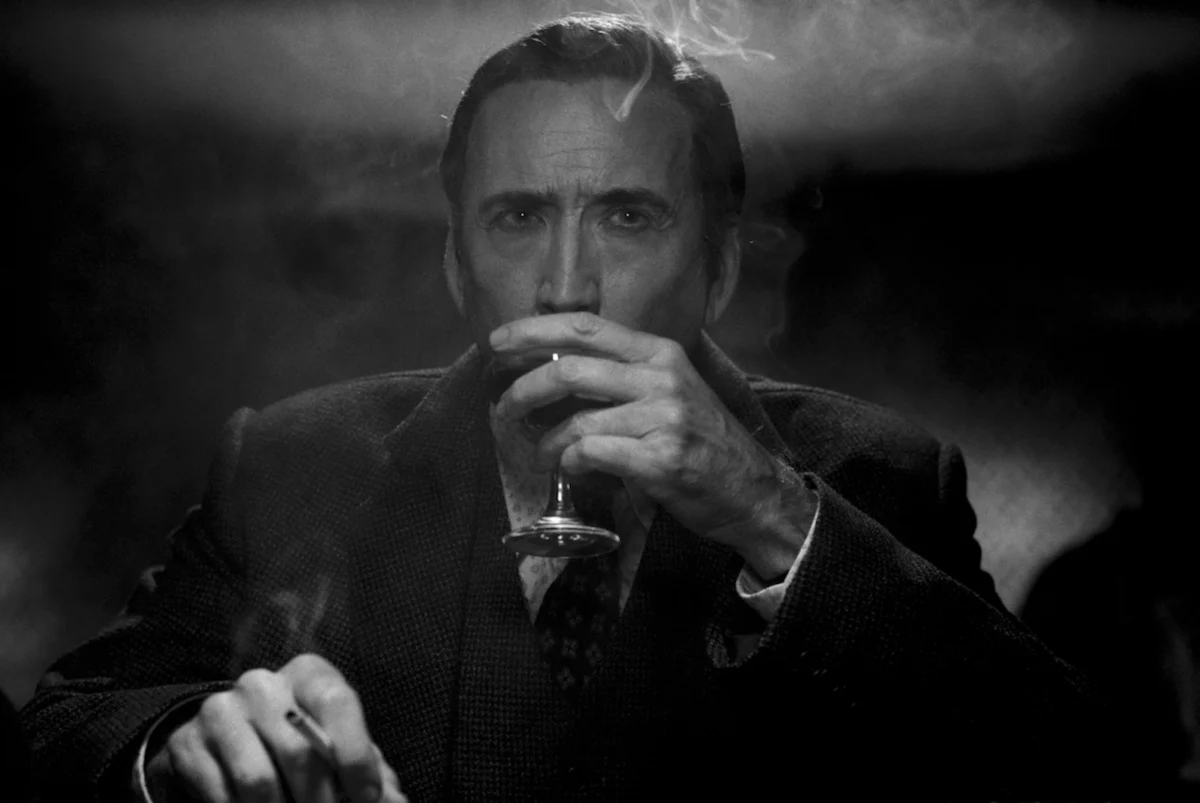
The upcoming series Spider-Noir, starring Nicolas Cage as the titular character, is set to redefine the iconic web-slinger with a bold fusion of classic comic book heroism and the atmospheric grit of 1930s film noir. Co-showrunner Oren Uziel revealed that the series’ creative compass was firmly set on emulating the cinematic style and narrative cadence of legendary Hollywood figures, particularly Humphrey Bogart. "The thing that I said a lot from start to finish was, ‘We’re really trying to make an old [Humphrey] Bogart movie,’" Uziel stated in an exclusive interview with Entertainment Weekly. "It’s just that Bogart happens to be Spider-Man."
This directive suggests a profound departure from previous interpretations of the character, aiming for a grounded, hardboiled persona rather than the more fantastical elements often associated with the Spider-Man mythos. The series promises to immerse audiences in a world of shadowy alleyways, moral ambiguity, and cynical dialogue, all filtered through the lens of a character who, in this iteration, has a long and complex history as a masked vigilante.
Uziel was quick to emphasize that this iteration of Spider-Noir will be distinct from the character Cage previously voiced in the critically acclaimed animated film Spider-Man: Into the Spider-Verse. "This character… will be a ‘distant cousin’ and ‘not the same at all’ as the Spider-Noir character Cage voiced," Uziel clarified. This distinction is crucial, indicating that the live-action series will explore an entirely new narrative and character arc for Ben Reilly, allowing for fresh storytelling possibilities and a unique take on the character’s motivations and struggles.
The commitment to authenticity in capturing the noir spirit extends to Nicolas Cage’s performance. The actor, known for his intense and transformative portrayals, reportedly drew heavily from the iconic performances of Bogart and other Golden Age Hollywood stars. "Every day on set when we talked in his trailer, [Cage] would come to work with, ‘This bit is gonna be Bogart from The Big Sleep. This bit is gonna be a little bit of Cagney. You’re gonna see some Peter Lorre here,’" Uziel shared. This dedication to embodying the era’s cinematic archetypes underscores the ambitious nature of the project and Cage’s profound engagement with the material. "He gets so much joy out of it. That’s why he’s Nic Cage," Uziel added, highlighting the actor’s unique ability to infuse characters with distinctive energy and depth.
The series is slated to premiere on the MGM+ linear channel on May 25, 2026, with a subsequent release on Prime Video on May 27, 2026. A notable aspect of the release strategy is Prime Video’s decision to offer both a color and a black-and-white version of the show. This dual presentation directly caters to the aesthetic preferences of noir enthusiasts, allowing viewers to experience the series in a manner that most closely aligns with the visual language of classic noir films, further emphasizing the show’s dedication to its thematic roots.
The Genesis of Spider-Noir: A Deep Dive into 1930s Cinema
The conceptualization of Spider-Noir as a period piece rooted in 1930s noir is not merely an aesthetic choice but a fundamental narrative driver. The era of the Great Depression and the burgeoning film industry provided a fertile ground for the development of noir, a genre characterized by its pessimistic outlook, cynical protagonists, and exploration of the darker aspects of human nature. Films like The Maltese Falcon (1941), Double Indemnity (1944), and The Big Sleep (1946) established the visual and thematic tropes that Spider-Noir aims to evoke: dimly lit streets, smoky bars, morally compromised characters, and intricate plots often involving crime, betrayal, and femmes fatales.
Humphrey Bogart, as Uziel noted, was a central figure in this cinematic landscape. His iconic roles as private investigators and hardboiled detectives—such as Sam Spade in The Maltese Falcon and Philip Marlowe in The Big Sleep—defined the archetype of the disillusioned but ultimately principled hero navigating a corrupt world. The decision to frame Spider-Man’s world through this lens suggests a significant reimagining of the character’s traditional heroic journey, potentially exploring his struggles with the moral compromises inherent in his vigilante activities and the toll it takes on his personal life.
James Cagney, another actor Cage reportedly referenced, was known for his dynamic and often volatile portrayals, frequently playing characters on the fringes of society or involved in organized crime. Peter Lorre, also mentioned, was a master of portraying unsettling and often sinister characters, adding a layer of psychological depth and unease. The combination of these influences indicates a multifaceted approach to character development, suggesting that this Ben Reilly will be a complex figure, perhaps haunted by his past and wrestling with his present actions.
Ben Reilly’s Evolution: Beyond the Animated Universe
The clarification that this live-action Ben Reilly is a "distant cousin" to the Into the Spider-Verse iteration is significant. The animated film presented a world-weary, grizzled Spider-Man from a different dimension, a veteran of the superhero game. This new series offers an opportunity to build a completely fresh backstory and character arc for Ben Reilly within a distinct universe.
In Marvel Comics lore, Ben Reilly is famously known as the clone of Peter Parker. His journey has often been one of identity crisis, seeking to forge his own path separate from his "original." This series could explore a Ben Reilly who, after years of operating as "The Spider," has retired or been forced out of the masked hero business. This would create a compelling narrative hook, as audiences witness a protagonist grappling with a past he can’t escape and a present that demands his return. The decades out of the masked hero business, as mentioned by Uziel, suggest a character who is older, perhaps more cynical, and definitely more experienced than the typical iteration of Spider-Man. This could translate into a more measured, strategic, and perhaps even brutal approach to crime-fighting, fitting the noir aesthetic.
The "The Spider" Moniker: A Nod to the Past
The revelation that Cage’s character previously operated under the moniker "The Spider" is another intriguing detail. This suggests a more primal or less refined version of his superhero persona compared to the familiar "Spider-Man." It could imply a period where his abilities were less controlled, or his methods were more direct and less reliant on the webbing and advanced suit technology typically associated with Spider-Man. This name choice also subtly echoes the era’s pulp fiction heroes, who often had straightforward, evocative titles that hinted at their capabilities and their place in the urban jungle.
The concept of "The Spider" operating for decades further solidifies the noir setting. In the 1930s, the idea of a masked protector was less common in popular culture, with the focus being on private detectives and tough-talking investigators. By positioning Ben Reilly as "The Spider" who has been active for a long time, the series grounds his existence within this established noir framework, making his presence feel organic to the era.
The Dual Release: A Celebration of Noir Aesthetics
The decision by Prime Video to release both a color and a black-and-white version of Spider-Noir is a testament to the creative team’s commitment to honoring the genre’s legacy. The visual language of noir is intrinsically linked to its monochromatic presentation, which uses stark contrasts between light and shadow to create atmosphere, emphasize psychological tension, and imbue scenes with a sense of dread and mystery.
The black-and-white version will likely offer a more traditional noir experience, immersing viewers in the classic visual palette that defined films like The Third Man (1949) and M (1931). This approach would highlight the cinematography, the play of light and shadow on characters’ faces, and the gritty texture of the urban environment.
Conversely, the color version will offer a contemporary viewing experience, potentially with a desaturated or stylized color grading that still evokes the mood of the era without sacrificing the visual information that color can provide. This dual release strategy is innovative and speaks to a sophisticated understanding of audience preferences and the nuances of cinematic presentation. It allows for a more complete appreciation of the show’s artistic vision, catering to both purists and those who prefer modern visual fidelity.
Release Timeline and Anticipation
The staggered release of Spider-Noir—first on MGM+’s linear channel on May 25, 2026, followed by Prime Video on May 27, 2026—suggests a deliberate rollout strategy. MGM+ often serves as a platform for premium, genre-specific content, and its initial release could be aimed at building buzz among a core audience before expanding to the wider reach of Prime Video. This approach allows for a concentrated impact and sustained interest in the series.
The anticipation for Spider-Noir is already palpable, fueled by the star power of Nicolas Cage, the intriguing noir concept, and the promise of a unique take on a beloved superhero. The character of Ben Reilly, often overshadowed by Peter Parker, has a significant fan base eager to see him take center stage in a new, compelling narrative. Combined with the directorial and showrunning talent behind the project, Spider-Noir is positioned to be a significant event in the streaming landscape of 2026.
The series’ success could pave the way for further explorations of lesser-known Marvel characters within distinct genre frameworks, demonstrating the expansive potential of the Marvel universe beyond its established cinematic and television franchises. The fusion of iconic characters with established cinematic genres has a proven track record of captivating audiences, and Spider-Noir appears poised to be the latest, and perhaps most daring, example of this trend.