The television landscape for the second Sunday of May 2026 presents a significant convergence of long-running series finales, high-profile reality premieres, and a somber tribute to one of the industry’s most influential pioneers. As broadcast, cable, and streaming platforms navigate an increasingly fragmented market, this weekend’s lineup underscores the enduring power of scripted drama, the evolving nature of celebrity-driven comedy, and the cultural weight of media history. From the meta-commentary of Lisa Kudrow’s biting showbiz satire to the poignant conclusion of a decade-and-a-half of midwifery in London’s East End, viewers are faced with a diverse array of programming that reflects both the past and future of the medium.
The Comeback and the Artificial Intelligence Dilemma
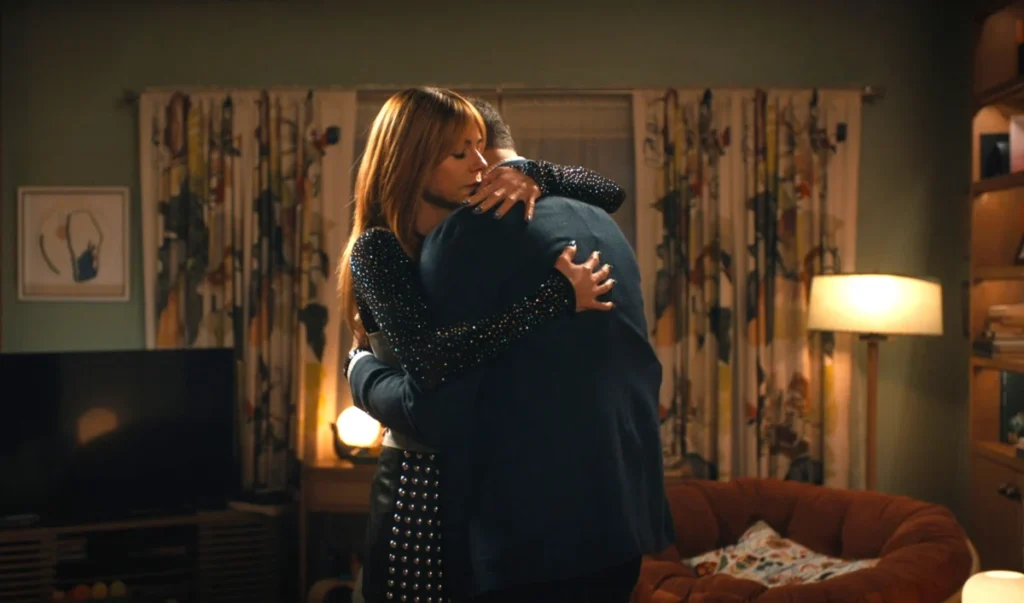
Lisa Kudrow’s critically acclaimed series, The Comeback, concludes its third season with an episode that serves as a searing indictment of contemporary Hollywood’s reliance on automated technology. The series, which originally premiered in 2005 and returned for a second season in 2014, has long been praised for its "acidic" take on the industry through the lens of protagonist Valerie Cherish. In the Season 3 finale, the narrative reaches a boiling point as Cherish discovers that her latest project, the fictional sitcom How’s That?, was scripted using artificial intelligence.
This plot point mirrors real-world anxieties that have permeated the entertainment industry since the historic labor strikes of 2023. By centering the finale on Cherish being summoned by a "Mount Rushmore of TV writers"—portrayed by industry veterans Bradley Whitford, Justin Theroux, and Adam Scott—the show elevates the personal stakes of its protagonist to a broader commentary on the preservation of human creativity. The intervention by these fictionalized versions of prestige television creators forces Cherish into a defensive stance against her corporate overseers at NuNet.

Industry analysts suggest that The Comeback has remained relevant by successfully predicting the shift toward reality-television-style narcissism and, now, the existential threat posed by algorithmic content generation. The finale’s tension lies in the contradiction of Cherish’s character: a woman who desperately seeks public validation and "happiness" through her work, yet finds herself the unlikely vanguard for the integrity of the screenwriting profession.
Call the Midwife Reaches a Seasonal and Franchise Crossroads
After fifteen seasons of depicting the socio-medical history of post-war Britain, Call the Midwife airs a finale that signals a major transition for the franchise. The BBC and PBS co-production has been a staple of Sunday night programming since 2012, consistently drawing high viewership for its blend of historical accuracy and emotional storytelling. The Season 15 finale centers on the impending closure of Nonnatus House, a narrative move that echoes the real-world urban redevelopment of London’s docklands during the late 1960s and early 1970s.
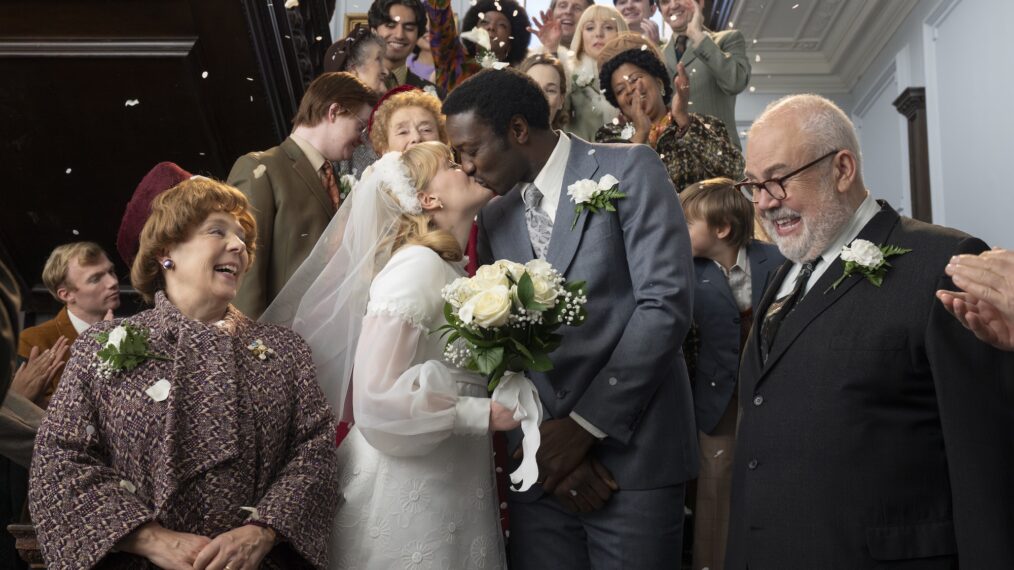
The episode balances the joy of a wedding between characters Rosalind and Cyril with the somber reality of Sister Monica Joan’s declining health. As an original cast member portrayed by Judy Parfitt, Sister Monica Joan’s decision to cease medication marks a significant emotional milestone for long-term viewers. However, the closure of Nonnatus House does not signify the end of the brand. Producers have confirmed a strategic expansion of the Call the Midwife universe, including a prequel series set during the Second World War and a feature film that will bridge the gap into the mid-1970s.
This expansion strategy reflects a broader trend in the television industry where established "prestige" procedurals are converted into cinematic universes to retain subscriber bases. Despite the uncertainty surrounding the physical location of the show’s characters, the production team at Neal Street Productions maintains that the core themes of the series—community, maternal health, and social progress—will remain central to future iterations.
The Strategic Evolution of the Netflix Roast
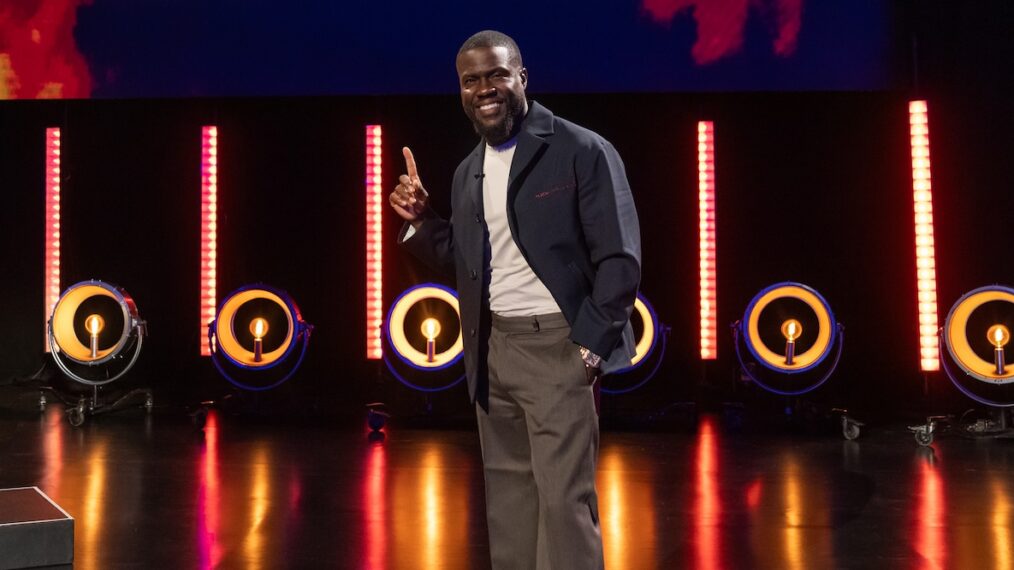
In the realm of digital streaming, Netflix continues its aggressive push into live event programming with The Roast of Kevin Hart. This special serves as the flagship conclusion to the Netflix Is a Joke Fest, a multi-day comedy festival held in Los Angeles. The roast format, which saw a resurgence in popularity following the high-profile roast of Tom Brady two years ago, has become a key pillar of Netflix’s engagement strategy.
The selection of Shane Gillis as host reflects the streamer’s focus on "unflinching" and often polarizing comedic voices that appeal to a broad demographic. The event, held at the Kia Forum, signifies the scale at which comedy is now being produced and consumed. Unlike the traditional cable roasts of the early 2000s, Netflix’s iterations are designed as global media events with high production values and a mix of traditional celebrities and digital-native creators.
A notable inclusion in the lineup is Ron Taylor, the winner of the Funny AF With Kevin Hart stand-up contest. By integrating new talent into a high-stakes roast, Netflix is effectively using its platform to "verticalize" its comedy talent, moving performers from competition shows to major specials. This ecosystem ensures a steady pipeline of content while maintaining the brand’s association with the biggest names in the industry.
Reality Television and Global Connectivity: 90 Day Fiancé
TLC’s 90 Day Fiancé enters its 12th season, continuing its dominance in the reality television sector. The franchise, which has spawned over a dozen spinoffs, remains a case study in the intersection of international relations, immigration law, and personal drama. The Season 12 premiere introduces seven new couples, expanding the show’s geographic reach to include participants from Brazil, Nigeria, Egypt, the Philippines, Turkey, the Dominican Republic, and England.
The premiere highlights the ongoing complexities of the K-1 visa process, a federal immigration path that allows the foreign fiancé of a U.S. citizen to enter the country on the condition that the couple marries within 90 days. The featured story of Ashia, a "Pentecostal Prophetess" from Alabama, and her Nigerian partner, Maxwell, underscores the cultural and logistical hurdles that define the series. Data from previous seasons suggests that the show’s success is largely driven by its ability to spark social media discourse regarding "green card" skepticism versus genuine romantic intent.
Critics of the genre often point to the exploitative nature of the 90-day timeline, yet the show’s longevity suggests a deep-seated audience fascination with the "social experiment" aspect of cross-cultural relationships. As the 12th season begins, the series continues to act as a significant revenue driver for Warner Bros. Discovery, maintaining high placement in the Nielsen cable ratings for its Sunday time slot.
A Tribute to Ted Turner: The End of a Media Era
The television community also pauses this weekend to honor the legacy of Ted Turner, the founder of CNN and Turner Classic Movies (TCM), who passed away on Wednesday at the age of 87. Turner’s impact on the landscape of modern media cannot be overstated; he was a pioneer of the 24-hour news cycle and a staunch advocate for the preservation of film history. In a fitting tribute, TCM is airing Gone With the Wind, the 1939 Civil War epic that was Turner’s personal favorite and the first film ever broadcast on the network during its launch in 1994.
The screening is preceded by a historical video tribute originally produced for the 10th TCM Classic Film Festival in 2019. Turner’s acquisition of the MGM film library in the 1980s was a controversial and massive financial undertaking that ultimately laid the groundwork for the modern "library-driven" streaming model. By securing the rights to thousands of classic films, Turner ensured their preservation and continued accessibility for future generations.

The death of Ted Turner marks the end of an era of "media moguls" who built empires on a combination of broadcast innovation and personal passion. His philanthropic efforts, particularly in environmental conservation and his $1 billion gift to United Nations causes, further solidified his status as a figure whose influence extended far beyond the boardroom. The screening of Gone With the Wind serves as both a memorial to the man and a reminder of the cinematic heritage he fought to protect.
Analysis of Broader Industry Implications
The programming scheduled for this Sunday reflects a pivotal moment in the television industry’s evolution. The transition from linear broadcasting to streaming dominance is evident in the contrast between the traditional, sentimental farewells of Call the Midwife and the high-energy, algorithmically-informed specials like the Kevin Hart roast. Furthermore, the meta-narrative of The Comeback regarding AI highlights the primary challenge facing the creative community in 2026: the struggle to maintain human authorship in an era of technological efficiency.
The legacy of Ted Turner provides a historical anchor for these changes. While Turner was a disruptor in his time, his focus on curation and the "classic" library is now being mirrored by streaming services that are increasingly leaning on established IP and "comfort viewing" to combat churn. As viewers tune in to see the fate of Nonnatus House or the comedic skewering of a Hollywood superstar, they are participating in a media environment that is simultaneously looking back at its foundations and nervously eyeing its automated future.
The high stakes of this weekend’s lineup—ranging from the future of a maternity home to the future of the television writer—suggest that the medium remains a primary site for cultural negotiation. Whether through satire, drama, or the raw spectacle of reality TV, the stories told this Sunday will continue to shape the public’s understanding of fame, family, and the enduring power of the moving image.