The 79th Cannes Film Festival has officially integrated a highly anticipated archival project into its 2026 Cannes Classics lineup, signaling a renewed interest in the progenitors of the "essay film" genre. Visual Antics, the production house behind the project, has released the first official trailer for Nostalgia for the Future, a documentary directed by the Brussels-based visual artist and filmmaker Brecht Debackere. The film serves as an experimental deep dive into the life, work, and intentional anonymity of Chris Marker, the French cinematic visionary who redefined the boundaries between documentary, fiction, and philosophy. Narrated by Academy Award nominee Charlotte Rampling, the film is scheduled for its world premiere in the Palais des Festivals this May, bringing one of the most elusive figures in cinema history back into the global spotlight.
The Architectural Framework of Nostalgia for the Future
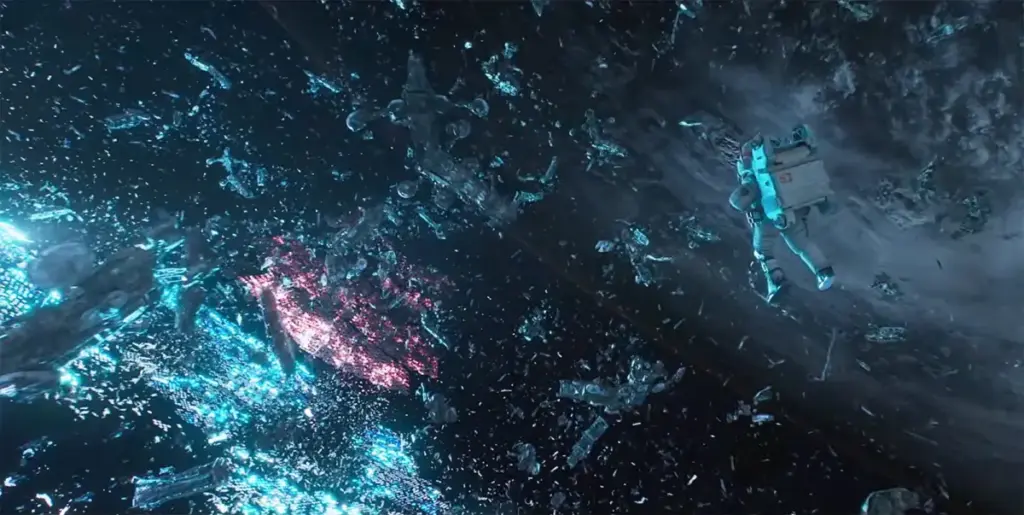
Brecht Debackere, known for his previous work on experimental art projects and his directorial effort Exprmntl, has designed Nostalgia for the Future not as a traditional chronological biography, but as a "landscape of living memory." The film utilizes a vast array of Marker’s personal artifacts, film fragments, and previously unseen archival materials. By repurposing Marker’s own body of work, Debackere aims to treat these images as "time machines," a concept frequently explored by Marker himself in his seminal 1962 short film, La Jetée.
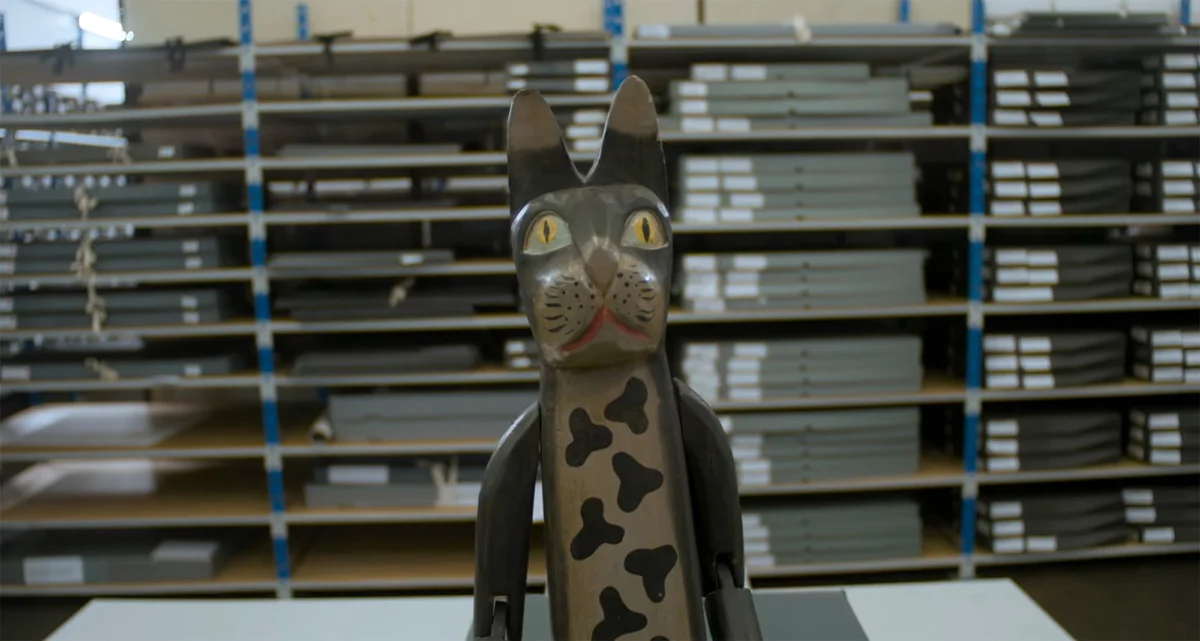
The documentary’s structure is guided by an archivist character who attempts to decode Marker through the material traces he left behind. This narrative device allows the film to navigate the labyrinthine world of a man who famously spent his life concealing himself behind a veil of pseudonyms and images of cats. Marker, born Christian-François Bouche-Villeneuve, was notorious for refusing interviews and photographs, often sending a picture of his cat, Guillaume-en-Égypte, to journalists in place of a headshot.
In an official statement accompanying the trailer release, Director Brecht Debackere emphasized his departure from conventional documentary tropes. "I never intended to make a conventional documentary," Debackere stated. "How do you introduce an audience to a figure who exists almost entirely without biographical data? In the absence of traditional interviews, I chose to follow the associative logic of the work itself: the invisible threads connecting history, philosophy, and folklore."

A Chronology of Chris Marker’s Influence
To understand the significance of Nostalgia for the Future, one must examine the timeline of Chris Marker’s career, which spanned over six decades and multiple mediums. Marker was a central figure in the Left Bank (Rive Gauche) film movement, a modernist group of filmmakers associated with the French New Wave but distinguished by their interest in literature, social engagement, and experimental form.
- 1950s: The Early Essays: Marker began his career as a writer and photographer before moving into cinema with films like Olympia 52 and Statues Also Die (1953), the latter co-directed with Alain Resnais. These films established his interest in the intersection of art, politics, and colonialism.
- 1962: La Jetée: Marker achieved international acclaim with this "photo-roman," a science fiction short composed almost entirely of still photographs. Its influence persists in modern cinema, serving as the primary inspiration for Terry Gilliam’s 12 Monkeys (1995) and countless other explorations of time travel and memory.
- 1977: A Grin Without a Cat: This three-hour epic examined the global political upheavals of the 1960s and 70s, marking Marker’s transition into a more complex, multi-layered form of historical analysis.
- 1983: Sans Soleil: Often cited as his masterpiece, this film merged footage from Japan, Guinea-Bissau, and Iceland with a philosophical narration, cementing the "essay film" as a legitimate and powerful cinematic form.
- 1990s – 2012: The Digital Frontier: Marker was an early adopter of digital technology, creating the CD-ROM Immemory (1998) and exploring virtual worlds like Second Life under the pseudonym Sergei Murasaki.
Nostalgia for the Future seeks to bridge these eras, examining how Marker’s early fascination with the still image evolved into a prophetic understanding of the digital age.
Supporting Data: The Archival Turn in Contemporary Cinema
The premiere of Nostalgia for the Future comes at a time when the "archival documentary" is experiencing a surge in both critical and commercial relevance. According to industry data from the International Documentary Association (IDA), films utilizing more than 70% archival footage have seen a 25% increase in festival selections over the last five years. This trend reflects a broader cultural interest in "media archaeology," where filmmakers act as historians, reconstructing the past from the digital and physical debris of the 20th century.
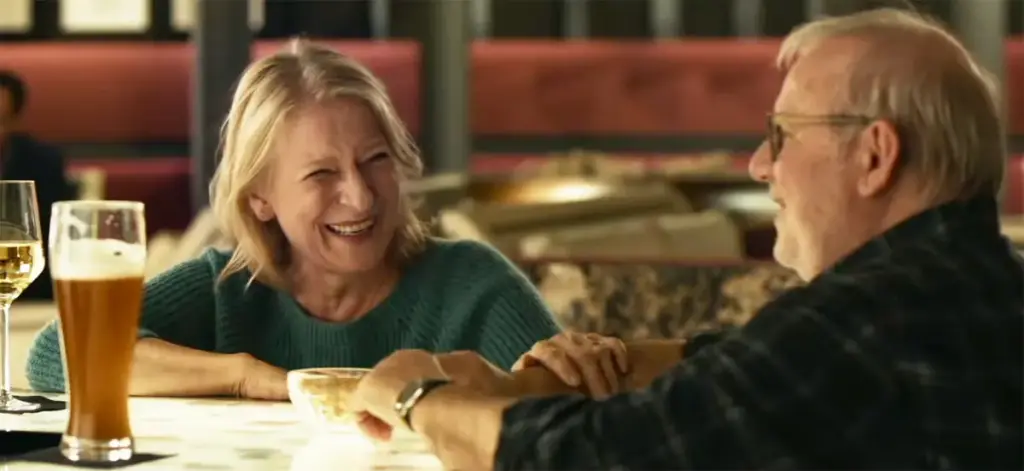
The involvement of Charlotte Rampling as the narrator provides a significant boost to the film’s profile. Rampling, a veteran of arthouse and international cinema, has a long history with the Cannes Film Festival, having served as the Jury President in 2001 and receiving numerous accolades for her work in films that explore themes of memory and trauma, such as The Night Porter and 45 Years. Her voice is expected to provide the "ethical depth and lyrical imagination" that Debackere cited as central to Marker’s state of mind.
Technical Production and Institutional Support
Nostalgia for the Future is produced by Visual Antics and executive produced by Steven Dhoedt. The project benefited from the institutional support of the Royal Institute for Theatre, Cinema & Sound (RITCS) in Brussels, where Debackere serves as a faculty member in the Audiovisual Arts department. The collaboration highlights the role of academic and artistic institutions in preserving the legacies of experimental filmmakers whose work might otherwise fall into obscurity due to copyright complexities or the fragility of physical film stock.

The film’s visual approach involves high-resolution scans of Marker’s personal documents and film fragments. By recontextualizing these fragments, the documentary aims to reflect Marker’s "stubborn insistence on the fragment, the tangent, and the human complexity of the image." The production team spent several years navigating the various estates and archives that house Marker’s disparate collections, which include everything from Soviet-era posters to early computer code.
Official Reactions and Industry Expectations
While full reviews will not be available until after the Cannes premiere, the initial reaction to the trailer from film historians and critics has been one of cautious optimism. The Cannes Classics section, established in 2004, has become one of the festival’s most prestigious sidebars, often serving as the launchpad for major restorations and documentaries about the history of the medium.
"Chris Marker is a filmmaker’s filmmaker," noted one industry analyst following the trailer’s debut on YouTube and The Film Stage. "By placing this documentary in the Classics section, Cannes is acknowledging that Marker’s work is not just a relic of the past, but a living dialogue with the future of cinema. The title itself—Nostalgia for the Future—perfectly encapsulates the Marker-esque paradox of looking forward while being anchored in the archive."
The film’s official website has already begun attracting traffic from "cinema geeks" and scholars, offering a glimpse into the "constellation of documents" that the film explores. No wider theatrical release dates have been confirmed, but it is expected that the film will follow the traditional festival circuit path, likely appearing at Telluride, Toronto (TIFF), and the New York Film Festival (NYFF) later in 2026.
Broader Impact and Implications
The release of Nostalgia for the Future highlights a critical shift in how the film industry handles the legacies of "difficult" or "anonymous" artists. In an era of total transparency and social media overexposure, Marker’s choice to remain hidden serves as a radical counterpoint. Debackere’s film explores the power that past images hold over the futures we imagine, suggesting that our collective memory is not a fixed ledger of dates, but a "living system" that requires constant re-engagement.

Furthermore, the documentary addresses the technical and philosophical challenges of the digital transition. Marker was one of the first directors to predict that the abundance of images would lead to a crisis of memory. By examining his work through a 2026 lens, Nostalgia for the Future asks whether we have fulfilled Marker’s prophecies or if we are still caught in the "labyrinth" he so meticulously mapped out.
As the 2026 Cannes Film Festival approaches, Nostalgia for the Future stands as a testament to the enduring relevance of the "unknown author." It promises to be a meditation on identity, a masterclass in archival storytelling, and a fitting tribute to a man who saw the world through the eyes of a traveler, a cat, and a time machine. For the global film community, the documentary represents more than just a biography; it is an invitation to look at the image—and the history it contains—with renewed complexity and ethical depth.