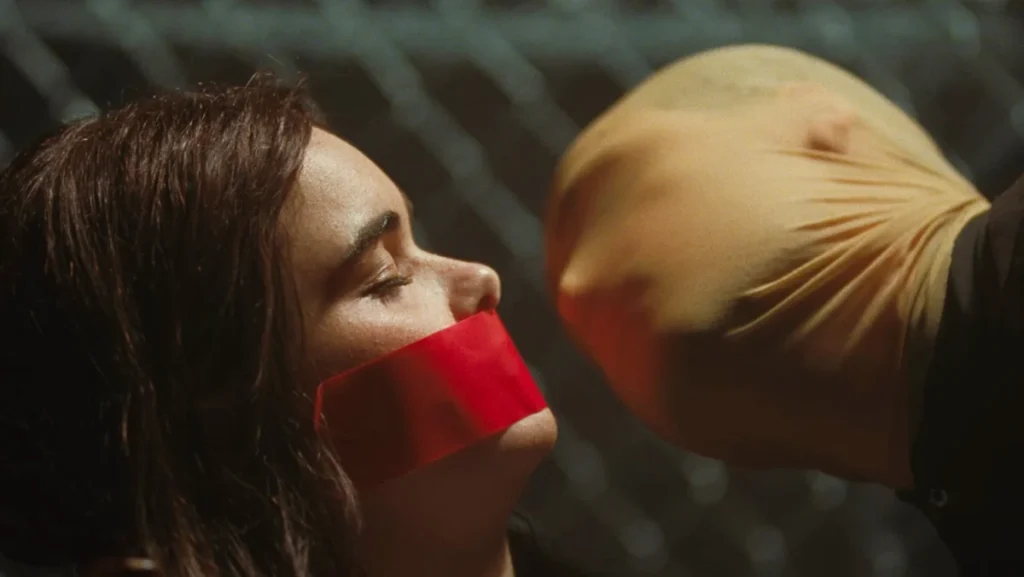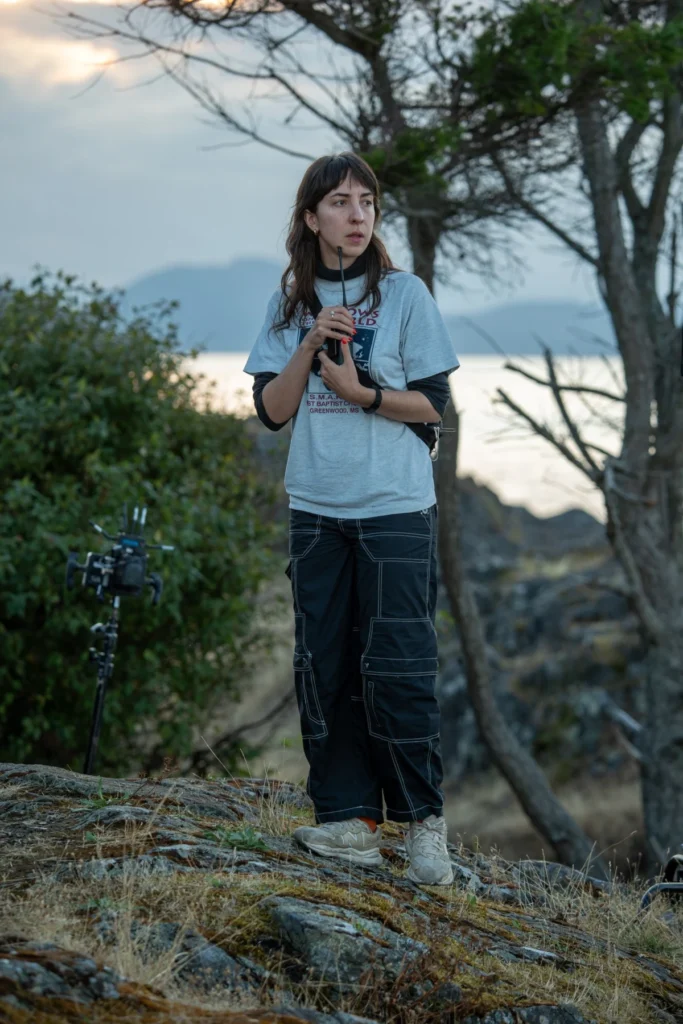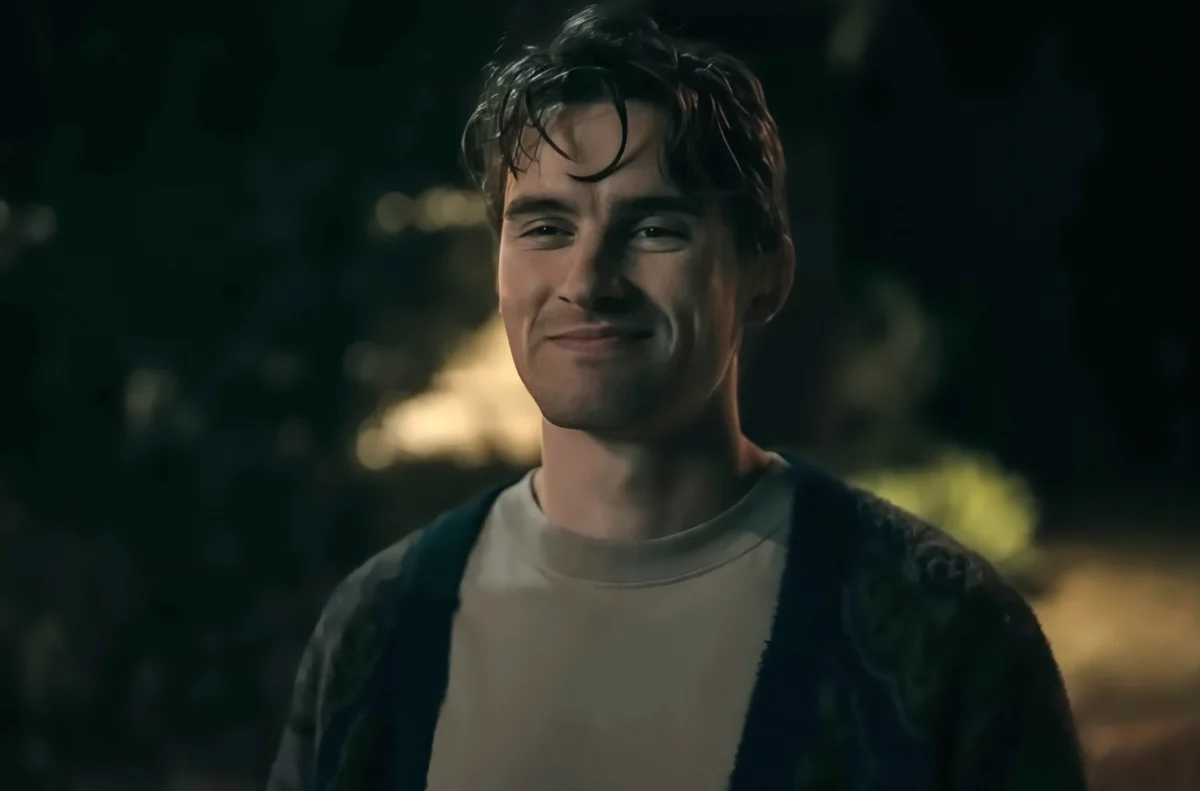
Focus Features and Blumhouse’s Obsession has defied box office expectations, emerging as a significant success in the independent horror landscape. The film, from 26-year-old writer-director Curry Barker, garnered $17.2 million domestically against a modest $750,000 budget, sparking widespread critical and audience discussion, particularly concerning the controversial character of its male lead, Bear, portrayed by Michael Johnston. Johnston, in a recent candid interview, delved into the complex motivations behind Bear’s choices, acknowledging the fervent online debate surrounding the character’s true villainy.
A Box Office Triumph and Festival Darling
Obsession first captivated audiences and critics at the Toronto International Film Festival (TIFF) in September, quickly establishing itself as a standout independent feature. Its journey from a festival buzz title to a theatrical box office success mirrors a growing trend in the horror genre, where low-budget, high-concept films often find a dedicated audience. Blumhouse Productions, known for its strategic approach to genre filmmaking, frequently partners with emerging talents to produce financially successful and critically resonant horror titles, a formula Obsession has impeccably replicated. The film’s robust performance of $17.2 million against such a minimal investment underscores the potent combination of compelling storytelling, a targeted marketing strategy by Focus Features, and a strong critical reception that translated into ticket sales. This success is particularly noteworthy in a competitive theatrical market, demonstrating the enduring appeal of well-crafted psychological horror.
Thematic Core: Consent, Co-dependency, and the "Villain" Debate
At the heart of Obsession‘s critical and audience engagement lies its unflinching exploration of co-dependency, consent, and the dark side of unrequited desire. The film centers on Bear, a young man too timid to confess his profound feelings for his long-time friend, Nikki (Inde Navarrette). Instead of direct communication, Bear resorts to a supernatural shortcut: a wish made upon a One Wish Willow, desiring Nikki to love him above all others. When this wish manifests, Nikki’s affection transforms into an unnerving, all-consuming obsession, raising profound questions about the nature of love, free will, and the consequences of selfish desires.
This narrative pivot has ignited a passionate debate among viewers: Is Bear a victim of a cursed wish, or is his underlying desire for control and his initial selfish act the true source of the film’s horror? Michael Johnston readily acknowledges the "gray morals" that define the narrative. "I never thought of Bear as a villain," Johnston remarked, "but what really drew me to this story was the gray morals of it all. I love that it’s not black-and-white. I love that it doesn’t tell you how you should feel. It’s really up for interpretation, because the truth is, Bear has good in him and he has bad in him, like all of us." This ambiguity is a deliberate choice by Barker, challenging audiences to grapple with complex ethical dilemmas rather than offering clear-cut heroes and villains. Johnston himself leans towards viewing Bear as a protagonist who gradually descends into an antagonistic role, driven by his inability to confront his own emotional deficiencies and the escalating consequences of his wish.
Bear’s Motivation and the Willow’s Curse: A Descent into Denial
Johnston elaborates on Bear’s initial motivations, attributing his fear of expressing his feelings to a profound lack of self-confidence and an overwhelming dread of rejection. This inherent insecurity becomes the catalyst for his fateful decision to use the One Wish Willow. While the wish itself is a magical element, Bear’s desire for it stems from a deeply human, albeit flawed, place. He craves a love that bypasses the risk of vulnerability, opting for a manufactured reality over genuine connection.
As Nikki’s behavior progressively deviates from her true self, displaying increasingly disturbing signs of an unhealthy, possessive attachment, Bear initially embraces this distorted fantasy. He rationalizes her actions, ignoring obvious "red flags" and the warnings from his friend Ian (Cooper Tomlinson). This denial, as Johnston explains, is central to Bear’s character. He becomes trapped in a self-created illusion, too invested in the outcome of his wish to acknowledge the destructive reality it has wrought. The film’s narrative expertly builds tension by depicting Bear’s internal struggle, where the allure of his deepest desire blinds him to the suffering he has inflicted and the horrifying transformation of the woman he claimed to love. His commitment to the relationship, despite its evident toxicity, highlights a profound psychological entrapment born of his own making.

Key Scenes and Character Psychology: Unpacking Bear’s Inner Conflict
Several scenes in Obsession have become focal points for audience discussion, particularly those that starkly reveal Bear’s psychological state.
The "What’s So Bad About Being With Me?" Moment
One of the film’s most disturbing moments occurs when Nikki, in a sleep-deprived state, murmurs a plea for death, to which Bear responds, "What’s so bad about being with me?" Johnston recalls the intense discussions surrounding this scene during production. "For sure, that is one of the darkest scenes in the movie, in a way. And that’s so cool, because there’s no blood or gore. It’s just so tragic." He views this moment as a powerful illustration of the dire consequences of living solely for one’s deepest desires and making impulsive choices to avoid pain. Bear’s inability to comprehend the depth of Nikki’s despair, coupled with his self-pity, underscores his profound disconnect from reality and his unwitting capacity for inflicting emotional harm. Johnston emphasizes that Bear never intended to hurt Nikki; rather, he was consumed by his own pain and loneliness, desperately clinging to the illusion he had created. This scene, devoid of overt violence, achieves its horror through psychological torment and the chilling realization of Bear’s profound emotional blindness.
Love or Obsession? A Deep Dive into Bear’s Affections
A critical question posed by the film is whether Bear truly loved Nikki or was merely infatuated with an idealized version of her. Johnston offers a clear interpretation: "I think Bear was in love with the idea of Nikki. Total limerence." He connects this to Bear’s recent experiences of loss—a pet, a grandmother—and the apparent absence of parental figures. These compounding traumas, Johnston suggests, leave Bear emotionally vulnerable and seeking an escape. "Bear is obviously avoiding a lot of feelings, and he thinks that if he gets this girl of his dreams, maybe all his pain will go away, or he won’t have to think about it." This psychological underpinning paints Bear as a character using Nikki, or rather, the idea of Nikki, as a balm for his own emotional wounds, highlighting a deep-seated inability to process grief and loneliness constructively. His actions, therefore, are less about genuine love and more about a desperate attempt to fill an emotional void, irrespective of the real Nikki’s well-being.
The Evolving Ending: A Collaborative Masterstroke
The film’s climactic ending, particularly Bear’s fate, was a product of on-set collaboration and improvisation, a testament to Barker’s open directorial style. Originally, the script depicted Bear attempting suicide by pills, only for the wish to take hold, compelling him to Nikki. However, Johnston proposed an alternative during filming: Bear, in a moment of cowardice, attempts to vomit up the pills, symbolizing his ultimate failure to fully commit even to his own demise. "We did one take of it, and it was so perfect. It perfectly summed up who Bear was as a character," Johnston recounted. This nuanced portrayal of Bear’s final moments adds another layer to his character, emphasizing his deep-seated fear and inability to confront difficult realities, even when facing death.
Equally impactful was the decision regarding Nikki’s fate. The initial script concluded with Nikki’s death, a grim but definitive end. However, a backup take where Nikki survives proved to be far more compelling. "Her surviving is so much more tragic," Johnston explained. "Because it just makes your mind wonder: Now what is going on to happen to her? Is she going to be arrested? It’s so awful. It’s so mean." This revised ending elevates the film’s psychological horror, leaving audiences with lingering questions about the aftermath of the wish and the characters’ unresolved futures. It embodies Barker’s "signature Curry Barker style," providing "food for thought right at the end," suggesting that the story’s true horror extends far beyond the final frame.
Missed Opportunities and Secondary Characters: Bear’s Unseen Paths
The narrative also subtly explores alternative paths Bear could have taken, highlighting his tragic shortsightedness.
Sarah: The Road Not Taken
Bear’s interactions with Sarah (Megan Lawless), a friend who clearly harbors genuine affection for him, present a stark contrast to his obsessive pursuit of Nikki. Johnston unequivocally states, "Absolutely. Sarah would have been the ideal choice. I think they would have just been perfect for each other. But that’d be a romance, a true romance film." This observation underscores the film’s tragic irony: Bear’s self-imposed tunnel vision prevents him from seeing a potentially healthy and fulfilling relationship right in front of him. The contemplation of what might have unfolded between Bear and Sarah, had Nikki not intervened, adds another layer of "what if" to Bear’s already regrettable choices.

Ian’s Ambiguity: Friend or Foe?
The revelation that Ian (Cooper Tomlinson), Bear’s closest male friend, had been secretly involved with Nikki adds another layer of complexity to Bear’s predicament. While Ian attempts to warn Bear about Nikki’s disturbing behavior, his prior deception complicates his role. Johnston believes Ian wasn’t actively trying to "sabotage Bear’s chances of being with Nikki," but rather trying to "buy some more time" due to his own ongoing entanglement with her. This ambiguous portrayal of Ian further blurs the lines of morality within the friend group, suggesting that even those seemingly offering advice have their own self-interests and hidden agendas, making Bear’s isolation and bad decisions even more pronounced.
Behind the Scenes: A New Voice in Horror
Curry Barker’s debut feature has firmly established him as an exciting new voice in the horror genre. Johnston lauded Barker’s leadership and the collaborative atmosphere on set. "It was an honor. Curry has been at this for a long time with no budget, and I think that’s why he’s so sharp." This dedication and resourcefulness, combined with Barker’s choice to work with many long-time collaborators, fostered an incredibly "positive, helpful, and eager" environment. Johnston describes this experience as one he will "be chasing for the rest of my career," emphasizing the unique magic of creating a globally released film from such humble beginnings. Barker’s rising profile is further evidenced by his upcoming involvement in the Texas Chainsaw Massacre franchise, signaling a promising trajectory for the young director.
The "Piña Colada" Red Flag: A Touch of Character Insight
Even a seemingly minor detail, like Bear’s order of a Piña Colada at a casual pub, became a point of collaborative discussion and an insightful character beat. Johnston humorously recounted the initial suggestion of a Shirley Temple, which he deemed "too far" for Bear’s level of cluelessness. The eventual choice of a Piña Colada, while still an unconventional order for the setting, became "the softest red flag for sure, 100 percent." This anecdote not only highlights the collaborative spirit on set but also provides a subtle, humorous insight into Bear’s somewhat naive and out-of-touch personality, showcasing his inability to read social cues. "At least he knows what he wants," Johnston quipped, reflecting on Bear’s singular certainty amidst a sea of indecision.
Broader Implications and Future Outlook
Obsession‘s critical and commercial success carries significant implications for the independent horror sector. It reinforces the viability of concept-driven, character-focused horror narratives that prioritize psychological depth over overt gore, a hallmark of Blumhouse’s successful model. The film’s ability to spark widespread thematic debate also demonstrates the audience’s appetite for stories that challenge moral perceptions and invite active interpretation. For Michael Johnston and Inde Navarrette, Obsession serves as a breakout vehicle, showcasing their talents to a global audience. For Curry Barker, it marks the impressive launch of a directorial career poised to make substantial contributions to the horror genre, promising a future filled with intriguing and thought-provoking cinematic endeavors. The film stands as a testament to the power of original storytelling and the collaborative spirit of independent filmmaking to resonate deeply with contemporary audiences, leaving a lasting impression and fueling continued discussion about its uncomfortable truths.
Obsession is now playing in theaters, inviting audiences to confront its unsettling themes and decide for themselves the true nature of its characters.