In a significant development for the enduring Planet of the Apes franchise, acclaimed filmmaker Matt Shankman has been selected to helm a new installment for 20th Century Studios. The announcement, first reported by Deadline, signals a new creative direction for the iconic science fiction saga, which has captivated audiences for decades. Shankman, who recently garnered attention for his work on the upcoming The Fantastic Four: First Steps, is now set to embark on a journey into the world of intelligent apes and their complex relationship with humanity.
The screenplay for this new film is being penned by Josh Friedman, a writer whose previous involvement with the franchise includes the script for Kingdom of the Planet of the Apes. Friedman is collaborating on the script with producers Rick Jaffa and Amanda Silver, who have a deep history with the modern iteration of the Planet of the Apes universe, having penned Rise of the Planet of the Apes and served as executive producers on subsequent films. While details surrounding the plot remain under wraps, sources suggest that this project will not be a direct continuation of the narrative established in Kingdom of the Planet of the Apes. Instead, Shankman and Friedman are reportedly developing an entirely new, original story, offering a fresh perspective on the established lore.
A Legacy of Evolution and Conflict
The Planet of the Apes franchise boasts a rich and multifaceted history, originating from Pierre Boulle’s 1963 novel, La Planète des singes. The original film, released in 1968 by 20th Century Fox, was a groundbreaking cinematic achievement, lauded for its innovative special effects, thought-provoking themes, and iconic twist ending. It earned an Academy Award for its costume design and remains a touchstone in science fiction cinema.
The franchise’s journey has been marked by several distinct eras. Following the success of the original, a series of sequels explored various facets of ape society and human subjugation. In 2001, Tim Burton attempted a remake that, while visually striking, diverged significantly from the established tone and narrative, receiving a mixed critical reception.
A significant revitalization occurred in 2011 with the release of Rise of the Planet of the Apes, directed by Rupert Wyatt. This film initiated a rebooted trilogy that focused on the origins of ape intelligence and the gradual descent of humanity. The trilogy, which also includes Matt Reeves’ critically acclaimed Dawn of the Planet of the Apes (2014) and War for the Planet of the Apes (2017), is widely considered the pinnacle of the franchise’s modern era. These films were praised for their sophisticated storytelling, nuanced character development, particularly of Caesar, the ape protagonist, and their breathtaking visual effects, which allowed for deeply expressive performances from the motion-captured ape characters. The latter two films, in particular, garnered substantial critical acclaim, with War for the Planet of the Apes often cited as a masterful conclusion to Caesar’s arc and a powerful commentary on war and societal collapse.
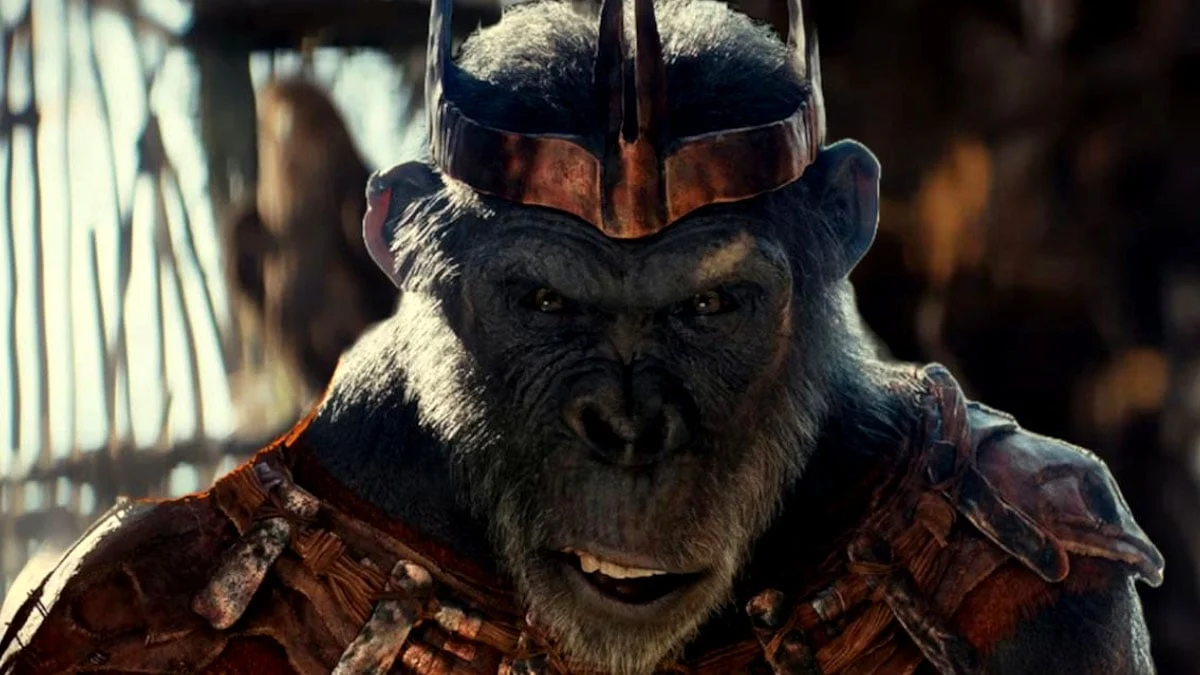
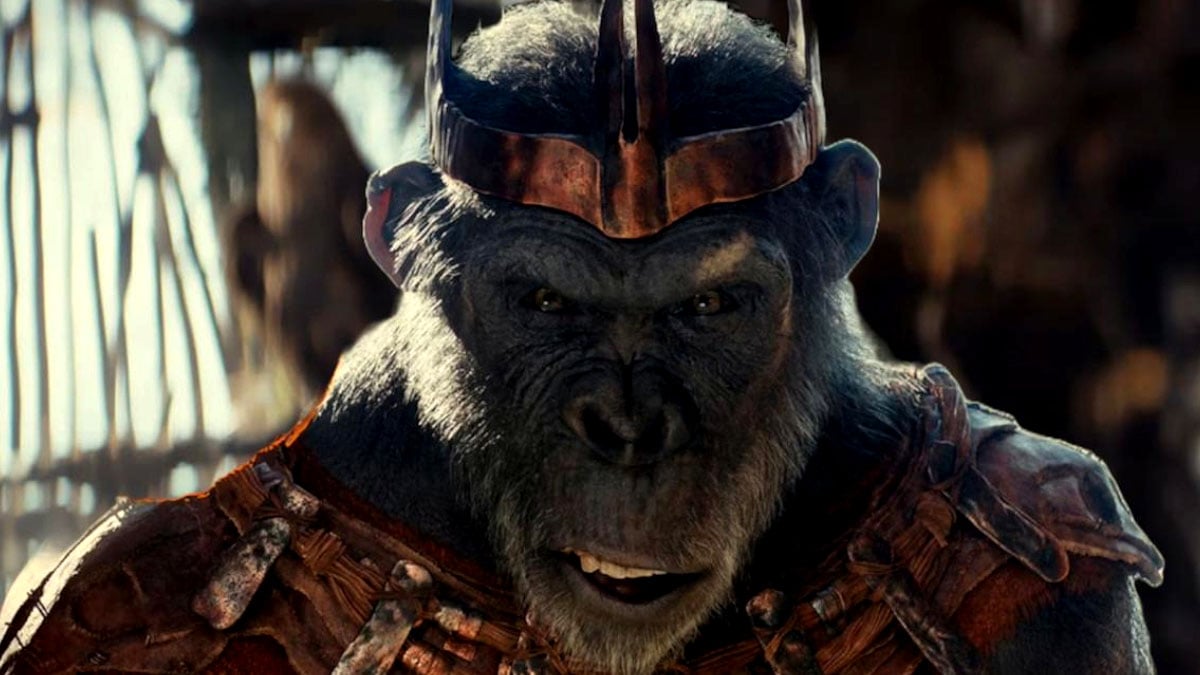
More recently, Kingdom of the Planet of the Apes, released in 2024 and directed by Wes Ball, shifted the timeline forward by several generations, depicting a world where apes are the dominant species and humans have regressed. While the film achieved respectable box office returns, grossing nearly $400 million worldwide, its critical reception was more tempered compared to the Reeves-directed installments. The decision to have Josh Friedman pen the script for the new film, without Wes Ball returning to direct, suggests that 20th Century Studios may be seeking a different creative vision for the franchise’s future.
A New Chapter with Matt Shankman
Matt Shankman’s involvement marks a notable addition to the directorial talent associated with the Planet of the Apes saga. His recent work on The Fantastic Four: First Steps has been highlighted as a project where he managed to navigate complex creative challenges, leading to a film that is described as "decent" by some reports, a testament to his ability to steer ambitious productions. This experience, coupled with his prior work on television series such as Game of Thrones and WandaVision, demonstrates a versatility that could bring a fresh perspective to the Planet of the Apes universe.
The collaboration with Josh Friedman on the screenplay is also a key element. Friedman’s familiarity with the franchise’s narrative threads, stemming from his work on Kingdom of the Planet of the Apes, combined with the potential for an entirely new story, presents an intriguing prospect for fans. The producers Rick Jaffa and Amanda Silver’s continued involvement underscores a commitment to maintaining some continuity with the established lore, even as the creative team explores new narrative territories.
Analyzing the Strategic Shift
The decision to move away from a direct continuation of Kingdom of the Planet of the Apes and instead pursue an original story is a strategic one. It allows for greater creative freedom and the potential to introduce new characters, themes, and world-building elements without being beholden to pre-existing plotlines. This approach could appeal to both longtime fans and new audiences by offering a familiar yet novel experience.
The franchise’s enduring appeal lies in its ability to explore complex philosophical and social issues through the lens of a science fiction narrative. Themes of evolution, intelligence, power dynamics, prejudice, and the very definition of sentience have been central to its success. The potential for Shankman and Friedman to delve into these themes with a fresh narrative is significant.
The box office performance of Kingdom of the Planet of the Apes, while solid, might indicate a desire from the studio to recapture the widespread critical and audience enthusiasm that characterized the Caesar trilogy. By bringing in a director with a demonstrated ability to handle large-scale productions and a writer with existing franchise experience for an original story, 20th Century Studios appears to be aiming for a bold reimagining or a significant expansion of the Planet of the Apes universe.
Future Implications and Fan Anticipation
The announcement has already generated considerable buzz within the film community and among fans of the franchise. The Planet of the Apes series has a dedicated following, and any new development is met with keen interest. The prospect of a new director and an original storyline raises questions about where the narrative will head. Will it explore a different era within the ape-dominated world? Will it introduce new ape civilizations or human resistance movements? The possibilities are vast.
Shankman’s involvement suggests a focus on strong character work and compelling visual storytelling, elements that were crucial to the success of the rebooted trilogy. The collaboration with Friedman, who has already contributed to the recent chapter of the saga, could lead to a script that respects the established continuity while forging a new path.
As development progresses, further details regarding the film’s cast, production timeline, and specific narrative focus are expected to emerge. For now, the appointment of Matt Shankman to direct a new Planet of the Apes film marks a pivotal moment, signaling the franchise’s continued evolution and its enduring capacity to provoke thought and inspire awe. Fans will be eagerly awaiting more information on this exciting new chapter in the saga of the apes.