The cinematic landscape of 2026 continues to lean heavily into the subgenre of pregnancy-related horror, with a new project officially entering production. Deadline has confirmed that actors Madeleine Arthur and Dianne Doan have been cast as the leads in the upcoming Canadian-US psychological horror film titled Doula. The project, which explores the harrowing intersection of maternal vulnerability and isolation, is written and directed by filmmaker Goldie Jones.
The film is currently slated to begin principal photography on October 1, 2026, in Winnipeg, Manitoba. The production has secured support from the Manitoba Film and Music tax incentive, a provincial program designed to bolster the region’s growing reputation as a hub for international film and television projects.
Narrative Premise and Plot Dynamics
According to the official synopsis provided by the production team, Doula centers on a high-stakes, claustrophobic narrative inspired by "strange true events." The story follows a professional doula, played by Dianne Doan, who travels to a remote, isolated mountain cabin to assist with a complicated delivery. Upon arrival, the professional dynamic between the caregiver and her pregnant client, portrayed by Madeleine Arthur, dissolves into a psychological nightmare.
The two women find themselves trapped within the cabin, forced to participate in a sadistic, reality-bending game. As the labor progresses, the narrative promises to explore the psychological toll of isolation, with the threat of a "terrible price" hanging over the characters’ survival. The choice of a mountain cabin setting echoes classic tropes of isolation horror, where the environment serves as an additional antagonist, stripping the protagonists of resources, outside communication, and the safety of society.
The Rise of Pregnancy-Centered Horror
The production of Doula arrives during a period of sustained industry interest in pregnancy and reproductive-themed horror. This subgenre has seen a significant uptick in theatrical and streaming releases throughout 2026. Projects such as Nightborn and Goody Goody have recently contributed to this trend, signaling that audiences and financiers are increasingly drawn to narratives that externalize the internal fears associated with childbirth and parental responsibility.

This thematic trend often taps into deep-seated cultural anxieties surrounding biology, loss of bodily autonomy, and the transition into parenthood. By blending these primal concerns with the structural mechanics of the psychological thriller, Doula aims to position itself within a competitive market that favors high-concept, low-location-count productions. The financial viability of such films—which often rely on a limited cast and controlled environments—makes them attractive to studios looking to maximize returns on mid-budget horror entries.
Casting and Production Profiles
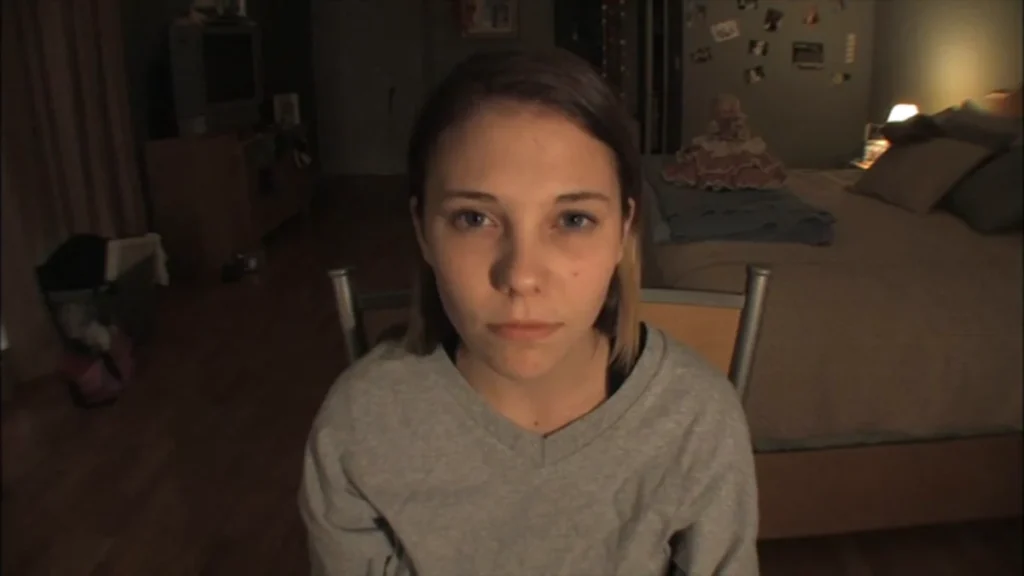
The casting of Madeleine Arthur and Dianne Doan suggests a focus on performers with proven track records in genre-bending roles. Madeleine Arthur, known for her captivating and unsettling performance in the cosmic horror film Color Out of Space, brings a specific gravitas to the project. Her ability to command the screen in high-tension environments has made her a sought-after talent for psychological dramas. Her upcoming involvement in the horror feature White Elephant further solidifies her trajectory within the genre space.
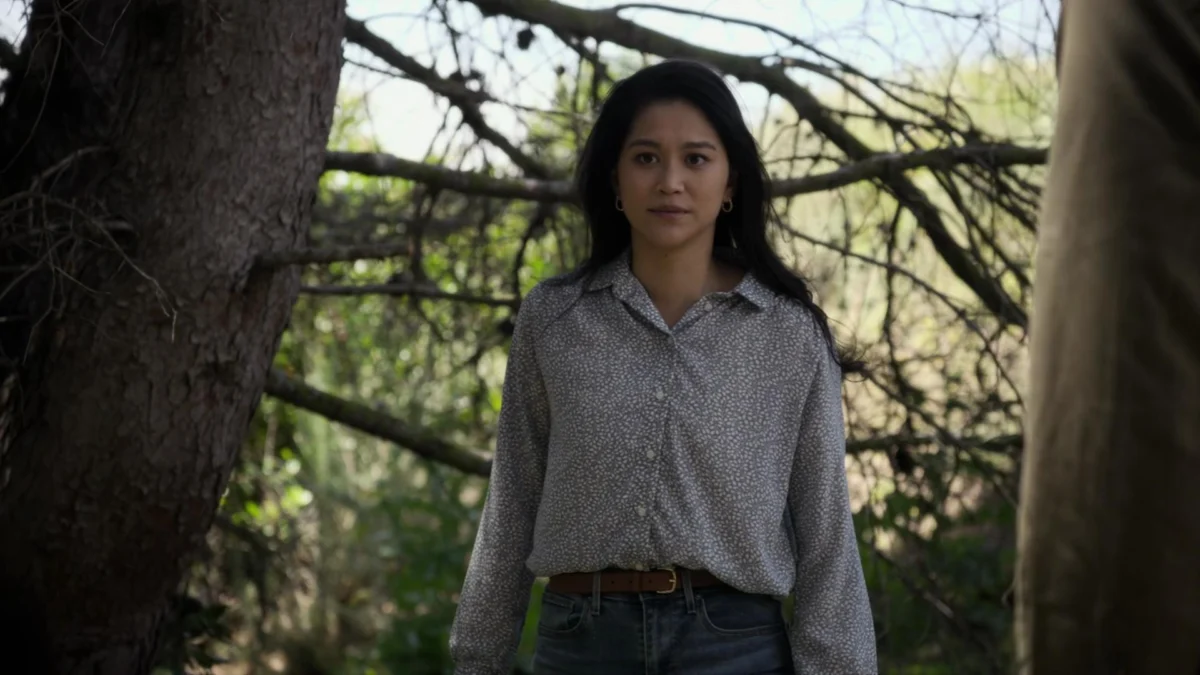
Dianne Doan, recognized for her work in the expansive Agents of S.H.I.E.L.D., represents a strategic casting choice for the role of the doula. Her experience navigating complex, ensemble-based narratives is expected to provide the necessary depth for a character tasked with grounding the film’s increasingly surreal elements.
The production team behind the film includes a mix of experienced producers and emerging talent. James J. Yi leads the production effort, working alongside Alice Teufack, Judd Tilyard, and the team at Verity Fiction. Executive producers Andrea Chung, representing Carvel Rock Pictures, and Kristine Estorninos are providing oversight, ensuring the project remains aligned with its distribution goals and aesthetic vision.
Regional Economic Impact and Production Logistics
The decision to film in Winnipeg, Manitoba, is a strategic logistical move, reflecting the broader trend of international productions utilizing Canadian infrastructure. The Manitoba Film and Music tax incentive serves as a critical driver for this project, providing a competitive financial framework that offsets the costs of production.
For the regional economy, the arrival of Doula brings both direct and indirect financial benefits. Film productions of this scale require local crews, equipment rentals, transportation services, and accommodation, injecting capital into the local economy throughout the duration of the shoot. Winnipeg’s emergence as a cinematic destination is often attributed to its versatile geography, which can double for various North American settings, and its highly skilled labor pool in the creative and technical sectors.

Analytical Overview of the Psychological Horror Genre
From an industry analysis perspective, Doula fits into a well-defined cycle of horror films that prioritize atmosphere over overt supernatural elements. By framing the conflict as a "reality-bending game," the film signals an intention to move beyond traditional slasher mechanics into a more cerebral territory.
Historically, psychological horror films that focus on the theme of "trapped in a remote location" rely heavily on the strength of the performances. With only two primary leads, the success of the film will rest on the chemistry and emotional range of Arthur and Doan. The "true events" inspiration mentioned in the synopsis serves as a marketing hook, a common strategy in modern horror that leverages the audience’s psychological susceptibility to stories that feel grounded in reality.
Broader Implications for the Horror Industry
The continued production of films like Doula underscores a pivot in the horror genre. While the early 2020s saw a resurgence in elevated horror—often characterized by slow-burn pacing and metaphorical storytelling—the mid-2020s are seeing a shift back toward high-concept, high-intensity narratives.
Furthermore, the focus on female-centric horror stories reflects a growing demographic shift in the genre’s audience base. Studios are increasingly greenlighting projects that place women in positions of extreme duress, not merely as passive victims, but as active participants in the unfolding narrative arc. The collaboration between the producers and the creative leads suggests a deliberate effort to craft a film that balances the visceral requirements of the horror genre with a nuanced exploration of its characters.
Conclusion and Outlook
As pre-production concludes and the cameras prepare to roll in Manitoba, the industry will be watching to see how Doula distinguishes itself within a saturated market. The combination of a strong cast, a proven production team, and the support of regional incentives positions the film for a successful production phase. Whether the final product can successfully execute its premise of a reality-bending, cabin-bound psychological horror remains to be seen, but the pedigree of those involved suggests a project that is aiming to make a distinct impression on the horror landscape of 2026.
With principal photography set for October, the film is on track for a potential festival or streaming release in the 2027 calendar year. As more details regarding the release strategy and potential distribution partners become available, the industry will gain further insight into the specific impact of this psychological endeavor. For now, the project remains a notable entry in a year dominated by the exploration of maternal horror, further cementing the subgenre’s place in the contemporary cinematic consciousness.