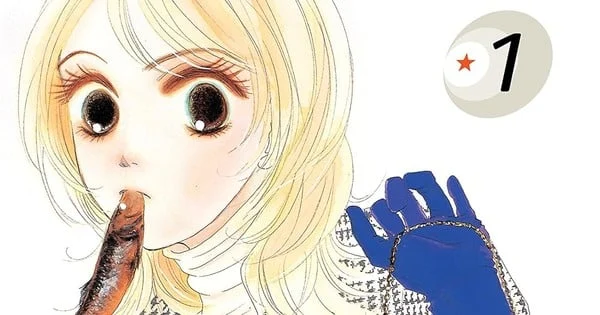
Unapologetic Projects is developing a U.S. live-action television series based on Satoru Hiura’s beloved manga, Hotaru’s Way (known in Japan as Hotaru no Hikari – It’s Only Little Light in My Life), according to a report by entertainment news outlet Deadline. The announcement signals a significant move for the popular Japanese property into the Western television market, following its prior success in live-action adaptations in Japan.
The series will be penned by Angela Nissel, known for her work on the critically acclaimed medical comedy Scrubs, and Sasha Leigh Henry, a writer for the popular Canadian series Workin’ Moms. Paige Hooper, Head of Television at Unapologetic Projects, will produce alongside Motoko Kimura and Kate Kugler. The involvement of experienced writers and producers suggests a commitment to capturing the essence of the original manga while adapting it for a new audience.
Logline and Core Premise
Deadline provided a logline that encapsulates the central conflict of the adaptation: "Hotaru is a polished executive assistant who spends her days in red bottoms and blazers and her nights in dirty sweats, eating takeout and binging reality TV in the apartment she sublets from her former boss, per the logline. She’s carefully kept her messy home life separate from work, until her boss unexpectedly moves back in, forcing her to reevaluate what she really wants from her career, love and adulthood." This summary highlights the relatable dichotomy of the protagonist’s life, a theme that resonated with millions of readers and viewers in Japan.
Background: The "Himono Onna" Phenomenon
Hotaru’s Way introduced the concept of the "himono onna," or "dried fish woman," a term that gained significant cultural traction in Japan. A himono onna is a woman who, after a demanding day at work, sheds her professional persona to embrace a more relaxed, often solitary, and unkempt lifestyle at home. She prioritizes comfort and convenience over social engagements or romantic pursuits, often preferring to nap or watch television rather than engage in activities associated with traditional femininity or dating. This character archetype resonated deeply with a generation of Japanese women navigating demanding careers and societal expectations.
The manga’s publisher, Kodansha USA Publishing, further described the story as "a love story about himono woman Hotaru Amemiya," noting her bewilderment when she "falls in love for the first time in a long time with younger man Makoto." This core romantic entanglement forms the emotional heart of the narrative, challenging Hotaru’s carefully constructed facade and forcing her to confront her desires and vulnerabilities.
Chronology of the "Hotaru’s Way" Franchise

The Hotaru’s Way franchise has a rich history, spanning over a decade and multiple iterations:
- 2004-2009: The original Hotaru’s Way manga, written and illustrated by Satoru Hiura, was serialized in Kodansha’s Kiss magazine. It concluded with 15 collected volumes, establishing Hotaru Amemiya as a beloved character.
- 2012: The popularity of the manga led to its first live-action adaptation: a television drama series that captivated audiences. This was followed by a live-action film that premiered in 2012, further cementing the franchise’s appeal.
- 2014: Hiura launched a sequel manga, Hotaru no Hikari SP, continuing the story of the titular character.
- 2017: The Hotaru no Hikari SP sequel manga concluded its run. In the same year, Kodansha USA Publishing began releasing the original manga digitally in English, making it accessible to a wider international audience.
- 2017: A new sequel series, Hotaru no Hikari BABY, was initiated by Hiura.
- 2021: The Hotaru no Hikari BABY manga concluded its serialization, with its sixth and final compiled volume released in July of that year.
- 2026: Unapologetic Projects announces plans for a U.S. live-action series adaptation, marking a new chapter for the franchise.
Production and Creative Team
The selection of Angela Nissel and Sasha Leigh Henry as writers is particularly noteworthy. Nissel’s work on Scrubs demonstrated her talent for blending humor with heartfelt character development, a skill essential for adapting a story that balances comedic situations with genuine emotional growth. Henry’s experience with Workin’ Moms, a series that explores the complexities of modern womanhood and motherhood, suggests an understanding of the nuanced themes present in Hotaru’s Way.
The production team at Unapologetic Projects, including Paige Hooper, Motoko Kimura, and Kate Kugler, will be tasked with translating the manga’s distinctive charm and relatable narrative into a format that appeals to American viewers. Their involvement signifies a strategic effort to leverage the existing fanbase while also attracting new audiences.
Potential Impact and Analysis
The U.S. live-action adaptation of Hotaru’s Way arrives at a time when the global appetite for Japanese content, particularly manga and anime, is at an all-time high. Streamers and production companies are actively seeking compelling intellectual property with proven track records.
The success of this adaptation could have several implications:
- Increased Representation of "Himono Onna" Archetype: A U.S. series could introduce a broader Western audience to the "himono onna" concept, potentially sparking discussions about work-life balance, societal expectations for women, and the pressures of modern adulthood.
- Cross-Cultural Adaptation Success: If executed well, the adaptation could serve as a model for future Japanese manga and anime to live-action transformations, demonstrating that cultural nuances can be effectively translated.
- Boost for Manga-to-Screen Trends: This project further solidifies the trend of manga serving as a fertile ground for television and film development, encouraging more creators and studios to explore this rich source material.
- Potential for Franchise Expansion: A successful series could pave the way for further adaptations or spin-offs, expanding the Hotaru’s Way universe in the U.S. market.
The decision to adapt Hotaru’s Way for a U.S. audience is a testament to the manga’s enduring appeal and the universal themes it explores. The narrative’s focus on a protagonist struggling to reconcile her professional aspirations with her personal desires, her commitment to her career with her longing for comfort and genuine connection, offers a relatable framework for a wide demographic. The series has the potential to resonate with viewers who have experienced similar challenges in navigating the complexities of modern life, love, and self-discovery. The blend of humor, romance, and introspection that characterized the original manga and its Japanese adaptations will be crucial in its translation to the American television landscape.