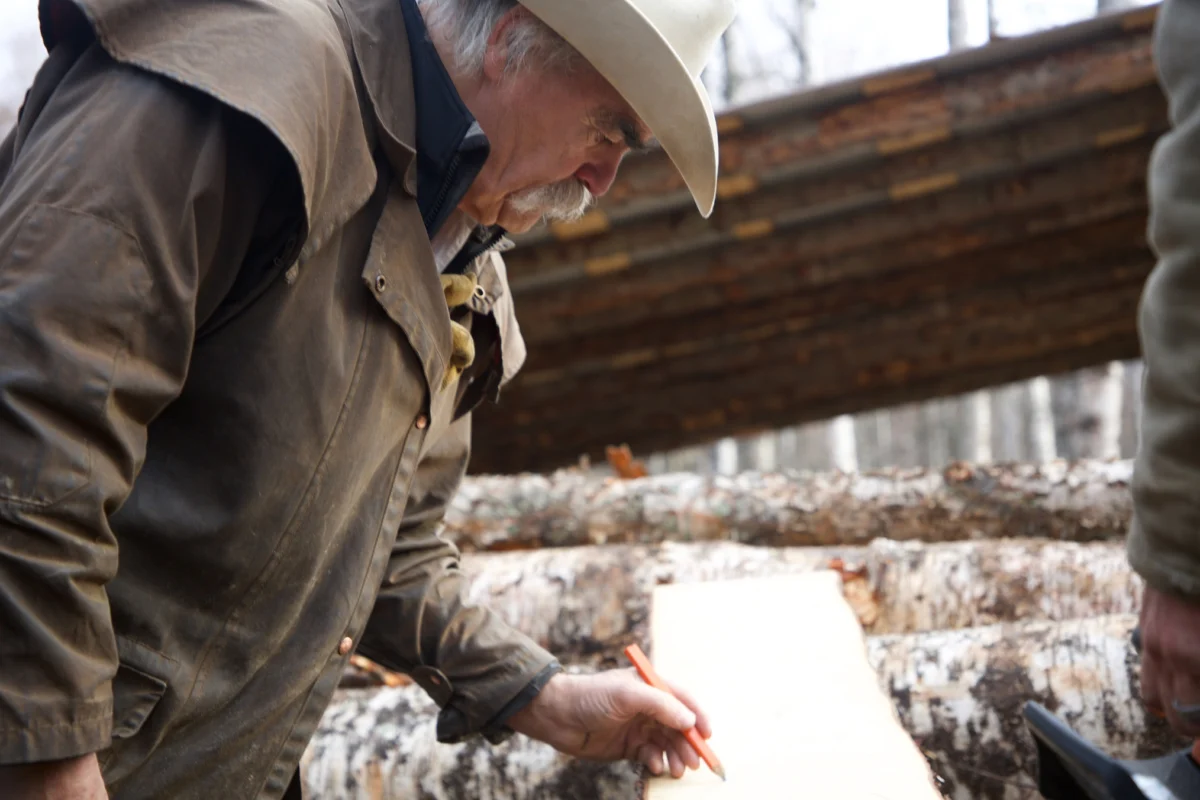
The Discovery Channel has officially announced the expansion of its long-running survivalist programming with the premiere of Homestead Rescue: Intervention, a new spinoff series featuring the veteran wilderness expert Marty Raney and his children, Matt Raney and Misty Bilodeau. Scheduled to debut on July 14 at 8/7c, the series marks a significant shift in the franchise’s format, moving from requested assistance to a high-stakes "intervention" model. For the better part of a decade, the Raney family has been the face of off-grid survival education, but this new iteration challenges their expertise by placing them in the path of homesteaders who are not only failing but, in many cases, have not requested the family’s presence.
Overview of the New Series Format
The core premise of Homestead Rescue: Intervention involves the Raneys being summoned by concerned friends or family members of struggling homesteaders. Unlike the flagship series, where participants typically apply for help, the intervention format often involves an "ambush" element. This dynamic introduces a layer of psychological and interpersonal tension, as the Raneys must first convince the residents to accept their help before they can begin the physical labor of salvaging the property.
Marty Raney, the patriarch of the family, describes the experience as "borderline unnerving." According to Raney, showing up uninvited on the property of independent, often isolated individuals carries inherent risks. The series aims to explore the fine line between rugged independence and dangerous isolation, highlighting the moment when a dream of self-sufficiency turns into a life-threatening crisis.
Chronology of the Premiere and Season Locations
The inaugural season of the spinoff will see the trio traversing a diverse range of American landscapes, each presenting unique environmental hurdles. The premiere episode, airing July 14, takes the Raneys back to their home state of Alaska. They are called to assist a family that has been effectively exiled from their own home. A severe mold infestation has rendered their cabin uninhabitable, forcing the family to live in tents amidst a landscape teeming with grizzly bears. The situation is further complicated by a natural spring laced with arsenic and the looming threat of a seven-month Alaskan winter.
Following the Alaska premiere, the season will document interventions in several other states:
- Montana: The Raneys face a wintery landscape where they uncover a surprising revelation about a homestead’s infrastructure that threatens its viability.
- Arizona: The focus shifts to the psychological toll of homesteading, where property failures have caused significant strain on a marriage.
- New Mexico, North Carolina, and Vermont: Later episodes will cover these regions, addressing issues ranging from water scarcity and soil depletion to inadequate shelter against the humid East Coast climates.
The Evolution of the Homestead Rescue Brand
The launch of Homestead Rescue: Intervention comes as the flagship series enters its tenth year. Since its debut, the show has become a global phenomenon, reaching audiences in countries such as India, Brazil, Italy, and Serbia. The franchise has spanned 14 seasons, making it one of the most successful properties in Discovery’s portfolio of unscripted survival content.

The longevity of the brand is attributed to a growing cultural interest in "escapsim" and self-reliance. Marty Raney notes that while many viewers watch from the comfort of their homes, the desire to leave the "mundane, regimented status quo" is a universal sentiment. However, the reality of the lifestyle often involves a steep learning curve. The Raneys’ philosophy—offering a "hand up, not a handout"—has resonated with viewers who value hard work and traditional craftsmanship.
Analyzing the Intervention Format: Risks and Rewards
The shift to an intervention-style show reflects a broader trend in reality television toward crisis management. By involving the family members of the struggling homesteaders, the show taps into the emotional stakes of failure. In many cases, those attempting to live off-grid are too proud to admit they are in over their heads.
The production faced unique safety challenges during the filming of this season. Marty Raney admitted to questioning producers about the potential for violence, given the independent and sometimes volatile nature of people living in remote areas. "People are independent, and people are crazy. You put those two together and you don’t know what to expect," Raney stated in a recent interview. Despite these concerns, the family found that the "thematic common thread" among homesteaders is an inherent goodness and a willingness to eventually accept help once they realize the Raneys have no judgmental agenda.
The Raney Family Dynamic and Off-Grid Philosophy
Central to the show’s success is the authentic dynamic between Marty, Matt, and Misty. All three are seasoned experts in different facets of homesteading: Marty in construction and stone masonry, Matt in hunting and land management, and Misty in farming and sustainable food systems.
The family practices what they preach on their own 40-acre off-grid homestead in Alaska. This property serves as a multi-generational hub where various family members live in self-built structures with no road access. Marty emphasizes that the ability to work together without the internal friction common in many reality TV families is what allows them to tackle the high-stress environments featured in the show. He credits this to a focus on the collective goal rather than individual ego—a mindset essential for survival in the wilderness.
Data and Trends: The Rising Appeal and Failure of Modern Homesteading
The context for Homestead Rescue: Intervention is a measurable uptick in the "Back to the Land" movement. Data from rural real estate markets over the last five years indicates a surge in interest for properties with "off-grid potential." However, agricultural experts note that the failure rate for first-time homesteaders is high, often cited at over 50% within the first five years.
Common causes for failure include:

- Inadequate Water Systems: Many newcomers underestimate the complexity of sourcing and purifying water.
- Financial Mismanagement: The "start-up" costs of a self-sufficient farm can be prohibitive without a steady external income.
- Environmental Mismatches: Building structures or planting crops that are not suited for the local climate or soil type.
- Isolation: The psychological impact of leaving urban infrastructure can lead to depression and social withdrawal.
The Raneys address these specific issues by providing engineering solutions that are sustainable and low-cost, such as gravity-fed water systems, solar arrays, and reinforced livestock protection.
Broader Implications for Reality Survival Programming
Homestead Rescue: Intervention represents a maturation of the survival genre. While early 2000s survival shows focused on individual endurance (e.g., Man vs. Wild), the current era focuses on the long-term sustainability of communities and families. The intervention model suggests that the "lone wolf" approach to survival is often a path to failure, and that community—even if it arrives in the form of a television crew—is a necessary component of success.
The series also highlights the changing landscape of the American wilderness. Issues such as arsenic in groundwater and the increasing frequency of extreme weather events (as seen in the Montana and Arizona episodes) reflect the modern challenges that go beyond traditional pioneering.
As the Raneys prepare for the July 14 premiere, Marty Raney remains focused on the human element of the work. He describes the experience of meeting complete strangers and, within a week, seeing them realize that their lives have been fundamentally changed. "That’s the peak of privilege," Raney said. "As long as the opportunities are there, I think we are going to keep on working."
Homestead Rescue: Intervention is produced for Discovery Channel by Raw. For Discovery, the executive producers are Gretchen Morning and Michael Gara, with associate producer Greg Wolf. For Raw, the executive producers are Sam Maynard and Julie Meisner Eagle. The series will be available for streaming on Max (formerly HBO Max) following the linear broadcast on Discovery.