The long-standing anticipation surrounding the future of the Wolfenstein franchise has finally reached a conclusion as Xbox leadership confirmed the development of the next mainline entry in the storied series. Nine years after the release of Wolfenstein II: The New Colossus, Asha Sharma, CEO of Xbox, officially announced that Wolfenstein 3 is currently in active production at the Sweden-based developer MachineGames. The announcement, shared via social media, included a preview of the script’s opening chapter, titled "Nazitraz," signaling that the franchise’s protagonist, William "B.J." Blazkowicz, remains the central figure of the narrative.
The confirmation provides a definitive path forward for a series that had remained in a state of hiatus regarding mainline sequels since 2017. While the studio released the spin-off title Wolfenstein: Youngblood in 2019, which shifted the narrative focus to Blazkowicz’s twin daughters, fans have long clamored for a return to the core narrative established in the MachineGames reboot era.
The Evolution of the Wolfenstein Narrative
To understand the significance of this announcement, one must examine the trajectory of the franchise over the last decade. MachineGames, a subsidiary of ZeniMax Media (now under the Microsoft/Xbox umbrella), revitalized the intellectual property in 2014 with Wolfenstein: The New Order. This title was critically lauded for its bold departure from the series’ run-and-gun roots, opting instead for a mature, narrative-driven exploration of an alternate history where the Axis powers emerged victorious in World War II.
The 2014 reboot set a high bar for environmental storytelling and character depth. By placing Blazkowicz in a 1960s landscape dominated by technological supremacy and totalitarian control, the developers transformed a dormant shooter franchise into a poignant commentary on resistance and trauma. Wolfenstein II: The New Colossus, released in 2017, doubled down on these themes, relocating the conflict to an occupied United States. The critical and commercial success of these two titles solidified the modern Wolfenstein identity, making the nine-year gap between the second and third entries feel particularly significant to the gaming community.
Chronology of the Wolfenstein Franchise
The history of Wolfenstein is foundational to the First-Person Shooter (FPS) genre. The following timeline outlines the key milestones that have shaped its legacy:
- 1981: Muse Software releases Castle Wolfenstein for the Apple II, introducing stealth-based mechanics to early home computing.
- 1992: id Software releases Wolfenstein 3D. Often cited as the "grandfather" of the 3D shooter, it popularized the genre’s mechanics and established the corridor-based combat style that defined early 90s gaming.
- 2001: Return to Castle Wolfenstein, developed by Gray Matter Interactive, brings the franchise into the modern 3D era with a focus on mission-based objectives and supernatural elements.
- 2014: MachineGames releases Wolfenstein: The New Order, successfully rebooting the franchise with a focus on cinematic storytelling and character-led drama.
- 2017: Wolfenstein II: The New Colossus launches, expanding the scope of the resistance to the American theater.
- 2019: The cooperative spin-off Wolfenstein: Youngblood is released, focusing on Jess and Soph Blazkowicz.
- 2026: Official confirmation of Wolfenstein 3 development following a period of extended speculation.
Behind the Scenes of "Nazitraz"
The documentation provided by Xbox leadership offers a glimpse into the tone of the upcoming entry. The script page for "Nazitraz" depicts a tense, contained environment—an interrogation cell where the power dynamic shifts instantly upon the entrance of B.J. Blazkowicz. The brevity of the dialogue, specifically the protagonist’s singular word, "Hi," serves as a testament to the character’s reputation within the game’s lore.
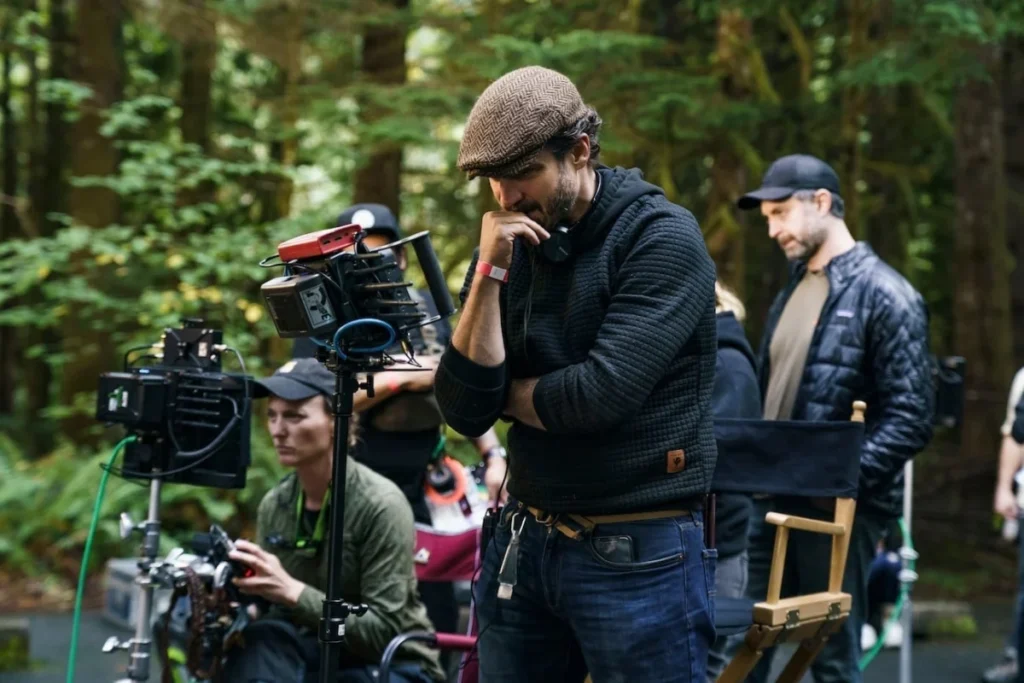
MachineGames has further validated this production update by sharing images from their motion capture sessions. The inclusion of character Fergus Reid, a staple of the rebooted series, confirms that the narrative will likely maintain continuity with the events of The New Colossus. This suggests that the studio is prioritizing the emotional weight and internal consistency that fans have come to expect from their titles.

Industry Implications and Market Position
The announcement of Wolfenstein 3 serves several strategic purposes for Microsoft and its gaming division. Firstly, it reaffirms the studio’s commitment to prestige, single-player experiences within the Xbox Game Pass ecosystem. In an industry increasingly dominated by live-service models and multiplayer-focused games, a major, story-driven title from a celebrated studio like MachineGames serves as a key differentiator.
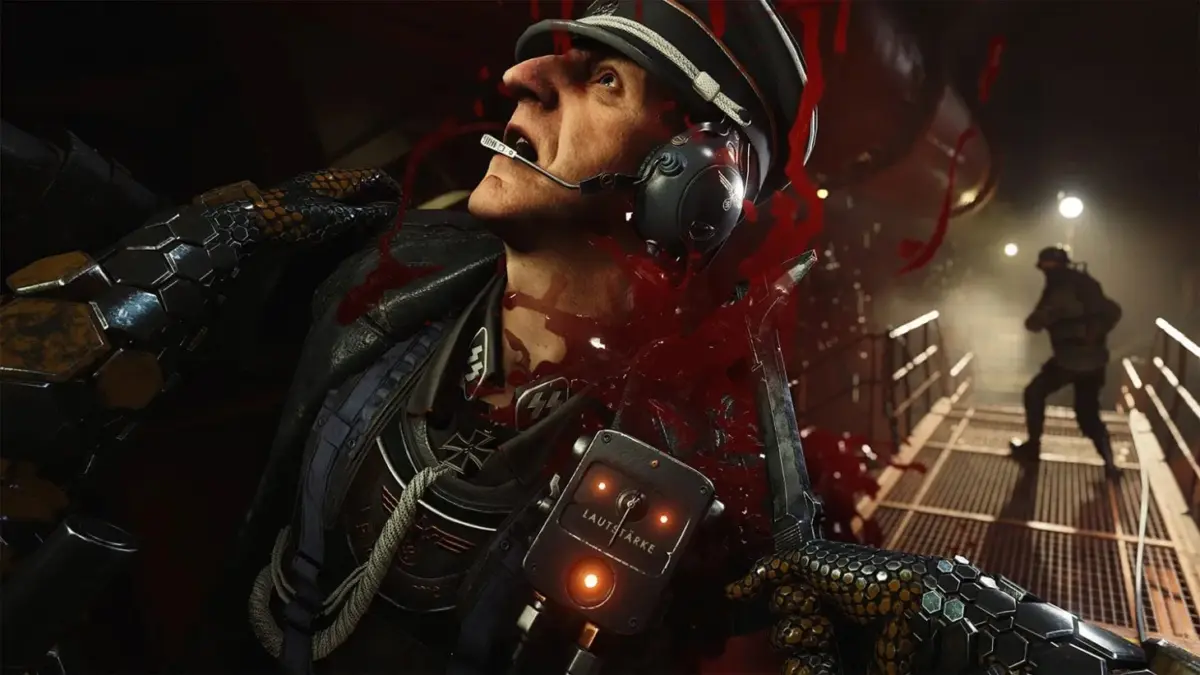
From a development perspective, MachineGames has proven to be a technically proficient studio, particularly in their ability to balance high-octane action with complex, often heavy-handed thematic elements. The transition to the current generation of hardware—leveraging the advanced processing power of the Xbox Series X/S—suggests that Wolfenstein 3 could push the series’ hallmark technical fidelity to new heights. The visual fidelity seen in previous titles, characterized by intricate environmental detail and fluid gunplay, is expected to be a primary focus for the team.
Analyzing the "Modernization" of the Genre
The reception of modern FPS titles has been mixed, with a distinct divide between those favoring the "retro-shooter" aesthetic—characterized by high-speed movement and simplified mechanics—and those favoring cinematic, narrative-heavy experiences. The success of the modern Wolfenstein titles lies in their ability to bridge this gap. By retaining the visceral, satisfying combat of 1990s shooters while integrating the pacing and character arcs of contemporary cinema, MachineGames has managed to avoid the fatigue that has occasionally plagued other long-running franchises.
The studio’s approach to the genre has been to treat the "Nazi-slaying" premise not merely as a hook, but as a vehicle for exploring the consequences of history. This approach has garnered the franchise a dedicated audience that values the synthesis of mechanical skill and narrative engagement.
Looking Toward the Future
While a release date has not yet been finalized, the move from "in development" to "officially in production" indicates that the project has passed its conceptual and early prototyping stages. Industry analysts suggest that the development cycle for a project of this scale, given the studio’s track record for meticulous world-building, will likely involve a significant period of refinement.
The involvement of the original MachineGames team ensures a level of tonal consistency. As the industry watches for further updates, the primary question remains how the studio will evolve the gameplay loop. Will they introduce new mechanics to further differentiate the experience from the previous entries, or will they refine the existing systems to perfection?
For now, the confirmation itself is a victory for the franchise’s fanbase. After nearly a decade of silence, the return of B.J. Blazkowicz represents more than just another sequel; it is the continuation of one of the most successful narrative reboots in the history of the medium. As MachineGames begins the long road to launch, the gaming community remains focused on the potential for the series to once again redefine what a modern, high-budget shooter can achieve in terms of both visceral impact and emotional resonance. The stage is set for a return to the halls of the resistance, and based on the early script details, the tone promises to be as uncompromising and intense as ever.