The cinematic fervor surrounding the release of Christopher Nolan’s recent epics demonstrated a profound consumer appetite for premium, large-format viewing experiences. When audiences scrambled to secure tickets for 70mm IMAX presentations, the industry took note: viewers were not just seeking content; they were seeking a specific, immersive scale that domestic televisions and mobile devices had largely failed to replicate. Recognizing this shift in the entertainment landscape, Meta is positioning its latest hardware not as a replacement for the theater, but as a high-fidelity sanctuary for the post-theatrical window.
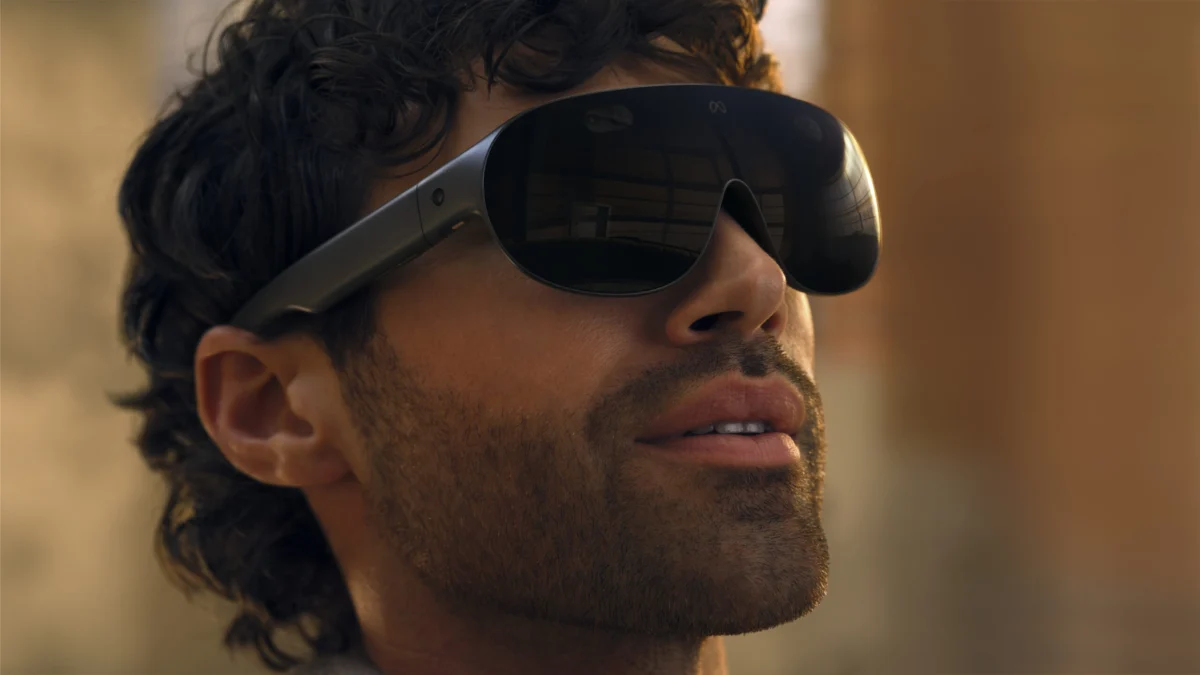
At its Menlo Park headquarters, Meta CEO Mark Zuckerberg unveiled a new class of VR eyewear that the company believes represents a genuine technological breakthrough. Moving away from the "metaverse" branding that dominated its strategy in previous years, the company is pivoting toward a "breakthrough-first" philosophy. The result is a lightweight, controller-free device that aims to serve as an all-in-one cinema, computer, and gaming console. This announcement arrives at a pivotal time for the hardware industry, as companies struggle to reconcile the portability of mobile devices with the immersive demands of modern digital media.
A Chronology of Meta’s Hardware Evolution
Meta’s journey to this moment has been marked by iterative trial and error. Since the acquisition of Oculus in 2014, the company has navigated a turbulent path of hardware development:
- 2019: The release of the Oculus Quest marked a milestone by introducing a standalone, all-in-one wireless headset that removed the need for external sensors or tethering to a PC.
- 2020-2022: The launch of the Quest 2 and the subsequent focus on the "metaverse" saw a significant increase in user adoption, though the hardware remained criticized for its bulk and reliance on handheld controllers.
- 2023: The Quest 3 introduced improved mixed-reality capabilities, yet the weight of the device remained a barrier for long-form media consumption.
- 2024: Meta shifted its internal R&D strategy to prioritize comfort, aesthetics, and specialized optics, leading to the development of the new Meta VR Glasses, which are reportedly five times lighter than their predecessors.
This latest iteration signifies a departure from the "clunky" aesthetics of previous generations. By offloading the primary weight of the device to a small, pocketable computing puck, Meta has addressed the most common consumer complaint regarding VR: fatigue.
The IMAX Enhanced Partnership and Visual Fidelity
Perhaps the most significant development for cinephiles is Meta’s announcement that its new glasses will be the first IMAX Enhanced certified VR device. This certification is not merely a marketing label; it implies a rigorous standard of visual fidelity that ensures the display can replicate the specific aspect ratios and high-dynamic-range (HDR) color grading favored by visionary directors.
In practical terms, this allows a user to view a film like Oppenheimer or Avatar: The Way of Water in a virtual space that mirrors the scale and clarity of an IMAX theater. By leveraging Dolby Vision and Dolby Atmos support, the device aims to provide a soundstage and visual depth that effectively eliminates the "cramped" feeling of watching blockbuster content on a standard laptop or airplane seat-back screen.
Industry Perspectives and the Role of Creators
The strategy has garnered cautious optimism from Hollywood’s elite. James Cameron, a vocal proponent of 3D and high-frame-rate cinema, appeared at the Meta keynote to endorse the device’s capabilities. His involvement extends beyond mere presence; his recent acquisition of the production firm Outsyders, which specializes in converting library content into 3D, aligns with Meta’s push to revitalize the 3D home entertainment market.
"Our intent is to be the destination for content once it exits the theatrical window," explains Sarah Malkin, head of entertainment for Meta’s Reality Labs. "We are not trying to replace the cinema experience. We are trying to solve the problem of the ‘crappy little phone’ viewing experience. When a film is no longer in theaters, we want to provide the next best thing—a way to see it as the director intended."
This sentiment is echoed by content partners across the board. The integration with Disney+ to provide 3D streaming and the commitment to broadcast live sports—including over 100 events from ESPN in the device’s first year—suggests that Meta is moving beyond gaming as its primary use case.
Technical Specifications and Accessibility
The technical leap from the Quest 3 to the new glasses is substantial. By eliminating the necessity for controllers, Meta is removing a significant barrier to entry for non-gamers. The device utilizes advanced hand-tracking technology, allowing users to navigate interfaces through natural gestures. For those who still prefer tactile input—particularly in gaming environments like Beat Saber—the device remains compatible with traditional controllers.
The weight reduction, achieved by relocating the processing unit to an external pack, is expected to increase the average "wear time" for users. Industry analysts note that while previous headsets were often relegated to short, 30-minute gaming sessions, a device that feels as light as a pair of oversized glasses could realistically support a two-hour film without causing neck strain or discomfort.
Market Analysis: The Future of the Living Room
The pivot toward high-end media consumption is a calculated risk. For years, the VR industry has been trapped in a "gaming-first" cycle, which limited the market to a specific demographic of enthusiasts. By framing the device as a "personal cinema," Meta is expanding its potential market to include film buffs, sports fans, and frequent travelers.
However, challenges remain. The price point, distribution, and the necessity of wearing a headset in public or private spaces are hurdles that have hindered mass adoption for decades. Furthermore, the reliance on streaming services—such as Peacock, Paramount+, and HBO Max—requires seamless software integration that must remain stable to justify the premium price of the hardware.
The inclusion of original programming, such as the Open Season series starring Draymond Green, indicates that Meta is willing to invest in exclusive content to drive adoption. By creating a closed ecosystem where users can attend virtual screenings or watch sports with friends in a shared digital space, Meta is attempting to re-socialize the viewing experience, which has become increasingly fragmented in the era of solo streaming.
The Path Forward
Meta’s strategy appears to be a long-term play to become the "third screen" in the modern household. Following the smartphone and the television, the VR glass represents a third, potentially more intimate display. If the company can successfully bridge the gap between high-end theatrical quality and the convenience of mobile technology, it may well define the next decade of home entertainment.
As the VR wars heat up again, the focus has shifted from the vague promise of a "metaverse" to the tangible, immediate value of high-quality media consumption. By aligning itself with the giants of the film industry and prioritizing the sanctity of the director’s vision, Meta is banking on the idea that even in a digital world, audiences will always gravitate toward the best possible seat in the house. Whether this "breakthrough" will achieve mass-market penetration remains to be seen, but the industry is clearly watching, and for the first time in years, the promise of immersive, high-fidelity VR feels grounded in the reality of the theater.