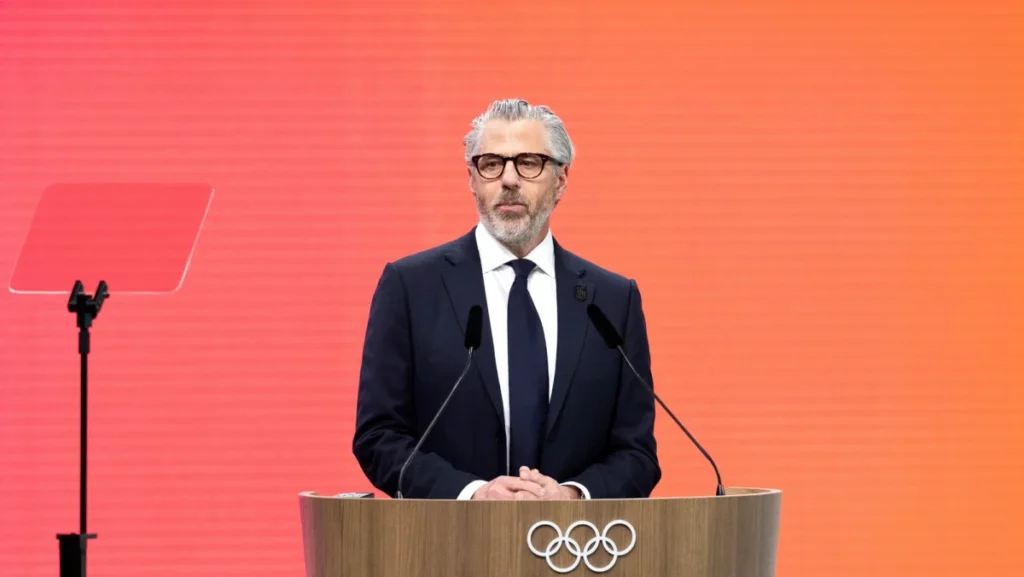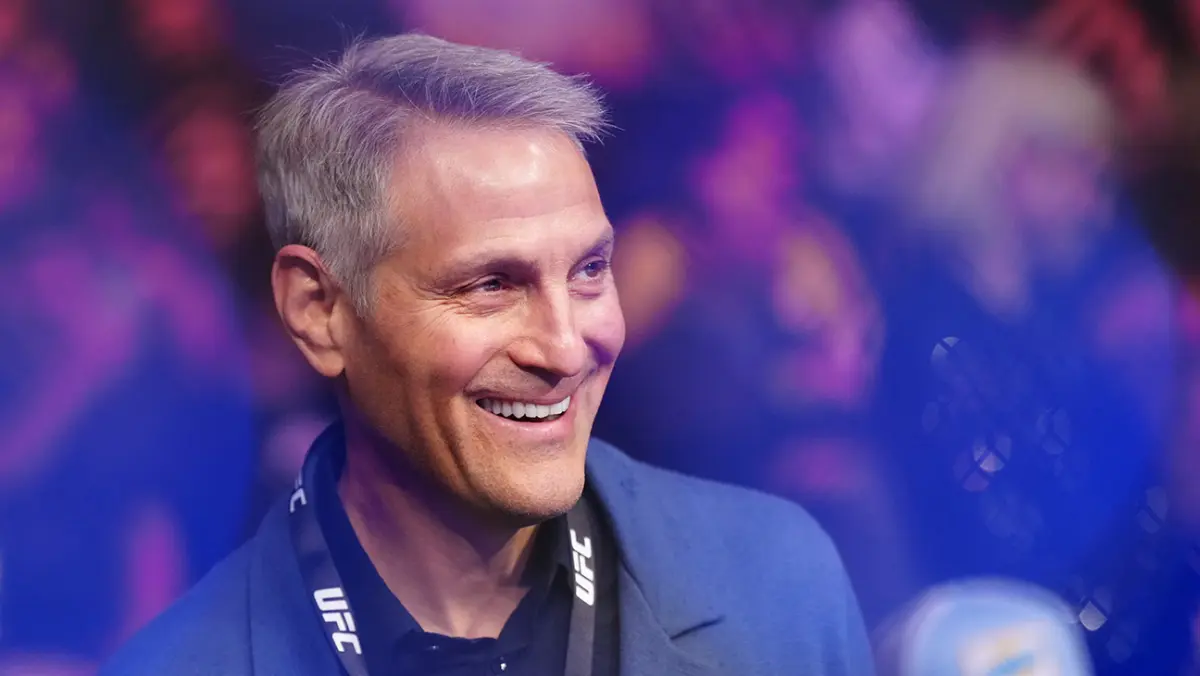
Ari Emanuel, the high-octane chief executive of TKO Group Holdings and WME, stepped onto the stage in London this past Saturday for an event titled An Evening With the Dealmaker Who Reshaped Hollywood. The gathering, hosted by former Vanity Fair and New Yorker editor-in-chief Tina Brown, served as a platform to promote his new memoir, Roll the Calls, published by Penguin Random House. Throughout the evening, the man who inspired the mercurial Ari Gold of HBO’s Entourage navigated a wide-ranging conversation that spanned his ascent from the mailrooms of Creative Artists Agency (CAA) to the corridors of global corporate power, while weighing in on the existential threats posed by artificial intelligence and the volatile landscape of contemporary American politics.
From Mailroom Hustler to Corporate Titan: A Career Retrospective
Emanuel’s career is a study in aggressive negotiation and the evolution of the modern talent agency. His tenure at CAA in the 1980s and 90s provided the crucible for his signature style: a relentless, direct, and often polarizing approach to deal-making. After co-founding the Endeavor Talent Agency in 1995—which later merged with William Morris to form WME—Emanuel transitioned from being a representative of elite talent to a consolidator of entertainment and sports media empires.
His client roster reads like a definitive list of 21st-century cultural influence, including Martin Scorsese, Larry David, Quentin Tarantino, and Oprah Winfrey. During the London discussion, Emanuel reflected on the fundamental nature of his role as an agent. He argued that the value of an agent lies not in administrative convenience, but in the provision of unvarnished, high-stakes advice. "You pay me 10 percent for my opinion," he remarked. "You’ll listen to my opinion. You don’t want to follow it, don’t follow it. I’ve been fired for giving my 10 percent, and I’m OK with that." This philosophical commitment to honesty—even at the risk of losing clients—has been the hallmark of his brand for over three decades.
The AI Frontier: Why Taste Remains the Human Moat
As the entertainment industry grapples with the seismic shifts brought on by generative artificial intelligence, Emanuel offered a nuanced perspective on the technology. While many in Hollywood fear that AI will replace creative labor, Emanuel framed the technology as a tool that requires human curation to remain effective.
"AI is just an average—a very good average," Emanuel asserted. He contended that while AI can aggregate data and synthesize patterns, it lacks the two qualities essential for artistic success: taste and judgment. For an agent whose career has been defined by his ability to identify "the next big thing," the distinction is critical. He noted that creative visionaries, such as Martin Scorsese, will likely utilize AI to enhance their creative workflows, but the "soul" of the work will continue to be driven by human intent.
His wife, a fashion designer, serves as his primary case study for this hybrid approach. By using AI as an engine for efficiency while retaining the final say on aesthetic direction, she demonstrates that AI does not eliminate the need for a creative lead—it merely changes the nature of the labor. However, Emanuel did express concern regarding the "absence of morality" in current AI models, acknowledging that the industry has yet to determine how to integrate ethical guardrails without stifling the rapid technological innovation that defines the current era.
The UFC Acquisition: A Case Study in Crisis Management
When prompted to discuss the most grueling negotiation of his career, Emanuel pointed to the 2016 acquisition of the Ultimate Fighting Championship (UFC). The process was a logistical and financial labyrinth that nearly collapsed under the weight of geopolitical instability.
The deal, which saw WME-IMG purchase the UFC for approximately $4 billion, was intended to be a straightforward transaction. Initially, Emanuel had hoped for a buyout by Fox, but the network declined. Other potential partners, including Warner Bros., were undergoing internal restructuring. This left a power vacuum that attracted interest from international investors, particularly from China, which was aggressively expanding its footprint in the Western entertainment sector at the time.
UFC CEO Dana White was reportedly opposed to the Chinese acquisition, forcing Emanuel to pivot. The situation reached a breaking point during the 2016 Brexit referendum. Emanuel noted that the ensuing volatility in the banking sector threatened the financing of the deal, forcing him to navigate a global financial crisis in real-time. "It was just one headache after another," he recalled. The successful closure of the deal ultimately paved the way for the formation of TKO Group Holdings, the entity that now manages both the UFC and World Wrestling Entertainment (WWE).
Navigating the Political Divide: A Centrist View
Emanuel, a vocal Democrat, expressed a pragmatic view on the current political climate in the United States. He argued that sports and live entertainment remain some of the few remaining "common grounds" capable of bridging the deep ideological divides in the country.
Regarding the rise of the MAGA movement and the influence of Donald Trump, Emanuel maintained a detached, albeit observant, stance. While he was critical of the polarization inherent in both the far-right and far-left—explicitly distancing himself from both MAGA and the Democratic Socialists of America—he remained open to communication. He confirmed that he has spoken with Donald Trump as recently as a month ago, citing specific concerns regarding the former president’s policy stance on Ukraine. Emanuel hinted at future conversations, suggesting that he maintains a line of communication with political figures across the spectrum to advocate for his interests.
The Case for Rahm Emanuel
Perhaps the most significant revelation of the evening was his endorsement of his brother, Rahm Emanuel, as a potential presidential candidate. Rahm, currently serving as the U.S. Ambassador to Japan and formerly the Mayor of Chicago and White House Chief of Staff, is viewed by Ari as the quintessential centrist leader.
"I don’t think there’s a better candidate in the world who could be president," Ari stated, citing his brother’s extensive background in executive governance, his dedication to social programs, and his willingness to engage in the "fight" of partisan politics. While the remark was framed in a semi-casual tone, it underscores the Emanuel family’s enduring commitment to the intersection of policy and power.
Implications for the Future of Hollywood and Media
The conversation in London highlights the shift in Hollywood from the traditional studio system to a model dominated by consolidated media holding companies. As TKO Group continues to integrate the UFC and WWE, the strategy of leveraging "live events" as a hedge against the fragmentation of digital streaming appears increasingly sound.
Emanuel’s focus on the human element—taste, curiosity, and judgment—serves as a counterpoint to the prevailing industry narrative that AI will inevitably commoditize entertainment. His career, marked by the successful transition from agent to media mogul, suggests that the "dealmaker" role is evolving into that of a content architect.
As he looks toward the future, Emanuel remains a key bellwether for the industry. Whether he is negotiating multi-billion dollar sports acquisitions or debating the morality of AI, his influence remains a force in global media. Roll the Calls, by offering a window into his early days and his ongoing strategic shifts, provides a foundational text for understanding the man who, for better or worse, helped define the modern era of Hollywood.