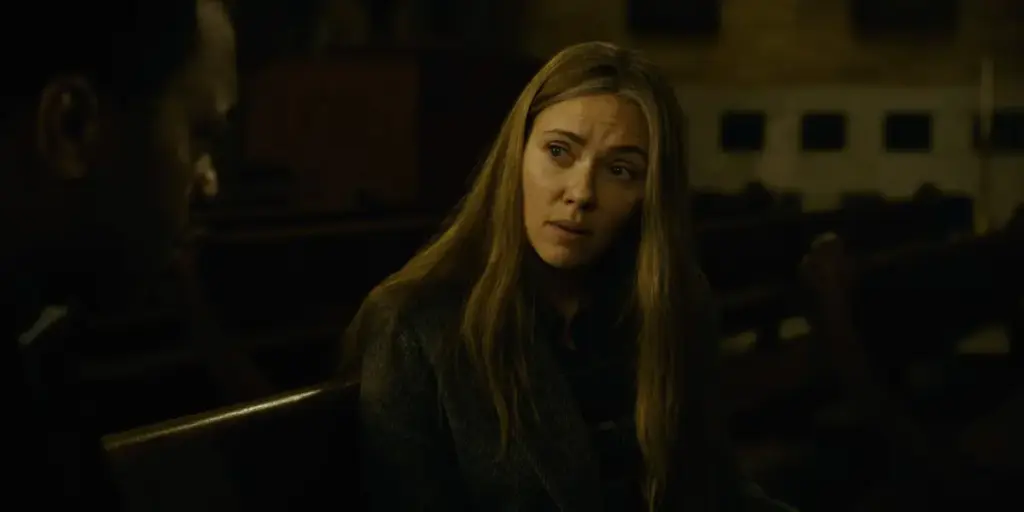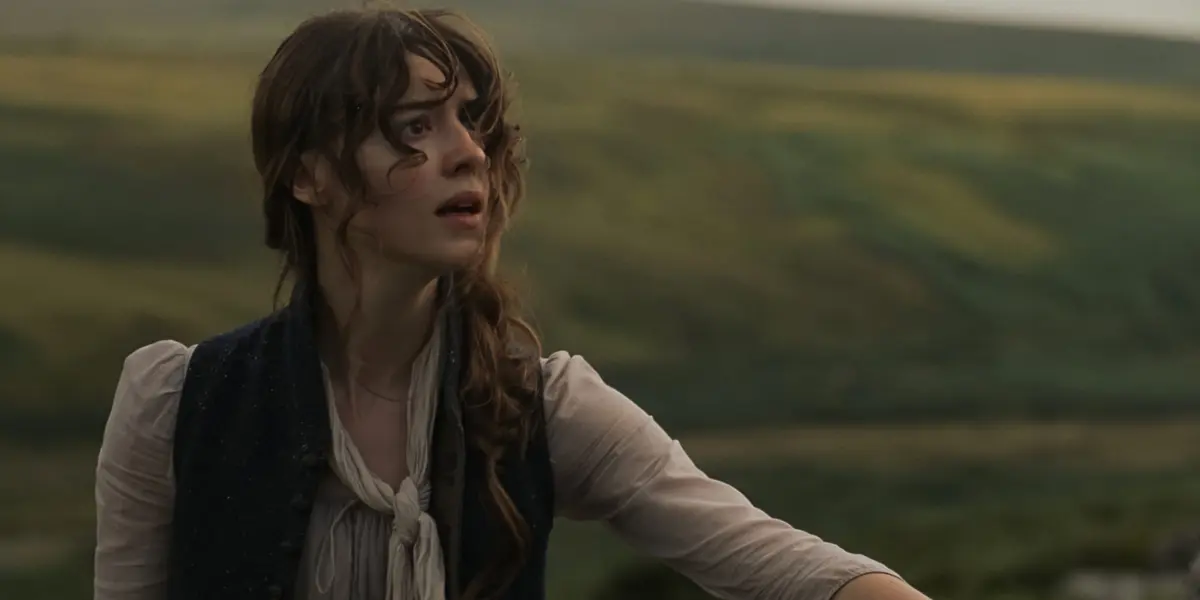
Jane Austen’s timeless 1811 literary masterpiece, Sense and Sensibility, has once again been adapted for the screen, arriving in cinemas nationwide courtesy of Focus Features. The 2026 period romantic drama, directed by acclaimed filmmaker Georgia Oakley from a perceptive screenplay written by Diana Reid, offers a contemporary yet faithful cinematic reimagining of the beloved novel. As the film secures its theatrical release, key members of the creative team, including lead star Daisy Edgar-Jones and director Georgia Oakley, have engaged in exclusive interviews with the Next Best Picture Podcast to discuss the intricate process of modernizing Austen’s exploration of sisterhood, love, and societal expectation.
Main Facts and Narrative Premise
At its core, Sense and Sensibility follows the tumultuous fortunes of the Dashwood family following a sudden and devastating bereavement. After the death of Mr. Dashwood, his second wife, Mrs. Dashwood, and their three daughters—Elinor, Marianne, and Margaret—find themselves stripped of their family estate due to the legal constraints of male primogeniture. Forced to vacate Norland Park, the women relocate to Barton Cottage in Devonshire, a humble dwelling provided by a generous relative.
The narrative heavily pivots on the contrasting temperaments of the two eldest sisters. Elinor, embodied by Daisy Edgar-Jones, personifies "sense"—characterized by her prudence, emotional restraint, and steadfast rationalism. Conversely, Marianne, portrayed by Esmé Creed-Miles, is the epitome of "sensibility"—defined by her intense romanticism, profound emotional sensitivity, and impulsive heart. Alongside Caitríona Balfe as Mrs. Dashwood, the film charts the family’s navigation of financial insecurity, social displacement, and the often painful labyrinth of 19th-century courtship.
The stellar ensemble cast features Frank Dillane as the charming yet elusive John Willoughby, Herbert Nordrum as the stoic and devoted Colonel Brandon, George MacKay as the gentle Edward Ferrars, and veteran actress Fiona Shaw as the vibrantly meddlesome Mrs. Jennings. Together, this cast anchors a production designed to balance period authenticity with modern psychological resonance.
Chronology and Production Background
The journey to bring this specific adaptation of Sense and Sensibility to the silver screen began several years prior to its 2026 premiere. Development on the project commenced in the early 2020s, as Focus Features sought to commission a fresh adaptation that would speak directly to modern audiences while honoring the linguistic and structural integrity of Austen’s original text.
Director Georgia Oakley, celebrated for her perceptive eye for character-driven drama, was brought on board to helm the project, working closely with screenwriter Diana Reid to refine the script. Pre-production ramped up significantly through 2024, involving extensive scouting for historic locations across the United Kingdom capable of replicating early 19th-century rural and domestic English landscapes. Principal photography took place throughout 2025, utilizing authentic costume design, natural lighting techniques, and period-accurate set decorations to ground the emotional stakes in tangible realism.
Post-production wrapped in late 2025, positioning the film for its high-profile theatrical rollout in early 2026. Throughout the release window, Focus Features orchestrated a robust marketing campaign, leveraging press tours and promotional media appearances, including in-depth critical discussions featured on the Next Best Picture Podcast platform, which is distributed via the Evergreen Podcasts Network.

Supporting Data and Adaptational Context
Jane Austen’s Sense and Sensibility holds a unique place in cinematic and literary history. As Austen’s first published novel—initially appearing anonymously in 1811 under the simple attribution "A Lady"—it has seen numerous adaptations across television, stage, and film. Most notably, Ang Lee’s 1995 cinematic adaptation, which featured a screenplay by and starring Emma Thompson alongside Kate Winslet, Hugh Grant, and Alan Rickman, remains a critical and commercial benchmark. That film grossed over $135 million worldwide against a modest budget and earned seven Academy Award nominations, winning Best Adapted Screenplay for Thompson.
The 2026 iteration led by Oakley and Reid enters a crowded field of literary revivals but distinguishes itself through its specific thematic focus on female solidarity and psychological depth. Rather than treating the material as a standard costume drama, the production emphasizes the stark economic vulnerability faced by women during the Regency era—a core critique embedded within Austen’s original social satire. Statistical insights from box office trackers indicate that period dramas targeting nuanced character studies continue to draw reliable niche and mainstream crossover audiences, particularly when anchored by globally recognized talent like Edgar-Jones and MacKay.
Official Responses and Creator Insights
During their interviews with the Next Best Picture Podcast and affiliated reviewers such as Nadia Dalimonte, both Edgar-Jones and Oakley elaborated on the collaborative effort required to translate such an iconic literary property for contemporary viewers.
Daisy Edgar-Jones reflected extensively on the psychological dualities of her character, Elinor Dashwood. Describing the challenge of portraying a woman who suppresses her own heartbreak to maintain familial stability, Edgar-Jones emphasized the modern relevance of Elinor’s internal struggles. The actress noted that while the social constraints of the 1800s differ vastly from modern society, the emotional burden of masking personal grief for the sake of others remains a universally relatable human experience. She also praised the off-screen chemistry with co-star Esmé Creed-Miles, stating that establishing an authentic, protective sisterly bond was crucial for grounding the emotional architecture of the film.
Director Georgia Oakley, speaking with Nadia Dalimonte, detailed her vision for breathing new life into the classic narrative. Oakley stressed the importance of avoiding pastiche, aiming instead for a visceral, lived-in portrayal of Regency life. By focusing on the physical claustrophobia of Barton Cottage compared to the sweeping expanse of Norland Park, Oakley utilized cinematography and spatial design to visually reinforce the characters’ sudden downward social mobility. Furthermore, Oakley highlighted screenwriter Diana Reid’s ability to sharpen Austen’s biting wit, ensuring that the dialogue resonates with sharp social commentary while retaining its historical flavor.
Broader Impact and Industry Implications
The release of this new adaptation of Sense and Sensibility arrives at a time when Hollywood continues to reexamine classic intellectual properties through contemporary lenses. By empowering female filmmakers and writers—such as Oakley and Reid—to helm major studio adaptations of foundational feminist texts, production houses like Focus Features are actively shifting the perspective from which historical narratives are told.
From a commercial standpoint, the film tests the viability of mid-budget, character-driven period dramas in a theatrical landscape increasingly dominated by franchise blockbusters and intellectual property universes. Early box office returns and critical receptions suggest that there remains a robust, dedicated appetite for high-craft storytelling that prioritizes emotional intelligence, intricate character arcs, and literary pedigree.
As the film continues its theatrical run, its legacy will likely be measured not only by its box office performance but by its contribution to the ongoing evolution of Austen adaptations. By bridging the gap between 19th-century social critique and 21st-century cinematic craft, Georgia Oakley, Daisy Edgar-Jones, and the entire production team have ensured that the Dashwood sisters’ journey through love, loss, and resilience continues to captivate modern audiences worldwide.