The iconic character of Sarah Connor, arguably one of the most significant figures in the history of science fiction cinema, will not be returning to the big screen under the portrayal of Linda Hamilton. Following recent confirmation from James Cameron that a new installment in the Terminator franchise is currently in the early stages of development, Hamilton has formally signaled her departure from the series, effectively closing a chapter that began in 1984.
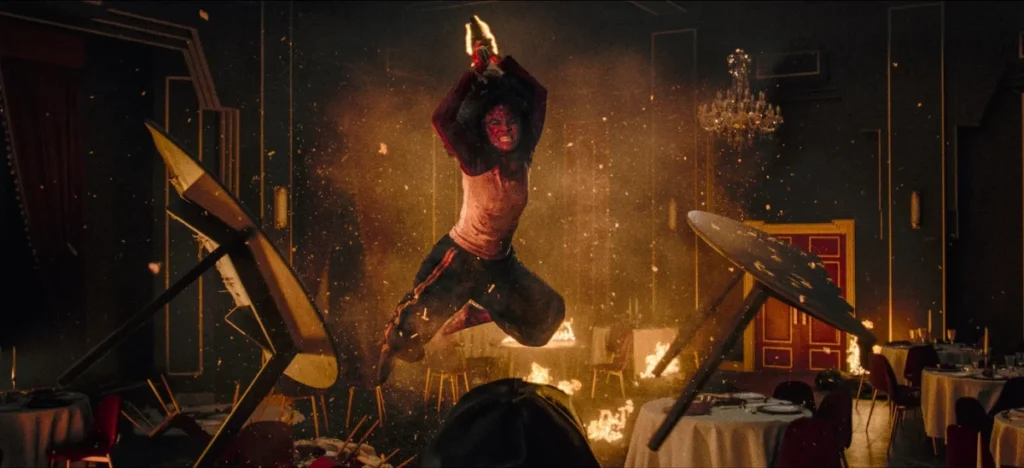
During a recent promotional appearance for her latest project, Trust Me, I’m a Doctor, Hamilton addressed inquiries regarding the potential for her involvement in future Terminator iterations. Responding to reports of Cameron’s plans to revive the franchise, Hamilton stated, "I’m out," noting that she was surprised by the news of further development given the commercial trajectory of the previous entry, 2019’s Terminator: Dark Fate.
A Chronology of the Sarah Connor Legacy
The evolution of the Terminator franchise has been marked by a complex history of shifting creative directions and fluctuating box office performance. The journey began with James Cameron’s original 1984 film, The Terminator, which introduced Sarah Connor as an ordinary woman thrust into a harrowing battle for survival against a lethal cyborg from the future. The character reached her cultural zenith in 1991’s Terminator 2: Judgment Day, a film widely considered a pinnacle of the sci-fi action genre.
Following the success of the first two films, the franchise expanded into multiple sequels and a spin-off television series without the direct creative oversight of Cameron. These included Terminator 3: Rise of the Machines (2003), Terminator Salvation (2009), and Terminator Genisys (2015). Linda Hamilton’s return to the role in 2019 for Terminator: Dark Fate—which reunited her with Cameron in a producing capacity and Tim Miller as director—was intended to serve as a direct sequel to the events of Judgment Day, effectively ignoring the narrative arcs of the intervening sequels.
Despite critical appreciation for the return to the series’ foundational tone, Dark Fate struggled at the global box office. According to industry reports, the film grossed approximately $261 million worldwide against a production budget estimated at $185 million, leading to significant financial losses for the studios involved once marketing and distribution costs were accounted for. This performance appeared to signal a cooling of interest in the property, leading to the assumption that the franchise had reached a natural conclusion.

The Evolution of the Franchise and Current Development
James Cameron’s recent comments regarding a new project indicate a strategic pivot. Speaking to Flicks in late 2025, Cameron confirmed that he is actively exploring a new approach to the Terminator universe. The filmmaker expressed that the rapid advancement of real-world artificial intelligence has created a landscape that is increasingly mirroring the thematic concerns he first explored four decades ago.
However, Cameron acknowledged the immense challenge of competing with the legacy of the early films. His current approach is characterized by caution; he is prioritizing the development of a narrative that can justify its existence in a saturated market, rather than rushing a sequel into production. As of early 2026, the project remains in the development phase, lacking an official greenlight, release date, or cast attachments.
Analyzing the Impact of Hamilton’s Departure
The departure of Linda Hamilton carries significant weight for the franchise’s future. For many audiences, Sarah Connor is the emotional anchor of the series. Her transition from a vulnerable victim to a battle-hardened survivalist defined the character’s legacy. By definitively stepping away, Hamilton places the burden of proof on the production team to either move the narrative toward new characters or attempt the difficult task of recasting a role that has been synonymous with her performance for over 40 years.
Industry analysts suggest that this shift may be an opportunity for the franchise to reset. The "Legacy Sequel" trend—which often relies on the return of original cast members to draw in legacy audiences—has shown diminishing returns in recent years. By removing the anchor of the original cast, a new iteration of the Terminator could potentially explore the series’ core premise of man versus machine through a modern, contemporary lens without the constraints of prior continuity.
The Technological Context of Future Narratives
The thematic relevance of the Terminator series has arguably never been higher. When the original film was released in 1984, the concept of a sentient, hostile artificial intelligence was relegated to the realm of speculative fiction. Today, the rapid development of generative AI, autonomous weaponry, and machine learning algorithms has brought these questions to the forefront of global discourse.
Cameron’s expressed wariness of technology outpacing human control suggests that any future installment will likely lean heavily into these contemporary anxieties. The challenge for the creative team will be to translate these high-level philosophical concerns into a compelling cinematic experience that does not rely solely on the nostalgia of the 1980s and 90s.

Official Stance and Future Outlook
While Hamilton has maintained that she holds no ill will toward the franchise and wishes the team well, her position remains firm. Her past comments to The Hollywood Reporter in 2020 suggested an openness to projects that offered something genuinely new or artistically stimulating, but her current, more definitive stance implies that she believes she has completed her exploration of the character.
As the production team moves forward, the industry will be watching to see how they navigate the void left by Hamilton’s departure. The decision to proceed with the franchise without its most recognizable human element is a high-stakes gamble. It remains to be seen whether a new Terminator film can capture the zeitgeist of the current era or if the legacy of the original films is best left untouched.
In the broader context of Hollywood intellectual property management, the Terminator case serves as a prime example of the difficulties inherent in maintaining long-running franchises. Balancing the expectations of a dedicated fanbase with the need for fresh, relevant storytelling is a recurring obstacle for major studios. As James Cameron looks toward the future of the series, the focus will likely shift from the survival of Sarah Connor to the survival of the human race in a world where the lines between organic intelligence and synthetic automation are increasingly blurred.
Whether or not the new project receives a full greenlight, the conversation surrounding the Terminator series serves as a reminder of the enduring power of its initial premise. Even without its original star, the shadow of Skynet and the existential threat of technological singularity continue to resonate as one of the most poignant cautionary tales in modern cinema. For now, the audience waits to see if Cameron can translate these fears into a vision as impactful as the one that first captured global attention in 1984.