A Legacy Defined by Struggle and Triumph
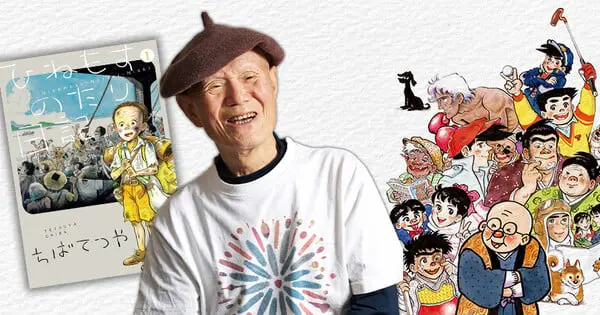
Tetsuya Chiba was born in 1939, and his ascent to becoming one of Japan’s most influential artists was marked by an uncanny ability to capture the human condition—specifically the struggle of the marginalized. While his bibliography was extensive, he is indelibly linked to the seminal sports manga Ashita no Joe, which he created alongside writer Asao Takamori (Ikki Kajiwara).
The series, which centered on the life of Joe Yabuki, a troubled youth who finds purpose and redemption through professional boxing, became a cultural touchstone in the late 1960s and 1970s. It did not merely depict a sport; it captured the zeitgeist of a post-war Japan grappling with poverty, identity, and the desperate need for heroes. The imagery of Joe’s final, silent moment in the ring remains one of the most famous and debated panels in the history of manga, symbolizing the ultimate sacrifice of a man who gave everything to his craft.
Chronology of Health Struggles and Continued Dedication
In the years leading up to his passing, Chiba’s health became a subject of concern among his vast readership. Despite the physical toll of his later years, his commitment to his profession remained unwavering.
- November 2021: Chiba was hospitalized, prompting widespread concern from fans and industry peers.
- January 2022: The artist successfully underwent heart surgery to insert a stent into his coronary artery, a procedure that highlighted the fragility of his health but also his resilience.
- 2024: Chiba underwent eye surgery to address vision issues, a critical challenge for an artist who spent over 70 years drawing.
- October 22, 2026: Tetsuya Chiba passed away, leaving behind a body of work that continued to influence modern creators.
- October 27, 2026: The official announcement of his death was released, triggering a wave of public mourning.
Throughout these medical interventions, Chiba refused to retire. He remained an active mentor, participated in the governance of the Japan Cartoonists Association, and continued to serialize his reflective work, Hinemosu Notari Nikki. His persistence was not merely a matter of habit; it was a testament to his belief in the necessity of the artist’s voice, regardless of age or physical limitation.
Industry Tributes: A Collective Loss
The breadth of the tributes following Chiba’s passing underscores his status as an "artist’s artist." Unlike many figures who fade from public view, Chiba remained a central pillar for both the editorial and creative sides of the industry.
Editorial giants, including the editors at Morning magazine, noted that Chiba served as a primary judge for the Tetsuya Chiba Award for 46 years. This initiative served as a gateway for countless contemporary artists, many of whom are now industry leaders themselves. The editors expressed that his impact on the next generation was not just through his drawing style, but through the intellectual rigor and moral clarity he demanded from newcomers.
Other prominent creators shared personal anecdotes that painted a portrait of a man who was as humble as he was legendary. Akira Himekawa, best known for the Legend of Zelda manga series, recounted an instance where Chiba offered deep, unsolicited advice on copyright and international distribution in 2010. This support provided the infrastructure for many artists to navigate the complexities of a globalized market, proving that Chiba’s legacy extended to the legal and professional protection of his peers.

Hideo Kojima, the world-renowned game director, shared his personal connection to Chiba’s work, revealing that in the immediate aftermath of the news, he revisited the final matches of Ashita no Joe 2. Kojima’s sentiment—that Chiba’s work defined his youth—is a reflection of the shared generational experience that Ashita no Joe provided to millions of readers across Japan and the world.
Fact-Based Analysis: The Implication of Chiba’s Passing
The death of Tetsuya Chiba represents more than the loss of a pioneer; it marks a significant shift in the landscape of the "Golden Age" of manga. Chiba belonged to a generation of artists who operated in a pre-digital environment, relying on manual drafting techniques and a level of narrative density that defined the standard for the medium.
His influence on the structural integrity of sports manga is undeniable. The tropes of the "underdog hero" and the "mentor-student relationship" were refined and elevated through his work. As the industry moves toward digital-first production and global streaming platforms, the loss of a figure like Chiba highlights the challenge of preserving the "human touch" in storytelling. His ability to balance the technical demands of serialized manga with the emotional weight of character development remains a benchmark for the current generation of mangaka.
Furthermore, his role as an educator and mentor ensured that his techniques—both artistic and professional—were institutionalized within the industry. By serving on boards and judging panels, he ensured that the values of the "old guard"—professionalism, sincerity to the craft, and advocacy for artists’ rights—would persist long after his passing.
Final Respects and Future Outlook
As the industry processes this loss, there is a clear consensus that Chiba’s influence will continue to manifest in the works of those he mentored and the millions he inspired. His final years, spent mentoring younger creators and contributing to the development of the manga industry, serve as a closing chapter to a life that was lived entirely in the service of his art.
The outpouring of condolences from organizations like TMS Entertainment, which adapted his works for the screen, and the personal, heartfelt messages from contemporaries like Makiko Matsumoto, daughter of the late Leiji Matsumoto, illustrate the depth of the personal bonds he forged. These are not merely professional tributes; they are testaments to a man who, despite his immense fame, remained deeply connected to the people around him.
As the manga industry looks to the future, it does so with the foundations laid by Tetsuya Chiba. His passing serves as a somber reminder of the transient nature of life, but his work stands as an enduring monument to the power of the human spirit to overcome, to struggle, and to find beauty in the fight. For the generations to come, Chiba’s legacy is not found only in his archives, but in the continued vitality of the medium he helped build from the ground up.