Peter Medak, the acclaimed British-Hungarian filmmaker whose eclectic and enduring career spanned more than five decades across feature films and high-end television, has passed away at the age of 88. His family announced that the director died peacefully on Tuesday in Los Angeles, California.
Medak carved out a unique niche in cinematic history, moving fluidly between psychological horror, biting social satire, gritty British true-crime, and prestige American television. Though perhaps best remembered globally for directing the 1980 supernatural horror classic The Changeling starring George C. Scott and the 1990 biographical crime film The Krays, his artistic footprint extended far beyond these defining titles. Throughout a career defined by artistic resilience, Medak collaborated with some of the most celebrated actors and writers of the 20th century, leaving behind a body of work recognized for its visual acuity, psychological depth, and unflinching exploration of human vulnerability.
From Wartime Survival to the Heart of London’s Film Industry
Born in Budapest, Hungary, in 1937, Medak’s early life was profoundly shaped by the upheaval of the Second World War. As a child of Jewish heritage, he and his family were forced into hiding to escape Nazi persecution. Years later, he lived through the violent suppression of the 1953 Hungarian uprising, eventually fleeing his homeland as a refugee.
Medak relocated to London, where his life took a decisive turn through a fortuitous family connection. His aunt, Lotte Medák, was an internationally renowned opera singer. Leveraging her professional network, Medak secured a position as a trainee newsreel editor at Associated British-Pathé. This entry-level role served as his cinematic apprenticeship. He steadily worked his way up through various studio departments, absorbing the technical craft of filmmaking. Notably, he spent time in the editing room alongside future Chariots of Fire director Hugh Hudson.
Transitioning from editing to assistant directing, Medak honed his craft under the mentorship of pioneering theatre and film figures. He served as an assistant director to Joan Littlewood on Sparrows Can’t Sing (1963) and worked alongside Guy Hamilton on the spy thriller Funeral in Berlin (1966). These foundational years equipped Medak with the logistical command and aesthetic confidence required to helm his own projects.
Directorial Debut and Critical Acclaim in the 1970s
In 1968, Medak made his feature-film directorial debut with Negatives, an erotic psychological thriller starring Peter McEnery and Glenda Jackson. The film established Medak’s interest in complex, morally ambiguous character studies—a theme that would recur throughout his filmography.

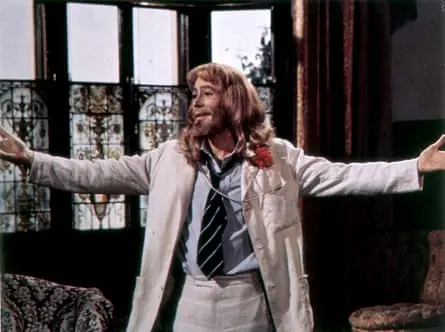
He followed this debut with two critically lauded adaptations of contemporary British plays that captured the distinct cultural anxieties of the era. Released in 1972, A Day in the Death of Joe Egg adapted Peter Nichols’ dark tragicomedy about a couple raising a severely disabled child, starring Alan Bates. That same year, Medak directed The Ruling Class, an adaptation of Peter Barnes’ satirical play about a paranoid schizophrenic British peer who believes he is Jesus Christ. The film featured a tour-de-force central performance by Peter O’Toole, who received an Academy Award nomination for Best Actor. Both films cemented Medak’s reputation as an ambitious director capable of translating challenging theatrical material into visually dynamic cinematic experiences.
However, the volatile nature of the film industry soon presented Medak with formidable professional challenges. In 1974, he undertook Ghost in the Noonday Sun, a pirate comedy starring Peter Sellers and Spike Milligan. The production quickly devolved into a notorious disaster, plagued by severe budget overruns and Sellers’ erratic, unpredictable behavior on set. The film was shelved by the studio and remained unreleased for more than a decade, eventually surfacing on home video in the mid-1980s. Medak later reflected on the turbulent production as the "biggest disaster of my life," eventually transforming the painful experience into a documentary, The Ghost of Peter Sellers, which screened at the Venice Film Festival in 2018.
Reinvention and Mastery of Genre Cinema
Following a brief detour that included the Graham Chapman comedy The Odd Job (1978), Medak staged a major career resurgence with The Changeling (1980). Starring George C. Scott as a grieving composer who rents a sprawling, haunted Victorian mansion in Seattle, the film became a landmark of psychological horror. Eschewing cheap jump scares, Medak relied on atmospheric dread, meticulous pacing, and emotional resonance to craft a ghost story rooted in profound grief and historical trauma. Decades later, legendary filmmaker Martin Scorsese cited The Changeling as one of his favorite horror movies of all time, praising its oppressive atmosphere of sadness and dread.
Throughout the 1980s, Medak balanced feature filmmaking with television work, directing episodes for acclaimed anthology programs such as Shelley Duvall’s Faerie Tale Theatre and the 1980s revival of The Twilight Zone.
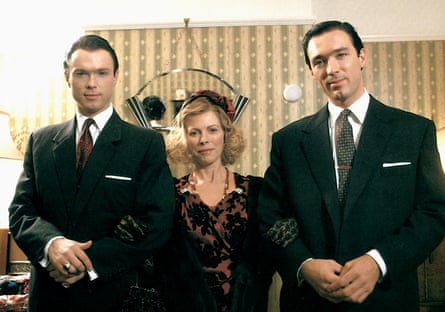
In 1990, Medak returned to the big screen with The Krays, a stylish and visceral biographical crime film chronicling the rise and fall of identical twin gangsters Ronald and Reggie Kray. Casting real-life musicians Gary and Martin Kemp of the new wave band Spandau Ballet in the lead roles, the film received widespread critical praise for its gritty depiction of London’s East End underworld. Medak followed this success with Let Him Have It (1991), a sensitive historical drama exploring the controversial 1953 capital punishment case of 1990s focus Derek Bentley, a 19-year-old with learning disabilities who was hanged for the murder of a police officer despite not firing the fatal shot.
Transition to Prestige American Television
By the mid-1990s, Medak transitioned seamlessly into the golden age of American television drama, bringing his cinematic eye and narrative rigor to some of the most influential series of the era.
Starting in 1994, he directed six episodes of the groundbreaking police procedural Homicide: Life on the Street, infusing the gritty Baltimore-set drama with heightened psychological realism. His procedural work continued into the 2000s, including directing an episode of David Simon’s seminal sociological masterpiece The Wire in 2002. As television evolved into a cinematic medium, Medak remained a sought-after director, helming episodes for major high-profile series including House, Breaking Bad, and Hannibal.
Industry Tributes and Personal Legacy
In the wake of his passing, collaborators and peers paid tribute to Medak’s professionalism, warmth, and enduring passion for the medium.
Screenwriters Neal Purvis and Robert Wade, renowned for scripting numerous James Bond films including Skyfall and No Time to Die, launched their feature-film screenwriting careers with Medak’s Let Him Have It. Reflecting on his passing, the duo shared a statement with the press: "Peter directed our first film and we couldn’t have hoped for a kinder, more respectful collaborator. It was wonderful to be treated as equals by this very experienced film-maker, who was enjoying a resurgence in his film career after the exciting and surprising The Krays. He was a good friend and we will miss the lunches and the talk of all the future projects he still burned to make."
Medak’s personal life included three marriages: to Katherine La Kermance from 1963 to 1972, to actress Carolyn Seymour from 1973 to 1984, and to opera singer Julia Migenes from 1988 to 2003.
The Broader Impact of Medak’s Filmography
Peter Medak’s passing marks the end of an era for a specific breed of transnational filmmaker who navigated the turbulent waters of mid-to-late 20th-century cinema. Emerging from the post-war European refugee experience, he carried a distinct perspective into British and American popular culture. Whether examining the existential dread of a haunted house, the bleak realities of true-crime history, or the intricate power dynamics of institutional corruption in modern television, Medak approached his subjects with intellectual curiosity and technical mastery.
His filmography stands as a testament to creative adaptability. From the avant-garde experiments of the late 1960s to the studio misadventures of the 1970s, and onward to the definitive genre milestones of the 1980s and the television renaissance of the 2000s, Medak continually reinvented his career without ever losing his distinct directorial voice. As contemporary audiences continue to rediscover and reevaluate works like The Changeling and The Krays, Peter Medak’s legacy as a cinematic craftsman of rare depth and versatility remains firmly secured.