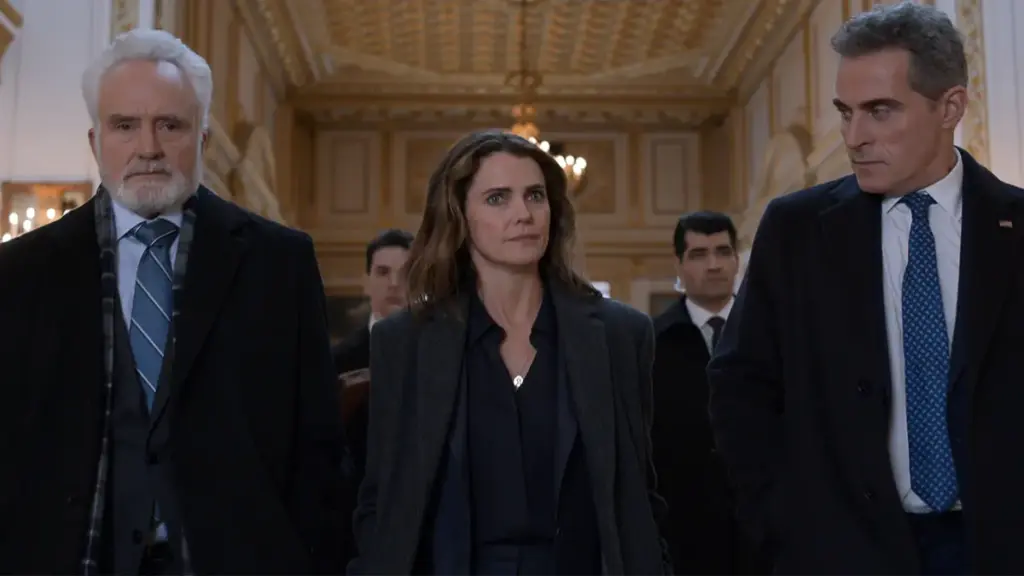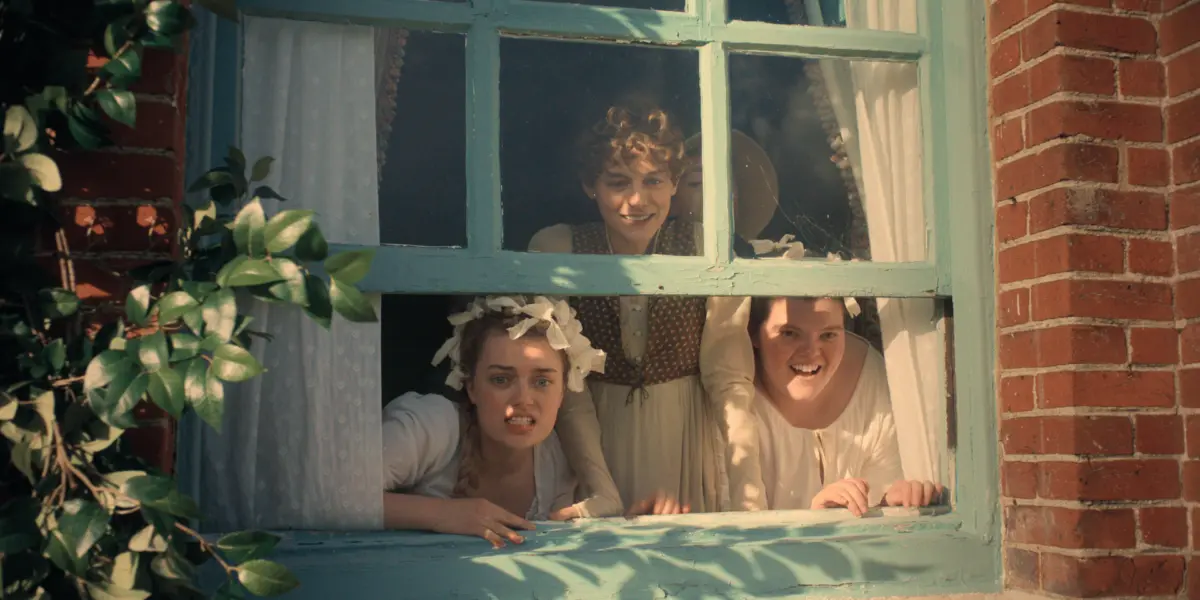
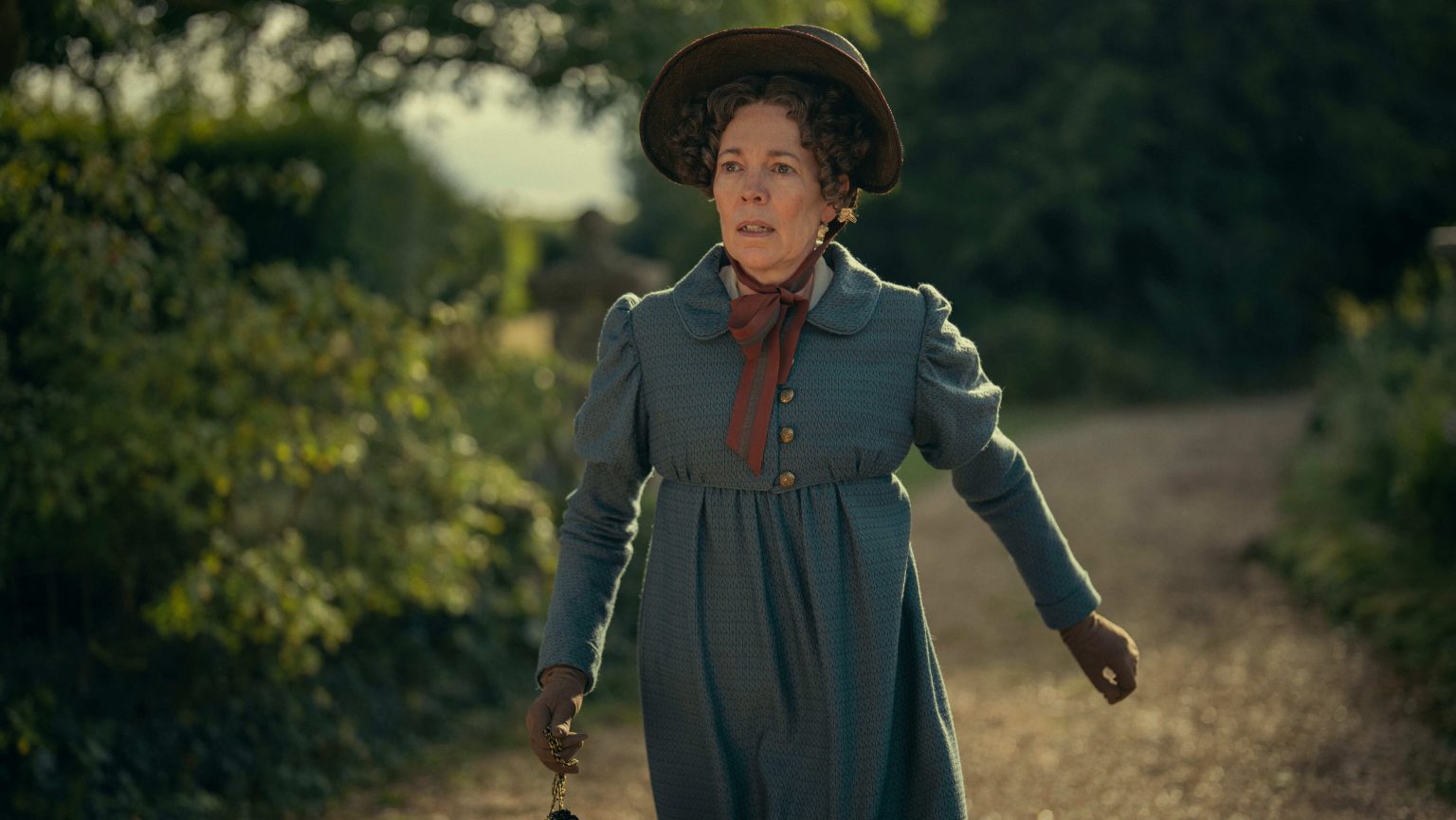
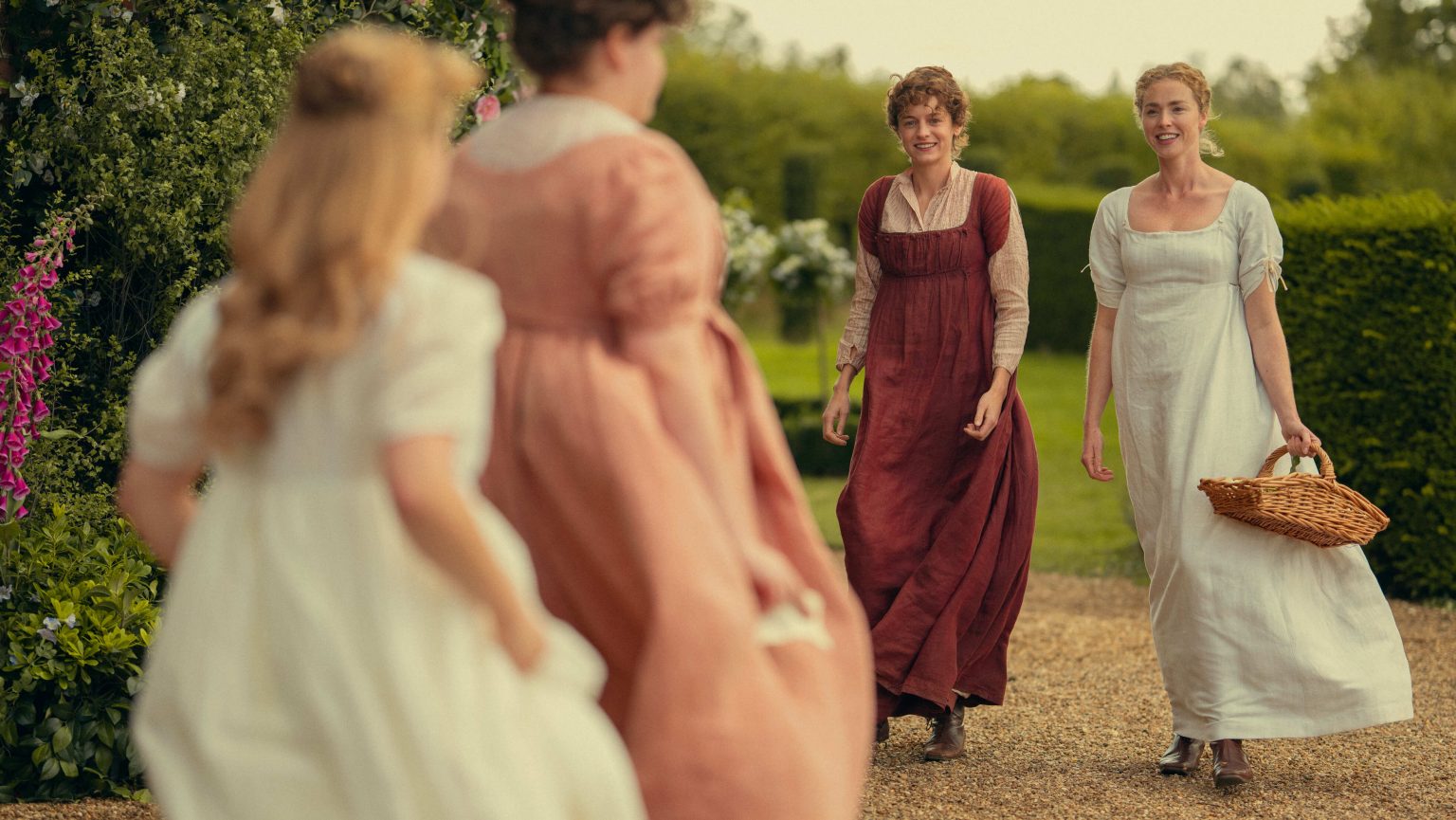
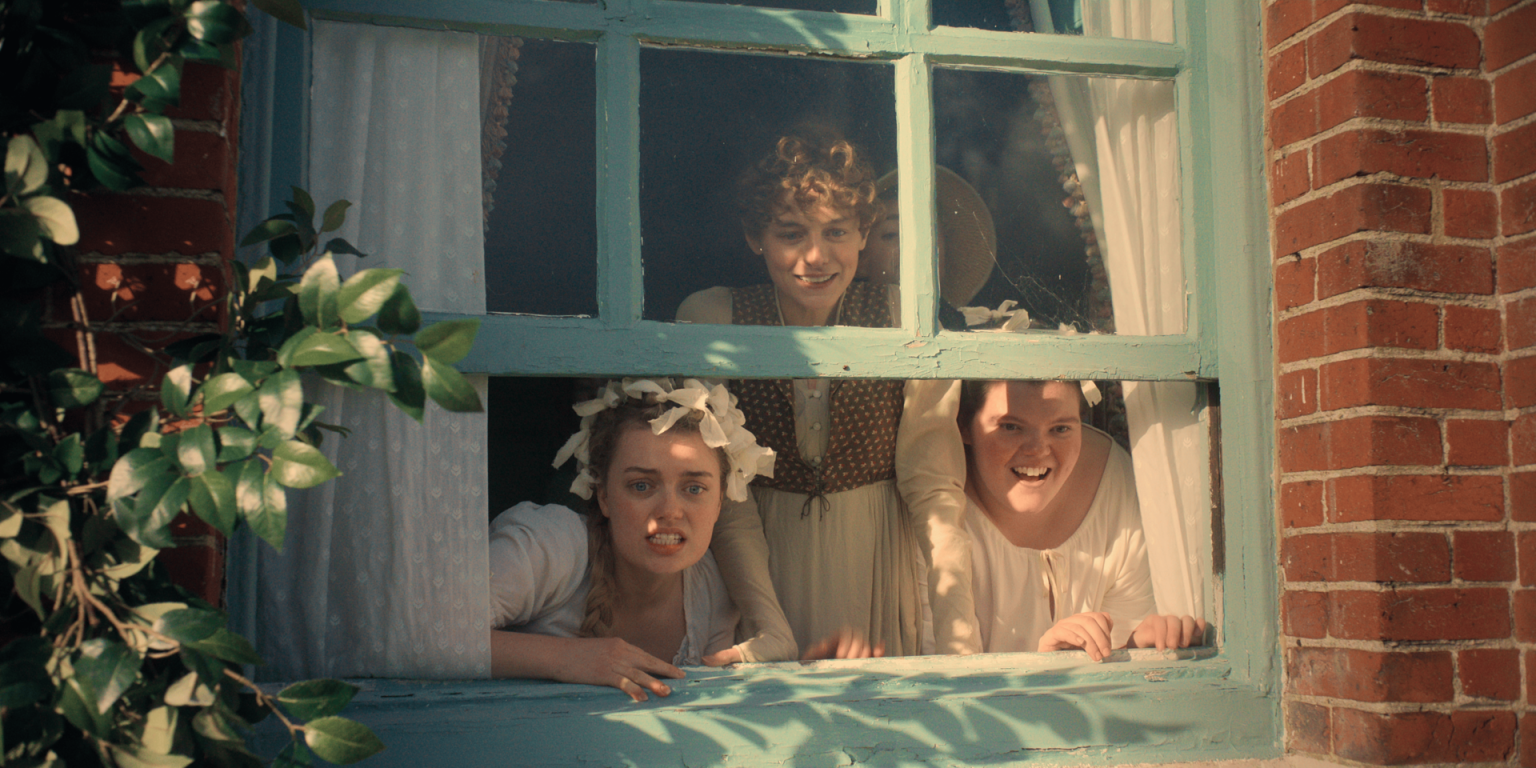
Netflix has officially released the first promotional images and trailer for its highly anticipated six-part television adaptation of Jane Austen’s classic Regency-era novel, Pride and Prejudice. Scheduled to premiere globally on December 3, the streaming platform’s latest literary translation features Emma Corrin, known for their work in The Crown, as the sharp-witted Elizabeth Bennet, and Jack Lowden, recognized from Slow Horses, as the proud and brooding Mr. Darcy. The upcoming series aims to capture the quintessential enemies-to-lovers dynamic that has defined romantic literature for over two centuries, offering a fresh yet traditional perspective on the well-documented romance.
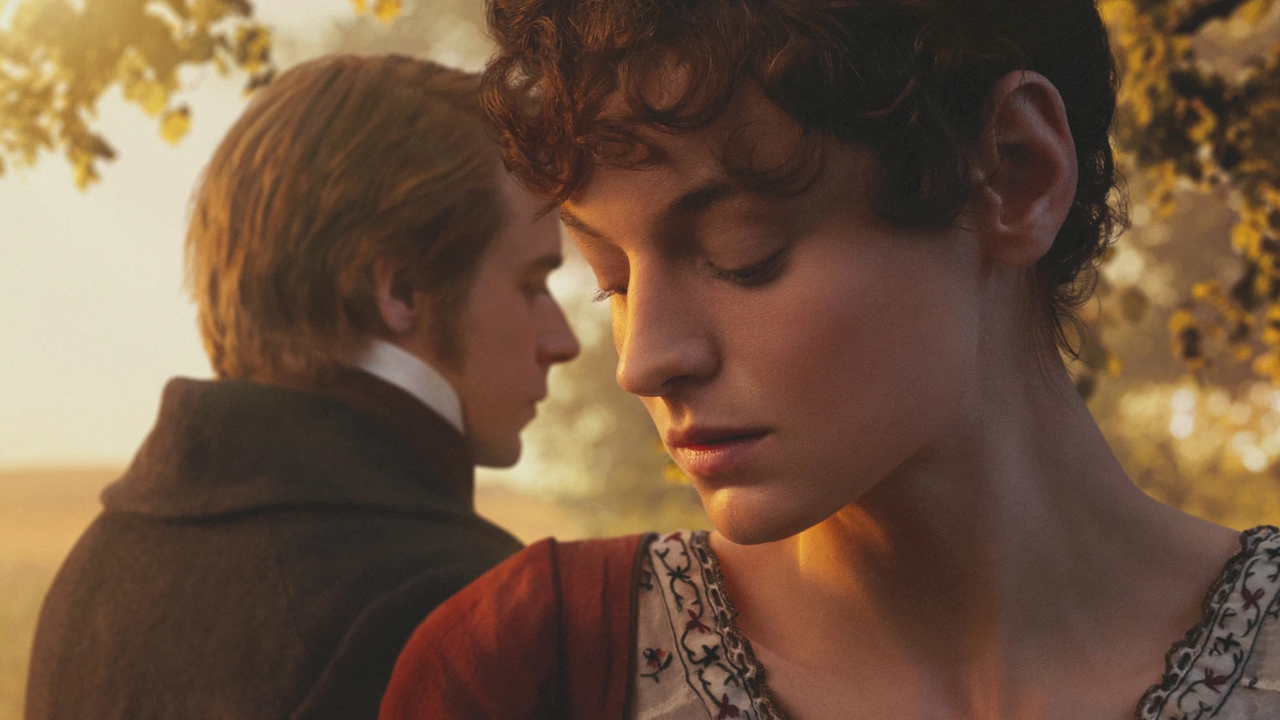
The production represents a major addition to Netflix’s growing catalogue of high-end period dramas and literary adaptations. Spearheaded by writer and showrunner Dolly Alderton, whose previous credits include Good Material and Everything I Know About Love, the six-episode miniseries is directed by Euros Lyn. Rather than subverting the narrative or introducing supernatural elements—a departure seen in past experimental projects like 2016’s Pride and Prejudice and Zombies—this adaptation remains structurally faithful to Austen’s original text, balancing social critique with romantic comedy.
Background and Chronological Development
The genesis of Netflix’s Pride and Prejudice dates back to April 2025, when the streaming giant first announced that it was developing a multi-episode television adaptation of the 1813 novel. The announcement generated immediate interest within the entertainment industry and among literary circles, given the enduring popularity of Austen’s work and the historical significance of previous screen interpretations.
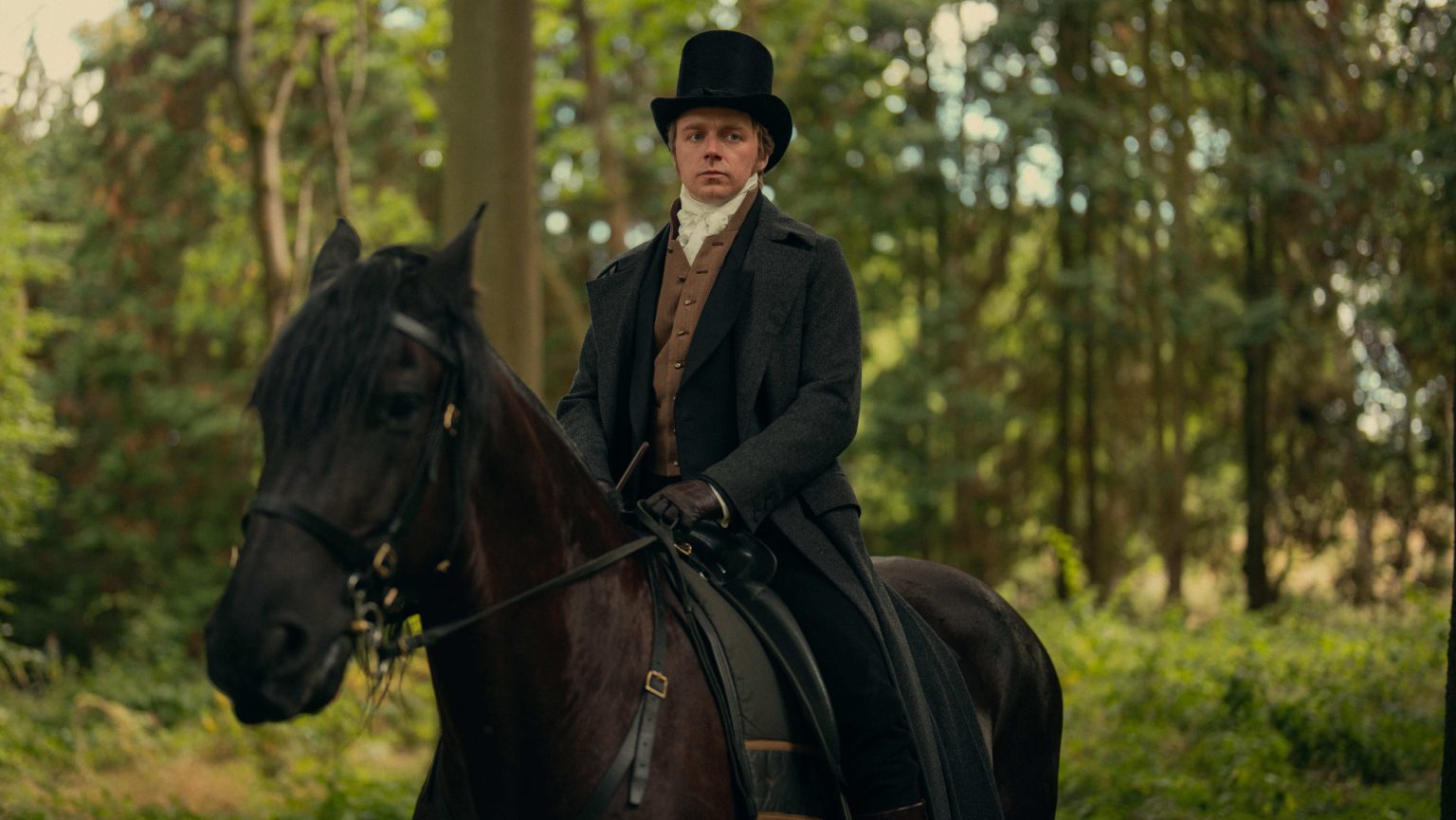
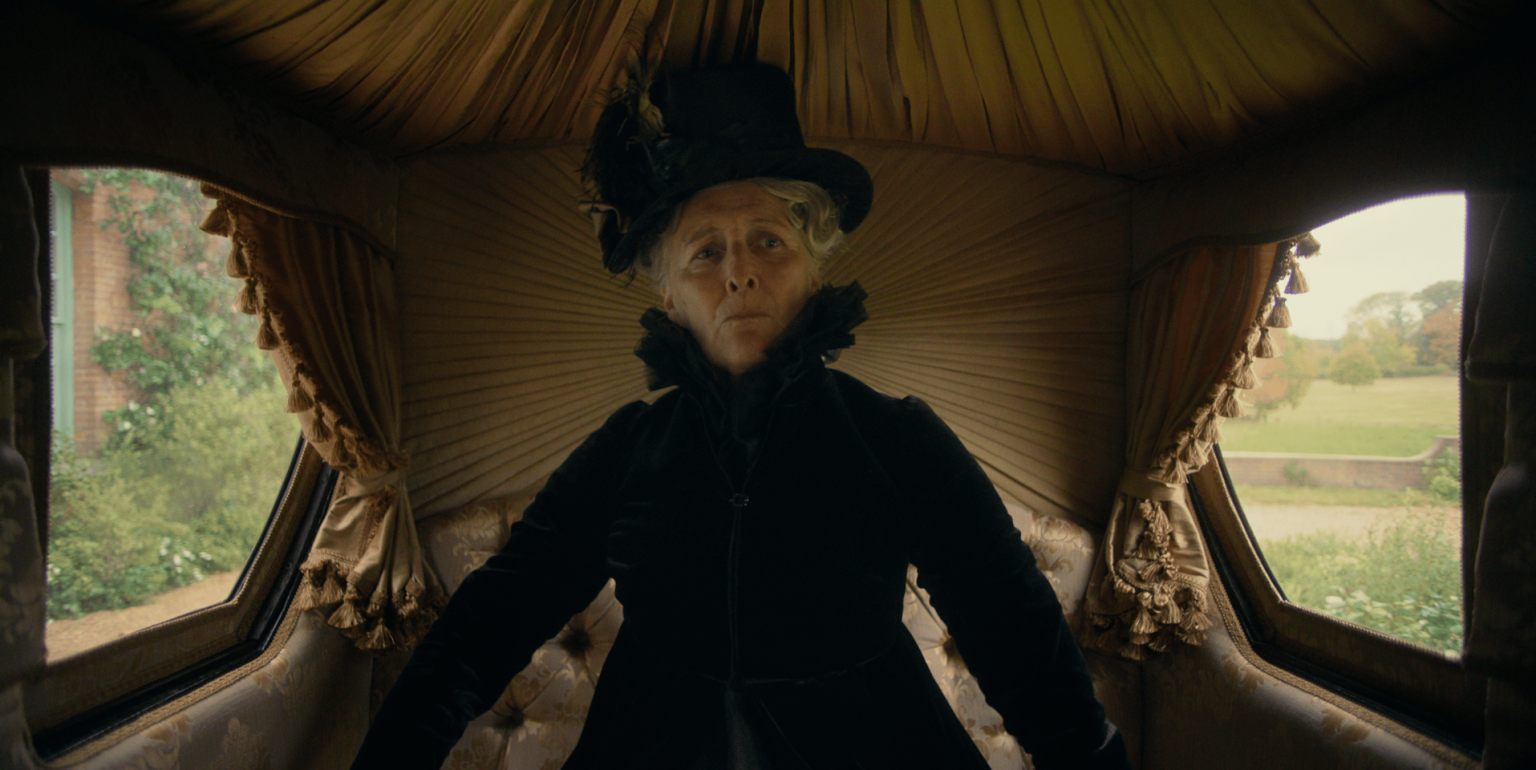
Over the subsequent year and a half, production quietly advanced through casting and principal photography. The project entered the public consciousness again in October 2026, when Netflix released the initial batch of episodic stills and the official teaser trailer. This rollout provided audiences with their first comprehensive look at the aesthetic direction of the series, showcasing detailed Regency costumes, sweeping estate backdrops, and the chemistry between the central leads. The timeline culminates in the scheduled December 3 release date, positioning the series as a major tentpole offering for the streaming service’s late-year viewing schedule.
Cast and Creative Leadership
Beyond its lead actors, Netflix has assembled an acclaimed supporting ensemble for the miniseries. Veteran actors Olivia Colman and Rufus Sewell have been cast as Mr. and Mrs. Bennet, the parents tasked with securing advantageous marriages for their five daughters. Additionally, the production features Louis Partridge as the charming yet deceitful Mr. Wickham and Jamie Demetriou as the sycophantic clergyman Mr. Collins.
Showrunner Dolly Alderton has emphasized the unique challenge and privilege of adapting a foundational text that has seen numerous iterations on both film and television. In statements released via Netflix’s editorial platform, Alderton described the novel as the definitive blueprint for the modern romantic comedy.
"Once in a generation, a group of people get to retell this wonderful story and I feel very lucky that I get to be a part of it," Alderton stated. "Jane Austen’s Pride and Prejudice is the blueprint for romantic comedy—it has been a joy to delve back into its pages to find both familiar and fresh ways of bringing this beloved book to life. The book is a gift to adapt—packed with drama and depth as well as comedy and charm."
Alderton further noted that the six-episode format provides the necessary narrative room to examine the intricate social structures, familial obligations, and personal growth depicted in Austen’s original work. The structural scope of a television series, as opposed to a two-hour feature film, allows creators to explore secondary subplots and minor characters with greater fidelity to the source material.
Historical Context of Previous Adaptations
Netflix’s new miniseries enters a crowded cinematic and televisual landscape, following several iconic adaptations that continue to resonate with audiences. The cultural benchmark for television adaptations remains the landmark 1995 BBC miniseries written by Andrew Davies, which starred Jennifer Ehle as Elizabeth Bennet and Colin Firth as Mr. Darcy. That six-part production is widely credited with cementing Firth’s status as a romantic lead and generating widespread cultural enthusiasm for period dramas.
A decade later, the property transitioned back to the cinematic format with the 2005 feature film directed by Joe Wright. Starring Keira Knightley and Matthew Macfadyen, the film received critical acclaim and multiple Academy Award nominations, distinguished by its naturalistic cinematography, atmospheric score, and a distinctively grounded portrayal of rural 19th-century life.
By opting for a six-part television format, Netflix’s new production mirrors the pacing and structural approach of the 1995 BBC adaptation, providing an alternative to the compressed narrative constraints of a feature film. Industry analysts note that episodic serialization allows for a more deliberate exploration of character development, social etiquette, and the gradual evolution of the central romance.
Broader Implications and Streaming Strategy
The release of Pride and Prejudice underscores Netflix’s ongoing strategy to invest in globally recognized intellectual property with built-in audiences. Period dramas and literary adaptations have historically demonstrated high viewer retention and strong international appeal on subscription video-on-demand platforms. Series such as Bridgerton have proven that audiences retain a robust appetite for Regency-era aesthetics combined with contemporary storytelling sensibilities.
However, adapting a universally revered classic carries distinct commercial and critical risks. Fan bases for canonical literature often subject new interpretations to rigorous scrutiny regarding costume design, character fidelity, and narrative tone. By selecting an established creative team led by Alderton and Lyn, alongside a prestige cast that bridges veteran performers and rising talent, Netflix appears positioned to mitigate creative risks while maximizing the project’s cultural visibility.

As the December 3 premiere date approaches, marketing efforts are expected to intensify, offering further insights into how the series handles specific narrative turning points from the novel. For now, the initial visual assets provide a clear indication that the streaming service is aiming for a visually rich, traditional presentation designed to appeal to both lifelong Austen enthusiasts and a new generation of viewers.