The landscape of traditional television and curated cinematic presentation faces a pivotal turning point as media conglomerates consolidate assets in an increasingly streaming-dominated ecosystem. At the center of this industry-wide transformation is Turner Classic Movies (TCM), the beloved cable network renowned for preserving and broadcasting uncut cinematic history without commercial interruption. Following Paramount Skydance’s acquisition of Warner Bros. Discovery, the long-term operational future of linear broadcast stalwarts like TCM has once again drawn intense scrutiny from cinephiles, industry analysts, and academic historians alike.
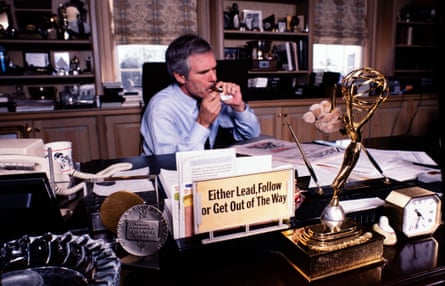
Launched in 1994 by CNN founder Ted Turner, TCM was built upon the foundation of the acquired MGM film library. Turner’s vision was to establish a dedicated sanctuary for classic cinema where films could be presented in their original aspect ratios, free from commercial breaks and corporate censorship. Over three decades, the network evolved from a niche cable channel into a cultural institution, reaching tens of millions of households globally and securing a fiercely loyal demographic that ranges from casual viewers to world-renowned filmmakers such as Martin Scorsese, Steven Spielberg, and Paul Thomas Anderson.
Chronology of Consolidation: A History of Near-Misses
The recent anxieties surrounding TCM’s survival are part of a recurring narrative of corporate restructuring. The channel first faced widespread public alarm in June 2023, following the $43 billion merger between Warner Bros. and Discovery. During initial cost-cutting measures, corporate leadership laid off several veteran executives, including long-serving head of programming Charles Tabesh. The abrupt downsizing sparked an immediate and unprecedented backlash from Hollywood’s elite.

A coalition of high-profile directors—including Scorsese, Spielberg, and Paul Thomas Anderson—directly intervened by contacting Warner Bros. Discovery CEO David Zaslav. Their advocacy resulted in a rapid policy reversal, prompting Zaslav to reinstate Tabesh and place operational oversight of the channel into the hands of studio executives who appreciated its cultural value.
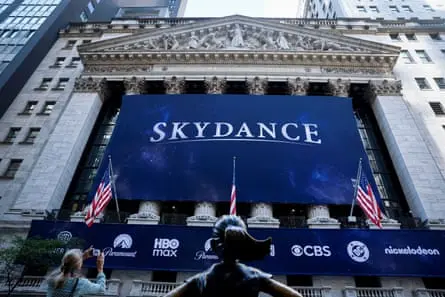
However, the media landscape shifted dramatically once again in October 2026, when Paramount Skydance officially announced its acquisition of Warner Bros. Discovery. Valued in the tens of billions, the merger left the newly formed corporate entity carrying an estimated $80 billion in debt. Industry observers note that paying down this substantial financial liability will likely require the strategic divestment or restructuring of traditional linear television assets. While flagship news networks such as CNN remain protected, secondary cable properties face immediate economic pressures.
Economic Realities and the Broadcast Model
TCM operates on a distinct financial model that differs significantly from standard commercial television. Because the network maintains a strict policy against airing commercial advertisements, it generates revenue primarily through subscriber carriage fees and digital streaming access partnerships. In an era where media conglomerates prioritize high-margin subscription video-on-demand (SVOD) platforms, linear channels with specialized, older demographics face difficult questions regarding long-term profitability.
Despite these economic headwinds, the network’s cultural footprint remains formidable. In 2020, TCM possessed a distribution footprint reaching approximately 68.2 million American households. Beyond its linear broadcast, the network has cultivated a robust community through live events, including the annual TCM Classic Film Festival in Los Angeles and themed ocean cruises. Academic and cultural institutions frequently collaborate with the network, recognizing its unique role in maintaining public engagement with 35mm film prints and pre-code cinematic history.
Official Responses and Industry Analysis
Corporate representatives for both Skydance and TCM have maintained a cautious public stance regarding the network’s post-merger trajectory. While official corporate statements have avoided detailing specific long-term programming alterations, initial industry reports indicate that TCM remains operational under the current corporate structure. Nevertheless, employees and affiliated artists have expressed lingering concerns regarding potential workforce reductions and structural reorganization.
Media historians and financial analysts offer diverse perspectives on how the network might adapt to the digital age. Gabriel Miller, co-founder of the film industry newsletter The Industry, suggests that while debt-reduction strategies will force asset sales across the broader corporate portfolio, specialized cultural brands may be preserved to maintain goodwill with key demographic segments.
Other experts propose structural evolution rather than outright dissolution. Chris Yogerst, a media historian and author specializing in studio history, points to potential digital integration as a viable path forward. By transitioning TCM’s curated format into a dedicated digital hub—similar to highbrow streaming services like the Criterion Collection while retaining the network’s signature host-led introductions—corporate leadership could capture younger, digitally native audiences without alienating its core subscriber base.
The Broader Implications for Cinematic Preservation
The ongoing uncertainty surrounding TCM highlights a broader tension within contemporary entertainment: the friction between algorithm-driven content recommendation systems and intentional human curation. Streaming platforms rely heavily on automated data metrics to suggest media, often burying older or foreign cinematic works beneath a mountain of newly produced vertical content. In contrast, TCM employs film historians, programmers, and cultural critics to contextualize each broadcast, framing movies as historical artifacts deserving of intellectual engagement.
Peter Saraf, chair of New York University’s Tisch School of the Arts, argues that public protectionism serves as a powerful shield for the network. The fierce public outcry that greeted the 2023 restructuring demonstrated that the cultural equity of classic cinema holds tangible value. "The fear of something going away makes you want to watch it even more," Saraf noted, suggesting that attempts to dismantle the channel would provoke a severe reputational cost for corporate ownership.
As Paramount Skydance integrates its newly acquired properties and outlines its strategic vision for the future, the fate of Turner Classic Movies remains a bellwether for the survival of curated broadcasting. Whether through linear cable, dedicated streaming applications, or hybrid models, the enduring demand for thoughtful, human-led cinematic curation suggests that the appetite for film history will persist, regardless of how the underlying delivery mechanisms evolve.