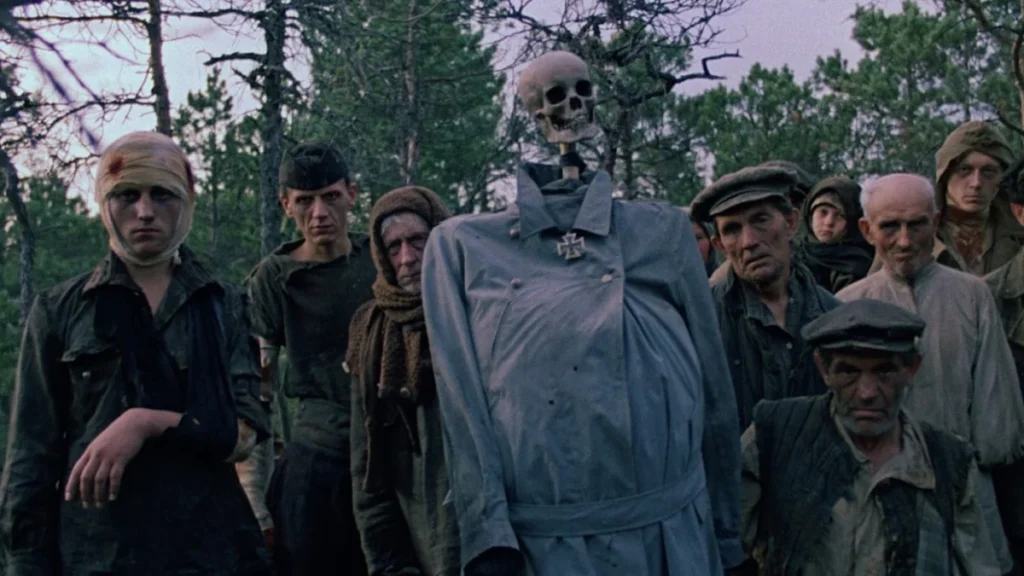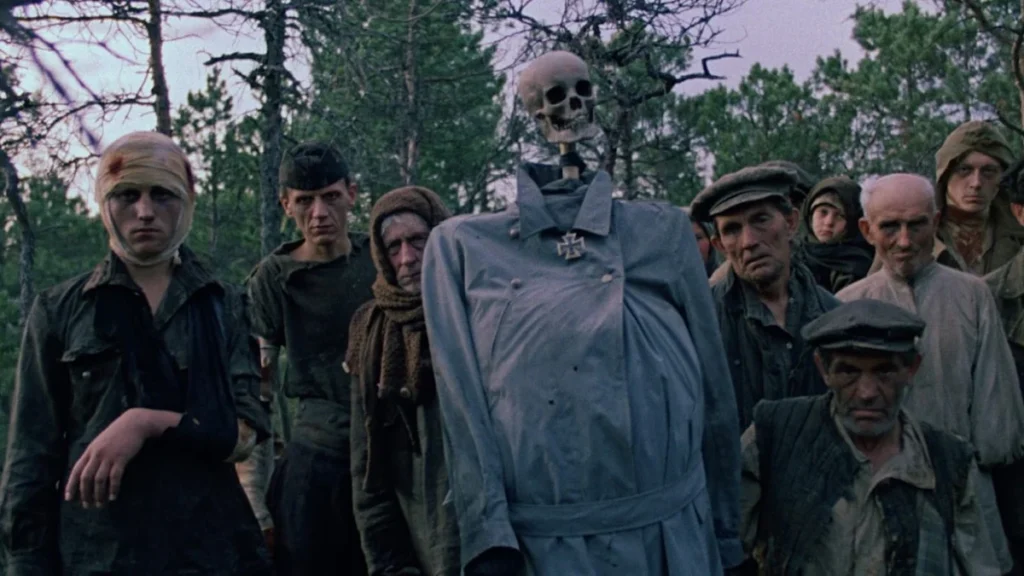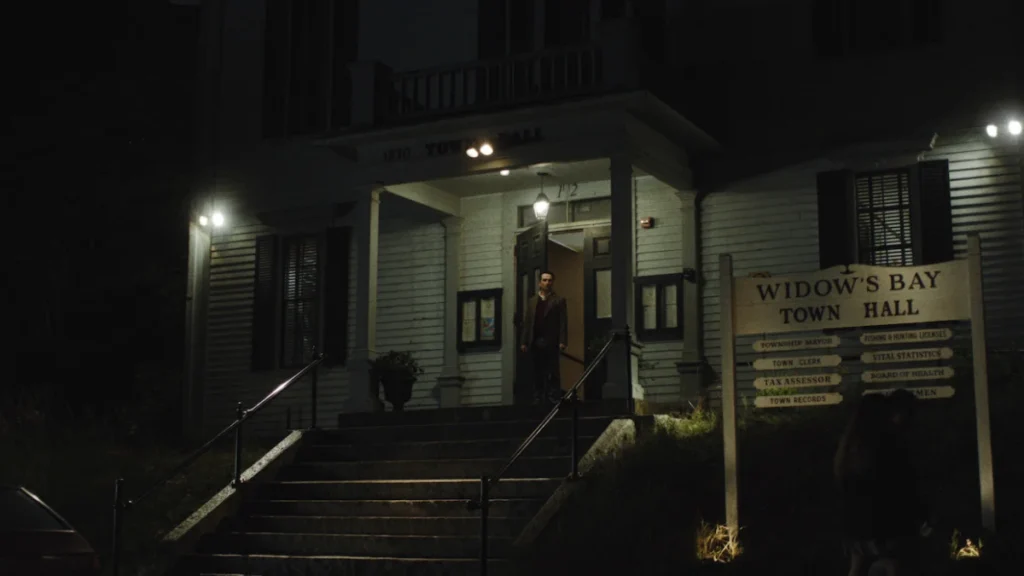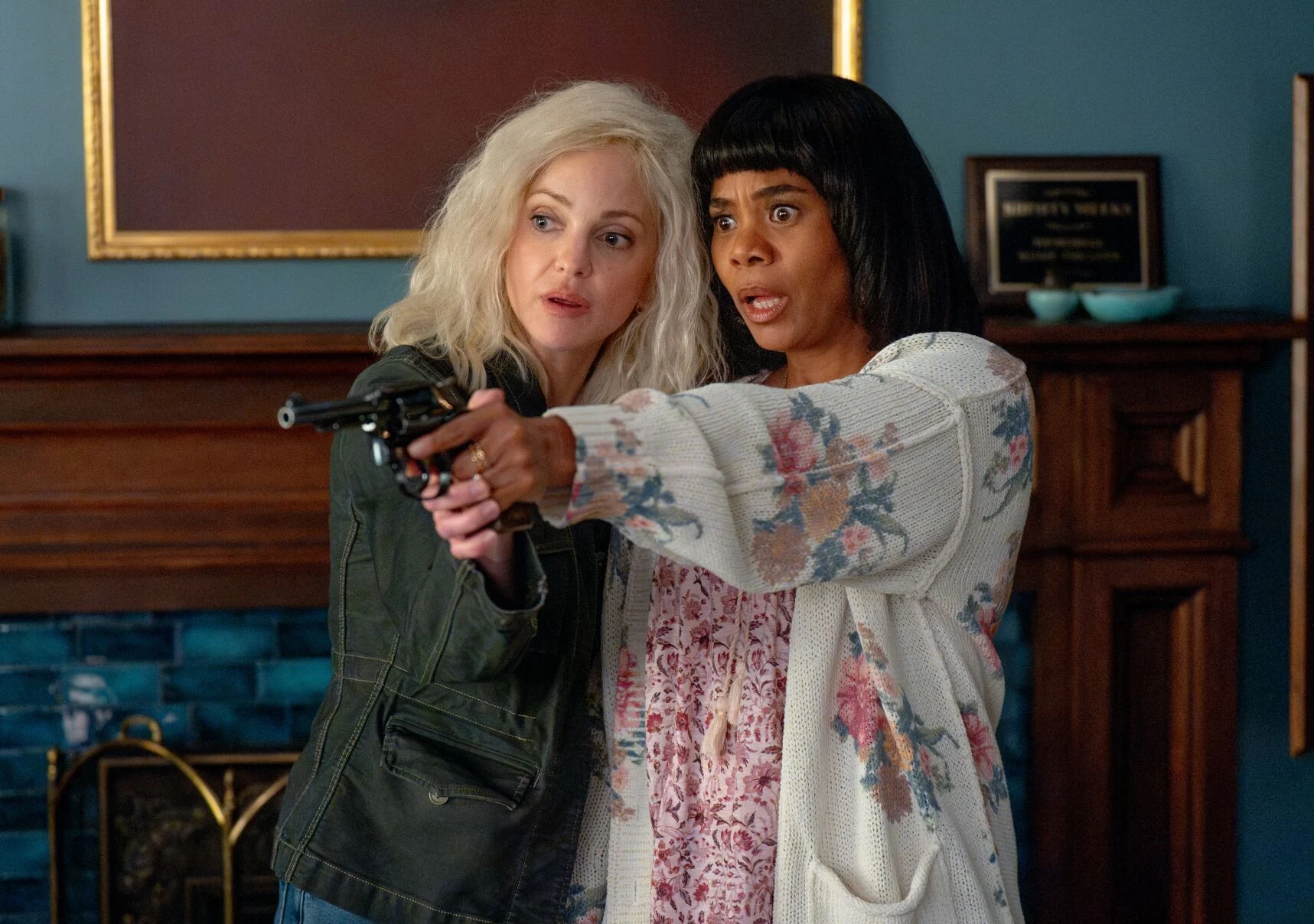
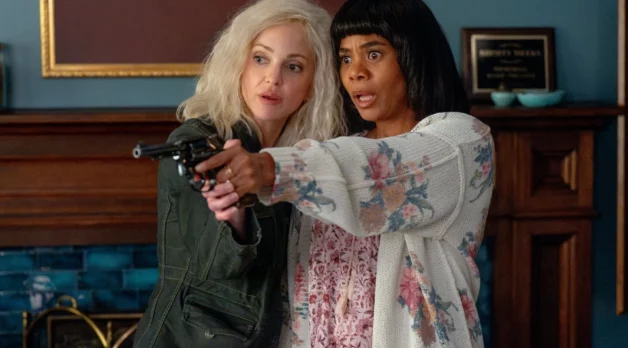
The contemporary landscape of Hollywood satire bears an indelible debt to the creative insurgency pioneered by the Wayans family and their close collaborators. With the theatrical release of the sixth installment in the landmark horror-comedy franchise, notably titled simply as Scary Movie without a numeral, the original creative architects have reclaimed a cinematic universe they helped establish a quarter-century ago. This latest release serves not only as a nostalgic legacy sequel for core fans of the genre, but also as a pointed commentary on historic industry grievances, corporate displacement, and the evolution of Black authorship within mainstream studio filmmaking.
The deliberate omission of a number in the title functions as a formal protest against the trajectory of the franchise following the departure of its creators. The Wayans family collectively disowned the third, fourth, and fifth installments—released in 2003, 2006, and respectively 2013—following a contentious compensation dispute with the Weinstein Company in 2001. That historical rift forms a thematic core of the 2026 production, blending the franchise’s signature brand of low-brow, convention-shredding humor with an incisive institutional critique. By reuniting nearly the entire original cast 25 years after the release of the inaugural film, the production captures a rare convergence of commercial pastiche and genuine emotional resonance, contrasting sharply with the profane formula that first propelled the family to global box-office dominance.
Foundations of the Modern Spoof: From ZAZ to Hollywood Shuffle
To understand the structural mechanics of the Scary Movie series, film historians must examine the lineage of the modern spoof. The form was largely codified in the late 1970s and early 1980s by the comedy team of David Zucker, Jim Abrahams, and Jerry Zucker (ZAZ). Influenced by the anti-authoritarian comedy of the Marx Brothers, the pop-cultural critiques of Mad magazine, and Ken Shapiro’s The Groove Tube (1974), ZAZ delivered hyper-dense, reference-heavy sketch comedies designed to act as counterprogramming to the sociopolitical turmoil of the era. As Jim Abrahams noted regarding the release of Kentucky Fried Movie (1977) and Airplane! (1980), the creators deliberately sidestepped the heavy political climate of the Vietnam War and Watergate, choosing instead to elevate structured absurdity into a mainstream art form.
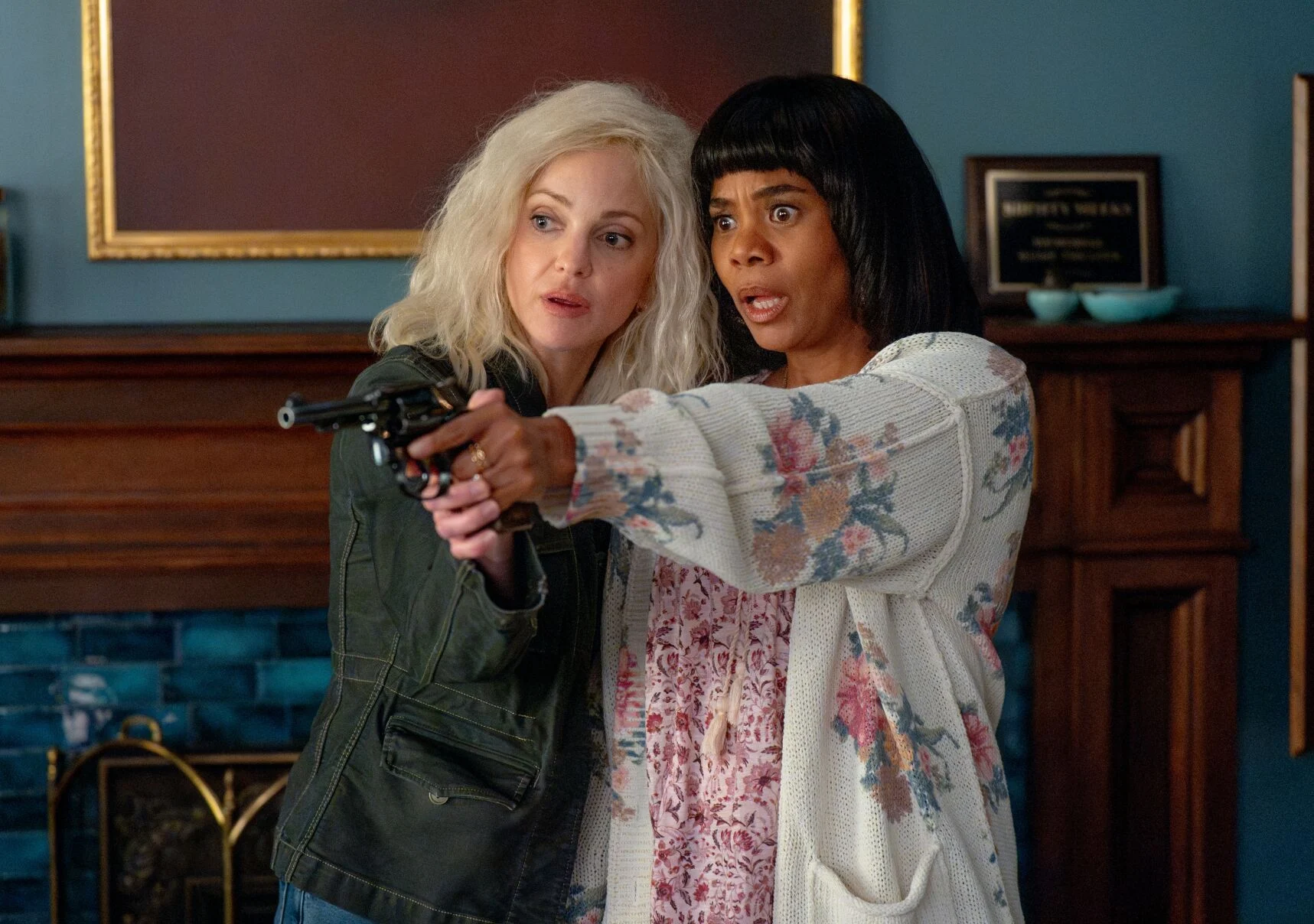
In 1987, Robert Townsend and Keenen Ivory Wayans expanded upon the ZAZ blueprint by integrating the biting racial satire of The Richard Pryor Show (1977). With Hollywood Shuffle, they transformed cinematic pastiche into an active mode of cultural criticism. Targeting genres historically marketed to Black audiences—most notably Blaxploitation pictures and inner-city dramas—the filmmakers exposed the lazy conventions and opportunistic pandering of studio executives. Utilizing limited financial resources, Townsend and Keenen transformed disconnected sketches, such as the Siskel and Ebert parody "Sneakin’ in the Movies," into a cohesive narrative exploring the systemic struggles of Black actors navigating a white-dominated industry.
The commercial and critical success of Hollywood Shuffle provided Keenen Ivory Wayans with the institutional leverage necessary to launch subsequent groundbreaking projects. These included the cinematic feature I’m Gonna Git You Sucka (1988) and the revolutionary sketch comedy series In Living Color (1990–1994). Serving as a creative finishing school for the broader Wayans family, In Living Color deconstructed mainstream pop culture while delivering nuanced, intelligent critiques of how Black culture was mediated through the white power structure.
The 1990s: Deconstructing the Hood Film and Institutional Exploitation
Following the conclusion of In Living Color, the Wayans creative apparatus turned its attention to the cinematic output of the early 1990s. The commercial boom of inner-city coming-of-age dramas—sparked by critically acclaimed masterworks such as Boyz n the Hood (1991), Juice (1992), South Central (1992), and Menace II Society (1993)—prompted major studio executives to systematically mine Black trauma, systemic poverty, and urban violence for mainstream popcorn entertainment.
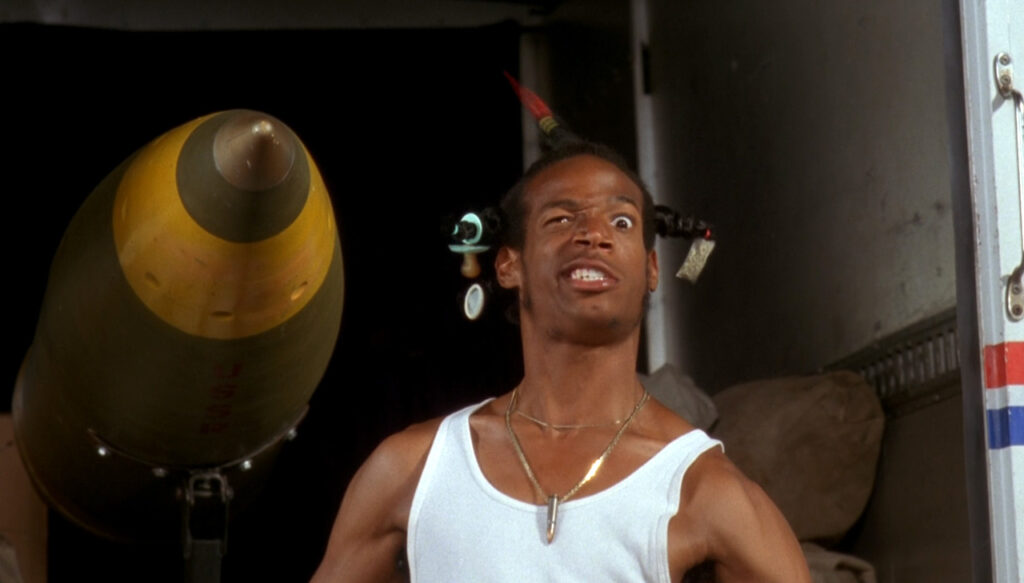
In response, the Wayans released Don’t Be a Menace to South Central While Drinking Your Juice in the Hood (1996). The film was charged with an overt frustration regarding negative stock portrayals and opportunistic studio cynicism. Marlon Wayans famously portrayed Loc Dog, an absurdist parody of Larenz Tate’s O-Dog from Menace II Society. By amplifying these character archetypes to cartoonish proportions—complete with a nuclear arsenal housed in a stolen mail truck—the filmmakers engaged in a sophisticated form of self-examination, critiquing the narrow creative pathways permitted to Black writers and directors alike.
The Phenomenon of Scary Movie and the Corporate Ouroboros
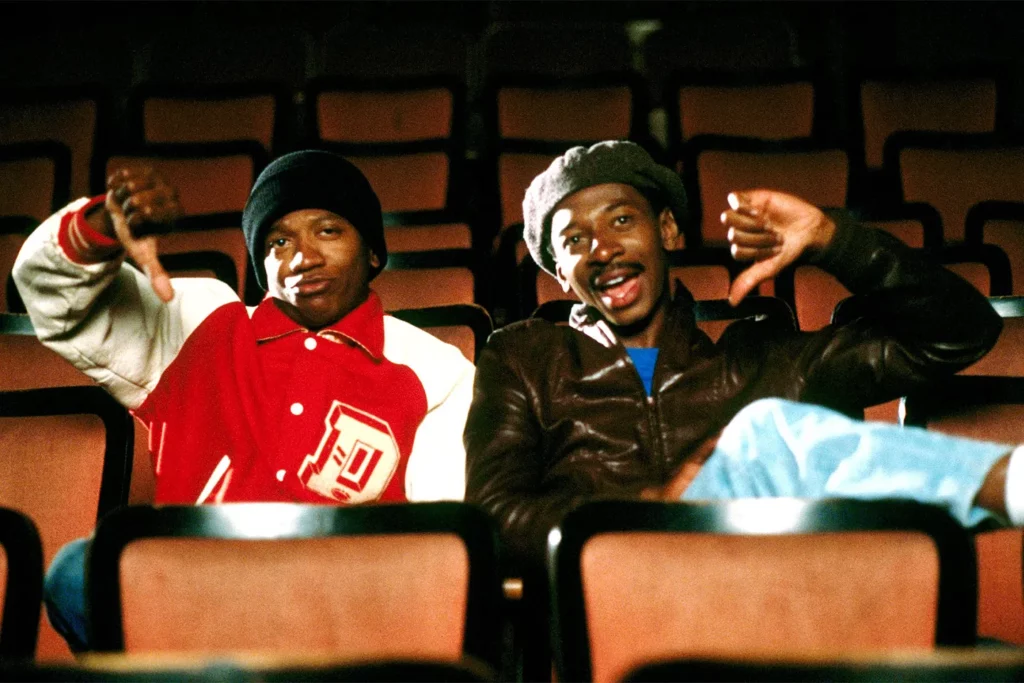
The culmination of this comedic philosophy arrived in July 2000 with the release of Scary Movie. Directed by Keenen Ivory Wayans and written by Shawn and Marlon Wayans alongside Phil Beauman and Allyson Saunders, the film ruthlessly targeted the teen slasher revival subgenre spearheaded by Scream (1996) and I Know What You Did Last Summer (1997). Operating on a modest production budget of approximately $19 million, the film deployed anarchic humor, meta-cinematic cameos, and explicit physical comedy to gross an extraordinary $278 million at the worldwide box office through Dimension Films.
The massive financial return immediately triggered a demand for a sequel, leading to the rush-released Scary Movie 2 (2001). However, the compressed production schedule strained the creative process, marking the final collaboration between the Wayans family and the studio for over two decades.
In the wake of their departure, Dimension Films enlisted David Zucker—co-creator of Airplane! and The Naked Gun—to direct Scary Movie 3 (2003) and Scary Movie 4 (2006). This transition created a peculiar historical loop within spoof cinema, as original cast members were replaced by mainstream comedic actors such as Simon Rex and Charlie Sheen. Reflecting on the corporate maneuver years later, Marlon Wayans publicly lamented the studio’s handling of the intellectual property, comparing the experience to watching a creative creation drift away from its foundational authorship—a narrative familiar to numerous marginalized filmmakers deemed expendable by legacy studio systems.
Broader Industry Implications and Modern Horizons
The trajectory of the Scary Movie franchise mirrors the broader historical struggle for creative autonomy within Hollywood. During Robert Townsend’s early career, legendary actor Sidney Poitier imparted a guiding philosophy on navigating institutional power dynamics: the necessity of retaining the power to refuse compromised material. For decades, the Wayans family utilized the spoof genre as a commercially viable vehicle to articulate complex cultural critiques while maintaining audience engagement on a mass scale.
The commercial viability of these themes persists into the contemporary era. Recent cinematic releases exploring artistic freedom and the exploitation of Black cultural production, such as Ryan Coogler’s Sinners, have demonstrated unprecedented financial success and critical recognition, pulling in hundreds of millions of dollars and securing record-breaking awards nominations. Whether these industry shifts reflect a permanent ideological evolution within major studios or simply cyclical market trends remains to be seen. Nevertheless, with the triumphant box-office return of the original creative team, the latest iteration of Scary Movie proves that the demand for incisive, creator-driven satire remains as potent as ever.