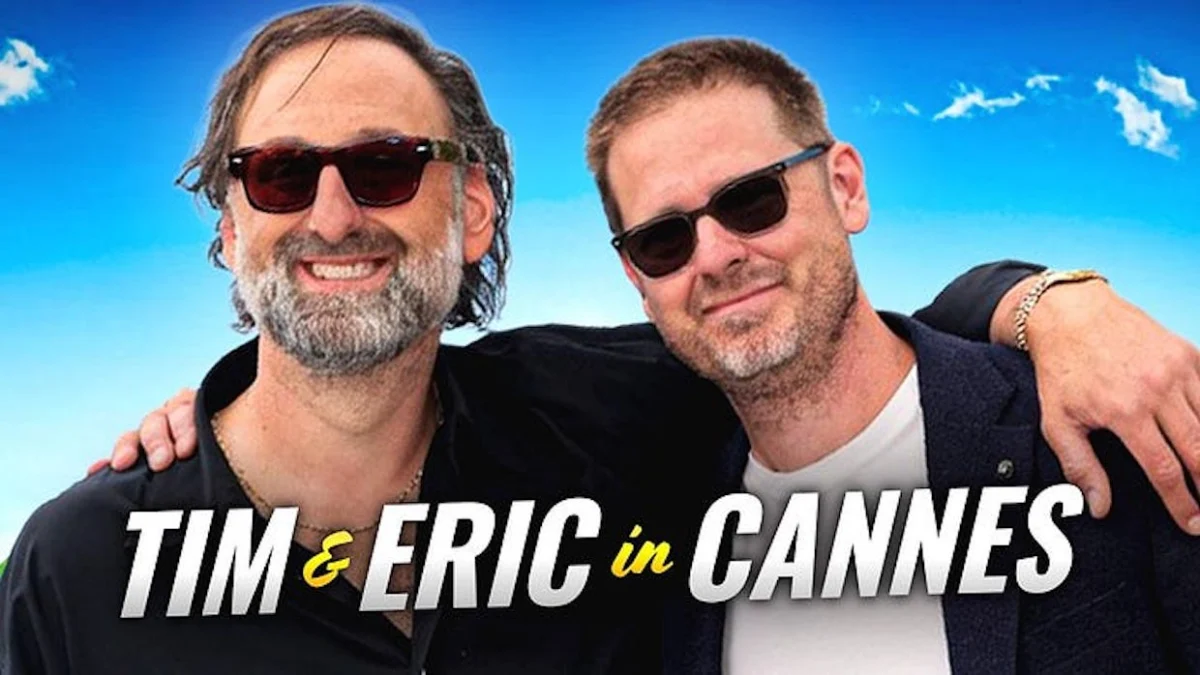
The 79th Festival de Cannes provided an unexpected backdrop for a reunion of two of alternative comedy’s most influential architects. Tim Heidecker and Eric Wareheim, the creative minds behind Adult Swim’s surrealist touchstone Tim and Eric Awesome Show, Great Job!, arrived on the French Riviera to support the midnight premiere of Quentin Dupieux’s latest feature, Full Phil. Their presence at the world-renowned film festival underscored a broader career evolution for the duo, who have spent the better part of two decades expanding their footprints across indie rock, digital network building, and, in Wareheim’s case, high-end botanical curation.
Main Facts and Festival Context
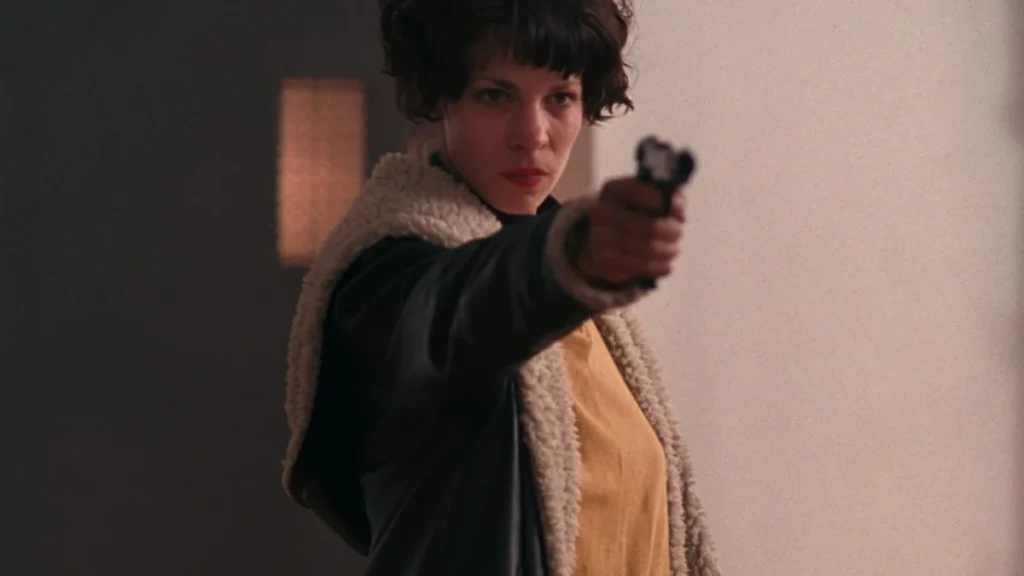
Full Phil, directed by the prolific French filmmaker and electronic musician Quentin Dupieux—known professionally as Mr. Oizo—marks Wareheim’s third collaboration with the director, following appearances in Wrong Cops (2013) and Reality (2014), while serving as Heidecker’s introduction to Dupieux’s cinematic ecosystem. Described by the director as an absurdist inversion of metropolitan romantic comedy, the film follows a wealthy American, played by Woody Harrelson, attempting to reconnect with his reluctant daughter, portrayed by Kristen Stewart, during a lavish trip to Paris.
Within this narrative framework, Heidecker and Wareheim appear in a film-within-a-film sequence. Channeling the gothic sensibilities of Universal horror classics like Frankenstein and Creature from the Black Lagoon, the duo play theatrical scientists pursuing a reptilian creature. The role required precise adherence to a script translated from French, a notable departure from the hyper-improvised style that defined their early television work.
Ahead of the premiere, Heidecker delivered a keynote address at the festival’s American Pavilion for IndieWire, discussing the future of filmmaking. During the talk, both performers were cited as early progenitors of the creator economy, a testament to their 2007 establishment of Abso Lutely Productions, the independent infrastructure that housed much of their foundational output.
Chronology of a Creative Partnership
The trajectory of Heidecker and Wareheim spans over twenty-five years, evolving from student collaborations at Temple University in Philadelphia to mainstream recognition and subsequent decentralization.
- Late 1990s: Heidecker and Wareheim begin collaborating as film students at Temple University, developing a distinct aesthetic characterized by public-access television pastiche, jarring editing, and deadpan absurdist humor.
- 2007: The duo launch Abso Lutely Productions to secure creative control over their projects. This same year marks the debut of Tim and Eric Awesome Show, Great Job! on Cartoon Network’s Adult Swim block, running through 2010 and fundamentally altering the landscape of alternative American comedy.
- 2011–Present: Following the conclusion of their flagship sketch program, the collaborators pursued divergent paths. Heidecker partnered with Gregg Turkington to launch On Cinema at the Cinema, an ongoing multimedia satirical project that eventually found a permanent home on the independent subscription platform HEI Network. Heidecker also pursued a solo career in rock music, releasing six studio albums. In April 2026, Heidecker was announced as the creative director for a satirical takeover of InfoWars, following legal maneuvers by The Onion to acquire the media platform.
- 2013–Present: Wareheim branched into culinary arts as a cookbook author and winemaker before shifting focus toward the horticultural sector as a bonsai and rare-plant specialist. Concurrently, he maintained a working relationship with Quentin Dupieux and secured roles in upcoming narrative features like Adam Wingard’s Onslaught.
Supporting Data and Industry Shifts
The transition of Heidecker and Wareheim from cable television pioneers to independent digital entrepreneurs reflects broader structural transformations within the entertainment industry over the past fifteen years. The rise of subscription-video-on-demand (SVOD) platforms initially offered traditional creators expanded budgets and wider distribution channels. However, tightening network budgets, post-pandemic corporate consolidation, and in-house studio restructuring led many independent creators to abandon traditional studio development pipelines.
For Heidecker and Wareheim, this friction manifested during stalled development cycles at major cable networks and streaming services. In response, both artists divested from traditional corporate models. Heidecker stepped back from day-to-day operations at Abso Lutely Productions—which was subsequently acquired by producer Jimmy Miller’s entertainment group—to focus on direct-to-consumer digital infrastructure via HEI Network and his involvement with The Onion. Similarly, Wareheim scaled back his involvement in traditional television development to focus on independent film projects like Onslaught and his rare-plant import business.
Official Responses and Industry Reception
Reflecting on their arrival at Cannes, the duo expressed a mixture of generational awe and bemused detachment regarding the festival’s high-society pageantry. Comparing the venue to an elevated, sprawling commercial development, Heidecker noted the surreal nature of presenting avant-garde and intentionally abrasive comedy within an environment defined by black-tie formality.
Despite their foundational influence on modern internet humor—paving the way for a generation of digital creators who rely on decentralized, low-fi aesthetics—both artists acknowledged a disconnect between their cultural footprint and the traditional machinery of international film festivals.
"Tim and Eric changed the course of American comedy, and nobody is interested," Heidecker remarked during their roundtable discussion, contrasting their reception with the intense media focus traditionally given to mainstream dramatic actors.
Broader Impact and Implications
The inclusion of Heidecker and Wareheim in a high-profile European auteur project like Full Phil signals a growing crossover between American alternative comedy and international arthouse cinema. Directors like Quentin Dupieux have long championed comedic performers from outside the traditional studio system, integrating their disruptive screen personas into existential, deadpan narratives.
Furthermore, the duo’s pivot toward direct-to-consumer distribution models and independent ventures serves as a case study for legacy creators navigating the post-prestige television era. As traditional studios increasingly risk-avert development spending, the pathway charted by Heidecker and Wareheim—leveraging loyal, niche audiences through self-sustained digital networks—offers a viable alternative to the traditional Hollywood system. Whether through satirical multimedia projects or imported Australian grasstrees, the enduring partnership of Heidecker and Wareheim continues to operate entirely on its own eccentric terms, unmoored by conventional industry expectations.