The release of the final
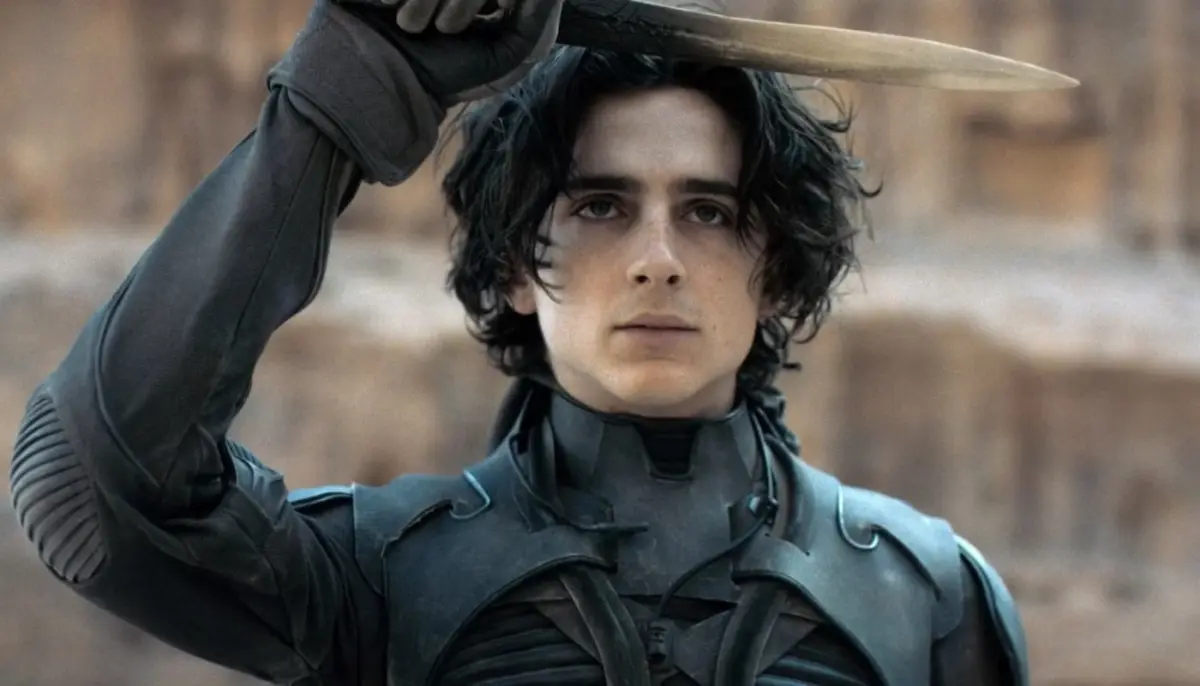
promotional footage for Denis Villeneuve’s upcoming science-fiction epic Dune: Part Three has provided audiences with their most comprehensive look yet at the profound moral deterioration of Paul Atreides, portrayed by Timothée Chalamet. As the cinematic narrative transitions from the foundational setup of the first two installments into the complex political and religious fallout detailed in Frank Herbert’s literary sequel Dune Messiah, the promotional material confirms that the once-heroic protagonist has fully embraced the tyrannical path predicted in his earlier visions. However, recent commentary from director Denis Villeneuve and principal cast members indicates that the cinematic treatment of Paul’s descent into autocracy, alongside his fractured dynamic with Zendaya’s character Chani, will offer a nuanced redemption arc and heightened emotional stakes rather than a straightforward villain narrative.
Main Facts and Narrative Evolution
The trajectory of the upcoming film is anchored directly in the structural events of Dune Messiah, the second novel in Herbert’s seminal sci-fi series. In the narrative framework established by the source material, Paul Atreides rules as a reluctant yet absolute emperor over a massive galactic jihad that has claimed billions of lives in his name. The newly unveiled trailer emphasizes the devastating reality of these holy wars, framing Paul not as a liberator, but as a ruthless political figure consumed by the very apparatus of power he once sought to evade.
Despite the overt villainy displayed in promotional sequences, Villeneuve has cautioned audiences against viewing the narrative through a binary lens of good versus evil. Speaking in depth with industry publications, the filmmaker stressed that the core of the story remains deeply personal, focusing on the harrowing consequences of unchecked imperial authority and fatalistic prophecy.
"All the visions and all the nightmares that Paul was facing—all these nightmarish dreams came true. They became a reality, which means Paul is dealing with the consequences of his actions and his decisions, so it’s more of a redemption story," Villeneuve explained during a press engagement with SFX magazine. He further underscored the emotional core of the production: "Even still, the heartbeat of the film is that love story between Chani and Paul Atreides. It’s more of a broken love story, but still."
Chronology and Background of the Villeneuve Trilogy
To understand the weight of Dune: Part Three, it is necessary to examine the meticulous timeline of Villeneuve’s adaptation strategy. Warner Bros. and Legendary Entertainment initiated this ambitious cinematic journey with the release of Dune: Part One in October 2021, a film that introduced audiences to the harsh desert planet of Arrakis, the fall of House Atreides, and Paul’s initial integration with the Fremen.
Following pandemic-related adjustments, Dune: Part Two premiered in March 2024 to widespread critical acclaim and monumental box office success, grossing over $711 million globally. This second chapter accelerated Paul’s rise to religious martyrdom and political supremacy, culminating in his ascension to the throne and the immediate alienation of Chani, who chose to break away from his imperial ambitions rather than submit to the religious fervor of the Southern fundamentalists.
With Dune: Part Three slated for a worldwide theatrical release on December 18, the production marks the culmination of a decade-long developmental effort by Villeneuve to bring the dense political intrigue of Herbert’s universe to the screen. While Herbert wrote several sequels, Villeneuve has consistently stated that this third film will function as the definitive conclusion to his specific cinematic vision, tailoring the narrative of Dune Messiah to serve as a conclusive emotional bookend for the Atreides saga.
The Central Conflict: Paul and Chani
A critical point of divergence between the literary source material and Villeneuve’s upcoming film lies in the agency and role of Chani. In Frank Herbert’s 1969 novel Dune Messiah, Chani remains steadfastly by Paul’s side as his concubine and loyal advisor, even as he enters a strategic political marriage with Princess Irulan. Her character arc in the novel is largely characterized by endurance, acceptance of Fremen traditions, and quiet support during Paul’s darkest political crises.
However, the cinematic universe has charted a distinctly different course. Beginning with the final scenes of Dune: Part Two, where Chani rides a sandworm into the deep desert in explicit defiance of Paul’s rise, the upcoming film positions her as a primary ideological and political antagonist. The new trailer highlights Chani taking a profoundly active role in the burgeoning resistance against the Atreides regime, creating a direct clash between former lovers.
Villeneuve addressed this significant structural adaptation during a promotional trailer launch event, emphasizing that the tension between personal affection and political necessity defines the picture. "It’s about the story of Paul and Chani, them struggling with their relationship, having the burden and incredible pressure from the world around them, and Paul having to find a way out of this cycle of violence," Villeneuve noted. "There’s something about the way their love endures time and the way their relationship evolves, that story, that relationship of both characters, that’s very personal to me."
Cast and Crew Perspectives on Creative Liberties
Timothée Chalamet, who has received widespread praise for his portrayal of the increasingly cold and calculating emperor, has offered insight into the creative choices made by the director. In interviews discussing the production, Chalamet highlighted that the film takes calculated liberties with Herbert’s text to ensure the cinematic medium delivers a cohesive narrative arc.
"It’s sort of Denis’s mastery weaving in storylines that weren’t explicit in the book," Chalamet stated regarding the narrative structure of Dune: Part Three. He added that Paul’s overarching journey in this installment represents "perhaps where Denis took the most creative liberty, but it really ties the story together."
This willingness to adapt and expand upon secondary storylines allows the production to resolve emotional threads that were left ambiguous in the literary canon. By elevating Chani’s resistance, the creative team avoids reducing her to a passive observer of galactic tyranny, thereby modernizing the narrative themes of power, subjugation, and personal accountability for contemporary audiences.
Broader Impact and Market Implications
As one of the most anticipated releases of the decade, Dune: Part Three carries immense commercial and cultural weight for the modern film industry. The prior two films successfully revitalized the market for high-budget, intellectually complex science-fiction cinema, proving that audiences will enthusiastically support dense world-building and deliberate pacing when paired with visionary direction and cutting-edge visual effects.
The financial performance and critical reception of the concluding chapter will determine the long-term viability of expanding the cinematic universe further. While Legendary Entertainment holds the rights to subsequent books in Herbert’s catalog, such as Children of Dune, Villeneuve’s insistence on treating this third film as his final contribution establishes a definitive artistic boundary.
Industry analysts suggest that the marketing campaign’s heavy emphasis on Paul’s villainous transformation and the ideological schism with Chani is a deliberate effort to manage audience expectations. Rather than presenting a traditional hero’s journey, the studio is selling a cautionary tale about the corrupting nature of absolute power and the tragic inevitability of prophetic fulfillment.
Conclusion and Anticipated Release
As the countdown to December 18 continues, speculation will inevitably persist regarding the exact mechanics of Paul Atreides’ redemption and the ultimate fate of the Fremen resistance led by Chani. While the marketing materials lean heavily into the imagery of a fallen messiah, the assurances from the director and lead cast point toward a complex emotional resolution that honors the spirit of Frank Herbert’s critique of charismatic leadership while delivering a distinct cinematic climax. Until the film reaches theaters, audiences are left to ponder the grim reality of a universe shaped by a reluctant tyrant and the enduring power of a broken love story.