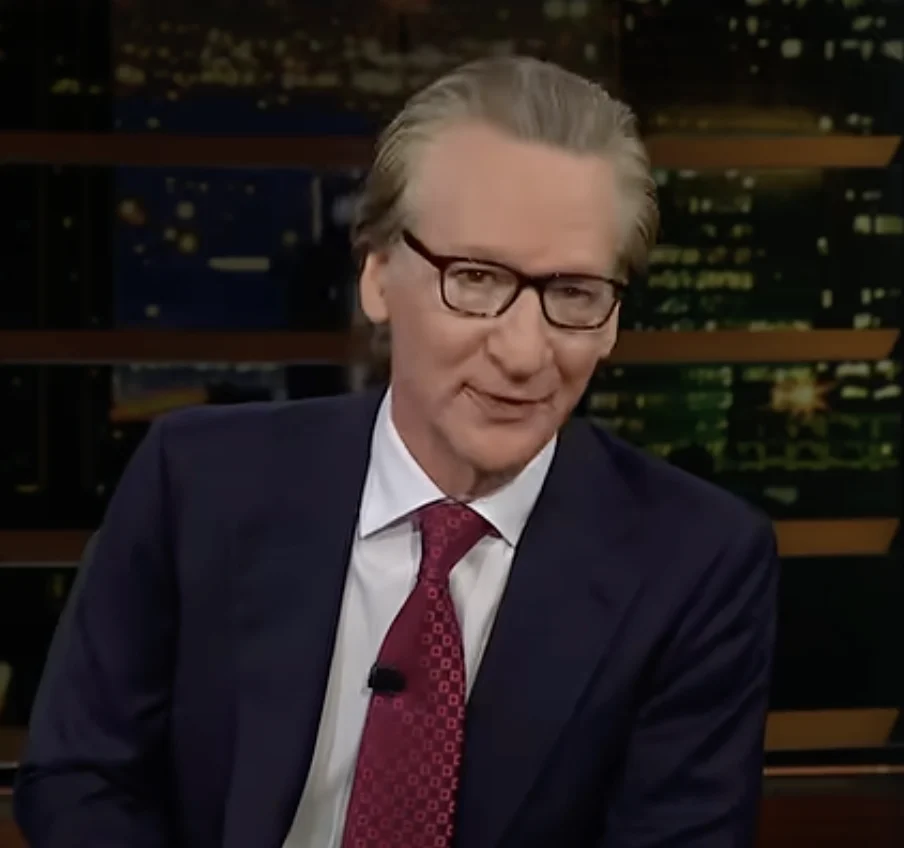
The 25th anniversary of the September 11, 2001, terrorist attacks prompted a sweeping critique from late-night host Bill Maher during the September 11, 2026, episode of his HBO program, Real Time with Bill Maher. In a segment titled New Rules, the 70-year-old comedian addressed what he characterized as a dangerous erosion of moral clarity within Western media and the Democratic Party. Maher’s remarks focused on the shifting nomenclature surrounding terrorism and the geopolitical discourse regarding the ongoing war in Gaza.
A Quarter-Century of Security and Shifting Perspectives
Reflecting on the milestone, Maher acknowledged the operational successes of the United States intelligence and security apparatus, including the Department of Homeland Security, the Central Intelligence Agency, and the Federal Bureau of Investigation. He credited these organizations with maintaining relative safety within the United States for the two and a half decades following the attacks.
However, Maher argued that while the physical security of the nation has remained intact, the ideological consensus regarding the nature of the threat has undergone a profound transformation. He specifically targeted the decision by various media institutions to soften their terminology when describing acts of terrorism. Citing guidance issued by journalism associations—which suggested that the term "terrorism" should be used sparingly or in quotation marks due to its political connotations—Maher questioned the intent behind such linguistic changes. He characterized these efforts as a retreat from objective truth, suggesting that the refusal to label the 9/11 hijackers as terrorists obscured the ideological nature of the threat they posed to Western liberalism.
Chronology of Evolving Media Standards
The debate over the use of the word "terrorism" in journalism is not new, but it has intensified over the last decade. Following the 20th anniversary of the 9/11 attacks in 2021, a number of major media organizations faced internal and external pressure to reconsider their editorial policies regarding terminology.
- 2001–2010: The period immediately following the attacks was marked by a consensus in Western media that the events were, without qualification, acts of terrorism.
- 2011–2020: As the "War on Terror" evolved into a protracted series of counter-insurgency operations, academic and media discourse began to emphasize the importance of neutral reporting, leading to a broader debate about the "loaded" nature of the word.
- 2021–2026: On the 20th anniversary of the attacks, several journalism associations updated their style guides. Critics, including Maher, argue that these changes have led to a "sanitization" of events, where reporters avoid specific labels to maintain an appearance of impartiality.
Maher specifically highlighted instructions given to staff at organizations like the BBC and CBC, which have periodically advised journalists to exercise caution with the term "terrorist." He argued that such policies prioritize a desire for "nuance" over the fundamental reality of the actions being described.
The Clash of Civilizations: Radical Islamism and Western Values
Maher’s critique extended beyond the terminology of the past to the ideological struggles of the present. He reasserted the validity of the "clash of civilizations" framework—a concept famously popularized by political scientist Samuel Huntington—arguing that the primary conflict remains between radical Islamism and Western liberal values.
He posited that the core of the conflict lies in fundamental disagreements over human rights, the equality of women, and the freedom of religion. Maher expressed confusion regarding why many modern progressive voices, whom he identifies as being on the side of Western liberalism, have seemingly aligned themselves with ideologies that are diametrically opposed to these values. This shift, he noted, has been accompanied by a concerning trend in public opinion. Recent data cited in the discourse suggests that a segment of the younger American population has developed a more favorable, or at least less critical, view of figures such as Osama bin Laden, a development Maher attributed to a pervasive "anti-Western" sentiment within contemporary educational and cultural environments.
The Gaza Conflict and Political Discourse
A significant portion of Maher’s commentary was dedicated to the current conflict in Gaza, which he utilized as a case study for what he described as "moral confusion" within the Democratic Party. Maher rejected the characterization of Israel’s military response to the October 7 attacks as a "genocide," insisting that the conflict constitutes a conventional war necessitated by a military counterattack.
He specifically criticized public figures and celebrities who have used the term "genocide" to describe the Israeli military campaign. Maher argued that these statements are often made without a sufficient understanding of the historical and legal context of the region. He reminded his audience that Gaza, while not part of the original borders of Israel, was territory gained during a defensive war and subsequently relinquished as a gesture of peace—a historical detail he claims is frequently omitted from contemporary political narratives.
Official Responses and Broader Implications
The political landscape surrounding the Middle East remains deeply polarized. While some Democratic politicians and international human rights organizations have called for an immediate ceasefire, citing the humanitarian toll in Gaza as evidence of potential war crimes, others—including the current administration and a significant faction of the Democratic Party—continue to support Israel’s right to self-defense against Hamas.
The implications of this discourse are significant for the upcoming election cycles. The divide between those who view the Gaza conflict through the lens of humanitarian crisis and those who view it as a necessary counter-terrorism operation has created a fissure in the political base. Analysts suggest that the rhetoric surrounding these events is influencing voter sentiment, particularly among younger demographics who are increasingly skeptical of established foreign policy doctrines.
Societal Impact and Fact-Based Analysis
The broader impact of this debate touches on the responsibility of the media in times of crisis. The tension between "neutrality" and "accuracy" is a central challenge for modern newsrooms. If a media outlet chooses to avoid specific labels for acts of violence, it risks losing the trust of a public that views these events through a moral lens. Conversely, if a media outlet adopts loaded language, it risks losing its reputation for objective, dispassionate reporting.
Maher’s argument serves as a catalyst for a necessary conversation regarding how historical memory is maintained. By highlighting the 25-year gap between the 9/11 attacks and today, he underscores how quickly the collective understanding of such events can shift. The data regarding younger Americans’ perceptions of the 9/11 era indicates a potential "knowledge gap" that could have long-term consequences for how the United States interacts with the rest of the world.
As the United States moves further away from the date of the 9/11 attacks, the challenge of preserving the historical context while addressing current geopolitical realities remains complex. Whether the discourse will move toward a more unified understanding of these issues or remain fractured by ideological divides remains to be seen. What is clear, however, is that the language used to describe these events—from "terrorism" to "genocide"—will continue to be a primary site of cultural and political contestation for years to come.