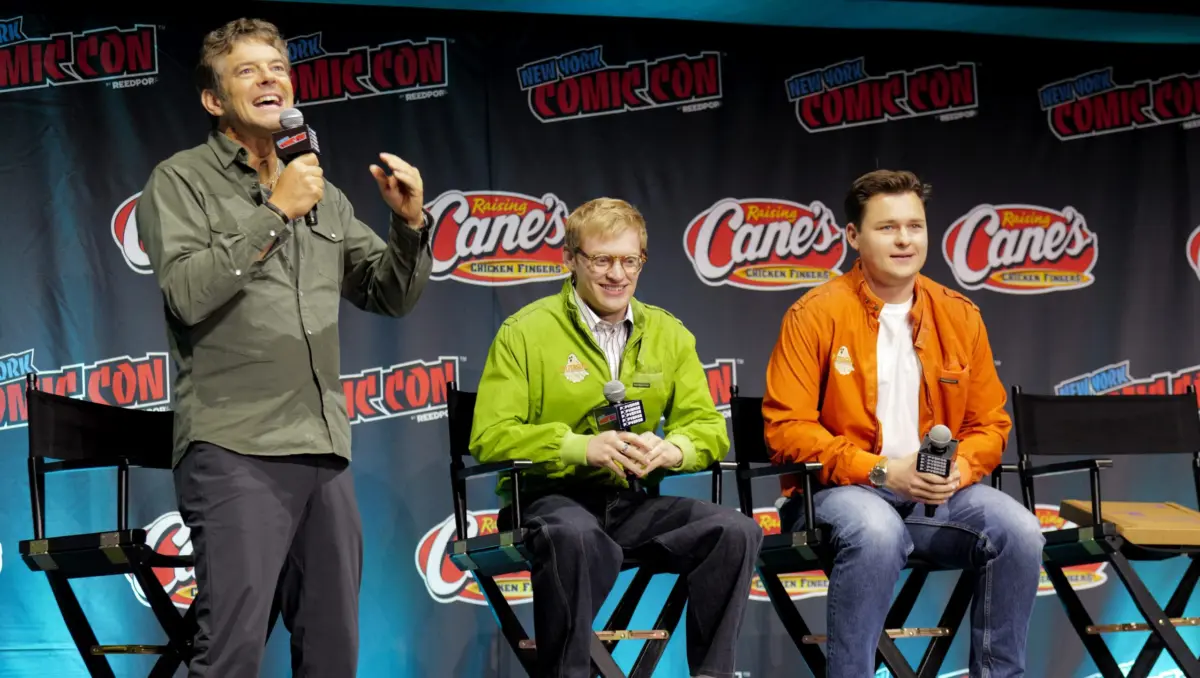
The annual BlumFest event at New York Comic Con has long served as a bellwether for the horror genre, but this year’s presentation marked a significant escalation in the studio’s output and strategic direction. Following the successful merger of Blumhouse and James Wan’s Atomic Monster, the collective announced a robust 2027 theatrical calendar, a series of high-profile directorial attachments, and a pivot toward integrating digital-first creators into the traditional studio pipeline. The two-hour showcase served as a comprehensive update for fans and investors, detailing a slate that spans legacy franchise revivals, original intellectual property, and experimental partnerships with viral horror content creators.
A Comprehensive 2027 Theatrical Roadmap
The cornerstone of the BlumFest presentation was the disclosure of a definitive release schedule for the 2027 calendar year. The studio’s aggressive strategy highlights a commitment to maintaining a steady cadence of releases across all four quarters. The confirmed lineup includes River (Jan. 15), The Revenge of Llorona (Feb. 26), The Exorcist: Martyrs (March 12), Anything but Ghosts (May 7), Paranormal Activity (May 21), The Blair Witch Project (Sept. 24), and Sleepover and Seasons (Nov. 12). An additional, currently untitled project is slated for an August 2027 release, suggesting the studio is keeping its options open for a late-summer blockbuster or a potential festival breakout.
This timeline indicates a return to the studio’s roots—specifically with the revival of the Paranormal Activity and Blair Witch franchises—while simultaneously betting on new, character-driven horror projects. Jason Blum, co-founder of Blumhouse, framed the strategy as a response to evolving audience tastes. By diversifying the genre’s sub-categories—ranging from supernatural thrillers and slashers to creature features—the studio aims to capture different demographic segments throughout the year.
The Strategic Shift Toward Digital-First Talent
Perhaps the most noteworthy development at this year’s event was the formalization of partnerships with digital-native creators. The studio announced a collaboration with Matthew "MatPat" Patrick, the architect behind the "Theory" channels on YouTube, to adapt indie games and digital horror phenomena into feature-length films. The first project under this initiative is a film based on the video game Amanda the Adventurer.
This move follows the recent success of films like Obsession and Backrooms, which leveraged existing digital fanbases to drive box office performance. By integrating these creators, Blumhouse is effectively crowdsourcing market research and building-in an audience before a project even enters production. During the panel, Heidi Wong, a multimedia horror storyteller known as "The Horror Queen," was also announced as a development partner for a new short film. These initiatives signal a broader industry trend where the traditional "gatekeepers" of Hollywood are increasingly looking toward social media ecosystems to identify the next generation of genre directors and writers.
Deep Dive: Key Projects and Creative Direction
The panel provided specific updates on high-profile projects that have been in development for several months.
Something Is Killing the Children
James Tynion IV and Werther Dell’Edera’s acclaimed comic book series, Something Is Killing the Children, has officially moved forward with Craig Zobel attached as director. The adaptation is widely regarded as one of the most anticipated horror projects in the studio’s pipeline. During the presentation, it was clarified that the film would retain the brutal, uncompromising nature of the source material, with creators confirming that the narrative will not shy away from the darker themes—including the death of children—that define the comic’s stakes.
The Exorcist: Martyrs
Mike Flanagan’s participation in the Exorcist franchise has been a subject of intense speculation, and the presentation of the trailer for The Exorcist: Martyrs served as a focal point for the panel. Flanagan emphasized a desire to move away from the path laid by previous franchise entries, seeking to reclaim the visceral, unsettling tone of the original 1973 film and the underappreciated Exorcist III. The film, which stars Chiwetel Ejiofor, is positioned as a pivotal release for the studio in early 2027.
Violent Night 2 and Franchise Expansion
The sequel to the 2022 hit Violent Night was also a primary topic, with stars David Harbour and Kristen Bell offering insights into the expansion of the "Santa Claus as an action hero" lore. With Tommy Wirkola returning to direct, the project is leaning into its influences—specifically Die Hard and Home Alone—while introducing new mythology surrounding the character of Mrs. Klaus.
Economic and Cultural Implications
The aggregation of these announcements suggests a "victory lap" for the Blumhouse-Atomic Monster merger. By combining Blumhouse’s mastery of low-budget, high-concept production with Atomic Monster’s visual flair and franchise management, the studio is solidifying its position as the dominant force in horror.
From an economic perspective, the strategy is built on risk mitigation. By cycling through a mix of established intellectual property (which offers high brand recognition) and original, lower-cost projects (which offer high profit margins), the studio is creating a balanced portfolio. The inclusion of digital creators further lowers the risk of failure by ensuring a base level of engagement.
However, the rapid expansion of these franchises also invites criticism regarding creative fatigue. Audiences have seen numerous iterations of The Blair Witch Project and Paranormal Activity over the last two decades. The success of the 2027 slate will depend heavily on the studio’s ability to provide genuine innovation within these long-running narratives. As Jason Blum noted during the panel, the goal is not merely to "drive a franchise into the ground," but to find fresh, urgent reasons for those stories to exist in the current cultural zeitgeist.
Looking Ahead: The Future of Horror
As the panel concluded, the overriding theme was one of evolution. The horror genre is no longer a niche market; it is a primary driver of theatrical attendance. The collaboration between legacy producers like Jason Blum and James Wan, and modern creators like Curry Barker and Matthew Patrick, suggests a model of production that is more porous and responsive to audience feedback than ever before.
For the industry, the 2027 slate represents a test case. If the studio can successfully bridge the gap between niche digital horror and mainstream theatrical distribution, it may set a new standard for how major film studios approach development in the streaming age. With filming for projects like Molepeople and Anything but Ghosts slated to begin in the coming months, the results of this aggressive development cycle will soon be on display for the global audience.