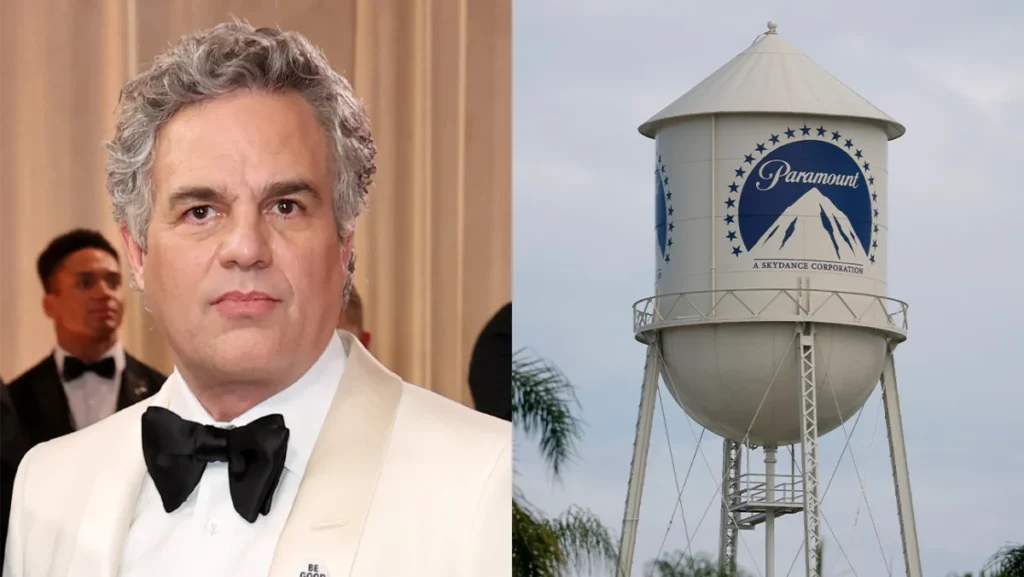
The landscape of American media is undergoing a tectonic shift following the resolution of a high-stakes antitrust battle involving the $111 billion mega-merger between Paramount and Warner Bros. Discovery. While the settlement, finalized on Monday, allows the deal to proceed under the stewardship of Skydance owner David Ellison, it has ignited a fierce political firestorm. Among the most vocal critics is New York City Mayor Zohran Mamdani, who has characterized the agreement not as a victory for competition, but as a "shameful monument to corruption" that threatens the fundamental independence of the Fourth Estate.
The deal, which was brokered after a coalition of 12 states—led by California Attorney General Rob Bonta—and the Writers Guild of America (WGA) challenged the merger on antitrust grounds, represents one of the most significant consolidations in the history of the entertainment industry. For months, the litigation hovered over the proposed union, with critics arguing that the sheer size of the combined entity would create an insurmountable barrier to entry for smaller studios and jeopardize the integrity of major news outlets, specifically CBS News and CNN.
A Chronology of the Antitrust Challenge
The path to this week’s settlement was fraught with internal disagreement and aggressive legal maneuvering. The antitrust challenge began in earnest when regulators expressed deep concern over the vertical integration of the proposed company. The core of the complaint centered on the fear that a combined Paramount-Warner Bros. Discovery entity would exert undue influence over both the distribution of content and the news cycles that inform the American public.
In the weeks leading up to the final agreement, the coalition of 12 states began to fracture. Sources familiar with the negotiations indicated that factions emerged within the alliance, with New York, Connecticut, Minnesota, and Nevada initially serving as the most persistent holdouts. These states argued that the concessions offered by Paramount were insufficient to mitigate the risk of monopolistic control.
The turning point occurred over the weekend, as mounting pressure from the industry and the complexity of the $111 billion transaction pushed negotiators toward a compromise. On Monday, the settlement was officially announced, signaling an end to the litigation and clearing the regulatory path for the merger to finalize, provided the company adheres to a stringent set of oversight conditions.
The Terms of the Settlement
The settlement agreement includes several "behavioral remedies" designed to appease regulators and labor unions. Among the most critical provisions are:
- Production Quotas: Paramount has committed to a minimum annual volume of film releases, aimed at preventing the new entity from stifling market supply.
- Domestic Investment: The company has pledged $1.5 billion in new capital specifically for film production within the United States, a move intended to preserve domestic jobs.
- Labor Protections: The agreement includes binding commitments to honor existing union contracts, addressing fears that a merged entity might seek to aggressively cut costs at the expense of creative and technical staff.
- Editorial Independence Board: Perhaps the most controversial aspect of the deal is the creation of a new board tasked with establishing "guiding editorial and journalism principles" for CBS News and CNN.
Despite these provisions, skeptics remain unconvinced. Connecticut Attorney General William Tong, who was among the most vocal critics of the final terms, expressed his deep frustration upon the announcement. "We wanted and demanded full divestiture of CNN and CBS News," Tong stated. "We wanted to save ethical and independent journalism and news. I am deeply disappointed that we could not do more."
Mayor Mamdani’s Critique and the Media Power Debate
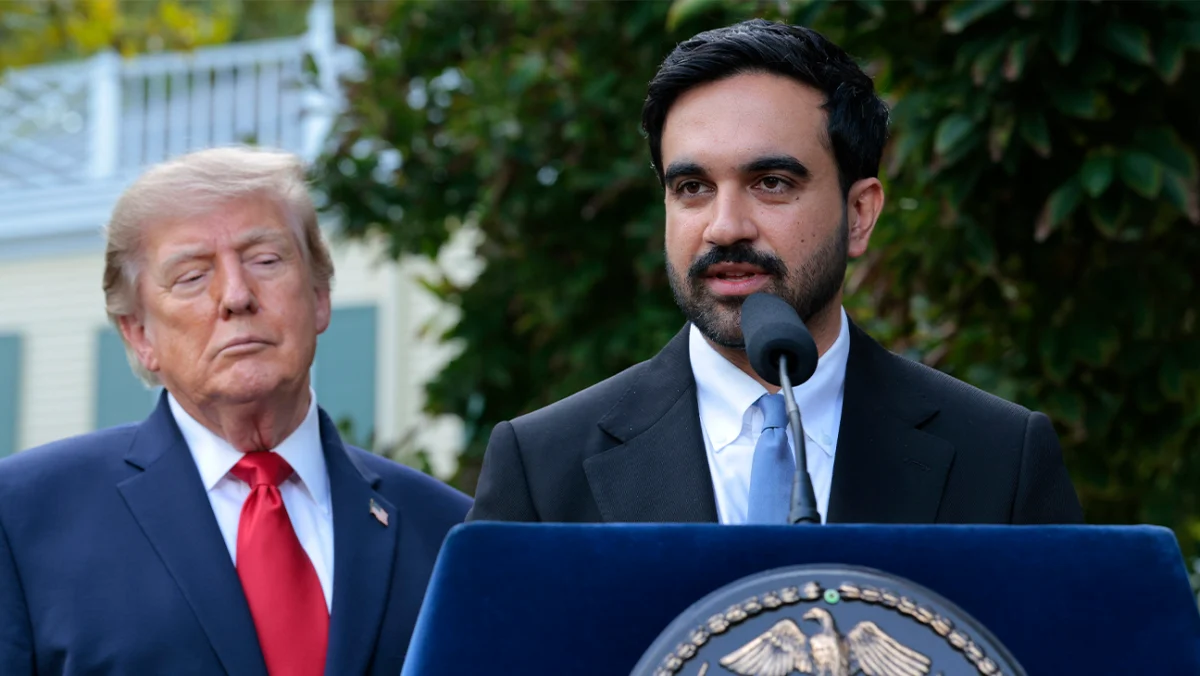
Mayor Zohran Mamdani’s opposition to the merger highlights a growing concern among progressive leaders regarding the concentration of media ownership in the hands of a few billionaires. In his statement released via X on Tuesday, Mamdani argued that the merger strikes a "chilling blow" to the freedom of the press.
"America is free only when the media is competitive, independent, and accountable to the people," Mamdani wrote. His critique targets the influence of David Ellison, the billionaire behind the Skydance acquisition of Paramount, suggesting that the merger grants an individual unprecedented power to curate the information that millions of Americans consume daily. Mamdani’s rhetoric reflects a broader ideological divide: while some regulators see these "behavioral remedies" as a practical way to manage large-scale corporate growth, critics view them as toothless guardrails that fail to address the core problem of concentrated ownership.
Interestingly, the Mayor’s stance put him at odds with some of his political allies. While he condemned the merger, he simultaneously expressed appreciation for New York Attorney General Letitia James for the protections she helped secure for labor unions. James defended the settlement in a formal statement, noting that the deal ensures the industry will "continue to thrive with more movies produced in America." She emphasized her intent to maintain strict oversight, stating, "I will continue to closely monitor Paramount’s activities to ensure they are following this agreement and the law."
Economic and Industry Implications
The $111 billion valuation of the merger reflects the desperate scramble of traditional media giants to compete with the rise of global streaming platforms and tech conglomerates. By combining the vast content libraries of Warner Bros. Discovery with the studio heritage of Paramount, the new entity aims to create a powerhouse capable of dominating both theatrical box offices and streaming subscriptions.
However, the economic reality of the merger is complex. Analysts note that while the deal creates efficiencies—reducing redundant overhead and combining distribution networks—it also raises significant questions about market parity. When a single firm controls a significant percentage of theatrical releases and major news networks, the risk of "information homogenization" increases.
The requirement for an "editorial independence board" is an unprecedented attempt by regulators to insulate newsrooms from corporate influence. Yet, legal scholars have questioned the efficacy of such boards, noting that they often lack the teeth to prevent subtle editorial biases or corporate-friendly shifts in reporting. If the board is composed of individuals appointed by the very entity it is supposed to monitor, the potential for conflicts of interest remains high.
The Path Forward
The merger will now move toward final integration, a process that is expected to take several months, if not years. The "oversight period" mentioned by Attorney General James will be the primary mechanism for accountability. For proponents of the deal, this represents the beginning of a revitalized era for Hollywood, bolstered by significant capital injections and guaranteed production slates.
For opponents like Mayor Mamdani, the focus will remain on the long-term democratic implications of the merger. The debate is unlikely to end with the signing of the settlement. Instead, it serves as a prologue to a larger national conversation about the role of antitrust law in the 21st century. As media companies become increasingly intertwined with telecommunications and technology, the traditional tools of regulation—such as divestiture or behavioral oversight—may prove inadequate for an era defined by global, digital-first media conglomerates.
As the industry watches the integration of Paramount and Warner Bros. Discovery unfold, the political scrutiny will likely intensify. Should the company stumble in its promises to maintain editorial independence or labor standards, the pressure for federal intervention will undoubtedly rise. For now, the merger stands as a testament to the immense power of corporate consolidation in the digital age, leaving a divided public to wonder if the promises of the settlement will be enough to protect the independence of the media landscape that remains so vital to the American democratic process.