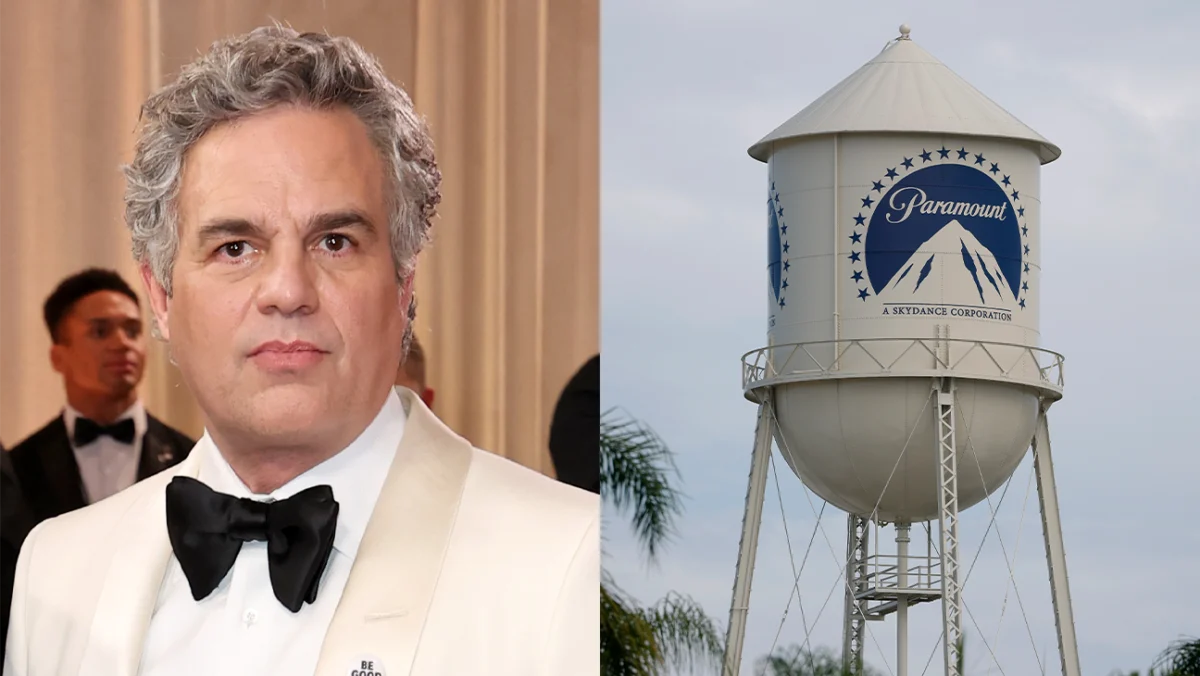
The high-stakes corporate consolidation between Paramount and Warner Bros. Discovery has reached a critical juncture, as reports emerge that Paramount is nearing an advanced settlement with a coalition of 12 state attorneys general led by California’s Rob Bonta. The potential resolution of the antitrust lawsuit, which seeks to block the massive media merger, has ignited a fierce public campaign led by actor and activist Mark Ruffalo, who is urging state regulators to remain steadfast in their legal challenge.
As the industry watches for a definitive resolution, the dispute underscores the widening chasm between corporate expansion strategies and the concerns of creative professionals regarding market competition, labor standards, and the preservation of diverse storytelling in the digital age.
The Chronology of a High-Stakes Legal Battle
The legal standoff began in earnest on July 13, when a coalition of 12 states filed a formal antitrust lawsuit to halt the proposed takeover. The plaintiffs, spearheaded by the California Department of Justice, argued that the merger would effectively consolidate two of the five major Hollywood studios, leading to a dangerous reduction in market competition.
On July 20, the judicial system intervened when U.S. District Judge Araceli Martínez-Olguín granted a temporary restraining order, effectively freezing the transaction. The order was extended on July 23 as the court prepared for more substantial arguments. Recognizing the gravity of the litigation, Paramount agreed on July 24 to voluntarily pause the acquisition process until the court could render a final verdict on whether the merger violates federal and state antitrust statutes.
Recent reports from The Wall Street Journal suggest that after months of discovery and legal posturing, the parties are now in the late stages of negotiating a settlement. This development has triggered immediate concern among labor groups and high-profile industry figures who fear that a settlement may result in "empty promises" rather than the total abandonment of the deal.
Mark Ruffalo and the Collective Pushback
Mark Ruffalo has emerged as a central, vocal critic of the merger, utilizing his platform to rally support against the consolidation. In a direct appeal on social media, Ruffalo cautioned Attorney General Bonta against "caving" to corporate pressure. His campaign highlights a massive surge in opposition, claiming that over 5,670 filmmakers and more than 75,000 concerned citizens have signed petitions demanding that the attorneys general reject any settlement that allows the merger to proceed.
Ruffalo’s activism extends beyond digital petitions. He has testified before the U.S. Senate regarding the potential negative impact of media consolidation on creative labor and has been a signatory on several open letters addressed to government officials. His argument is fundamentally rooted in the protection of the creative ecosystem, suggesting that the merger will lead to fewer opportunities for writers, directors, and actors, while ultimately diminishing the quality and variety of content available to the public.
Antitrust Allegations: Market Concentration and Consumer Impact
The core of the lawsuit filed by the state attorneys general is the belief that the merger constitutes an anticompetitive practice that violates established antitrust laws. California Attorney General Rob Bonta has consistently argued that the combination of two major industry players would stifle competition, leading to a predictable set of negative outcomes for consumers and the market alike.
Specifically, the plaintiffs have raised the following concerns:
- Price Inflation: With fewer competitors, the merged entity could exert greater control over licensing fees, theater ticket prices, and subscription costs for streaming services.
- Reduced Content Diversity: Consolidation often leads to a "homogenization" of content, as corporate entities prioritize safer, high-revenue intellectual properties over experimental or niche storytelling.
- Market Dominance: Combining two of the "Big Five" studios would create a behemoth capable of squeezing out independent productions and smaller distribution outlets, thereby limiting the variety of media available to the global audience.
Economists and media analysts have noted that this case is part of a larger, global conversation regarding "platformization" and vertical integration. The ability of a single company to control both the production of content and the primary channels of distribution remains a point of contention for regulators in both the United States and the European Union.
Controversy and the Debate over Corporate Ties
The tension surrounding the merger has been further complicated by external factors, including Ruffalo’s vocal criticism of Oracle, a company with familial ties to the potential leadership of the new entity. In August, Ruffalo took to Instagram to highlight the relationship between Oracle and the Israeli military, sharing footage of former Oracle executive Safra Catz discussing the company’s technological contributions.
Ruffalo’s comments, which characterized the situation as a "genocide" facilitated by oppressive systems, drew a sharp and public rebuke from Paramount. In a rare corporate statement, a Paramount representative labeled the actor’s remarks "antisemitic," arguing that utilizing such rhetoric to describe a business dispute was a "bridge too far" that cheapened the suffering associated with the terms used.
Ruffalo subsequently refuted the accusation, calling it "appalling and fundamentally dishonest." This exchange highlights the increasingly personal and politically charged nature of the debate, where business mergers are now being scrutinized through the lens of corporate ethics, international human rights, and the perceived moral standing of the leadership teams involved.
Broader Implications for the Media Landscape
The resolution of this lawsuit will serve as a bellwether for the future of media consolidation in the United States. Should the states accept a settlement, it would likely signal a shift toward "remedy-based" mergers—where companies are allowed to combine provided they divest certain assets or agree to specific regulatory oversight. However, if the states hold their ground, it could signify a return to a more aggressive, prohibition-focused approach to antitrust enforcement that dominated much of the early 20th century.
For the entertainment industry, the implications are profound. If the merger is finalized, the industry may see a significant restructuring of labor contracts and creative control. If blocked, it would represent a massive victory for labor unions and independent creators who have long argued that the "bigger is better" model of media growth has failed to deliver on its promise of better content, opting instead for higher profit margins at the expense of creative diversity.
As the settlement talks continue behind closed doors, the pressure on Attorney General Bonta and his counterparts from other states remains high. The public discourse has moved beyond simple business metrics, evolving into a debate about who truly owns the culture of cinema and television: the stockholders of massive conglomerates, or the creative workforce and the audiences that sustain them.
Conclusion
The outcome of the Paramount and Warner Bros. Discovery antitrust battle remains fluid. While the promise of a settlement offers a potential end to the legal uncertainty, the vocal opposition led by high-profile figures like Mark Ruffalo suggests that the public and creative community will not easily accept a deal that fails to address their fundamental concerns regarding market competition.
As government regulators weigh the economic arguments against the public interest, the case stands as a significant test of the current administration’s commitment to antitrust enforcement. Whether the final agreement includes strict conditions or the outright termination of the deal, the process has already permanently altered the landscape of the current merger discourse, ensuring that any future attempts at industry consolidation will be met with heightened scrutiny and public demand for transparency.