Netflix has officially released the primary full-length trailer for one of the most anticipated cinematic collaborations of the decade: The Further Mis-Adventures of Cliff Booth. Directed by acclaimed filmmaker David Fincher and written by Quentin Tarantino, the film serves as a direct spin-off to Tarantino’s 2019 Academy Award-winning feature Once Upon a Time in Hollywood. The newly debuted footage offers audiences an extended look into the grittier, post-hippie Los Angeles of the late 1970s, establishing a darker tone distinct from the sun-drenched, nostalgic atmosphere of its predecessor.
The project, which previously generated considerable industry buzz following a high-profile Super Bowl television spot, has finalized its title and solidified its release strategy. Netflix has scheduled a theatrical qualifying run in IMAX theaters on November 25, 2026, ahead of its global streaming premiere on December 23, 2026. This hybrid release model reflects Netflix’s ongoing strategy to secure major awards-season traction for auteur-driven cinematic properties while catering to its vast subscription base.

Main Facts and Narrative Premise
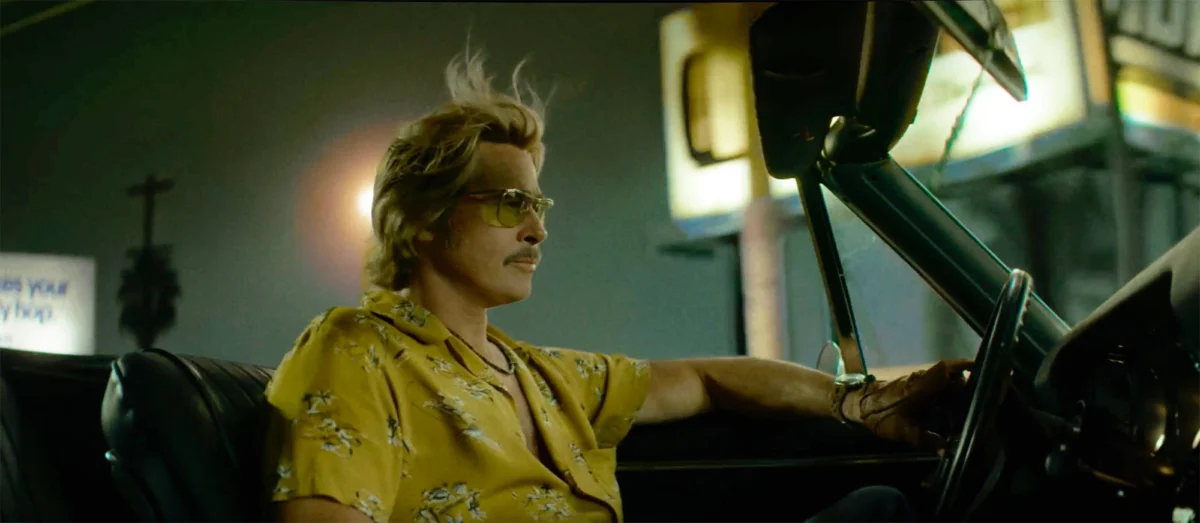
Set in the year 1977—eight years after the harrowing events involving the Manson family depicted in Once Upon a Time in Hollywood—The Further Mis-Adventures of Cliff Booth catches up with the aging, resilient stuntman turned studio fixer. Brad Pitt reprises his role as Cliff Booth, navigating a rapidly changing entertainment industry where the idealistic optimism of the 1960s has given way to cynical realism, economic uncertainty, and new waves of urban decay.
According to official production synopses and the newly released trailer, the narrative centers on Booth operating as an informal problem-solver for Hollywood studios. Tasked with managing extortion, blackmail, theft, and high-profile murders, Booth utilizes his unique and occasionally extralegal skill set to keep the industry’s darkest secrets hidden from the public eye.
The ensemble cast features a mix of seasoned character actors and rising talent, including Elizabeth Debicki, Scott Caan, Carla Gugino, Yahya Abdul-Mateen II, Peter Weller, Corey Fogelmanis, JB Tadena, Matt Groove, and Karren Karagulian. Behind the camera, the production reunites top-tier cinematic craftspeople, featuring cinematography by Erik Messerschmidt, who previously collaborated with Fincher on Mank and The Killer, and a production team comprising Ceán Chaffin, David Heyman, Shannon McIntosh, Brad Pitt, and Quentin Tarantino.

Chronology and Project Development
The journey of bringing Cliff Booth back to the screen has been a multi-year evolutionary process within the Hollywood landscape.
- July 2019: Quentin Tarantino’s Once Upon a Time in Hollywood is released theatrically by Sony Pictures, earning widespread critical acclaim, ten Academy Award nominations, and two wins, including a Best Supporting Actor trophy for Brad Pitt’s portrayal of Cliff Booth.
- 2021–2023: Rumors and industry reports circulate regarding Tarantino’s plans to expand the universe of the film, initially through novelizations and subsequent script development focusing on Booth’s backstory and post-1969 exploits.
- Late 2024: Reports surface that David Fincher has entered discussions to direct the project, marking a rare instance of Tarantino scripting a feature-length narrative directed by another major filmmaker.
- Early 2025: Netflix acquires the distribution rights to the project, positioning it as a major tentpole for its late-2026 slate. Production commences under tight security in Los Angeles, utilizing period-accurate locations to capture the authentic decay of 1970s Tinseltown.
- February 2026: A surprise first-look TV spot airs during the Super Bowl, officially introducing the working title and generating massive online engagement.
- September 2026: Netflix releases the official full-length trailer, accompanied by confirmation of the final title, The Further Mis-Adventures of Cliff Booth, and official release dates for IMAX and streaming.
Supporting Data and Production Background
The collaboration between David Fincher and Quentin Tarantino represents a historic meeting of two distinct directorial sensibilities. Fincher, renowned for his meticulous framing, dark narrative palettes, and psychological precision, approaches the material with a stylistic restraint that contrasts with Tarantino’s signature kinetic energy and pop-culture pastiche.
Cinematographer Erik Messerschmidt utilizes advanced digital capture technology to recreate the smog-heavy, neon-lit nightscapes of late-1970s Los Angeles. The trailer heavily emphasizes these nocturnal sequences, showcasing a visual style that aligns more closely with Fincher’s thriller filmography—such as Se7en and Zodiac—than the sun-bleached aesthetic of the original 2019 film.

Fincher’s ongoing partnership with Netflix continues to be one of the most prolific director-studio alliances in modern streaming history. Following films like Mank (2020) and The Killer (2023), alongside his executive production duties on series like Love, Death & Robots, Fincher’s involvement grants Netflix significant prestige value. The decision to grant the film an exclusive, albeit brief, IMAX theatrical window before its streaming debut underscores the growing industry standard of satisfying theatrical exhibitors to maximize awards viability and cultural footprint.
Industry Implications and Cultural Reception
The release of the trailer has ignited substantial discourse across film journalism and social media platforms, positioning The Further Mis-Adventures of Cliff Booth as a major cultural touchstone for the upcoming holiday season.
From an industry perspective, the project tests the viability of cinematic universe expansion via streaming platforms when handled by premier auteurs. While traditional franchise expansions rely on continuity-heavy world-building across multiple sequels, this project operates more akin to a literary detective series, where a compelling character is dropped into a distinct procedural framework dictated by a new director’s stylistic signature.

Furthermore, Brad Pitt’s continued box-office and streaming viability remains a focal point for industry analysts. Playing a character that won him his first competitive acting Oscar provides a built-in nostalgic hook, while Fincher’s directorial involvement broadens the demographic appeal beyond traditional Tarantino enthusiasts to include fans of high-end psychological thrillers and neo-noir cinema.
As the industry prepares for the November theatrical rollout, early reactions suggest that the creative gamble of pairing Tarantino’s universe with Fincher’s execution will yield a uniquely dark, cynical, and engaging addition to the modern neo-noir landscape.