The landscape of modern horror is undergoing a significant shift, moving away from purely digital consumption toward a meta-commentary on the tactile history of the genre. With the release of Dead Media, writer and director Joseph Scrimshaw delivers a narrative that functions simultaneously as a creature feature and a love letter to the era of physical media collectors. Executive produced by Joe Lynch, a filmmaker recognized for his contributions to the genre in titles such as Suitable Flesh and Mayhem, the project arrives at a moment where the preservation of home video formats has become a burgeoning subculture.
Plot Premise and Narrative Structure
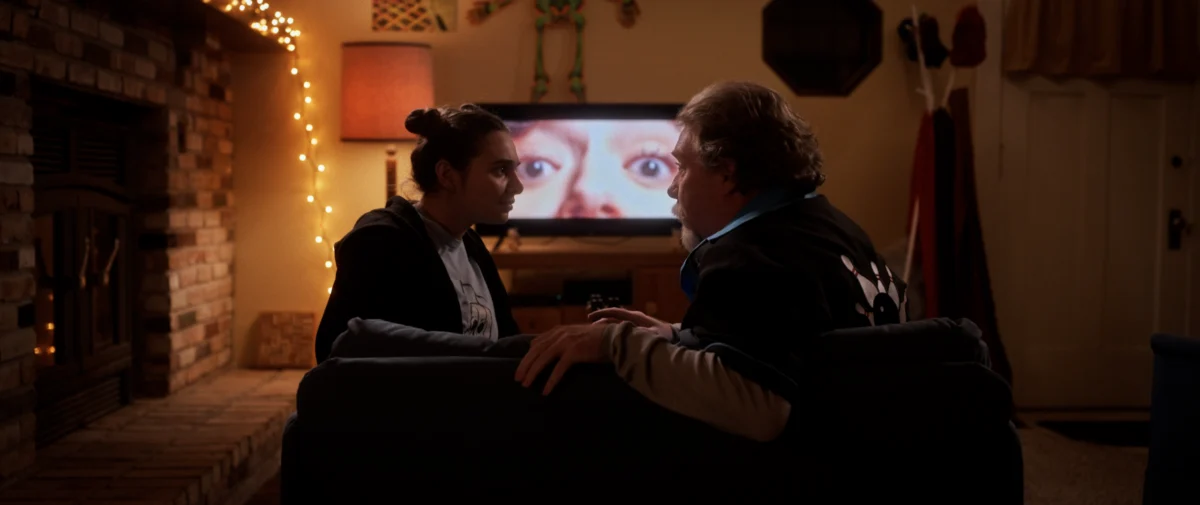
The story follows Maggie, a young woman struggling with personal challenges, who gathers her two best friends for a routine movie night. Their initial intention is to view a forgotten 1990s cult horror film titled Night of the Lurchers. However, the premise pivots when Maggie’s uncle—a character established as a devotee of physical media—introduces an actual DVD copy of the film.
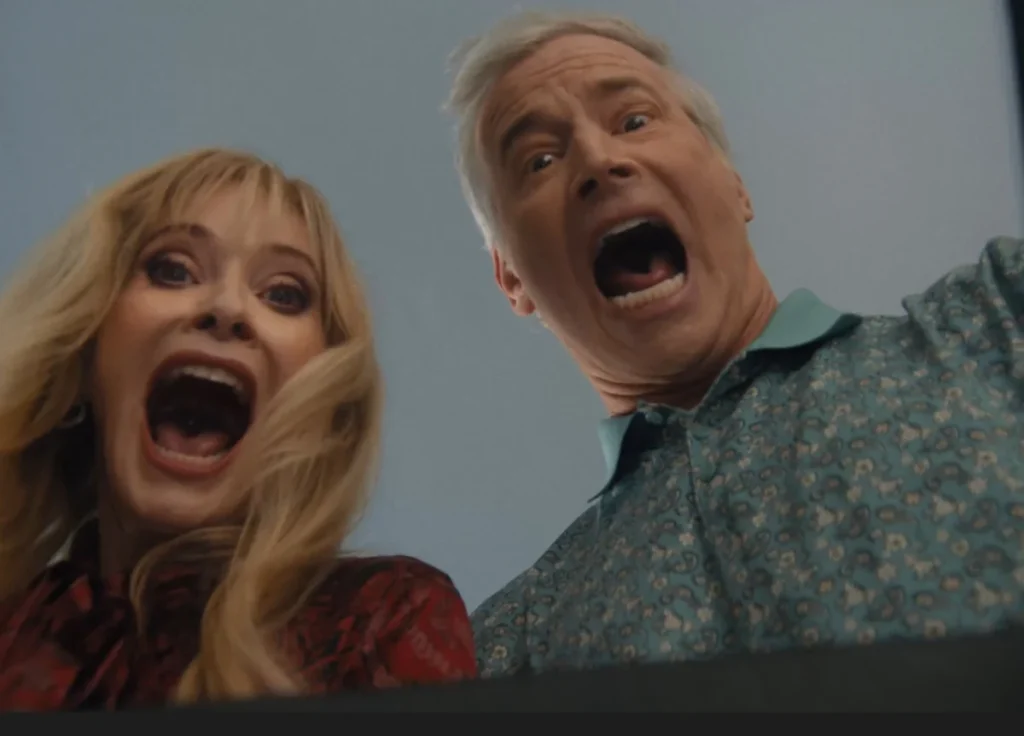
The narrative hook relies on the concept of the "haunted artifact." By incorporating the tactile elements of a physical disc, including the ritual of accessing special features and menu screens, the film transforms the viewing experience into a literal manifestation of the movie’s antagonist. As the characters navigate the bonus features, the boundaries between the celluloid reality of Night of the Lurchers and their physical living room dissolve, leading to a confrontation with entities that defy the digital screen.
Production and Creative Team
The production of Dead Media is characterized by a deliberate attempt to capture the aesthetic of 1990s low-budget horror, utilizing modern cinematography to pay homage to the grit of the VHS and early DVD era. Joseph Scrimshaw makes his feature directorial debut with this project, having assembled a cast that includes Sammi-Jack Martinack, Sam Landman, James Urbaniak, Jessica Fenton, and Anna Sundberg.
The technical crew is headed by cinematographer Matthias Schubert, whose work is tasked with balancing the sterile, modern look of the protagonists’ environment with the increasingly chaotic, practical effects-heavy world of the film within the film. The score, composed by Tony Thaxton, serves to anchor the transition from mundane social interaction to supernatural crisis. Producers Vincent Rutherford and Scrimshaw have opted for a distribution model that leans into the film’s central theme: a theatrical roadshow that mirrors the "event" nature of physical media releases.

The Rise of Physical Media Nostalgia
The thematic core of Dead Media arrives during a period of documented resurgence for physical media. According to data from the Digital Entertainment Group and recent trends in consumer electronics, there has been a measurable pushback against the instability of digital-only libraries. In an era where streaming platforms frequently remove titles for tax purposes or licensing expirations, the "haunted" nature of the DVD in Scrimshaw’s film acts as a metaphor for the permanence—and the potential danger—of owning one’s own media.
The "roadshow" release strategy adopted by the production team is a strategic choice. By taking the film on a tour with live screenings and appearances by the director, the team is replicating the experience of the late 20th-century cult film circuit. This approach encourages community engagement among horror enthusiasts who view physical media not just as content, but as a cultural artifact that requires stewardship and interaction.
Contextualizing the Horror Genre’s Meta-Trend
Dead Media joins a growing list of horror films that utilize technology and media as a catalyst for fear. From The Ring (2002), which centered on the lethality of a VHS tape, to the more recent Host (2020), which utilized the interface of video conferencing software, the genre has long looked to the medium of delivery to heighten tension.
However, Dead Media distinguishes itself by focusing on the "bonus features" aspect of the DVD format. By turning the "Making Of" featurette or the director’s commentary into a site of supernatural infection, Scrimshaw is commenting on the obsession of modern audiences with the production process and the "lore" of horror filmmaking. It reflects a shift in audience sophistication where the "mythology" of a movie is often considered as vital as the movie itself.
The Role of Joe Lynch and Production Oversight
The involvement of executive producer Joe Lynch provides a level of genre pedigree that has helped define the film’s tone. Lynch, known for his work in Mayhem and Suitable Flesh, has a reputation for championing practical effects and visceral storytelling. His presence as an executive producer suggests that Dead Media prioritizes creature design and physical threat over the reliance on excessive CGI. For a film about a haunted DVD, this focus on the tangible—the physical disc, the physical monster—is narratively consistent with the film’s thesis: that the physical object carries a weight that the digital file lacks.
Industry Implications and Future Distribution
While the film is currently in the midst of a theatrical roadshow, industry analysts suggest that the project will likely find a strong secondary life in the boutique home video market. Companies like Vinegar Syndrome, Arrow Video, and Shout! Factory have paved the way for independent horror films to receive high-quality physical releases that cater specifically to the collector demographic.

The success of the theatrical run will likely serve as a proof-of-concept for the film’s inevitable transition to home media. By building a cult following during the roadshow, the production ensures that when the film is eventually released on physical formats—perhaps with its own "bonus features" designed to mirror the narrative—there will be an established audience ready to purchase the artifact itself.
Chronology of the Release
The promotional campaign for Dead Media began in late 2026, marked by the release of the official trailer and the announcement of the cross-country roadshow. The strategy emphasizes local independent theaters, which serve as the final bastions of the "physical" movie-going experience. By limiting the initial release to these venues, the filmmakers are creating a sense of scarcity and urgency, which further mirrors the collector’s market where rare discs and limited-edition prints are prized for their unavailability.
Analysis of the "Dead Media" Phenomenon
The title of the film, Dead Media, is a double entendre. It refers both to the obsolete technology of the DVD and the literal, violent consequences of the media that comes to life. This duality is central to the film’s critical reception. Critics and fans of the genre are likely to view the film through the lens of media archeology. The inclusion of the fictional film Night of the Lurchers within the plot allows the director to create a "film within a film," a trope that requires high technical proficiency to execute without confusing the viewer.
The decision to focus on a specific, recognizable format like the DVD is a calculated move. For younger audiences, the DVD is a piece of historical technology; for older audiences, it is a marker of the transition from analog to digital. By positioning the DVD as a site of horror, the film taps into the unease that accompanies the rapid pace of technological change.
Conclusion
As Dead Media continues its theatrical tour, the project stands as a testament to the enduring power of the horror genre to adapt and comment on its own history. By treating the physical disc as a portal for terror, Joseph Scrimshaw has crafted a film that is as much about the act of watching as it is about the story being watched. Whether the film ultimately achieves the "cult status" it seeks will depend on its ability to resonate with the very collectors and enthusiasts it portrays. Nevertheless, as a creative endeavor, it marks a significant entry in the ongoing conversation regarding the value and vulnerability of physical media in a digital world.