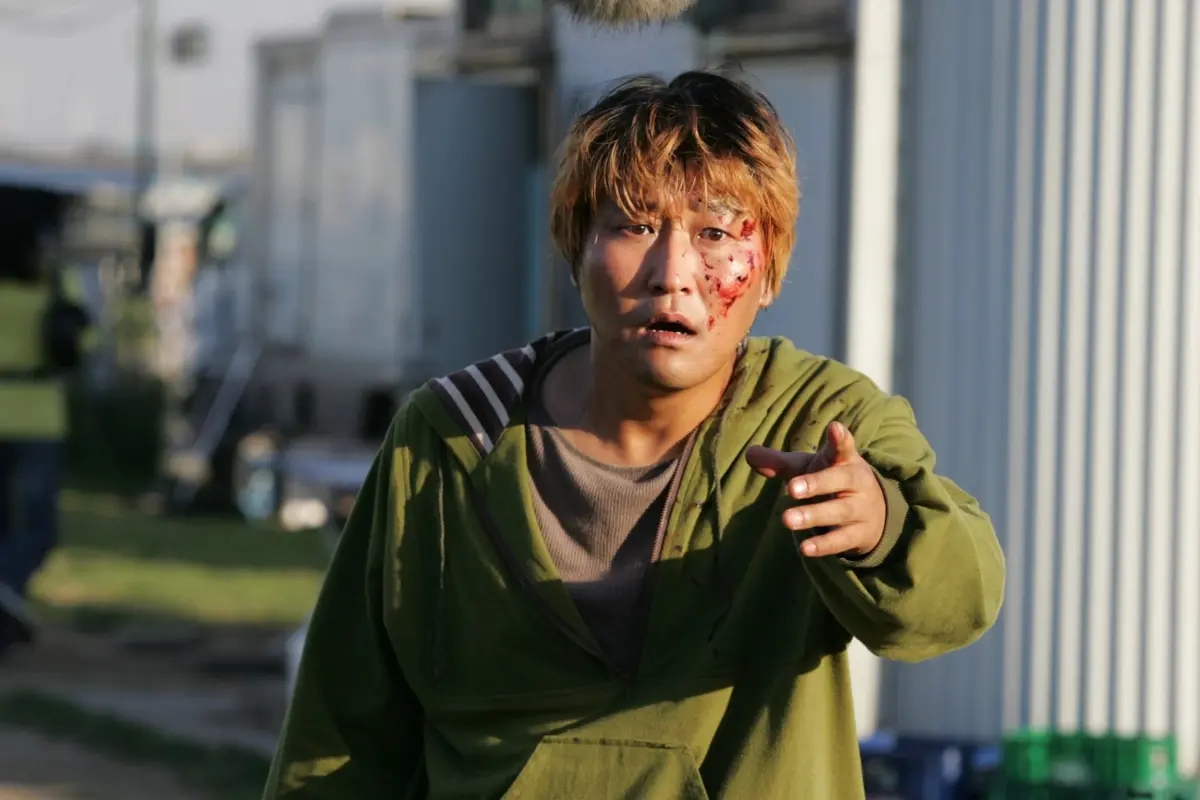
Two decades after its initial theatrical release redefined the monster movie genre, Academy Award-winning filmmaker Bong Joon Ho’s 2006 masterpiece The Host is returning to the big screen. The landmark South Korean feature, which preceded the director’s internationally acclaimed projects such as Snowpiercer (2013), Okja (2017), Parasite (2019), and Mickey 17 (2025), is receiving a comprehensive 4K restoration. Fans of contemporary cinema and creature features will have the opportunity to experience the film in ultra-high definition during a limited theatrical engagement scheduled for November 21 and November 23, followed by a digital release on November 30, 2026.
This anniversary re-release introduces updated visuals and includes a special post-screening conversation between Bong Joon Ho and acclaimed British filmmaker Edgar Wright, known for directing Baby Driver, Hot Fuzz, and Scott Pilgrim vs. The World. The newly minted 4K trailer, released today, offers audiences a glimpse into the restored presentation, highlighting the crisp visual fidelity of the Han River monster and the enduring relevance of the film’s socio-political subtext.
Main Facts and Theatrical Event Details
The commemorative distribution of The Host aims to reintroduce a modern audience to one of the highest-grossing South Korean films of its era. The limited theatrical run will take place across select locations on November 21 and 23, with tickets already available for purchase through major ticketing platforms like Fandango. For viewers unable to attend the theatrical screenings, the film will become widely accessible on digital platforms beginning November 30, 2026.
Beyond the visual enhancement of the 4K restoration, the inclusion of the discussion between Bong and Wright provides added value for cinephiles. Both directors are celebrated for their distinctive visual styles and genre-bending narratives, making their recorded dialogue a significant component of the anniversary package. The partnership bridges international film cultures, honoring a work that initially helped cement Bong’s status as a major voice in global cinema long before his historic sweep at the 92nd Academy Awards for Parasite.
Background Context and Chronology of the Film
Released originally in South Korea in the summer of 2006, The Host quickly shattered domestic box office records, ultimately drawing over 13 million admissions in a country with a population of roughly 48 million at the time. The narrative was inspired by a real-life environmental controversy from 2000, in which an American military mortician stationed in Seoul, Albert McFarland, ordered civilian employees to dump hundreds of gallons of toxic formaldehyde down base sinks that emptied directly into the Han River. This real-world ecological negligence served as the thematic catalyst for Bong’s fictionalized monster, which mutates due to chemical dumping.
The plot centers on Park Gang-du, played by frequent Bong collaborator Song Kang-ho, who manages a modest food kiosk along the banks of the Han River. Gang-du is characterized by his lethargic demeanor and strained relationship with his outspoken daughter, Hyun-seo, portrayed by Ko A-sung. Their routine existence is shattered when an amphibious creature—spawned from the polluted river waters—emerges onto the shore, wreaking havoc and abducting Hyun-seo.
While authorities falsely classify the creature as the host of an unidentified viral contagion, Gang-du receives a desperate phone call from his daughter, confirming she is alive trapped within the creature’s lair in the city’s sewage system. Teaming up with his dysfunctional family members, including an unemployed activist brother and an expert archer sister, Gang-du attempts to infiltrate the government-enforced quarantine zone to rescue her.
Supporting Data and Production Milestones
Upon its debut, The Host was the most expensive South Korean film ever produced, boasting a budget of approximately $11 million. This financial gamble paid off exponentially, as the film grossed over $89 million worldwide. Its visual effects were a collaborative international effort, involving the San Francisco-based animation studio The Orphanage—known for its work on The Day After Tomorrow and Sin City—alongside prominent Korean effects houses such as Digital Idea and EON.
The film’s critical reception was overwhelmingly positive, establishing a rare crossover success that appealed to both arthouse critics and commercial horror fans. It premiered in the Directors’ Fortnight section at the 2006 Cannes Film Festival, where it received widespread praise for its seamless integration of creature-feature thrills, biting dark comedy, and profound family drama. Over the past twenty years, retrospective analyses by major film publications have frequently ranked The Host among the greatest horror and sci-fi films of the 21st century.
Official Responses and Industry Reception
While contemporary statements regarding the 20th-anniversary restoration focus primarily on the technical achievements of the remaster and the accompanying Edgar Wright interview, historical commentary surrounding the film’s release underscores its unique cultural impact. Critics at the time lauded Bong for subverting the traditional monster movie formula established by Hollywood and Japanese kaiju films. Instead of focusing solely on military defense or scientific intervention, The Host deliberately trains its lens on the marginalized working-class family left to fend for themselves against both a subterranean beast and an incompetent, bureaucratic state apparatus.
Industry analysts note that the decision by distributors to bring the film back to theaters in 4K reflects a growing market appetite for catalog restorations of modern classics. As independent and repertory cinemas increasingly rely on eventized screenings to draw audiences away from streaming at home, high-profile restorations of international landmarks like The Host have proven to be reliable draws.
Broader Impact and Implications
The re-release of The Host arrives at a time when Bong Joon Ho’s filmography is experiencing peak global visibility, fueled by the widespread acclaim of Parasite and anticipation for his forthcoming projects. By revisiting his earlier work, modern audiences can trace the evolution of themes that have defined the director’s career: systemic institutional failure, environmental degradation, class disparity, and the resilience of ordinary people in extraordinary circumstances.
Furthermore, the environmental commentary embedded within The Host remains startlingly relevant two decades later. The anxieties surrounding corporate impunity, ecological disaster, and government cover-ups mirror contemporary discussions regarding climate change and public health crises. As the 4K restoration hits theaters this November, it serves not only as a celebration of a cinematic milestone but also as a reminder of the enduring power of genre cinema to reflect real-world anxieties with sharp intelligence and emotional resonance.