Paramount Pictures has officially announced a return to the critically acclaimed and financially successful world of Longlegs, with a new feature film slated for release on January 14, 2028. This highly anticipated project sees the acclaimed filmmaker Osgood Perkins back at the helm as both writer and director, alongside the return of star Nicolas Cage. The studio’s confirmation arrived Monday, igniting significant buzz within the horror community and industry circles alike. Described not as a direct sequel, but rather an expansion within the chilling Longlegs universe, this development signals a strategic move by Paramount to cultivate a new, high-potential horror franchise.
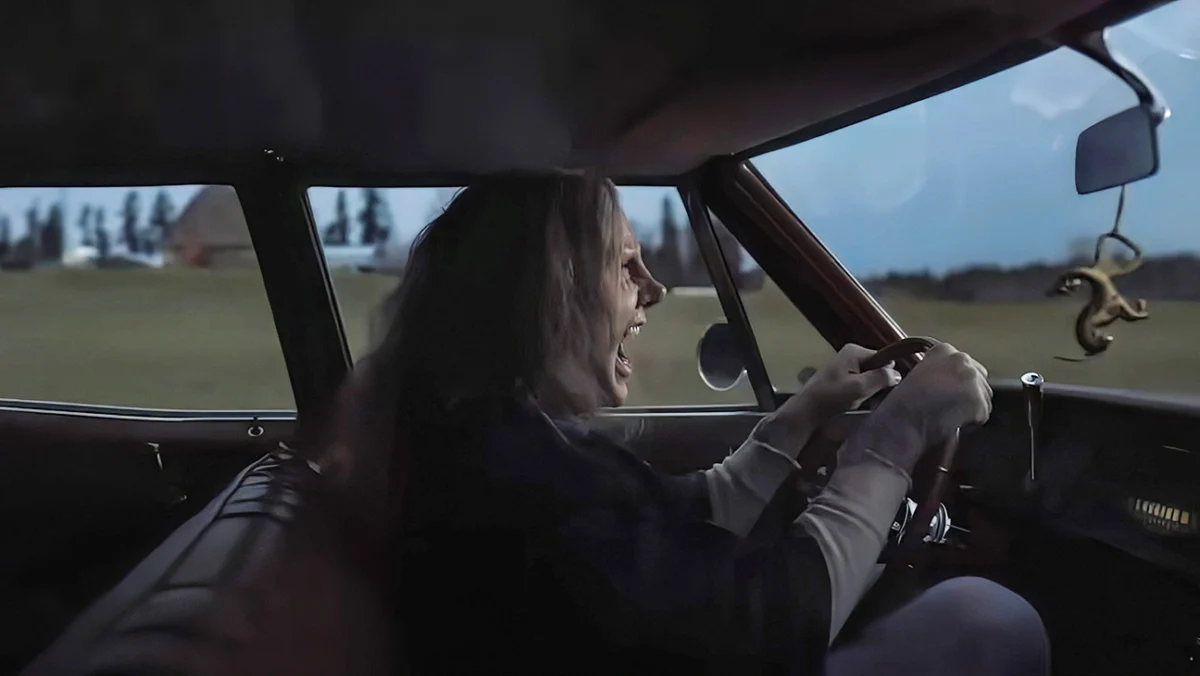
The initial Longlegs film, released in July 2024 by Neon, proved to be an unexpected sensation, establishing Osgood Perkins as a distinctive voice in contemporary horror cinema. With a global box office haul of $128 million against a modest production budget of less than $10 million, the film demonstrated the immense profitability and audience appetite for sophisticated, unsettling horror narratives. Its success was not merely financial; Longlegs also garnered widespread critical acclaim, lauded for its atmospheric tension, psychological depth, and innovative marketing campaign, which became a blueprint for building anticipation in the horror genre. The original story followed Maika Monroe as an FBI agent delving into a series of interconnected murder-suicides, ultimately leading her to the elusive and terrifying serial killer known as Longlegs, portrayed with chilling intensity by Nicolas Cage.
Expanding the ‘Longlegs’ Universe: A Creative Vision
The decision to develop a new film that operates within the Longlegs universe, rather than a direct sequel, opens up a myriad of creative possibilities for Osgood Perkins. This approach allows for thematic exploration and world-building without being constrained by the direct narrative continuation of the first film. Industry analysts suggest that this strategy could involve focusing on different characters impacted by the Longlegs killer, delving into the cult’s origins or broader influence, or exploring the ripple effects of the initial investigation. This "universe" model has proven successful for other horror properties, allowing for diverse storytelling while maintaining a cohesive brand identity and thematic thread. Perkins, known for his deliberate pacing, psychological horror, and unsettling aesthetics, is uniquely positioned to expand this cryptic world in ways that deepen its mythology rather than simply repeating its formula. The return of Nicolas Cage, whose portrayal of the enigmatic killer was central to the original’s disturbing impact, ensures a direct connection to the established lore and a formidable presence that audiences found captivating. His involvement, even if in a supporting or more abstract capacity, anchors the new project firmly within the terrifying realm Perkins has crafted.
The Phenomenal Success of the Original ‘Longlegs’
The original Longlegs became a cultural phenomenon shortly after its release in July 2024. Its journey from an independent horror feature to a major box office success story is a testament to the power of unique storytelling, effective marketing, and a receptive audience. The film’s critical reception was overwhelmingly positive, with many reviewers praising Perkins’ masterful direction, the film’s oppressive atmosphere, and the standout performances from both Maika Monroe and Nicolas Cage. Critics highlighted the film’s ability to create genuine dread through subtle psychological terror rather than overt jump scares, drawing comparisons to elevated horror contemporaries. This critical endorsement translated into strong word-of-mouth, a crucial factor for indie horror releases.
Neon’s Marketing Masterclass
A significant driver of Longlegs‘s initial success was Neon’s innovative marketing strategy. The independent distributor orchestrated a campaign that meticulously built suspense without revealing too much, focusing on cryptic teasers, unsettling imagery, and a slow drip of information. This approach created an aura of mystery and intrigue, turning the marketing itself into a puzzle for audiences to solve. Early trailers and promotional materials were sparse, featuring distorted visuals and minimal dialogue, compelling viewers to piece together clues about the film’s premise and tone. This scarcity of information, combined with carefully timed reveals, generated immense online discussion and anticipation. The strategy capitalized on social media’s ability to amplify niche content, turning a relatively unknown horror film into a must-see event. This has been cited by marketing experts as a prime example of how to effectively launch an original horror property in a crowded cinematic landscape, leveraging curiosity and community engagement to generate organic hype.
From Indie Darling to Studio Tentpole: Paramount’s Strategic Acquisition
The most surprising revelation surrounding the new Longlegs project was its transition from independent distributor Neon to major studio Paramount Pictures. This move, first reported by The Hollywood Reporter last month, indicates a significant shift in the project’s scale and financial backing. Sources familiar with the deal indicated that Neon, while instrumental in the original film’s success, opted to step aside as the budget requirements for the new Longlegs project surpassed its typical investment parameters. Paramount, recognizing the immense potential of the burgeoning franchise and its alignment with the studio’s strategic priorities, swiftly stepped in to acquire the project.
This transition underscores a broader trend in the film industry where successful independent horror properties, particularly those with strong creative voices and franchise potential, often attract the attention and resources of major studios. For Neon, a distributor known for championing auteur-driven and arthouse cinema, the decision to pass on a higher-budgeted horror project is consistent with its operational model, allowing it to focus on its core slate.
Paramount’s Growing Horror Empire
Paramount’s acquisition of the new Longlegs film is a clear manifestation of the studio’s aggressive and successful strategy to prioritize the horror genre. In recent years, horror has consistently proven to be one of the most reliable and profitable segments of the film industry, offering high returns on relatively modest investments. Studios like Paramount have capitalized on this trend, cultivating robust horror portfolios. Paramount, in particular, has found significant success with franchises such as Scream and A Quiet Place, demonstrating its acumen in both reviving classic horror properties and developing new, original hits.
The studio’s investment in Longlegs signals its confidence in Osgood Perkins’ vision and the brand’s ability to resonate with a wide audience. For Paramount, a proven horror franchise like Longlegs represents a valuable asset, capable of delivering consistent theatrical revenue and feeding its streaming platforms. This strategic move aligns with a broader industry understanding that original, high-quality horror can break through the noise and achieve blockbuster status, often with lower risk profiles than other tentpole genres.
Osgood Perkins and Nicolas Cage: A Formidable Duo
The return of both Osgood Perkins and Nicolas Cage is arguably the most exciting aspect of the new Longlegs project. Their collaboration on the first film was widely lauded, creating a distinct artistic synergy that resonated deeply with audiences.
Perkins’ Evolving Oeuvre
Osgood Perkins has steadily built a reputation as a master of atmospheric and psychological horror. His previous directorial works, including The Blackcoat’s Daughter (2015) and I Am the Pretty Thing That Lives in the House (2016), showcased a unique style characterized by slow-burn tension, unsettling imagery, and a profound understanding of dread. These films, while not achieving the same commercial success as Longlegs, established his distinct artistic voice and garnered a devoted following among horror aficionados. Longlegs marked a significant commercial breakthrough, solidifying his status as a commercially viable horror filmmaker who doesn’t compromise on artistic integrity. His first-look deal with Neon, where he has directed The Monkey, Keeper, and the upcoming The Young People (expected in theaters this year and starring Nicole Kidman, Lola Tung, and Nico Parker), further attests to his prolificacy and the industry’s recognition of his talent. Perkins’ return ensures that the new Longlegs film will maintain the sophisticated, dread-inducing tone that made the original so compelling.
Cage’s Resurgence in Genre Cinema
Nicolas Cage’s career has undergone a remarkable resurgence in recent years, particularly within the realm of genre cinema. Known for his eclectic filmography and often maximalist performances, Cage has found a renewed artistic vigor in projects that allow him to explore complex, often unhinged characters. His recent roles in films like Mandy (2018), Pig (2021), and Renfield (2023) have showcased his versatility and undeniable star power, earning him critical praise and a dedicated fanbase often referred to as "Nic-Heads." His performance as Longlegs was a masterclass in understated terror, relying on subtle menace and a deeply unsettling presence that amplified the film’s horror. Cage’s involvement not only brings significant star power to the project but also reassures fans that the new film will retain the unique artistic sensibility that defined the original. His ability to embody unconventional characters makes him an ideal fit for the mysterious and disturbing universe Perkins has created.
Production Team and Future Outlook
The new Longlegs movie will be produced by a seasoned team, including Brian Kavanaugh Jones, Osgood Perkins, Chris Ferguson, Dave Caplan, and Nicolas Cage himself. This ensemble of producers brings a wealth of experience in genre filmmaking and a deep understanding of the creative vision behind the Longlegs universe. Their collective involvement signals a commitment to maintaining the artistic integrity and quality that distinguished the first film.
The announcement of a 2028 release date provides ample time for development and production, allowing Perkins to meticulously craft the next chapter in this terrifying saga. The move to Paramount, with its extensive distribution network and marketing capabilities, positions the Longlegs universe for broader reach and potentially even greater commercial success. Industry observers will be closely watching how this expanded universe unfolds, particularly given the creative freedom implied by the "not a sequel" designation. This could pave the way for a multifaceted franchise, exploring different aspects of its chilling mythology through various narratives and character perspectives.
The Broader Landscape of Contemporary Horror Cinema
The continued investment in properties like Longlegs reflects a robust and evolving landscape for horror cinema. The genre has transcended its niche status, with "elevated horror" films like Hereditary, Get Out, and The Babadook demonstrating critical and commercial viability. These films, much like Longlegs, prioritize psychological depth, thematic resonance, and artistic craftsmanship, appealing to both genre enthusiasts and broader audiences. Studios are increasingly recognizing horror not just as a profitable genre, but as a fertile ground for innovative storytelling and auteur-driven filmmaking. The success of Longlegs further solidifies this trend, indicating that audiences are hungry for original, intelligent, and truly terrifying cinematic experiences. Paramount’s commitment to the Longlegs universe is a testament to the enduring power and profitability of well-executed horror in modern Hollywood. As the release date approaches, anticipation will undoubtedly build for what promises to be another chilling entry into one of contemporary cinema’s most compelling new horror universes.