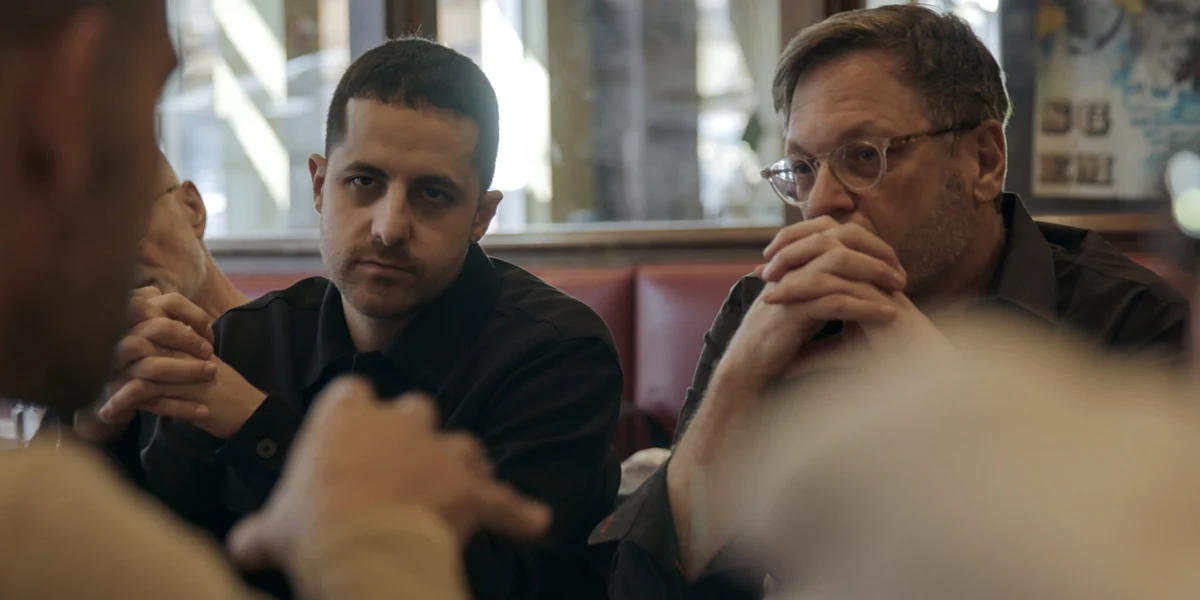
The 2026 documentary film American Doctor, directed by acclaimed filmmaker Poh Si Teng, has emerged as one of the most powerful and discussed non-fiction cinematic works of the year following its premiere in the U.S. Documentary Competition at the 2026 Sundance Film Festival. The feature-length documentary chronicles the harrowing journeys of three American physicians from diverse cultural and professional backgrounds who made the courageous decision to travel to the Gaza Strip to provide critical medical aid amid ongoing conflict and humanitarian devastation. Distributed theatrically by Watermelon Pictures, the film has drawn significant critical praise for its unvarnished look at the realities of modern warfare, the collapse of medical infrastructure, and the immense personal and psychological toll borne by healthcare workers operating in active combat zones. In connection with the film’s theatrical release, director Poh Si Teng sat down for an exclusive interview on the Next Best Picture Podcast to discuss the grueling production process, the ethical responsibilities of documentary filmmakers covering humanitarian crises, and the urgent necessity of bringing these frontline realities to global audiences.
The Genesis and Production of American Doctor
The development of American Doctor began in the early stages of the escalating humanitarian crisis in Gaza, as international organizations and independent observers warned of an impending collapse of the region’s healthcare system. Poh Si Teng, known for her deeply empathetic and socially conscious documentary work, recognized the imperative need to document the crisis not merely through abstract geopolitical statistics, but through the human lens of those attempting to heal the wounded against impossible odds.
The production faced unprecedented logistical, safety, and emotional hurdles. Gaining access to the Gaza Strip during active military operations required navigating complex bureaucratic channels, securing reliable lines of communication, and managing extreme security risks for both the subjects and the embedded crew members. Despite these formidable obstacles, Si Teng and her team successfully shadowed three distinct American medical professionals who volunteered their time, expertise, and safety to work in overcrowded, under-resourced hospitals and field clinics across Gaza.
The documentary highlights the stark contrast between the advanced medical environments the doctors left behind in the United States and the apocalyptic conditions they encountered upon arrival. Operating under frequent power outages, severe shortages of anesthetics, surgical tools, and clean water, and the constant threat of nearby bombardment, the physicians were forced to make agonizing triage decisions daily. The film captures not only the physical trauma treated in the emergency wards—ranging from severe blast injuries and burns to widespread malnutrition and preventable pediatric illnesses—but also the invisible psychological wounds inflicted upon both patients and medical staff.
Chronology of the Film’s Release and Critical Reception
The trajectory of American Doctor from a high-stakes production to a celebrated festival entry underscores the growing appetite for rigorous, on-the-ground investigative journalism and documentary filmmaking in the contemporary cinematic landscape.
- Early Development and Production (2024–2025): As the humanitarian crisis in Gaza intensified, director Poh Si Teng mobilized production efforts, coordinating with humanitarian networks to track and document the deployments of American medical volunteers. Filming took place across multiple dangerous rotations as physicians entered and exited the enclave.
- Sundance Film Festival Premiere (January 2026): American Doctor was officially selected for the prestigious U.S. Documentary Competition at the 2026 Sundance Film Festival. The world premiere screening drew widespread critical acclaim, with reviewers highlighting its emotional resonance, journalistic integrity, and refusal to shy away from uncomfortable truths.
- Distribution Partnership (Spring 2026): Following its successful festival run, Watermelon Pictures acquired the distribution rights for the film, ensuring that the documentary would secure a meaningful theatrical release to maximize public awareness and engagement.
- Theatrical Launch and Media Rollout (Current): The film officially opened in theaters nationwide, accompanied by an extensive press and podcast tour, including Poh Si Teng’s detailed discussion on the Next Best Picture Podcast regarding the ethical complexities of documenting mass casualty events.
Contextualizing Gaza’s Healthcare Collapse
To fully appreciate the narrative weight of American Doctor, it is essential to examine the broader historical and systemic context of the healthcare crisis in the Gaza Strip. Decades of blockade, restricted movement of goods and medical equipment, and recurring military escalations had already placed the enclave’s medical infrastructure in a fragile state prior to the events captured in the film.
According to data compiled by international bodies, including the World Health Organization (WHO) and various human rights organizations, the subsequent conflict resulted in the systematic targeting and destruction of hospitals, clinics, and ambulance fleets. The WHO reported that a vast majority of Gaza’s hospitals became non-functional or only partially operational, severely limiting access to emergency care, maternal health services, and treatment for chronic conditions such as cancer and renal failure.

Furthermore, healthcare workers have borne an unprecedented level of casualties. Hundreds of doctors, nurses, paramedics, and support staff have been killed, injured, or detained while performing their professional duties. The arrival of international medical volunteers, including the American physicians featured in Si Teng’s film, represents a vital, albeit insufficient, lifeline for a population facing catastrophic levels of trauma and disease. These volunteers often serve as crucial witnesses, providing independent verification of conditions on the ground when foreign journalists are restricted from entering the territory independently.
Insights from Director Poh Si Teng
During her comprehensive interview on the Next Best Picture Podcast, Poh Si Teng elaborated on the profound transformation she underwent while making American Doctor. She emphasized that the film is not designed to serve as a dry political treatise, but rather as an intimate human document that honors the resilience of everyday people caught in geopolitical crossfires.
"When you watch doctors who are accustomed to modern, high-tech facilities suddenly operating by the light of a mobile phone because the generator has failed, you realize the absolute fragility of the systems we take for granted," Teng explained during the discussion. She noted that the American physicians in the film did not travel to Gaza for political grandstanding; rather, they were driven by a fundamental Hippocratic oath and an ethical obligation to alleviate suffering wherever it exists.
The director also addressed the immense burden of editing hundreds of hours of harrowing footage. Balancing the need to convey the true magnitude of the crisis with the necessity of preserving the dignity of the patients and the psychological well-being of the crew required exceptional editorial discipline. The resulting film avoids sensationalism in favor of a quiet, observant, and devastatingly effective visual style that lingers with the viewer long after the credits roll.
Implications and Broader Cultural Impact
The release of American Doctor arrives at a critical juncture in global discourse regarding media representation, accountability, and humanitarian intervention. Documentaries of this caliber play a vital role in shaping historical memory and influencing public policy by grounding abstract political debates in tangible human experiences.
Industry analysts note that independent distributors like Watermelon Pictures are increasingly championing politically courageous and socially urgent projects that major studios frequently bypass due to commercial sensitivities. By bringing American Doctor to the theatrical marketplace, the distributors are providing audiences with an opportunity to engage directly with material that challenges prevailing media narratives and demands moral accountability.
Moreover, the film serves as a testament to the enduring importance of independent journalism and documentary filmmaking in zones of conflict. In an era marked by misinformation, narrative polarization, and restricted press freedoms, firsthand visual documentation remains one of the few tools capable of piercing through political rhetoric to reveal the unvarnished human cost of war.
As American Doctor continues its theatrical run, its impact extends beyond the box office or festival accolades. It sparks crucial conversations among medical professionals, policymakers, and ordinary citizens regarding the protection of healthcare workers in conflict zones, the enforcement of international humanitarian law, and the shared global responsibility to bear witness to human suffering. Through her compassionate and unflinching lens, Poh Si Teng has delivered a cinematic document that will undoubtedly be studied, discussed, and remembered as a defining artifact of this historical era.