The upcoming Resident Evil film, helmed by director Zach Cregger, is already igniting a passionate debate within the gaming community, even before the release of a comprehensive trailer. While anticipation for new installments in beloved franchises is standard, the discourse surrounding Cregger’s vision for Resident Evil has been particularly charged. Reports and comments from the director have indicated a departure from direct game adaptations, suggesting a focus on capturing the experience of playing the games rather than a beat-for-beat retelling of established narratives. This approach has, predictably, drawn both fervent support and sharp criticism from a fanbase deeply invested in the intricate lore and iconic characters of the Resident Evil universe.
The genesis of this controversy lies in Cregger’s stated intentions, which deviate from the expectations of many long-time fans. In interviews, Cregger has articulated a desire to translate the visceral feelings of playing the Resident Evil games—the tension, the dread, the survival-horror atmosphere—into a cinematic experience. This ambition, while aiming for a faithful emotional resonance, has led to concerns that the film may sideline elements that fans consider integral to the franchise’s identity. The decision not to center the narrative on established characters like Leon S. Kennedy, for instance, has been a significant point of contention. Cregger’s reasoning, as articulated to various outlets, is that "Leon’s story is told in the games," implying that his adaptation seeks to forge a new path rather than retrace existing ones.
This strategic pivot has generated a palpable divide. On one side are fans who champion the faithfulness of adaptations, desiring to see beloved characters and plot points meticulously translated to the screen. The decades of dedicated gameplay and lore consumption have cultivated a specific vision for what a definitive Resident Evil film should be. The prospect of a filmmaker intentionally veering away from these established touchstones naturally elicits disappointment, and for some, outright anger. Social media platforms have become battlegrounds where this frustration is openly expressed, with early comments from Cregger suggesting the film might have "little to do" with the franchise contributing to this perception of disconnect.
However, a counter-argument, championed by Cregger himself and increasingly gaining traction, posits that a filmmaker’s genuine love for a franchise can manifest in interpretations that extend beyond direct adaptation. The core of this perspective is the belief that a filmmaker who deeply understands and appreciates Resident Evil‘s essence—its atmosphere, its thematic underpinnings of survival and corporate malfeasance, its unique brand of horror—can create a compelling story within that universe without adhering strictly to game mechanics or character arcs. This viewpoint advocates for judging the film on its own artistic merits, assessing its success as a horror film and its ability to evoke the spirit of its source material, rather than as a direct carbon copy.
A Deeper Dive into Cregger’s Vision and Methodology
Zach Cregger, known for his work on Barbarian and Weapons, has a well-established track record of crafting genre films that defy conventional narrative structures. His directorial style is characterized by unpredictability, often employing shifts in perspective, tone, and thematic direction that challenge traditional Hollywood storytelling paradigms. This penchant for the unconventional is precisely what Cregger intends to bring to Resident Evil. In a recent interview with Screen Rant, he elaborated on this ambition, stating, "I think it’s a chance for me to do another weird movie; it’s structurally unique."
Cregger’s commitment to this "weird" and structurally unique approach is not a superficial stylistic choice but a deliberate attempt to imbue the Resident Evil film with the same sense of unease and surprise that defines the gaming experience. He emphasized this during the interview: "I’ve never seen a movie like what we’re gonna do with Resident Evil. It will be weird." This statement, while potentially alienating to those seeking a familiar narrative, is precisely what excites proponents of his vision. It signals a willingness to experiment and push the boundaries of what a Resident Evil film can be, moving beyond established formulas.
Furthermore, Cregger clarified that his inspiration stems directly from his personal engagement with the games. "I’ve never seen the movies, so maybe I’m wrong, and the other movies do this, but I don’t think so," he remarked, highlighting a potential disconnect between previous film adaptations and his own intent. His primary objective, as he reiterated, is "obsessed with the game and wanted to give the experience I have with playing these games to the big screen. That’s the goal, and I think we’re gonna do that." This singular focus on the player’s experience—the feeling of vulnerability, the strategic resource management, the escalating dread—suggests an adaptation that prioritizes atmospheric immersion over plot replication.
The Context of Resident Evil Adaptations
The Resident Evil franchise, originating from Capcom in 1996, has a rich and complex history in both video games and previous film adaptations. The original games are renowned for their survival-horror elements, intricate puzzle-solving, and compelling narratives often involving bio-weaponry, corporate conspiracies, and global pandemics. The series has evolved significantly over the years, branching into various sub-genres while maintaining a core identity.
The film franchise, particularly the series starring Milla Jovovich, achieved considerable commercial success but often diverged significantly from the game’s narrative and tone, focusing more on action and elaborate set pieces. While these films garnered a significant following, they were frequently criticized by dedicated gamers for their lack of fidelity to the source material. This history of adaptation, therefore, sets a precedent for both fan expectations and the challenges inherent in translating the Resident Evil universe to the screen. Cregger’s stated intention to create something "weird" and structurally unique can be seen as a conscious effort to break away from the perceived shortcomings of previous cinematic interpretations and offer something that authentically captures the spirit of the games, even if not their literal plot points.
Supporting Data and Industry Trends
The debate around adaptation fidelity is not unique to Resident Evil. Across various media, including literature, comic books, and video games, the tension between honoring source material and creating original cinematic works is a recurring theme. Successful adaptations often strike a delicate balance, capturing the thematic essence and iconic elements while allowing creative freedom to translate them effectively for a new medium. For instance, Denis Villeneuve’s Dune films have been lauded for their respectful yet imaginative interpretations of Frank Herbert’s dense novel, while other adaptations have faced backlash for significant deviations.
The success of films like Barbarian, which Cregger directed, suggests an audience appetite for unpredictable and thematically rich horror narratives. Barbarian, released in 2022, garnered critical acclaim and strong word-of-mouth for its unexpected twists and genre-bending storytelling. This suggests that Cregger’s signature style, which he aims to bring to Resident Evil, is not only distinct but also capable of resonating with audiences. The film’s success can be partially attributed to its ability to subvert expectations and deliver a truly unique cinematic experience, a quality Cregger now aims to replicate with the Resident Evil franchise.
The Film’s Premise and Release
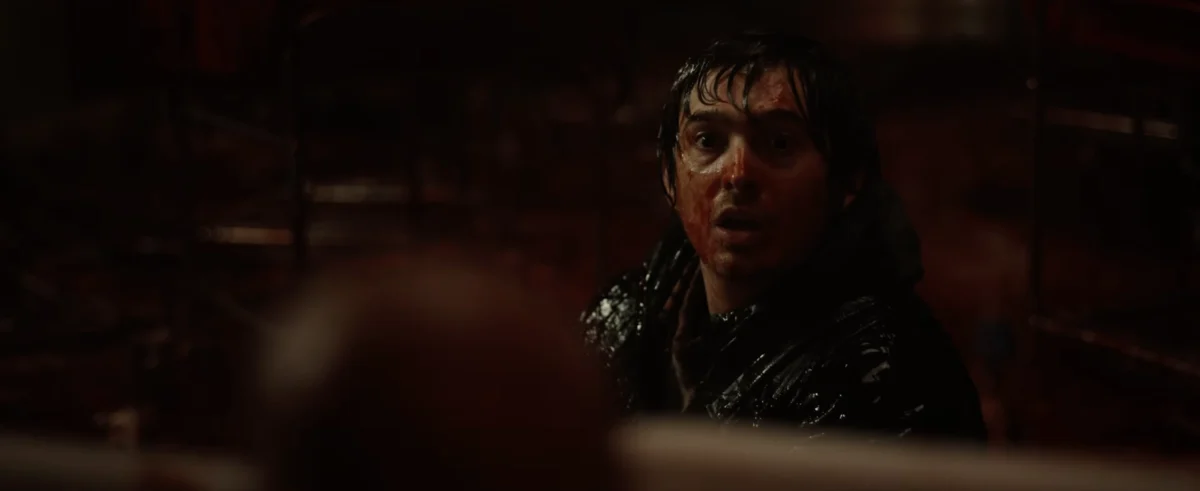
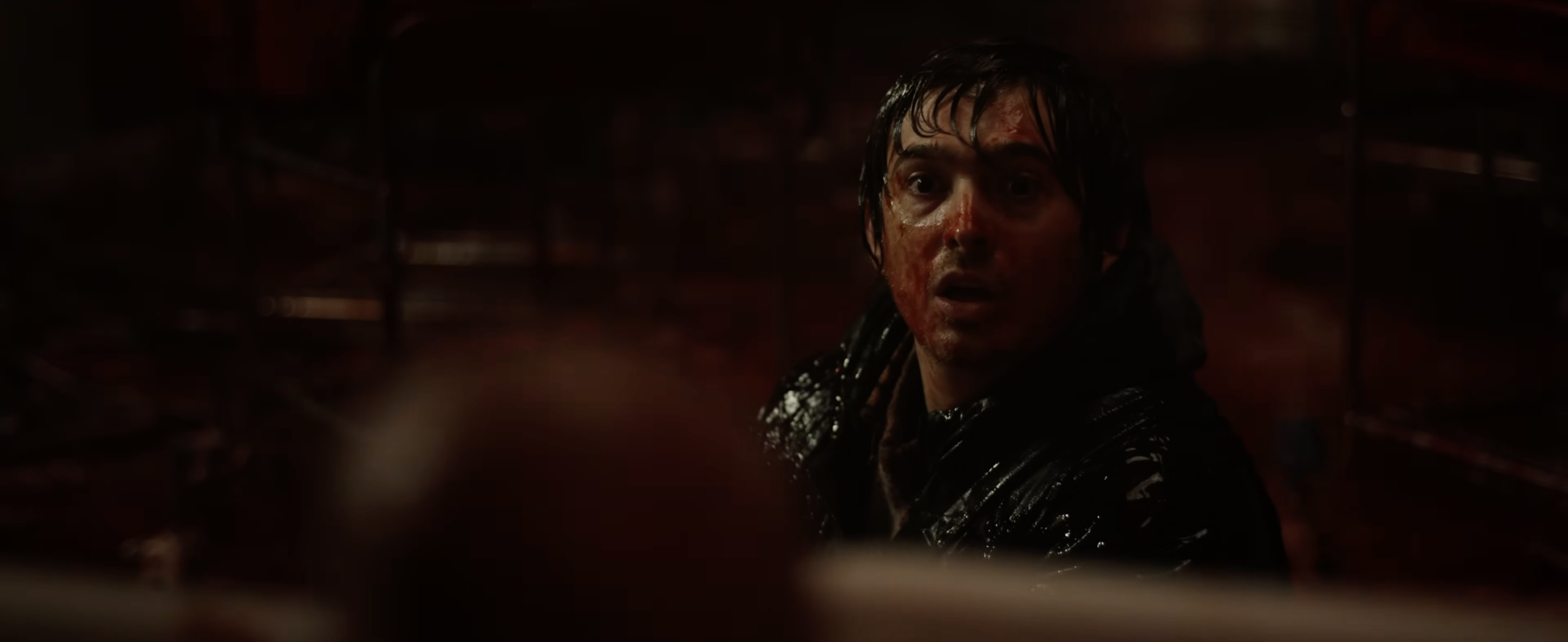
The upcoming Resident Evil film is set to star Austin Abrams as Bryan, a medical courier who finds himself embroiled in a harrowing night of chaos and a desperate fight for survival. This premise, while brief, hints at a more grounded and character-focused narrative, potentially leaning into the personal horror and isolation that are hallmarks of the early Resident Evil games. The film is slated for a theatrical release on September 18th, a date that will ultimately determine whether Cregger’s unconventional approach will be met with critical and commercial success.
Broader Impact and Implications
The success or failure of Zach Cregger’s Resident Evil adaptation will have significant implications for future video game film adaptations. If Cregger’s vision proves successful in capturing the experience of playing Resident Evil while offering a fresh narrative, it could pave the way for more experimental and auteur-driven adaptations across the industry. This could encourage other filmmakers to move beyond direct retellings and explore more thematic and experiential interpretations of beloved game franchises.
Conversely, if the film alienates a substantial portion of the fanbase or fails to resonate with a broader audience, it might reinforce a more cautious, formulaic approach to game adaptations. The ongoing discourse highlights the complex relationship between creators, intellectual property owners, and passionate fanbases. The Resident Evil film represents a critical juncture, testing the viability of a director’s unique vision against the deeply held expectations of a global community of fans. The coming months, leading up to the September release, will undoubtedly see continued discussion and speculation as more details emerge about this highly anticipated and potentially genre-redefining Resident Evil installment.