Production and Narrative Scope
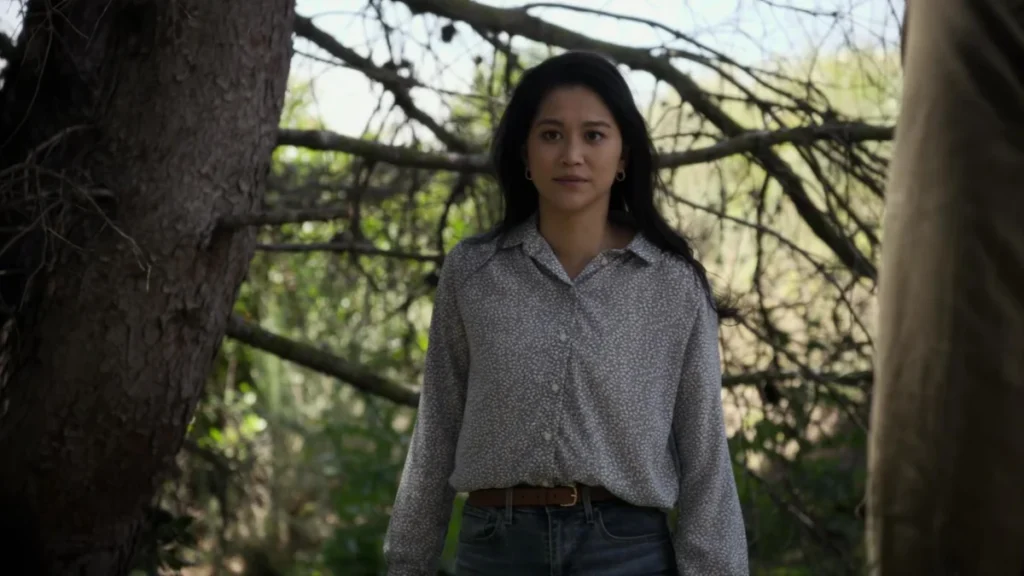
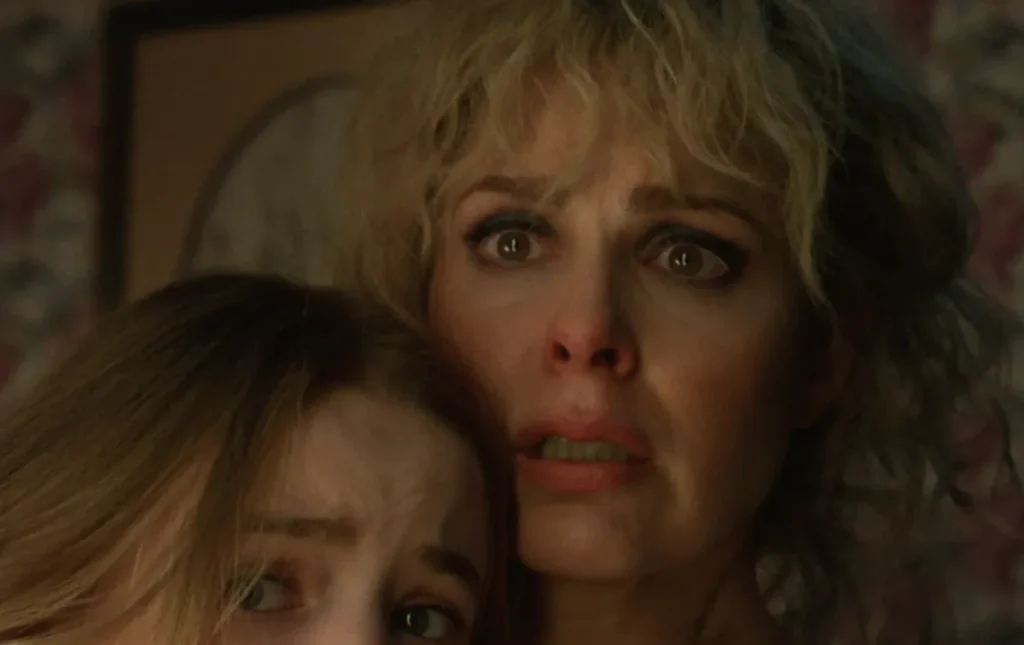
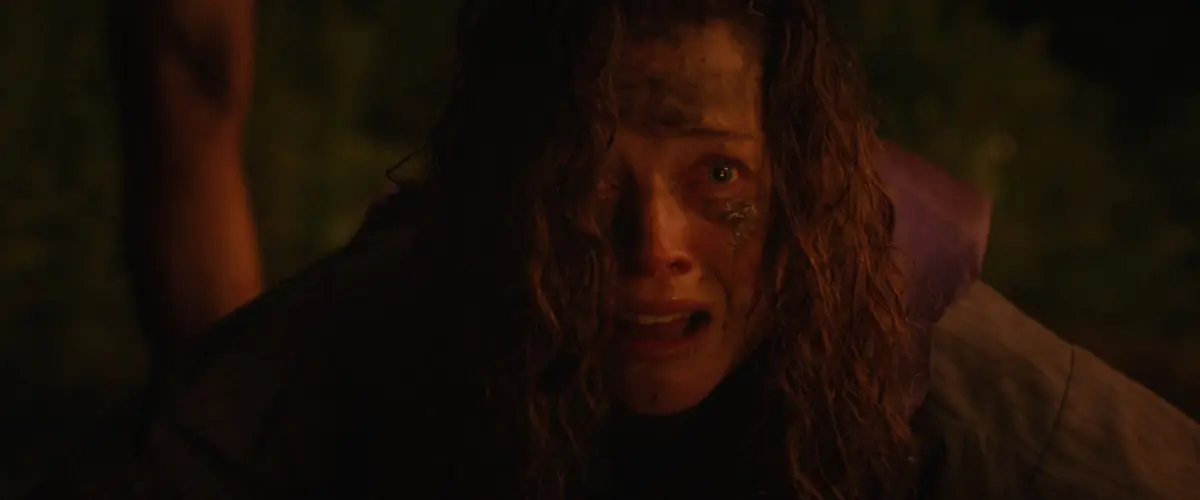
The narrative of River centers on the fraught reunion of three estranged siblings who congregate to honor their late father’s final wishes: scattering his ashes along a secluded, winding river. The emotional tension of the family dynamic is quickly superseded by a survivalist nightmare when their vessel suffers a mechanical failure, leaving them stranded in a remote wilderness. The group finds themselves hunted by a mysterious, faceless assailant.
The casting of Jane Levy and Jessica Rothe brings substantial genre pedigree to the production. Levy, widely recognized for her transformative performance in the 2013 Evil Dead remake, and Rothe, known for her leading role in the Happy Death Day franchise, are widely considered staples of contemporary horror. The siblings are rounded out by Max Mattern, who portrays the younger brother, while the physical presence of the antagonist—the faceless killer—is provided by Dane DiLiegro, an actor and former professional basketball player whose credits include the creature-feature Prey.
Chronology of the Project
The journey of River from a festival discovery to a major studio release has been swift. The film first gained significant industry traction during its debut at the Toronto International Film Festival in September 2026. Critics in attendance noted the film’s deviation from modern supernatural horror, emphasizing its reliance on isolation-based dread and visceral, tactile violence.
Following the positive critical reception, Universal Pictures—which maintains a long-standing first-look deal with Jason Blum’s Blumhouse Productions—moved quickly to acquire distribution rights. The deal, finalized in late 2026, cemented the film’s place in the 2027 calendar. The announcement of the R-rating in late 2026 served as the final confirmation that the studio intends to maintain the integrity of Giuliano’s vision, refusing to sanitize the film’s more extreme sequences for a wider PG-13 demographic.
Critical Reception and Aesthetic Analysis
The critical discourse surrounding River has focused heavily on its stylistic influences. Reviews from the festival circuit have drawn frequent comparisons to the seminal The Texas Chain Saw Massacre, noting that both films utilize the geography of the landscape to exacerbate the vulnerability of the protagonists. Additional comparisons have been drawn to the "New French Extremity" movement, a wave of cinema characterized by transgressive, hyper-violent imagery designed to push the boundaries of what is acceptable in mainstream narrative film.

Matt Konopka, in a review for Dread Central, awarded the film 3.5 out of 5 stars. His analysis highlighted the effectiveness of the film’s pacing and the strength of the core performances. However, he noted that the film occasionally struggles with abrupt tonal shifts, oscillating between character-driven family drama and high-octane slasher mechanics. Despite these structural critiques, the consensus remains that Giuliano has crafted a "visceral and satisfying" experience that relies on atmosphere and the physical stamina of its leads. The film is described by industry observers as a "crowd-pleaser" for horror enthusiasts who favor practical stunts over digital effects.
The Evolution of the Slasher Genre
The release of River arrives at a pivotal time for the slasher sub-genre. Over the past decade, horror cinema has seen a resurgence of "elevated" horror, often characterized by metaphorical storytelling and psychological nuance. While these films remain popular, the industry has observed a parallel demand for "back-to-basics" horror.
By placing two established scream queens in an environment defined by geographic entrapment, River adheres to the classic "closed circle" mystery structure while updating it with the modern intensity of the Blumhouse aesthetic. This approach aligns with broader industry trends where studios invest in mid-budget horror films that offer high-concept premises capable of generating significant returns on investment. The inclusion of an R-rating is a strategic choice, as data suggests that horror audiences show a preference for films that do not compromise on the intensity of their violence, viewing the MPA classification as a marker of authenticity.
Broader Impact and Market Positioning
The decision to release the film in mid-January is a calculated strategic move by Universal. Historically, the month of January has served as a fertile ground for horror releases. With the end of the holiday blockbuster season, audiences are often looking for genre entertainment, and the lack of major tentpole competition allows films like River to dominate the market share among the 18–34 demographic.
The involvement of Atomic Monster, led by James Wan, further elevates the project’s profile. Since the merger of Blumhouse and Atomic Monster, the company has become a powerhouse in the genre space, consistently delivering films that combine creative risks with commercial viability. The collaboration on River suggests a continued effort to nurture original intellectual property rather than relying solely on sequels or legacy franchises.
Production Team and Creative Vision
Joshua Giuliano’s role as both writer and director underscores the auteur-driven nature of the project. By maintaining creative control over both the script and the visual execution, Giuliano has ensured a level of thematic consistency that is often absent in larger, committee-led productions. The focus on the estranged sibling dynamic provides a psychological anchor for the horror elements; the film posits that the internal rot of a broken family is as dangerous as the external threat of the killer.

Furthermore, the physical performance of Dane DiLiegro is central to the film’s success. DiLiegro’s background in stunt work and physical acting allows for a portrayal of the killer that is less about dialogue and more about presence, intimidation, and kinetic energy. This focus on the "faceless killer" trope is a deliberate throwback to the golden age of the slasher genre, where the anonymity of the villain contributed to the sense of existential dread.
Looking Ahead to 2027
As the January 15, 2027, release date approaches, anticipation among the horror community is high. The marketing campaign is expected to leverage the reputations of Levy and Rothe, framing the film as a must-see event for fans of the actresses’ previous work.
Industry analysts suggest that the success of River could have long-term implications for how studios approach original slasher films. If the film performs well at the box office, it may provide the impetus for further investment in independent, director-led horror projects that prioritize practical effects and tension-building over CGI. The R-rating, rather than acting as a deterrent, is expected to serve as a beacon for the core horror audience, signaling that the film remains committed to the grit and intensity that define the genre at its most effective.
In conclusion, River represents a convergence of established talent, studio backing, and a clear understanding of the contemporary horror market. By balancing the emotional weight of a family in crisis with the relentless pace of a traditional slasher, the film is positioned to be one of the early highlights of the 2027 cinematic calendar. Whether it will achieve the long-term cult status of the films that inspired it remains to be seen, but the elements for a successful, high-impact horror outing are firmly in place.