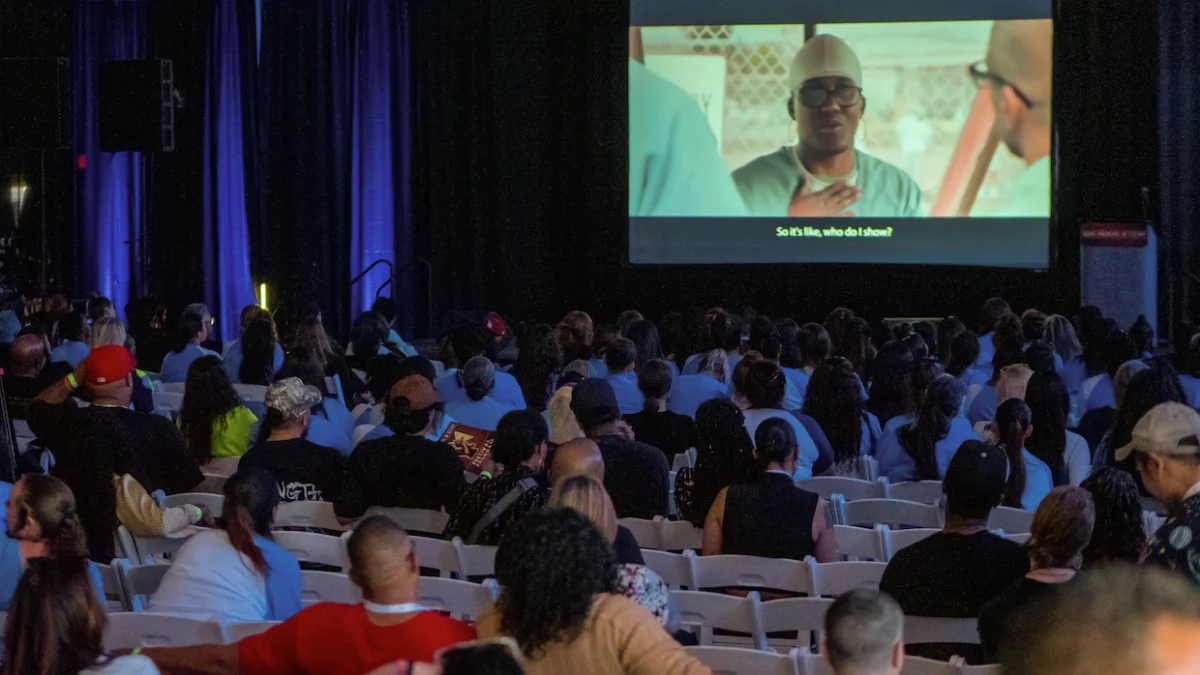
The Central California Women’s Facility (CCWF) in Chowchilla recently hosted a groundbreaking event, marking the San Quentin Film Festival’s (SQFF) inaugural foray outside the confines of San Quentin Rehabilitation Center and its first-ever program within a women’s correctional institution. This landmark gathering, held in 2026, brought together approximately 300 incarcerated women with a distinguished roster of film industry professionals, fostering an environment of connection, artistic appreciation, and profound discussion about rehabilitation and reentry. The event served as a powerful testament to the transformative potential of film and creative expression within the correctional system, challenging prevailing narratives about incarceration and offering tangible pathways to hope for those navigating the complexities of the justice system.
A Pioneering Initiative: SQFF Expands Its Reach
The San Quentin Film Festival, established with the core mission of showcasing the creative talents of incarcerated filmmakers and fostering dialogue between those inside and outside prison walls, took a significant step forward by extending its celebrated program to CCWF. This expansion reflects a growing recognition of the unique challenges and opportunities within women’s correctional facilities. The festival’s leadership, including co-founder Cori Thomas—whose extensive experience at Tribeca Film Festival has been instrumental in building a robust industry network—and executive director Jesse Vasquez of the Pollen Initiative, a formerly incarcerated journalist, meticulously coordinated the event. Their efforts, supported by CCWF Warden Anissa De La Cruz and Public Information Officer Lt. Monique Williams, underscored a collaborative vision for promoting rehabilitation through the arts.
The curated program at CCWF was designed to engage and inspire. It featured a diverse selection of films, including the award-winning documentary short Oscar’s Return, directed by a filmmaker who had previously won the SQFF jury award for Best Documentary Short. The day’s agenda also included insightful panel discussions, notably a "women-in-film" panel featuring Mudbound director Dee Rees, moderated by CCWF Journalism Guild member Lakisa "Kiki" Crowder. Emmy-winner W. Kamau Bell was slated to moderate the post-screening Q&A for Oscar’s Return, adding another layer of industry prestige. The jury responsible for selecting the festival’s winning entries comprised acclaimed figures such as Minari producer Christina Oh, writer-director Christine Swanson, and Song Sung Blue cinematographer Amy Vincent, highlighting the high caliber of engagement from the professional film community. A crucial component of the festival was a screenplay and documentary pitch competition exclusively open to incarcerated writers, providing a direct platform for their voices and narratives.
The Human Element: Breaking Down Barriers
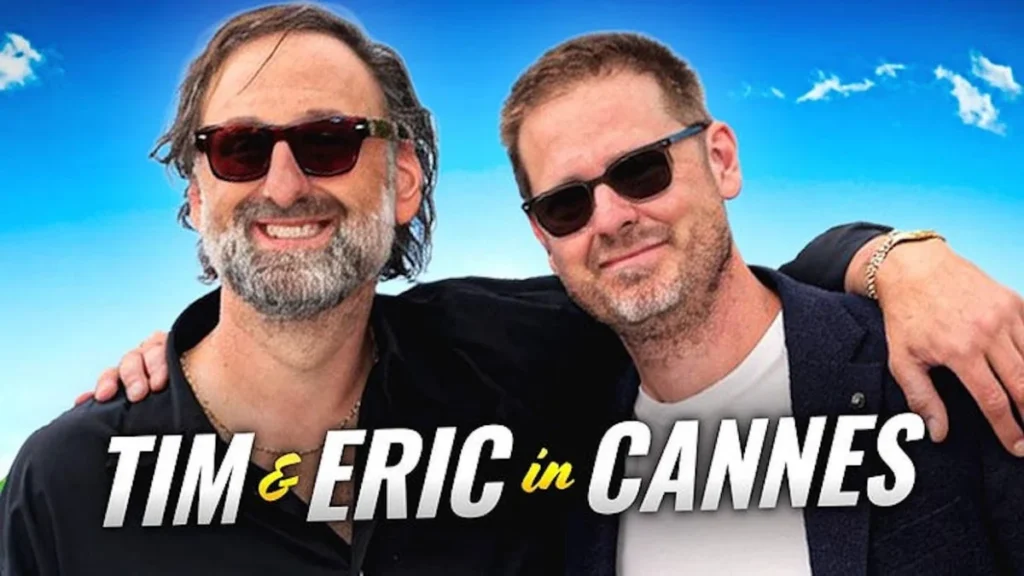
For many, including the visiting filmmaker, the experience transcended the professional agenda. Arriving at CCWF, the stark reality of the correctional environment—the twenty-foot barbed-wire fences, constant surveillance, and multiple security checkpoints—was palpable. Yet, the atmosphere inside the event space quickly shifted from apprehension to anticipation. The filmmaker, recalling the bold style of formerly incarcerated Sing Sing star Clarence Maclin, opted for a vividly patterned shirt, a symbolic embrace of authenticity and an homage to his own creative journey. This personal touch mirrored the festival’s broader aim: to foster genuine human connection beyond the labels of incarceration.
The initial interactions set the tone for the day. Incarcerated organizers, such as Kiley, greeted guests with warm smiles, though some women, unaccustomed to the "free-world" ease of movement and connection, exhibited a degree of uncertainty. This dynamic underscored the inherent divide that events like SQFF seek to bridge. Despite the austere surroundings—the harsh Central Valley sun and dry wind—the presence of a meticulously maintained rose garden and a playground adjacent to barbed wire offered a poignant metaphor: beauty and resilience thriving amidst an inhospitable landscape.
"Oscar’s Return": A Narrative of Hope and Reentry
The screening of Oscar’s Return was a focal point of the festival. The documentary chronicles the journey of Oscar, who served 25 years on a life sentence he began as a juvenile. The filmmaker met Oscar through API RISE, an organization supporting formerly incarcerated individuals in the reentry space, specifically through a meditation group led by Venerable De Hong. Oscar’s narrative, portraying his return to Los Angeles after decades of incarceration, resonated deeply with the CCWF audience. His struggle to reintegrate, likening himself to an immigrant in his own city, highlighted the immense challenges of post-release life. The film sensitively portrays Oscar’s patient process of training a dog, a metaphor for his own journey of learning to trust the world again after prolonged confinement. This compassionate witnessing, the filmmaker explained, was inspired by his own desire for such support during a difficult period when his sister was arrested. The film’s message — that it belongs to its subjects and ultimately to its audience — proved particularly powerful for the women at CCWF, many of whom faced similar prospects of reentry.
The reactions within the room were immediate and heartfelt. Women were moved to tears, expressed empathy for the dog in the film, and applauded with an unreserved enthusiasm that spoke volumes. During the Q&A, one woman shared her experience with CCWF’s own dog training program, expressing how Oscar’s story instilled hope for her own future employment upon parole. Her testimony underscored the tangible impact of the film, connecting its themes directly to the women’s lived experiences and aspirations for successful reentry.

The Stark Reality of the System
Despite the moments of profound connection and shared humanity, the underlying realities of incarceration remained ever-present. The vibrant energy generated by an earlier gospel choir and the pride of incarcerated jurors posing on the red carpet were momentarily overshadowed when a break for lunch was announced. The command for the incarcerated women to disperse created a sudden vacuum. The gymnasium, minutes before filled with 300 women in blue uniforms alongside 200 outside guests, felt "hollow" once the incarcerated population was summoned away, leaving behind a predominantly black-clad group of industry executives, nonprofit organizers, and government officials. This abrupt shift served as a stark reminder of the segregation and controlled environment.
A poignant exchange occurred when Christine Swanson, after the women-in-film panel, offered the filmmaker a moment of "tough love." Sensing his despondency about industry challenges and the rise of AI, she reminded him, "These women are in here. And we are not." While initially a jolt, her words provoked deeper reflection: were these interactions merely opportunities for outsiders to feel better about their own circumstances, or did they genuinely foster systemic change? The filmmaker’s personal connection—his sister’s struggles with the system—underscored that "slipping through the cracks" was not an abstraction but a lived reality, a failure of support systems long before incarceration.
Rituals of Care Amidst Ritualized Violence
The inherent resilience and capacity for human connection within the prison environment were vividly demonstrated through small, yet powerful, acts. From somewhere in the section where the women in blue sat, a sneeze elicited a cascade of "bless you’s," layered and overlapping, delivered with surprising vigor. This spontaneous reflex of care, unsuppressable by the institution’s headcounts, buzzers, and watchful COs, highlighted the women’s ability to forge their own rituals of community and compassion in the face of "ritualized violence."
As the festival neared its close, Krysten Webber, the winner of the Narrative Pitch Competition, spoke with Oscar. Her observations about friends who had been released but struggled to find community and purpose on the outside — echoing Oscar’s own experiences — painted a grim picture of "freedom" not living up to its promise. Krysten’s understated remark that her writing "wasn’t even that good," despite being chosen by industry professionals, revealed the profound psychological impact of incarceration on self-worth and future prospects. The implication was clear: perhaps the structured community and recognition within prison sometimes felt safer than the uncertainties of reentry. This directly challenged the official mission statement displayed on the visitation room wall: "Our mission is to ensure public safety and successful reentry." The swift departure of the women in blue, including Krysten, underscored the temporary nature of these connections and the enduring separation enforced by the system.
Broader Implications: Rehabilitation, Recidivism, and Systemic Change
The San Quentin Film Festival at CCWF is more than just an arts event; it is a critical intervention in the ongoing discourse about criminal justice reform and rehabilitation. Programs that provide vocational training, educational opportunities, and artistic outlets are demonstrably effective in reducing recidivism rates. According to the Bureau of Justice Statistics, within three years of release, about two-thirds of state prisoners are rearrested, and within five years, about three-quarters are rearrested. However, studies have shown that participation in arts programs can significantly lower these rates, foster personal growth, and equip individuals with valuable skills for reintegration. For instance, a 2017 RAND Corporation study found that inmates who participated in correctional education programs had a 43% lower likelihood of recidivating than those who did not. While specific data for film festivals is emerging, the principles align with broader correctional education benefits.
Women in incarceration often face unique challenges, including histories of trauma, mental health issues, and the complexities of motherhood and family separation. Creative outlets like film festivals provide a therapeutic space for expression, healing, and skill development that addresses these specific needs. By bringing industry professionals inside, SQFF not only exposes incarcerated individuals to new possibilities but also educates the outside world, challenging preconceived notions and advocating for more humane and effective approaches to justice.
The historical context of Chowchilla, originally home to the Yokuts people who called themselves "chaushila," meaning "brave," offers a poignant layer to the event. This history of resilience, embedded in the land now occupied by CCWF, mirrors the bravery displayed by the incarcerated women navigating their circumstances, creating community, and striving for a better future.
Ultimately, the San Quentin Film Festival’s event at CCWF serves as a powerful reminder that "the work is the work," as Cori Thomas succinctly put it. The artistic merit of creations made within prison walls deserves to be recognized and celebrated on par with any other. By fostering these connections and platforms, SQFF not only enriches the lives of incarcerated individuals but also pushes the broader society to reconsider its approach to justice, rehabilitation, and the profound human capacity for creativity and resilience, even in the most challenging environments.