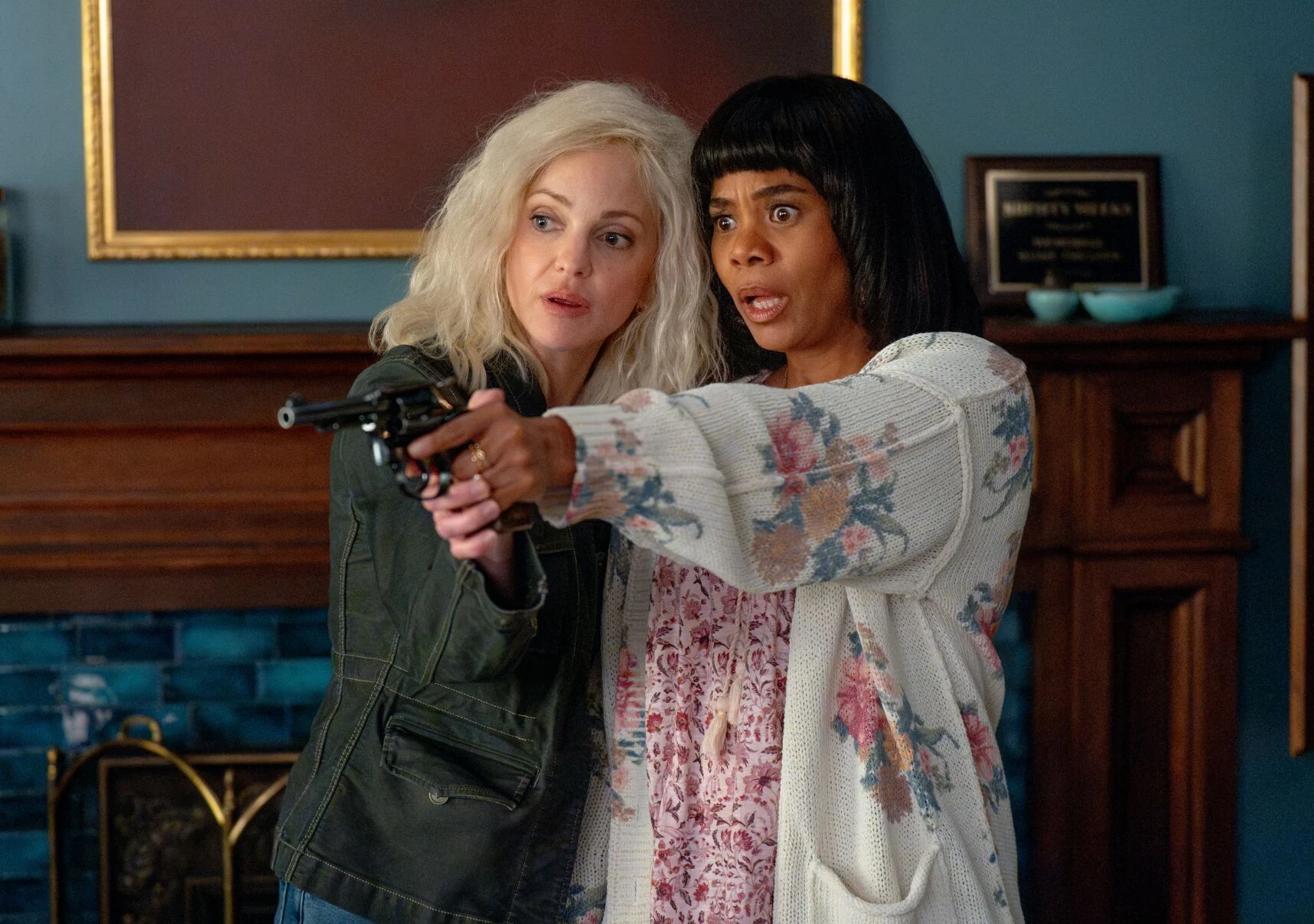
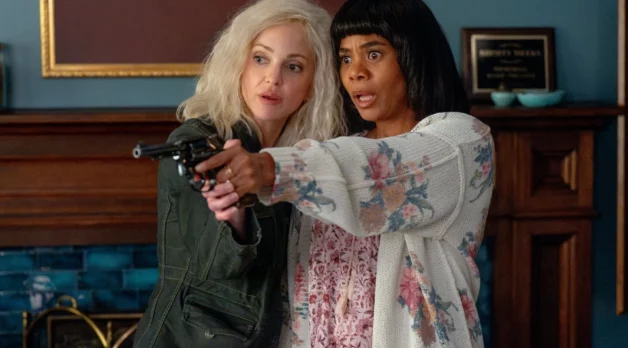
The latest installment in the Scary Movie franchise, released in 2026, pointedly omits a numeral from its title, a deliberate act of protest marking the Wayans family’s triumphant return and an incisive critique of the entertainment industry. This sixth film in the series serves as both a horror-comedy legacy sequel and a powerful statement, directly addressing the compensation dispute with the Weinsteins in 2001 that led the Wayans family to disown Scary Movie 3 through 5 (2003, 2006, 2013). With its characteristic offensive humor cherished by fans and reviled by critics, Scary Movie (2026) lampoons genre conventions while offering a nuanced commentary on industry practices and the enduring struggle for artistic autonomy and fair representation.
A Legacy Reclaimed: The Wayans’ Return to Form
The film’s humor largely stems from "object-permanence callbacks," referencing both prior Scary Movie entries and contemporary horror cinema, often amplified to absurd levels by the youngest Wayans brother, Marlon. However, beyond the typical gags, the reunion of nearly the entire original cast after 25 years infuses the film with unexpected moments of genuine warmth and joy. Actors express palpable delight at their on- and off-screen camaraderie, returning to the franchise that launched many of their careers. This capacity for authentic emotion represents a surprising evolution in the profane yet captivating formula the Wayans innovated and honed over four decades. The decision to remove the numerical designation from the title is not merely a stylistic choice but a potent symbolic gesture, signaling a reset and a reassertion of creative ownership after years of feeling alienated from their own creation. The film’s early box office success, grossing $172 million globally in its first two weeks, underscores the enduring appeal of the Wayans’ unique comedic voice and the public’s appetite for their brand of sharp, irreverent satire.
The Roots of Rebellion: Influences and Innovations in Spoof Comedy
The comedic sensibilities of the Wayans family, particularly Keenen Ivory Wayans and his long-time friend and collaborator Robert Townsend, were forged in a rich tradition of boundary-pushing humor. "We grew up on great comedy," Townsend recalled, citing classics like Blazing Saddles (1974) and Kentucky Fried Movie (1977) as foundational influences. Their comedic mentors included legends such as Sid Caesar, Mel Brooks, and Paul Mooney, who instilled in them a commitment to sharp wit and social commentary.
However, in terms of the specific "hyper-dense", joke-a-minute style that defines the modern spoof, the most significant influence came from the comedy team of David Zucker, Jim Abrahams, and Jerry Zucker (ZAZ). Their 1977 film Kentucky Fried Movie, directed by John Landis, drew inspiration from the antiauthoritarian humor of the Marx Brothers, the pop-cultural lampoons of Mad magazine, and Ken Shapiro’s Groove Tube (1974). ZAZ’s work was characterized by its slightly racy, often "dumb" humor, which, as Jim Abrahams noted, offered counterprogramming to the divisive politics of the 1970s, steadfastly ignoring political elements in favor of pure escapism. It was with Airplane! (1980) that ZAZ truly innovated the modern spoof film, elevating "stupidity to an art form" with its hyperactive, reference-packed genre-referendum comedy encased in a narrative frame. This laid the groundwork for a new era of cinematic parody.
From Parody to Potent Critique: The Wayans’ Distinctive Voice
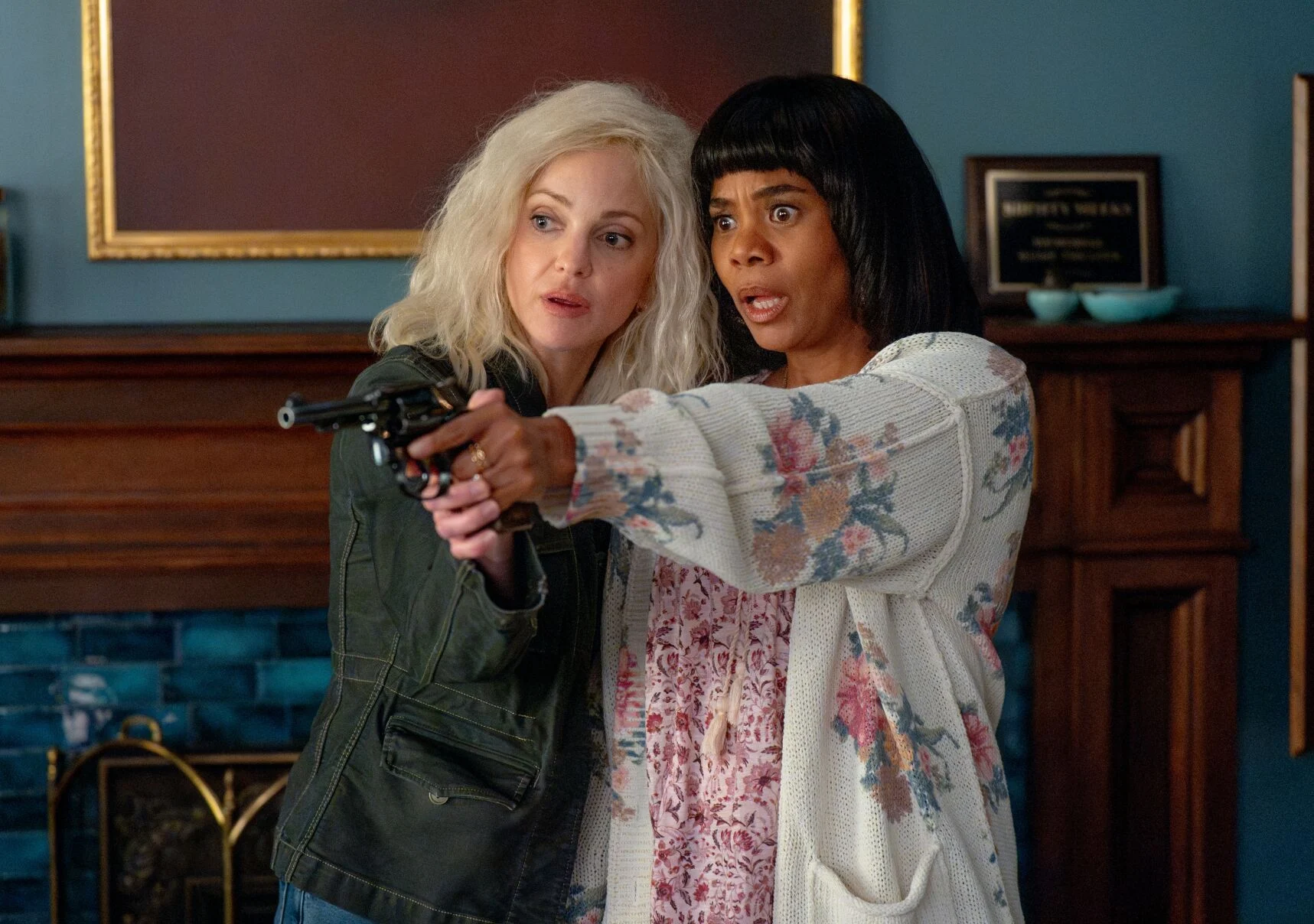
While ZAZ mastered the art of apolitical absurdity, the Wayans and Townsend added a crucial layer to this recipe: the biting racial satire reminiscent of The Richard Pryor Show (1977). With their groundbreaking film Hollywood Shuffle (1987), they transformed cinematic karaoke into a powerful mode of cultural criticism. The film meticulously targeted genres historically pitched to Black audiences—Blaxploitation, the "hood flick," and certain horror subgenres—roasting these films and their creators for pandering to and often insulting their audiences with lazy, stereotypical conventions.
Hollywood Shuffle was born from early collaborative efforts, such as the "Sneakin’ in the Movies" segments, a Siskel and Ebert-style clip show where Townsend and Keenen parodied films and offered a distinct Black perspective on prevalent white racist fantasies like Dirty Harry (1971). Townsend admitted, "We were finding our way. We didn’t know what we had." It was during the review of their disconnected sketches that the realization dawned: these pieces could be woven into a coherent narrative exploring the Black actor’s struggle for creative fulfillment and honest representation in Hollywood. The film’s critical acclaim and commercial success, especially given the limited resources typically afforded to Black filmmakers at the time, cemented the Wayans family’s reputation as defiant innovators who were building a dynasty of revolutionary, subversive spoofs challenging the predominantly white power structure of Hollywood.
Building an Empire: I’m Gonna Git You Sucka and In Living Color
The success of Hollywood Shuffle provided Keenen Ivory Wayans with the leverage to launch two projects that further solidified his standing as a formidable creative force: the Blaxploitation parody I’m Gonna Git You Sucka (1988) and the seminal sketch comedy series In Living Color (1990-1994). In Living Color, broadcast on Fox, was a cultural phenomenon that profoundly shifted the national consciousness and sense of humor. Far from content with merely calling out overt racism, the show delivered nuanced, intelligent, and often angry critiques of Black culture as mediated by the white power structure, an unflinching "call that comes from inside the house."
The series famously slaughtered sacred cows on a weekly basis, targeting figures like Michael Jackson, Mike Tyson, and Michael Bolton, through a diverse array of skits that spanned music videos, Home Shopping Network segments, and film trailers. In Living Color served as a rigorous "finishing school" for the Wayans family, refining and condensing the distinct comedic style that would soon find its next major expression on the big screen. The show’s influence extended beyond comedy, launching the careers of several prominent actors and comedians, including Jim Carrey, Jamie Foxx, and Jennifer Lopez, demonstrating its profound impact on popular culture.
Confronting Caricature: Don’t Be a Menace… (1996)
The honed comedic style of In Living Color was directly channeled into the 1996 feature film Don’t Be a Menace to South Central while Drinking Your Juice in the Hood. This film took Hollywood to task for its formulaic and often exploitative inner-city coming-of-age stories that proliferated in the early 1990s. While brilliant films like Menace II Society (1993), South Central (1992), Juice (1992), and Boyz n the Hood (1991) initially offered poignant narratives, their commercial success inadvertently inspired studio executives to mine Black trauma, imprisonment, and death for mainstream popcorn entertainment.
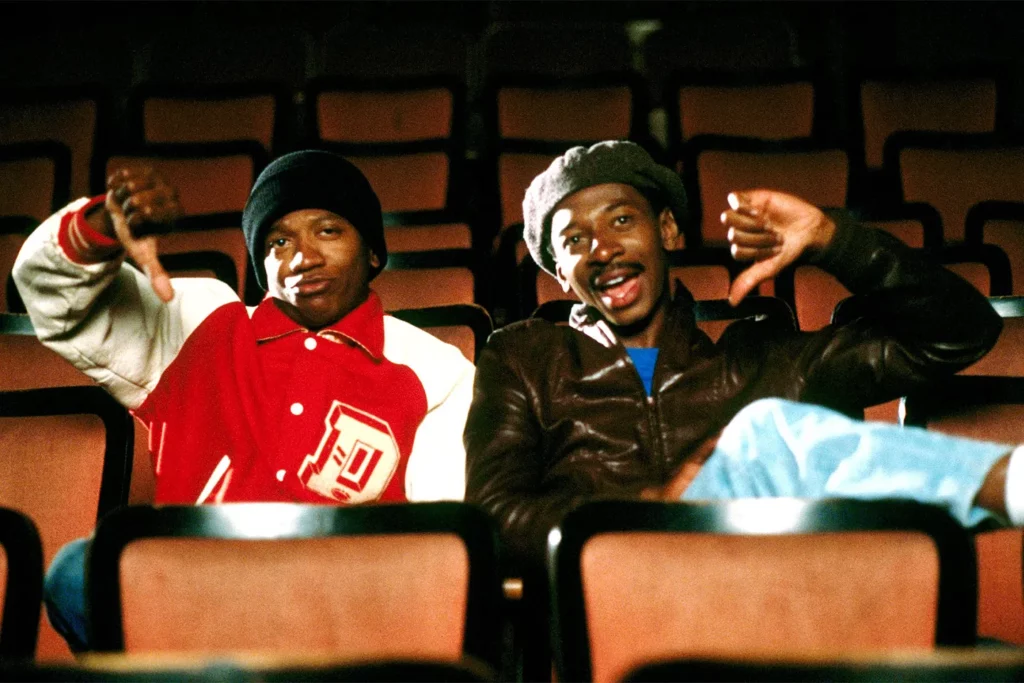
The Wayans’ film, brimming with righteous anger over these negative stock portrayals and opportunistic cynicism, used satire as a weapon. Marlon Wayans’ character, Loc Dog, famously spoofed Larenz Tate’s iconic O-Dog from Menace II Society. Loc Dog, a "Tybalt-by-way-of-AmeriKKKa’s Nightmare" figure, was an absurdist riff, complete with braided armpit hair and a nuclear arsenal in his stolen mail truck. This character directly confronted the very caricatures that Robert Townsend had grown tired of auditioning for when he decided to make Hollywood Shuffle a decade earlier. Don’t Be a Menace… proved that the critique of such stereotypes was not solely directed at white writers but also at the problematic archetypes that could emerge from the pens of Black writers themselves, making it a significantly more complex piece of cultural criticism than, for instance, Airplane!’s often-criticized jive-talk bit.
The Scary Movie Phenomenon and the Pain of Dispossession
The year 2000 saw the release of Scary Movie, a film where the Wayans formula reached its ruthlessly efficient and commercially explosive final form. It deftly riffed on the prevalent teen slasher revival films of its era, particularly Scream, but also took aim at whatever else was popular at the moment. The comedy was anarchic, freely mixing highbrow and lowbrow forms: shot-for-shot spoofs, heightened dialogue quoting other films, and meta cameos. It also contained the regrettably mandatory bits punching down at gay and disabled people, alongside a host of gross-out gags, demonstrating the Wayans’ commitment to pushing boundaries, sometimes controversially.
One of the film’s crucial contributions was its subtle yet impactful commentary on representation in horror. Most of the films parodied in Scary Movie featured predominantly, if not entirely, white casts. Roger Ebert’s 1997 coining of the phrase "The Brother Always Dies First" in his review of David Mamet’s The Edge encapsulated a common complaint among Black viewers, highlighting a larger problem of representation in the genre. Scary Movie addressed this tension directly, placing three Black actors (Regina Hall, Shawn Wayans, and Marlon Wayans) at the center of its horror narrative. Its jokes, which blew up prevalent stereotypes to ridiculous proportions, walked a fine line between goofy nonsense and pointed social critique.
Scary Movie was an undeniable financial success, turning a comparatively small budget of $19 million into a staggering $278 million globally for Dimension Films. A sequel was immediately greenlit for release just a year later, Scary Movie 2. Despite the addition of master satirists like Chris Elliott and David Cross, the condensed production timeline clearly strained the final product, leading to a film that, while still successful, lacked some of the sharpness of its predecessor.
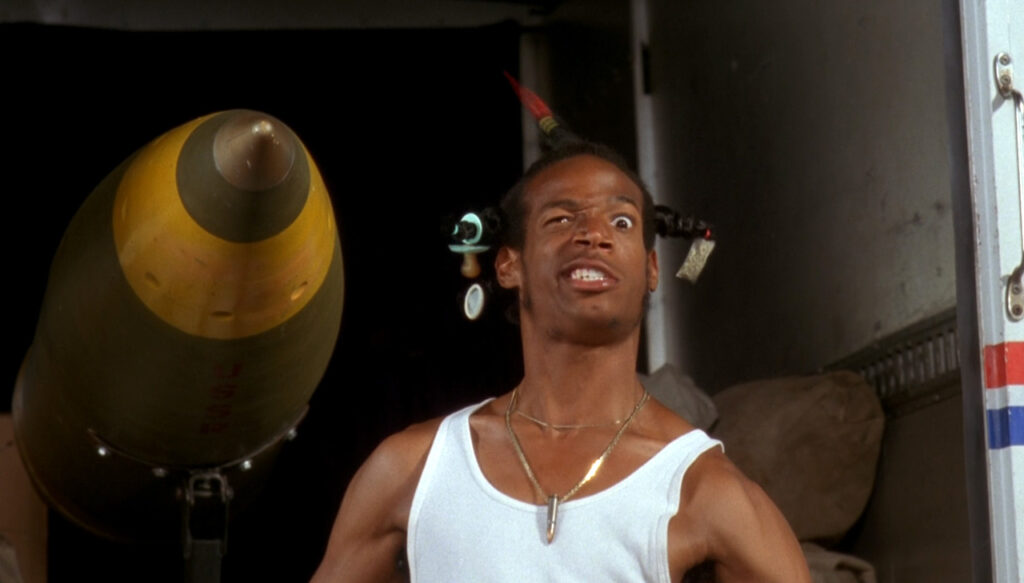
The Wayans’ creative control over the franchise, however, was short-lived. A pivotal and painful moment arrived in 2001 with a compensation dispute with the Weinsteins, leading to the Wayans family’s departure from the series they created. The subsequent films, Scary Movie 3 and 4, were directed by ZAZ’s own David Zucker, creating an ironic "ouroboros" of spoof cinema history as the originators of the modern spoof took over from their successors. On screen, Marlon and Shawn Wayans were essentially replaced by Simon Rex and Charlie Sheen. Marlon Wayans, in a recent interview with GQ, famously likened the experience to "watching your child become a crackhead," a raw expression of the feeling of dispossession. This cycle—where Black filmmakers are deemed expendable by the industry despite their foundational contributions and commercial success—is a disappointingly familiar narrative in Hollywood.
A New Chapter and Enduring Impact
The triumphant return of the Wayans family with Scary Movie (2026), and its impressive global box office of $172 million in its first two weeks, signals more than just a successful legacy sequel; it represents a reclamation of artistic agency and a potential turning point in this familiar Hollywood narrative. The film’s financial performance all but ensures the series will continue, this time under the creative stewardship of its original architects, hopefully allowing this particular story to finally receive the happy ending it deserves.
The Wayans’ journey through Hollywood echoes the struggles of earlier Black pioneers. Robert Townsend once had the opportunity to meet Sidney Poitier and asked the legend how he managed to retain his dignity in an industry where respect was rarely afforded to Black actors. Poitier’s profound and simple answer was, "I said no. I made sacrifices to do it, but I had the power to say no." Throughout their respective bids for creative freedom, Townsend and Keenen Ivory Wayans explored various projects, but they consistently gravitated back to the spoof. This genre, in their hands, became a powerful vehicle to voice critiques about American culture that not only made audiences laugh but also provoked thought and potentially instigated change.
The landscape of Black cinema has seen significant shifts. Last year, Ryan Coogler’s Sinners, a Black horror film exploring themes of artistic freedom and the white exploitation of Black art, garnered $370 million at the box office and earned the most Oscar nominations in film history. While it might seem disconnected from the Wayans’ specific critiques and their industry journey, the success of Sinners suggests a growing receptiveness within Hollywood to complex, Black-centric narratives that challenge traditional power dynamics and explore artistic autonomy. Perhaps the decades of relentless, often irreverent, and always incisive critiques from the Wayans family and their contemporaries have finally helped Hollywood get the message, paving the way for a more equitable and representative future in filmmaking. The return of Scary Movie is not just a comedic event; it’s a testament to resilience, a demand for recognition, and a celebration of a comedic legacy that continues to shape cultural discourse.