The 77th Cannes Film Festival, a bastion of cinematic artistry and prestige, marked a notable departure from its traditional programming last Wednesday with a special midnight screening of Rob Cohen’s seminal action film, The Fast and the Furious. Held at the Grand Théâtre Lumière, the event commemorated the film’s 25th anniversary, drawing a star-studded attendance that underscored its enduring cultural impact and surprising resonance within the hallowed halls of international cinema. This inclusion, conspicuous in a festival edition largely devoid of major Hollywood premieres, signaled a strategic embrace of global popular culture by Cannes organizers, echoing previous high-profile screenings of blockbusters like Top Gun: Maverick and Mission: Impossible – Dead Reckoning Part One.
A Red Carpet Reunion and Emotional Tributes
The evening commenced with a vibrant red carpet spectacle, as stars of the franchise, including Michelle Rodriguez and Jordana Brewster, alongside Meadow Walker, daughter of the late Paul Walker, graced the Croisette. Anticipation peaked for the arrival of Vin Diesel, the franchise’s patriarch and emotional anchor, whose entrance was punctuated by a distinct announcement: "Vin, we are waiting for you on the stairs, please," intoned a voice outside the Grand Théâtre Lumière. Diesel, known for his deep connection to the series and its themes of family, savored the moment, engaging with photographers and fans. He sported a blazer emblazoned with a diamante-encrusted "FAST FOREVER," a testament to the franchise’s seemingly unending trajectory, with a "final" installment slated for 2028 and four spin-off TV series reportedly in development at Peacock.
Inside the packed theater, an emotional Vin Diesel addressed the approximately 2,300 attendees. His slow, resonant delivery imbued his words with a gravitas typically reserved for more dramatic fare. Though The Fast and the Furious was not officially categorized within the festival’s "Cannes Classics" sidebar, Diesel repeatedly referenced its "classic" status, a sentiment he believed was affirmed by its presence at Cannes. He reminisced about his first visit to the festival in 1995, then a relatively unknown 28-year-old writer, producer, director, and star of the 20-minute short film, Multi-Facial. General Delegate Thierry Frémaux reportedly told him earlier in the day, "You, Vin, were born in Cannes," a remark that evidently resonated deeply with the actor. Visibly moved to tears, Diesel’s speech intertwined the film’s legacy with the poignant memory of Paul Walker, his co-star who tragically died in a high-speed car collision in 2013 during the production of Furious 7. "This is the film where brotherhood was introduced to our millennium by myself and my brother Pablo," Diesel proclaimed, using his affectionate nickname for Walker, cementing the film’s narrative of chosen family into the fabric of its real-world impact.
The Genesis of a Global Phenomenon
The Fast and the Furious, released on June 22, 2001, emerged from a Vibe magazine article titled "Racer X" by Ken Li, detailing the underground street racing scene in New York City. Directed by Rob Cohen and starring then-rising talents Vin Diesel and Paul Walker, the film tapped into a burgeoning subculture, blending high-octane car chases with a compelling narrative of loyalty, betrayal, and family. Its initial critical reception was mixed, with some critics dismissing it as a derivative B-movie, while others praised its adrenaline-fueled action and charismatic leads. The film grossed over $207 million worldwide on a budget of $38 million, far exceeding expectations and laying the groundwork for what would become one of Hollywood’s most lucrative and enduring franchises.
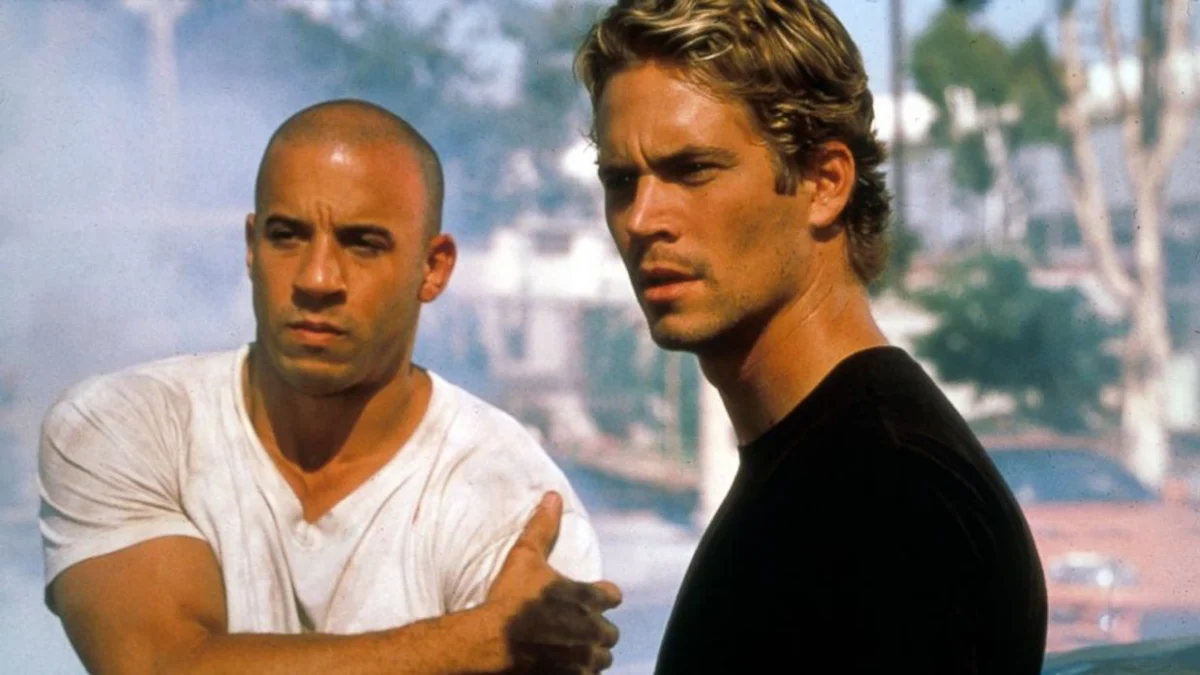
The plot of the original film, charming in its relative simplicity compared to its later, more elaborate sequels, centers on LAPD Officer Brian O’Conner (Paul Walker) infiltrating a crew of street racers led by Dominic Toretto (Vin Diesel), suspected of orchestrating a series of daring heists targeting trucks carrying electronics. This narrative, focused on modest stakes like stolen VCRs and DVD players, stands in stark contrast to the globe-trotting, physics-defying escapades and astronomical stakes (literally, in Fast 9) that would define subsequent installments. The film’s success was not merely financial; it cultivated a dedicated fan base drawn to its depiction of speed, rebellion, and a strong sense of community.
Cannes’ Strategic Embrace of Pop Culture
The decision by the Cannes Film Festival to include The Fast and the Furious in its Official Selection, particularly for its 25th anniversary, reflects a broader evolution in how prestigious festivals engage with mainstream cinema. Traditionally, Cannes has been celebrated for its curation of art-house films, independent features, and international auteur cinema. However, in recent years, the festival has demonstrated a willingness to integrate commercially successful films that possess significant cultural resonance, especially those celebrating milestones or featuring major Hollywood talent.
This shift can be viewed as a strategic move to maintain relevance and appeal to a wider audience, balancing artistic integrity with industry visibility. Thierry Frémaux, known for his astute understanding of cinematic trends and industry dynamics, has overseen several such initiatives. The inclusion of Top Gun (1986) at the Cinéma de la Plage alongside the Fast & Furious screening further underscores this approach, evoking memories of Tom Cruise’s celebrated appearance on the Croisette for the launch of Top Gun: Maverick in 2022, and the Mission: Impossible – Dead Reckoning Part One premiere just last year. These events not only generate significant media buzz but also attract major studio executives and stars, fostering a crucial bridge between the artistic and commercial facets of the global film industry. For a festival like Cannes, which operates as a marketplace as much as an artistic showcase, such events are invaluable.

The Enduring "Family" Theme and Paul Walker’s Legacy
At the heart of The Fast and the Furious franchise lies its unwavering emphasis on "family," a theme that has evolved from a subtle undercurrent in the first film to the driving force of the entire saga. Vin Diesel’s repeated assertion of "brotherhood" and "family" in his Cannes speech resonates deeply with the core message that has captivated millions worldwide. This theme gained even greater poignancy following the tragic death of Paul Walker in 2013. Walker’s character, Brian O’Conner, became an indispensable part of Dominic Toretto’s crew, embodying the outsider who finds belonging. His passing left an indelible mark on the franchise, leading to a heartfelt and respectful farewell for his character in Furious 7, which became a global box office juggernaut and a powerful tribute to the actor.
Walker’s performance as Brian, characterized by a blend of determination, anger, and a distinctive furrowed-brow glare, drew connections back to his early career in soap operas like The Young and the Restless. The franchise, much like those long-running melodramas, has maintained a core of intricate family dynamics, albeit set against an increasingly outlandish backdrop of international espionage and high-stakes stunts. The reunion of co-stars Michelle Rodriguez and Jordana Brewster, and especially the presence of Meadow Walker, at Cannes reinforced the real-life bonds forged on set and the enduring legacy of Paul Walker, whose spirit continues to be a foundational element of the Fast universe.
From Street Racing to Global Dominance: A Franchise Timeline
The journey of The Fast and the Furious from a modest street-racing film to a multi-billion-dollar global franchise is a testament to its adaptability and fan engagement.
- 2001: The Fast and the Furious – The original film, introducing Dominic Toretto and Brian O’Conner, establishing the core themes and setting the stage. Global Box Office: $207.3 million.
- 2003: 2 Fast 2 Furious – Paul Walker returned without Vin Diesel, exploring new characters and expanding the world. Global Box Office: $236.4 million.
- 2006: The Fast and the Furious: Tokyo Drift – Introduced new characters and a different setting, with a cameo from Vin Diesel hinting at future connections. Global Box Office: $159 million.
- 2009: Fast & Furious – Reunited the original cast (Diesel, Walker, Rodriguez, Brewster), revitalizing the series and shifting towards more elaborate heist narratives. Global Box Office: $363.2 million.
- 2011: Fast Five – Widely regarded as the turning point, transforming the franchise into a global action-heist series and introducing Dwayne "The Rock" Johnson. Global Box Office: $626.1 million.
- 2013: Fast & Furious 6 – Continued the global heist narrative, with increasing stakes and ensemble cast. Global Box Office: $788.7 million.
- 2015: Furious 7 – A poignant entry following Paul Walker’s death, featuring a moving tribute to the actor. Became the highest-grossing film in the series. Global Box Office: $1.515 billion.
- 2017: The Fate of the Furious – Explored new antagonists and further expanded the "family" concept. Global Box Office: $1.236 billion.
- 2019: Fast & Furious Presents: Hobbs & Shaw – The first spin-off, focusing on the characters of Luke Hobbs and Deckard Shaw. Global Box Office: $760.7 million.
- 2021: F9: The Fast Saga – Pushed the boundaries of action, including a memorable space sequence. Global Box Office: $726.2 million.
- 2023: Fast X – The penultimate installment of the main saga, setting up the grand finale. Global Box Office: $714.6 million.
The cumulative worldwide box office for the main Fast & Furious saga alone exceeds $7 billion, solidifying its status as one of the highest-grossing film franchises of all time. This financial powerhouse is further bolstered by merchandise, video games, and theme park attractions, demonstrating its profound impact beyond the silver screen.
Broader Implications and the Future of "Fast Forever"
The Cannes screening of The Fast and the Furious transcends a mere anniversary celebration; it signifies a broader acknowledgment of popular culture’s enduring power and influence within the high-art sphere. It challenges traditional definitions of what constitutes a "classic" and highlights the evolving nature of cinematic legacy. While some purists might question its place alongside Palme d’Or contenders, the festival’s embrace of such a film underscores its role as a nexus for the entire film industry, from independent cinema to tentpole blockbusters.
The event also serves as a potent reminder of the symbiotic relationship between Hollywood and prestigious film festivals. For Hollywood, it offers a global platform for renewed exposure and critical re-evaluation. For Cannes, it ensures continued relevance, attracts diverse audiences, and maintains its position at the forefront of global media attention.
As the credits rolled and Vin Diesel concluded his second round of soliloquizing, nearly 3 a.m. in Cannes, the experience left an indelible mark on attendees. It was a testament to a film that, despite its humble origins and often over-the-top evolution, has cultivated a fervent following and etched itself into the annals of cinematic history. The promise of "FAST FOREVER," emblazoned on Diesel’s jacket, seems less an idle boast and more a declaration of an enduring cultural phenomenon, poised to continue its high-speed journey across multiple media platforms for years to come. The Cannes Film Festival, by honoring this quarter-century milestone, has firmly cemented The Fast and the Furious not just as a blockbuster, but as a significant cultural artifact worthy of global cinematic discourse.