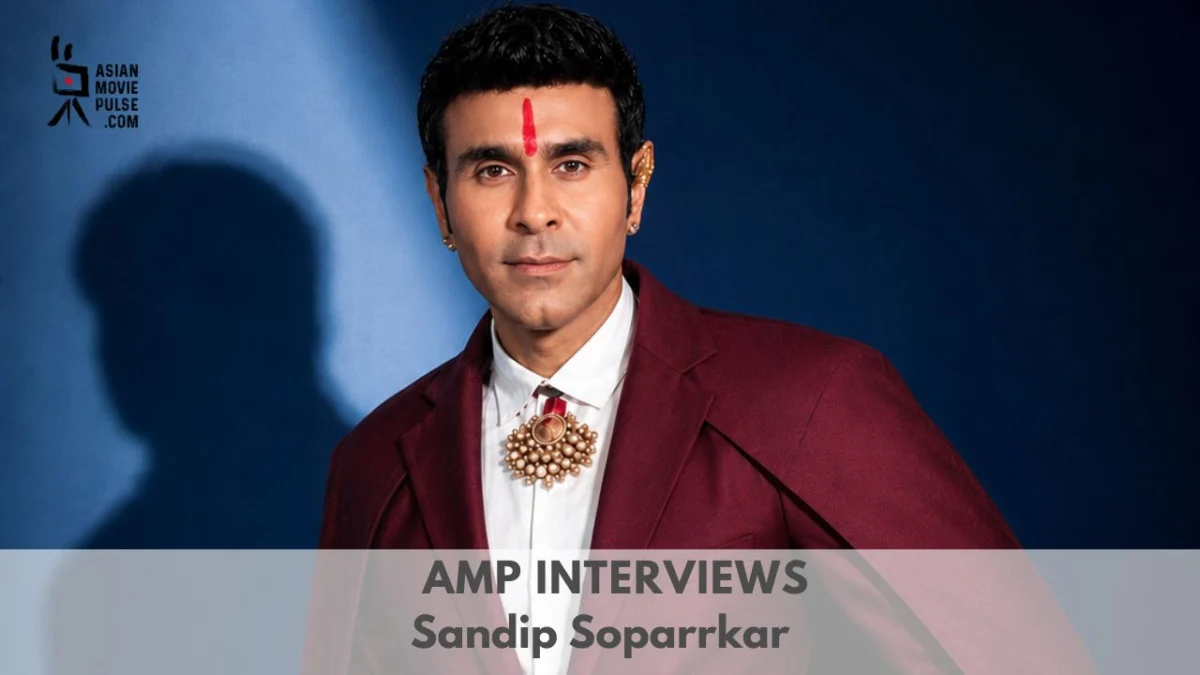
In a comprehensive discussion held in Bishkek, Kyrgyzstan, acclaimed Bollywood choreographer Sandip Soparrkar offered profound insights into the dynamic landscape of Indian cinema, with a particular focus on the art of dance. His observations traversed the historical trajectory of Bollywood choreography, the technological transformations spurred by digital filmmaking and the advent of Over-The-Top (OTT) platforms, and the persistent evolution of song and dance sequences that define the industry. The conversation provided a rare glimpse into the creative process of a seasoned professional navigating an ever-changing artistic and commercial ecosystem.
The Evolving Rhythms of Bollywood: A Historical Perspective
Indian cinema, particularly Bollywood, has long been synonymous with its vibrant song and dance numbers, which serve not merely as entertainment but often as crucial narrative devices. Soparrkar’s analysis begins by acknowledging the growing realism in Indian films, a trend that has subtly but significantly reshaped the portrayal of dance. Historically, Bollywood dance was characterized by elaborate, often fantastical sequences that defied reality, featuring large ensembles and theatrical movements. These early forms drew heavily from traditional Indian classical dances like Kathak, Bharatnatyam, Odissi, and folk traditions such as Bhangra, Garba, and Lavani. Films from the 1940s to the 1960s, for instance, often integrated classical dance to reflect cultural heritage or depict mythological narratives.
The 1970s and 80s witnessed the rise of disco and Western influences, albeit often filtered through a distinctly Indian sensibility. Choreographers like Saroj Khan and Farah Khan later played pivotal roles in mainstreaming more intricate, expressive, and sometimes overtly glamorous styles, solidifying the "Bollywood dance" identity that became globally recognizable. This period saw the emergence of iconic dance numbers that became cultural benchmarks, influencing fashion, youth culture, and even social gatherings across India and the diaspora.
The Global Fusion: Western Styles and Indian Roots
Soparrkar highlighted a critical aspect of this evolution: the increasing influence of Western dance styles. He specifically mentioned salsa, jazz, hip hop, and contemporary dance as forms that have seamlessly integrated into Bollywood’s choreographic vocabulary. This fusion is not merely an adoption but a sophisticated blending where traditional Indian classical and folk dances are now interwoven with these global forms.
The integration of Western styles began tentatively in the 1990s, gaining momentum in the 2000s as Indian filmmakers and choreographers became more exposed to international trends and sought to appeal to a younger, globally aware audience. Hip hop, with its energetic and expressive movements, found its way into youth-centric films, while contemporary dance offered a more nuanced and introspective approach, often used to convey complex emotions or character development. Salsa and jazz, known for their sensuality and intricate footwork, added a new layer of sophistication and glamour to romantic and celebratory sequences.
This fusion has required choreographers to possess a broader skill set and a deeper understanding of diverse dance idioms. It has also enriched the visual language of Bollywood, allowing for a wider range of expression and narrative possibilities. The shift reflects a broader cultural trend in India, where globalization has led to a greater appreciation and assimilation of international art forms, without necessarily abandoning indigenous traditions.
Technological Tides: From Reel to Digital Filmmaking
A significant technological paradigm shift discussed by Soparrkar is the transition from reel to digital filmmaking. This change, which gained widespread adoption in the 2000s, has had profound implications for every aspect of film production, including choreography. Traditional film stock (reel) was expensive, required meticulous handling, and offered limited takes due to cost and processing time. This often placed immense pressure on choreographers, dancers, and cinematographers to execute sequences perfectly within a few attempts.
Digital filmmaking, in contrast, offers unprecedented flexibility. Directors can shoot countless takes without the same financial constraints, allowing for greater experimentation with choreography, camera angles, and performances. This has enabled choreographers to explore more complex movements, intricate formations, and nuanced expressions, knowing that they have the leeway to refine and perfect. The immediate playback feature of digital cameras also allows for real-time feedback and adjustments, fostering a more collaborative and iterative creative process on set.
Moreover, digital post-production capabilities have opened new avenues for enhancing dance sequences. Visual effects (VFX) can now be seamlessly integrated, allowing for gravity-defying stunts, fantastical environments, and intricate motion graphics that were previously impossible or prohibitively expensive. This technological leap has empowered choreographers to push the boundaries of imagination, creating visually stunning and innovative dance spectacles that captulate audiences.
The OTT Revolution: Democratizing Content and Dance
Perhaps one of the most transformative influences on Bollywood dance in recent years has been the proliferation of Over-The-Top (OTT) platforms. Services like Netflix, Amazon Prime Video, Disney+ Hotstar, and numerous regional Indian platforms have fundamentally altered content consumption and creation. Soparrkar’s insights into this phenomenon underscore its multifaceted impact.
Traditionally, Bollywood films relied heavily on theatrical releases, where commercial viability often dictated the inclusion of popular song-and-dance numbers, sometimes referred to as "item numbers," to draw audiences. The pressure to deliver mass appeal often led to formulaic choreography. OTT platforms, however, operate on a different model. Their subscription-based revenue allows for greater creative freedom and a focus on diverse, narrative-driven content. This has opened doors for more experimental, realistic, and character-driven dance sequences.
On OTT, there is less pressure to create standalone "hit" songs for promotional purposes. Instead, dance can be more organically integrated into the storyline, serving the plot and character development rather than existing as a separate spectacle. This environment encourages choreographers to explore niche dance styles, more subtle movements, and authentic expressions that might not have found a place in mainstream theatrical releases. It also provides a global stage for Indian dance forms, exposing them to a wider international audience that might be seeking more nuanced cultural content beyond typical Bollywood tropes. The democratizing effect of OTT means that a broader spectrum of dance styles and storytelling approaches can now find an audience, fostering innovation and pushing the boundaries of what constitutes "Bollywood dance."
Soparrkar’s Creative Philosophy and Esteemed Collaborations
At the heart of Sandip Soparrkar’s distinguished career lies a meticulous creative process. He detailed how his journey with a song begins, emphasizing that "music remains the starting point of his creative process." For a choreographer, the music dictates the rhythm, mood, and emotional arc of a sequence. Soparrkar carefully selects songs, dissecting their layers to unearth their choreographic potential. This foundational understanding of music is then translated into movement, a process that requires a deep collaboration with directors and cinematographers.
His work with iconic filmmakers such as Shyam Benegal and Aruna Raje exemplifies this collaborative spirit. Benegal, known for his parallel cinema and realistic narratives, and Raje, a trailblazer in women-centric films, represent a different facet of Indian cinema than the typical mainstream. Choreographing for their projects, such as "Zubeidaa" and "Saath Khoon Maaf" (directed by Vishal Bhardwaj, but often associated with a similar artistic sensibility), would have demanded a more nuanced and character-driven approach to dance, where movement serves to deepen the psychological and emotional landscape of the story rather than merely entertain. His memories from "Zubeidaa," a film celebrated for its period setting and emotional depth, likely involve crafting dances that authentically reflected the era and character’s inner turmoil. Similarly, "Saath Khoon Maaf" (2011) presented a darker, more complex narrative, requiring choreography that could convey varying shades of emotion and character transformation for Priyanka Chopra’s multifaceted role. His work on "Holiday" (2014) would have likely involved more contemporary and commercial dance styles, showcasing his versatility across genres.
Soparrkar also expressed his profound admiration for actors Hrithik Roshan and Priyanka Chopra. Hrithik Roshan is widely regarded as one of Bollywood’s most gifted dancers, celebrated for his precision, fluidity, and ability to imbue complex choreography with emotion and personality. His dedication to perfecting every move, combined with his natural grace, makes him a choreographer’s delight. Priyanka Chopra, on the other hand, is lauded for her versatility, powerful screen presence, and ability to transform for each role, including her dance performances. Her commitment to embodying characters through movement, whether in a high-energy commercial number or a more subtle, dramatic sequence, makes her an exceptional collaborator. Their ability to transcend mere steps and tell a story through their bodies is a quality Soparrkar values highly.
Bollywood’s Enduring Appeal: The Kyrgyzstan Connection
The interview’s setting in Bishkek provided a unique backdrop to discuss Bollywood’s enduring global footprint, particularly in Central Asia. Soparrkar’s connection with Kyrgyzstan and his involvement with the Bishkek International Film Festival highlight the deep and continuing love for Bollywood in the country. This affinity is not new; Indian cinema, especially Bollywood films, gained immense popularity in Central Asian republics during the Soviet era. Films like "Awara" (1951) starring Raj Kapoor, and later blockbusters, transcended language barriers through their universal themes of love, family, justice, and vibrant musical numbers.
The emotional depth, dramatic narratives, and colorful song-and-dance sequences resonated strongly with audiences in these regions, creating a lasting cultural bond. Even today, despite the influx of Hollywood and local productions, Bollywood films continue to hold a special place. Soparrkar’s presence at the Bishkek International Film Festival serves as a cultural bridge, fostering greater understanding and appreciation for Indian cinematic arts. His discussions and workshops would undoubtedly inspire local talent and reinforce the perception of Bollywood as a significant cultural force beyond India’s borders. The festival itself, by hosting figures like Soparrkar, signifies Kyrgyzstan’s commitment to cultural exchange and its recognition of Bollywood’s global impact. This cultural diplomacy, often unintentional, strengthens ties between nations through shared artistic experiences.
Broader Implications and Future Outlook for Bollywood Dance
The insights shared by Sandip Soparrkar paint a vivid picture of an art form in constant flux, adapting to technological advancements, global influences, and evolving audience tastes. The journey of Bollywood dance from its traditional roots to its current highly hybridized form reflects India’s own complex negotiation with modernity and globalization. The trend towards realism in films, coupled with the creative freedom offered by OTT platforms, suggests a future where dance sequences might become even more integrated into narrative structures, serving deeper emotional and thematic purposes rather than just being standalone spectacles.
The continued fusion of Indian classical and folk dances with Western styles will likely lead to innovative hybrid forms, pushing the boundaries of choreographic expression. As digital technology, including virtual reality (VR) and augmented reality (AR), becomes more prevalent in filmmaking, choreographers might explore entirely new dimensions of visual storytelling through dance. This could involve interactive dance experiences or sequences that seamlessly blend physical performance with digital environments in ways previously unimaginable.
The role of choreographers like Soparrkar becomes even more critical in this dynamic environment. They are not just creators of steps but cultural interpreters, blending diverse influences while retaining an authentic Indian sensibility. Their ability to adapt, innovate, and collaborate will continue to shape the visual and emotional language of Indian cinema. The global appreciation for Bollywood dance, evident in places like Bishkek, underscores its power as a universal language that transcends geographical and linguistic barriers. As the industry continues to evolve, the art of dance within Bollywood is poised to remain a vibrant, compelling, and endlessly inventive aspect of its global appeal.
In conclusion, Sandip Soparrkar’s reflections provide a comprehensive overview of the multifaceted forces shaping Bollywood dance today. From technological shifts to global artistic fusions and evolving audience expectations, his perspective illuminates the resilience and adaptability of an art form that continues to captivate millions worldwide. The journey of Bollywood dance is far from over; it is a continuous, exhilarating performance on the world stage.