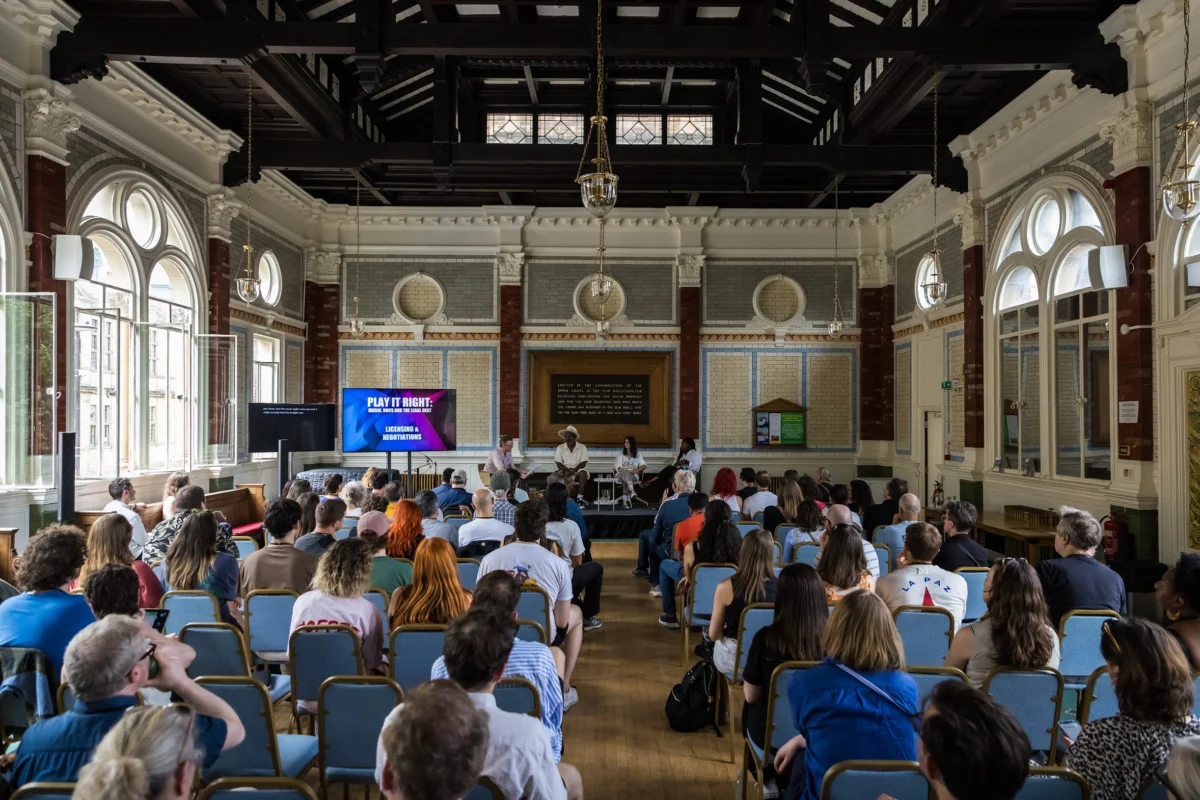
Sheffield DocFest, a globally renowned platform for documentary cinema and industry discourse, has officially unveiled the comprehensive industry program for its 33rd edition, scheduled to take place from June 10-15, 2026. This meticulously curated lineup completes the festival’s offerings, promising to intertwine "urgent global issues and conversations with the practical realities of working in documentary today." The announcement solidifies DocFest’s reputation as a vital nexus where artistic vision meets critical industry dialogue, setting the agenda for the future trajectory of non-fiction storytelling.
A Legacy of Documentary Excellence and Innovation
Established in 1994, Sheffield DocFest has evolved into one of the world’s leading documentary festivals, celebrated for its diverse film programming, vibrant marketplace, and incisive industry sessions. For over three decades, it has served as a crucial meeting point for filmmakers, producers, commissioners, distributors, and enthusiasts from across the globe, fostering a community dedicated to the art and business of documentary. The festival’s longevity and consistent growth underscore its adaptability and its enduring commitment to showcasing powerful narratives while addressing the ever-changing landscape of media production and consumption. The 33rd edition, therefore, builds upon a rich legacy, continuing to champion innovative storytelling and critical thinking. Its dual focus on public screenings and professional development reflects a holistic approach, recognizing that the strength of the documentary ecosystem relies on both artistic freedom and robust industry infrastructure.
Navigating a Complex World: Thematic Pillars of the 2026 Program
The 2026 industry program is designed to be exceptionally pertinent, tackling a spectrum of pressing topics that reflect both geopolitical realities and technological shifts. Sessions will delve into critical areas such as conflict reporting, examining the challenges and ethical considerations faced by journalists and filmmakers documenting war zones and political unrest. The rise of citizen journalism, its power in democratizing information, and its inherent risks will also be a key discussion point. Inclusivity and accessibility within the documentary sector, often topics of vital debate, will explore strategies for broadening participation and representation both on-screen and behind the camera. Environmental sustainability, an increasingly urgent global concern, will address how the industry can minimize its ecological footprint and how documentaries can effectively amplify climate narratives.
A particularly salient theme will be the evolving role of Artificial Intelligence (AI) in documentary filmmaking. As AI technologies become more sophisticated, their application raises profound questions about authenticity, ethics, copyright, and the very definition of "truth" in non-fiction. Discussions will likely cover AI’s potential for research, editing, and distribution, alongside the challenges of deepfakes, algorithmic bias, and the imperative to protect human creativity and journalistic integrity. Furthermore, the program will confront the sensitive issue of political suppression, exploring how documentary filmmakers navigate censorship, threats to free expression, and the importance of safeguarding journalistic independence in an increasingly polarized global environment. These thematic pillars collectively underscore DocFest’s ambition to be more than just a festival; it aims to be a forum for crucial societal and industry-specific conversations.
Distinguished Voices and Strategic Insights
The lineup of speakers for 2026 reflects the program’s high caliber, featuring a blend of influential industry executives and celebrated creative talents. Nevine Mabro, the BBC’s new head of Storyville, the broadcaster’s acclaimed international documentary strand, will offer insights into her commissioning strategy. Alongside Fiona Campbell, the BBC’s director of factual, their session will provide invaluable perspectives on public service broadcasting’s role in documentary production, the types of stories they are seeking, and the evolving landscape of funding and distribution for high-impact non-fiction content. The BBC, a cornerstone of factual programming, consistently invests significantly in documentaries, making their strategic outlook a bellwether for the wider industry. Understanding their priorities can offer a roadmap for filmmakers seeking to secure major commissions.
Complementing these executive insights, Academy Award-nominated directors Maite Alberdi (known for The Mole Agent and The Eternal Memory) and Sara Dosa (recognized for Fire of Love and Time and Water) are slated to conduct masterclasses. Alberdi’s work often explores themes of aging, loneliness, and the human condition with remarkable intimacy and warmth, while Dosa’s films frequently delve into environmental narratives and unique human-nature relationships. Their sessions will undoubtedly offer attendees deep dives into their creative processes, narrative construction, ethical approaches to subjects, and strategies for bringing compelling stories to the screen. Such masterclasses are a cornerstone of DocFest, providing aspiring and established filmmakers alike with unparalleled access to the wisdom and experience of industry luminaries.
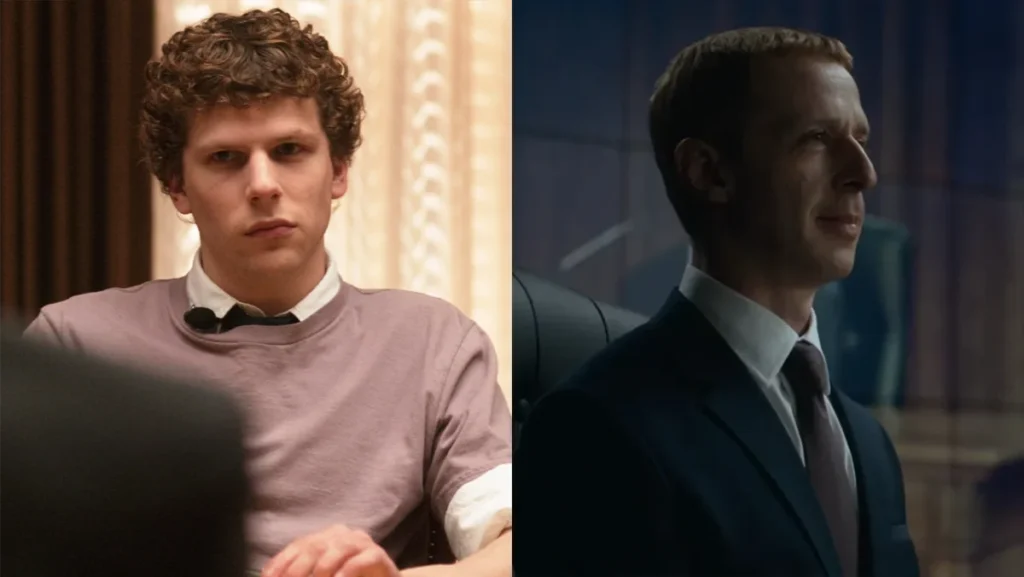
Adding a contemporary touch, a "behind-the-scenes look at Power: The Downfall of Huw Edwards," a docudrama produced for UK broadcaster Channel 5, is also planned. This session promises to dissect the intricate process of transforming high-profile real-life events into dramatic narratives, navigating the ethical, legal, and creative complexities inherent in such sensitive storytelling. The recent proliferation of true-crime and docudrama series across various platforms highlights a growing public appetite for factual entertainment, making discussions around responsible adaptation particularly timely.
The Engine Room of the Industry: Marketplace and Talent Meetings
The 2026 industry lineup for documentary makers boasts 41 distinct sessions, a testament to the depth and breadth of topics covered. These include dedicated workshops on craft, offering practical guidance on everything from cinematography and editing to sound design and archival research. A key feature will be live pitches, providing filmmakers with the crucial opportunity to present their projects directly to commissioners, funders, and distributors, often leading to vital collaborations and financial backing.
Crucially, the popular Marketplace and Talent Meetings will make their anticipated return. The Marketplace, a cornerstone of DocFest’s industry offerings, is a highly structured forum where filmmakers can secure financing, distribution, and co-production partners for their projects. It typically facilitates hundreds of one-on-one meetings, acting as a direct conduit between creators and industry decision-makers. The Talent Meetings, on the other hand, are designed to connect emerging talent with experienced mentors and professionals, offering guidance on career development, project refinement, and navigating the often-complex documentary landscape. These mechanisms are indispensable for fostering new talent and ensuring the economic viability of independent documentary production, bridging the gap between artistic endeavor and commercial reality.
Leadership Perspectives: Artistry, Business, and Global Impact
Raul Nino Zambrano, creative director of Sheffield DocFest, articulated the festival’s overarching philosophy: "We are creating a unique space where the artistry on screen directly informs the vital industry dialogues of today." This statement encapsulates the festival’s dual commitment to celebrating creative achievement and addressing the practical challenges faced by the industry. He further elaborated, "From deep-dive sessions on activism and emerging technologies to our dedicated Production Hub, we are ensuring that our industry delegates are not just observers, but active participants in the shifting landscape of global documentary storytelling." This emphasis on active participation highlights DocFest’s role as a catalyst for change and innovation, encouraging engagement rather than passive consumption of information. The mention of a "Production Hub" signals a dedicated space for fostering new productions and collaborations, indicating a hands-on approach to industry development.
Mimi Poskitt, managing director at the fest, underscored the festival’s commercial significance: "Sheffield DocFest has always been a center for dazzling creativity, but we are also immensely proud of the role the festival plays in facilitating the business of the industry, whether that’s procuring funding, making deals, or finding the right co-production partners." Her comments reinforce the festival’s crucial economic function, acknowledging that artistic excellence must often be supported by sound business strategies. She detailed the various avenues through which this is achieved: "From our Meetmarket and the vital discussions generated by our highly-targeted expert industry and craft sessions, to welcoming key delegations from across the world, as well as new initiatives bringing the broader factual community together, such as our inaugural Production Hub, we continue to build on this role." This holistic approach, integrating creative inspiration with business acumen, is what positions DocFest as a truly indispensable event in the global documentary calendar.
Spotlight Sessions: A Deeper Dive into Critical Issues
The selected sessions for the 2026 industry program offer a glimpse into the depth of the discussions.
-
Human Rights Film Festivals: From Grassroots to Global (and Back Again)
This session addresses a critical juncture for human rights film festivals, which are increasingly facing "growing political pressure and shrinking support." The discussion, featuring speakers like Brenda Dankar and Anna Har from Malaysia’s Freedom Film Network and Julie Nederkoorn from Movies That Matter in The Hague, aims to foster mutual learning between grassroots initiatives and established models. In an era where freedom of expression is challenged globally, these festivals play a pivotal role in amplifying marginalized voices and raising awareness about injustices. The moderator, Heather Haynes, a documentary consultant and programme consultant for Sheffield DocFest, brings significant expertise to this vital conversation. This session is particularly relevant given the global decline in democratic freedoms and the corresponding rise in challenges to independent media and artistic expression. -
Silenced: How Power Adapts to Suppress Women
This urgent session explores the systemic forces that seek to silence women globally. Featuring human rights lawyer Jen Robinson (subject of the documentary Silenced), director Bárbara Mestanza (Filthy), and Gabriela Díaz Arp (Matinino), alongside solicitor Sophie Argent of Creators Counsel, the panel will dissect the "legal, cultural and systemic forces working to silence women across the world." This discussion resonates with broader global movements advocating for gender equality and challenging patriarchal structures, examining how powerful entities exert pressure through legal means, cultural norms, and institutional biases. The documentaries discussed will provide concrete examples of this struggle, offering insights into both the challenges and the resilience of women fighting for their voices to be heard. -
Goalhanger Greenroom Session: How Ideas Become Podcasts
As podcasts continue their meteoric rise as a dominant medium for factual storytelling, this session offers a rare "behind-the-scenes look at how podcast ideas are developed and commissioned" by Goalhanger, a prominent production company. Speakers Nicole Logan (Executive Producer) and India Dunkley (Producer) will demystify the process from concept to broadcast, providing valuable lessons for filmmakers looking to diversify their storytelling platforms or adapt documentary ideas for audio. The growth of audio documentaries presents new opportunities for narrative exploration and audience engagement, often with lower production barriers compared to film, making this session highly relevant for evolving content creators. -
Beyond the Algorithm: The Rise of YouTube Documentary
This session tackles a crucial contemporary phenomenon: the shift of audiences from traditional media to platforms like YouTube for documentary content. While YouTube offers an unprecedented platform for independent creators and citizen journalists, it also presents complex challenges related to "truth when we rely on platforms built for engagement." Investigative filmmaker Ben Zand (Zandland) and Andrii Kotliar (Producer, Time Machine Maidan – Babylon’13) will explore this contested space. Moderated by BBC Disinformation and Social Media Correspondent Marianna Spring, the discussion will address the democratization of storytelling, the spread of misinformation, the economics of YouTube content creation, and the future of factual reporting in a platform-driven ecosystem. This topic is particularly vital as digital literacy and critical consumption of online content become increasingly important. -
From Headline to Screen: When Real Stories Become Drama
Expanding on the earlier mention of Power: The Downfall of Huw Edwards, this session offers a deeper exploration of the "ethical, creative and legal tightrope shaping sensitive, high-stakes storytelling." Speakers include Guy Davies (Commissioning Editor, Factual, Channel 5), Paul Testar (Commissioning Editor, Drama, Channel 5), writer Mark Burt, and factual producer Louise Kentleton. The session will dissect the complexities of adapting real-life events, particularly those involving public figures and sensitive personal narratives, into dramatic forms. It will explore the delicate balance between factual accuracy, dramatic license, legal implications, and the imperative to treat subjects with respect and responsibility. This topic is increasingly relevant given the surge in true-crime and docudrama series that blur the lines between factual reporting and entertainment.
Broader Impact and Implications for Documentary Filmmaking
The comprehensive nature of the 2026 Sheffield DocFest industry program underscores several key trends shaping the future of documentary filmmaking. Firstly, the emphasis on urgent global issues signifies a continued commitment to documentary as a powerful tool for social change and public discourse. In a world grappling with myriad crises, factual storytelling remains essential for informing, engaging, and mobilizing audiences. Secondly, the focus on emerging technologies like AI and platforms like YouTube reflects an industry in constant evolution, grappling with both the opportunities and challenges presented by rapid technological advancement. Filmmakers are increasingly required to be technologically adept and strategically savvy in navigating new distribution models and content creation tools.
Thirdly, the robust marketplace and talent development initiatives highlight the ongoing importance of sustainable business models for independent filmmakers. While creative vision is paramount, the ability to secure funding, forge partnerships, and reach audiences is critical for the longevity of documentary projects and careers. Finally, the program’s strong emphasis on inclusivity, accessibility, and ethical practice signals a maturing industry that is increasingly self-aware and committed to responsible storytelling. As the documentary form continues to gain prominence, discussions around representation, power dynamics, and the ethical treatment of subjects and communities become ever more crucial.
Sheffield DocFest 2026 is poised to be an indispensable event, offering a vital forum for filmmakers and industry professionals to connect, learn, and collectively shape the future of documentary storytelling. By addressing the most pressing issues of our time and fostering both artistic innovation and business acumen, the festival continues to cement its position as a global leader in the non-fiction world.