Workplace alienation has solidified its position as one of the most fertile grounds for contemporary genre cinema, a trend particularly pronounced in South Korea. The nation’s distinct corporate hierarchies, pervasive instances of corporate humiliation, and the subtle yet profound violence embedded within everyday employment often provide a stark backdrop that seamlessly transitions into narratives of mystery, absurdism, or outright horror. Director and writer Kim Jeong-yeon’s film, Silver Hammer, leverages this prevalent societal issue as its foundational premise, delving into the story of a man whose professional existence has been systematically reduced to a form of living disappearance within the corporate structure. The film premiered at the Bucheon International Fantastic Film Festival (BIFAN) in 2026, marking its entry into a cinematic landscape increasingly defined by its unflinching exploration of modern anxieties.
The Disappearance Act: A Narrative of Corporate Erasure
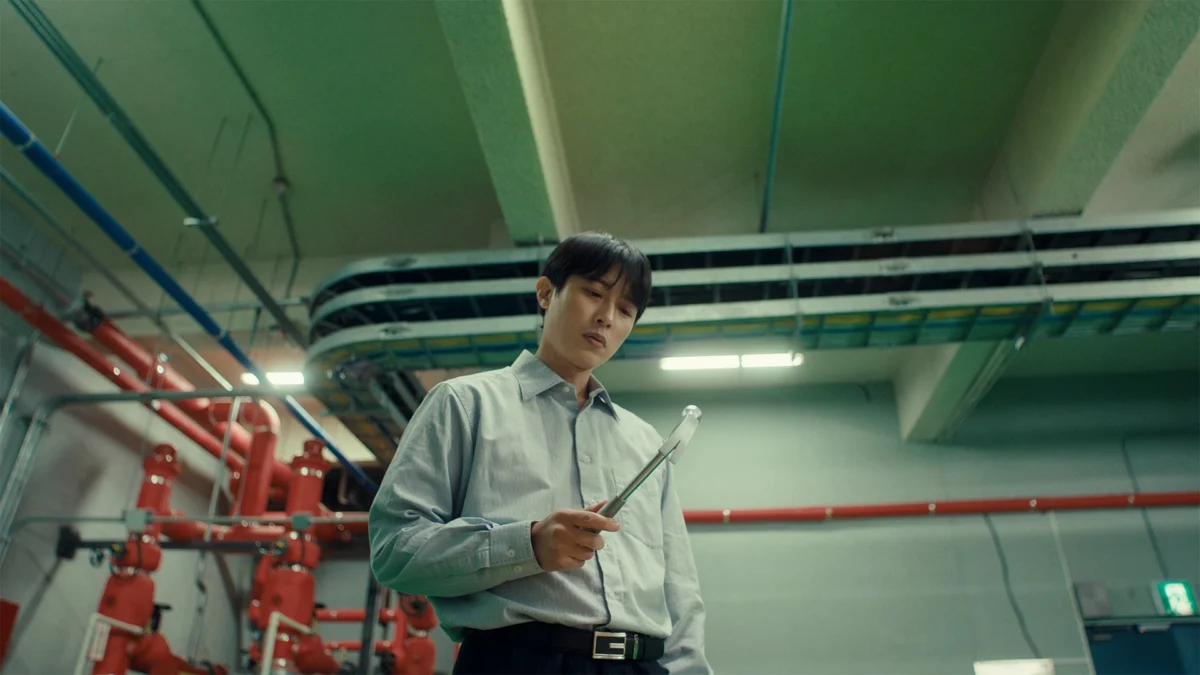
The central figure of Silver Hammer is Jin-su, a middle-aged office worker who finds himself a victim of a corporate blacklisting orchestrated by his superior, Ju-han. For a staggering two years, Jin-su has been relegated to an isolated, empty space within the company premises, assigned a bizarre "job" that entails doing absolutely nothing. This unique form of corporate punishment is designed not to terminate employment outright, but to subtly erase an individual’s professional identity and dignity while maintaining their physical presence, a concept that resonates deeply with real-world corporate bullying tactics in South Korea.
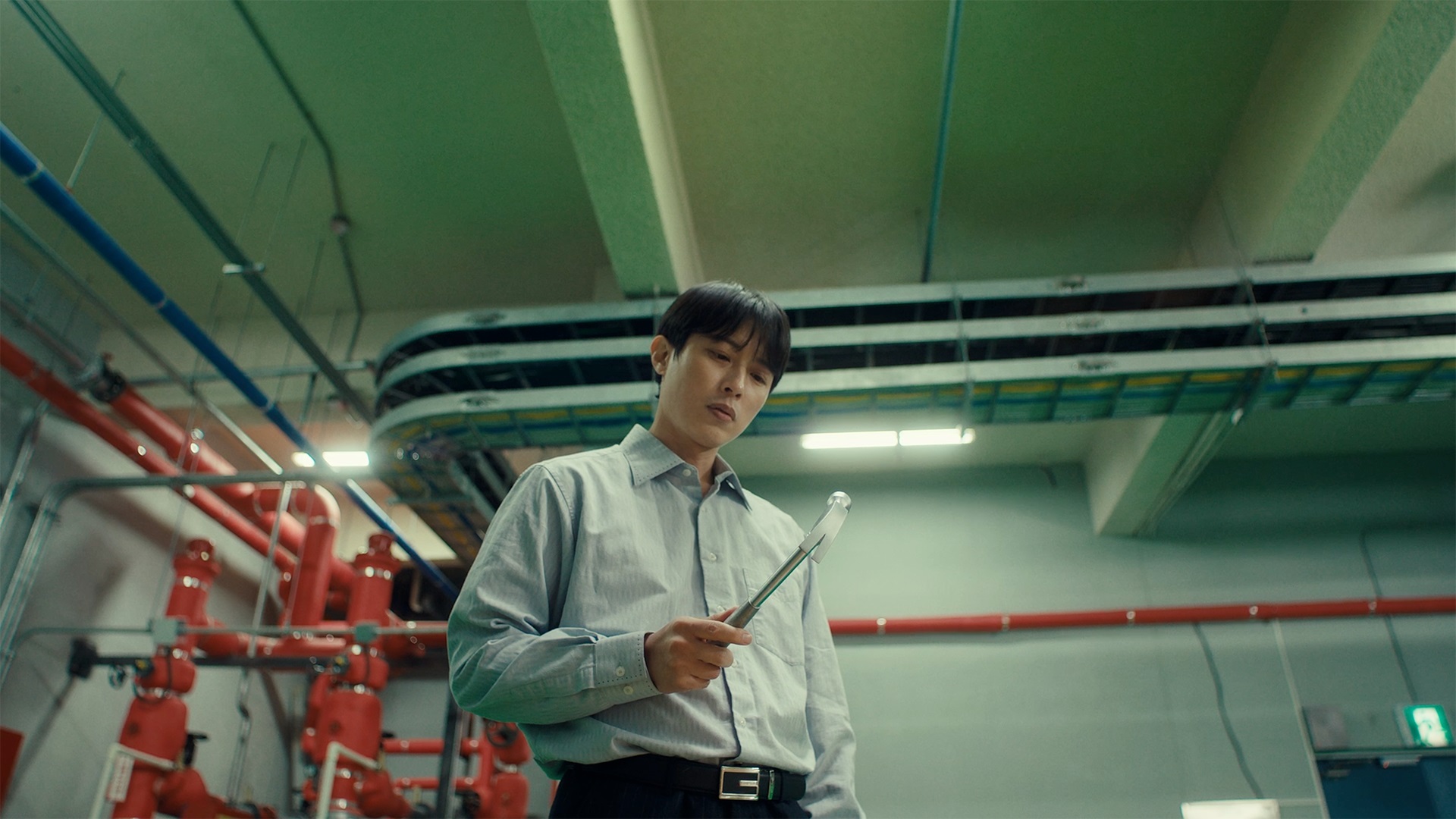
The narrative takes a pivotal turn when Jin-su brings a seemingly innocuous silver hammer to the office, intending to hang a painting in his desolate workspace. His subordinate, Seol-ah, notices the tool and requests to borrow it for a similar domestic task. Upon its return the following day, Jin-su discovers a peculiar mark on the hammer. This seemingly minor detail propels him, with the assistance of his wife, Su-bin, into an increasingly strange and disorienting journey to unravel the mystery surrounding the object. What begins as a mundane incident quickly escalates, suggesting that the hammer harbors a significance far beyond its ordinary utility.
Setting the Stage: A Promising Critique of Modern Labor
The initial sequences of Silver Hammer are particularly compelling, effectively introducing Jin-su as a man spiritually depleted and trapped in a metaphorical fluorescent purgatory. This early characterization immediately signals the film’s potential for a bleak, incisive portrait of modern labor. Jin-su’s unique isolation—neither fully employed nor entirely unemployed—presents a potent metaphor for corporate systems that systematically strip individuals of their identity, usefulness, and fundamental dignity. This conceptual foundation, poised to explore existential absurdity and the quiet dehumanization inherent in contemporary work environments, initially promised a sharp and critical examination of corporate power dynamics. The film’s early moments suggest a direct engagement with the psychological toll of such practices, hinting at a narrative that could unpack the profound implications of being rendered invisible within a system that demands constant visibility and productivity.
The Evolution of Korean Genre Cinema and Workplace Themes
South Korean cinema has long been a global powerhouse in genre filmmaking, consistently pushing boundaries and utilizing popular formats to deliver profound social commentary. Films like Bong Joon-ho’s Parasite, which critiques class disparity through a darkly comedic thriller lens, or Lee Chang-dong’s Burning, a slow-burn mystery touching on economic frustration and alienation, exemplify this trend. The exploration of workplace issues is not new; Han Jun-hee’s 2014 film Office, for instance, transformed a seemingly mundane corporate environment into a terrifying horror setting to comment on the pressures and violence within South Korean companies.
Silver Hammer enters this rich tradition, attempting to blend elements of mystery, absurdism, and even supernatural horror into a narrative rooted in corporate malaise. The film’s premise aligns with a growing body of work that reflects public discontent with rigid corporate structures, intense competition, and the emotional labor demanded of employees. The global success of Korean content, from K-dramas like Misaeng: Incomplete Life, which vividly depicts the struggles of interns and office workers, to webtoons and films, demonstrates a widespread resonance with these themes, highlighting universal anxieties about job security, professional identity, and the pursuit of dignity in often dehumanizing corporate settings.
The Narrative Divergence: From Critique to Absurdist Motion
Despite its promising start, Silver Hammer gradually shifts its focus, treating its compelling premise less as a profound symptom of modern work’s self-erasure and more as a springboard for narrative momentum. While the underlying intelligence of the concept and the occasional skillful transitions from office realism to the hammer’s strange mystery are evident, this intelligence often feels more like a superficial layer than a deeply integrated worldview. The hammer, intended as a symbolic key to deeper meaning, primarily functions as a plot device, generating suspense and driving the narrative forward through a series of symbolic errands and thematic nods, rather than provoking deeper introspection into the protagonist’s condition or the broader societal issues.
The film’s ambition to stimulate through absurdity becomes increasingly pronounced, drawing comparisons to genre-bending narratives like the speculated "No Other Choice" inspiration mentioned in initial critical notes. This influence appears to extend to the inclusion of seemingly disparate elements, even alluding to supernatural tropes such as vampires. This narrative choice stands out as one of the more peculiar aspects of the film. While some critics suggest Kim Jeong-yeon might be parodying or riffing on the logic of workplace desperation found in specific genre precedents, the exact intent remains ambiguous. The idea of injecting blood, predation, and genre excess into a corporate humiliation premise holds potential for sharp satire and dark humor. However, the execution often leads to increasing incoherence, as the story veers in too many directions simultaneously, struggling to commit to a singular identity as satire, mystery, parody, workplace critique, or supernatural farce. This lack of narrative cohesion ultimately dilutes its impact, preventing it from fully realizing its potential as a biting social commentary or a truly unsettling genre piece.
The Cultural Context: Workplace Stress in South Korea
South Korea consistently ranks high globally in terms of working hours and workplace stress. The country’s rapid economic development has fostered a highly competitive and often hierarchical corporate culture. Concepts like gapjil (abuse of power by superiors) and hwabyung (an anger syndrome attributed to the suppression of emotions, particularly prevalent among those experiencing chronic stress) are widely recognized social phenomena. The "living disappearance" Jin-su experiences is a cinematic amplification of these realities, where employees can be subtly sidelined, humiliated, or pushed out without formal termination, a tactic designed to avoid legal repercussions while achieving the desired outcome. Films like Silver Hammer resonate because they tap into a collective consciousness of these workplace challenges, offering a mirror to the anxieties and frustrations many South Koreans face daily. The film’s initial setup expertly captures this oppressive atmosphere, portraying the office not just as a place of work but as a psychological battleground.
Character and Performance: Grounding the Absurdity
Amidst the narrative’s shifting tones, the performances, particularly that of Im Ji-kyu as Jin-su, serve as a crucial anchor. Im Ji-kyu, a seasoned actor with a diverse portfolio spanning independent cinema, television, and mainstream productions, imbues Jin-su with a believable weariness and quiet desperation. His portrayal effectively conveys a man hollowed out by routine, professional embarrassment, and profound powerlessness. This nuanced performance lends credibility to Jin-su’s gradual, almost reluctant, involvement in the hammer’s strange mystery, making his descent into the absurd feel earned. The supporting cast also contributes to the film’s unique, often odd, tone, particularly as the narrative deviates from office realism into more fantastical territory. However, the script’s evolving nature occasionally limits their ability to develop fully memorable characters, leaving some feeling underdeveloped despite competent performances.
Technical Virtues and Narrative Shortcomings
From a technical standpoint, Silver Hammer exhibits several commendable qualities. The set design is notably effective, particularly the stark, empty company space that visually mirrors Jin-su’s state of professional and emotional suspension. This minimalist yet evocative environment is a powerful symbol of his corporate erasure. The film’s cinematography is also strong, employing framing that frequently emphasizes isolation, awkwardness, and the oppressive, often geometric, nature of the office environment. Furthermore, the narrative and cinematic implementation of blood as a visual and symbolic motif is intriguing, providing some of the film’s more striking imagery.
However, the editing, handled by Kim Jeong-yeon himself, proves less successful. While it efficiently keeps the story in motion, the accumulation of incidents eventually feels more scattered than revealing. This contributes to the narrative’s overall incoherence, preventing the disparate elements from coalescing into a unified and impactful whole. The film’s visual strengths are sometimes undermined by a lack of narrative discipline, leading to a sense of missed opportunities where compelling imagery could have been tethered to a more cohesive thematic exploration.
Broader Implications and Critical Reception
Silver Hammer premiered at the Bucheon International Fantastic Film Festival (BIFAN) in 2026, an important platform for genre cinema in Asia. The festival’s programming often highlights films that experiment with genre conventions and offer fresh perspectives on societal issues. The selection of Silver Hammer signals its potential as an intriguing, albeit unconventional, take on workplace drama. Festival programmers, while not explicitly quoted, often praise films that demonstrate ambition and a willingness to challenge narrative norms. The film’s inclusion likely positioned it as a conversation starter regarding the ongoing evolution of Korean genre cinema.
However, the critical reception, as synthesized from the original review, points to a work that ultimately feels less like a sharply observed critique and more like a competent, yet ultimately unfulfilled, imitation of something greater. The film boasts a strong initial concept, a potentially rich central object, compelling visual ideas, and an appealingly strange mystery. Yet, its ambitious ideas never quite achieve their intended weight. Silver Hammer gestures towards the absurd violence inherent in the modern workplace and, at times, hints at a bloodier, more grotesque form of satire. However, it falls short of truly delving into the profound pain, anger, or existential dread that underpins such violence. The film often circles around its central themes, mistaking repetition for depth, resulting in a work that, while consistently competent in its execution, rarely feels truly dangerous or piercing in its social commentary.
Analysts suggest that films like Silver Hammer, despite their flaws, contribute to a broader cinematic discourse on the human cost of modern capitalism. They reflect a growing global sentiment of disillusionment with corporate culture, resonating with audiences who identify with the struggles of maintaining identity and dignity in demanding professional environments. The film, therefore, serves as a reminder of the untapped potential within genre cinema to address complex social issues, even when its execution may not fully meet its ambitious aspirations. Its existence underscores the continued relevance of workplace alienation as a potent source of inspiration for filmmakers seeking to explore the darker facets of contemporary life.